Knob and Tube Replacement
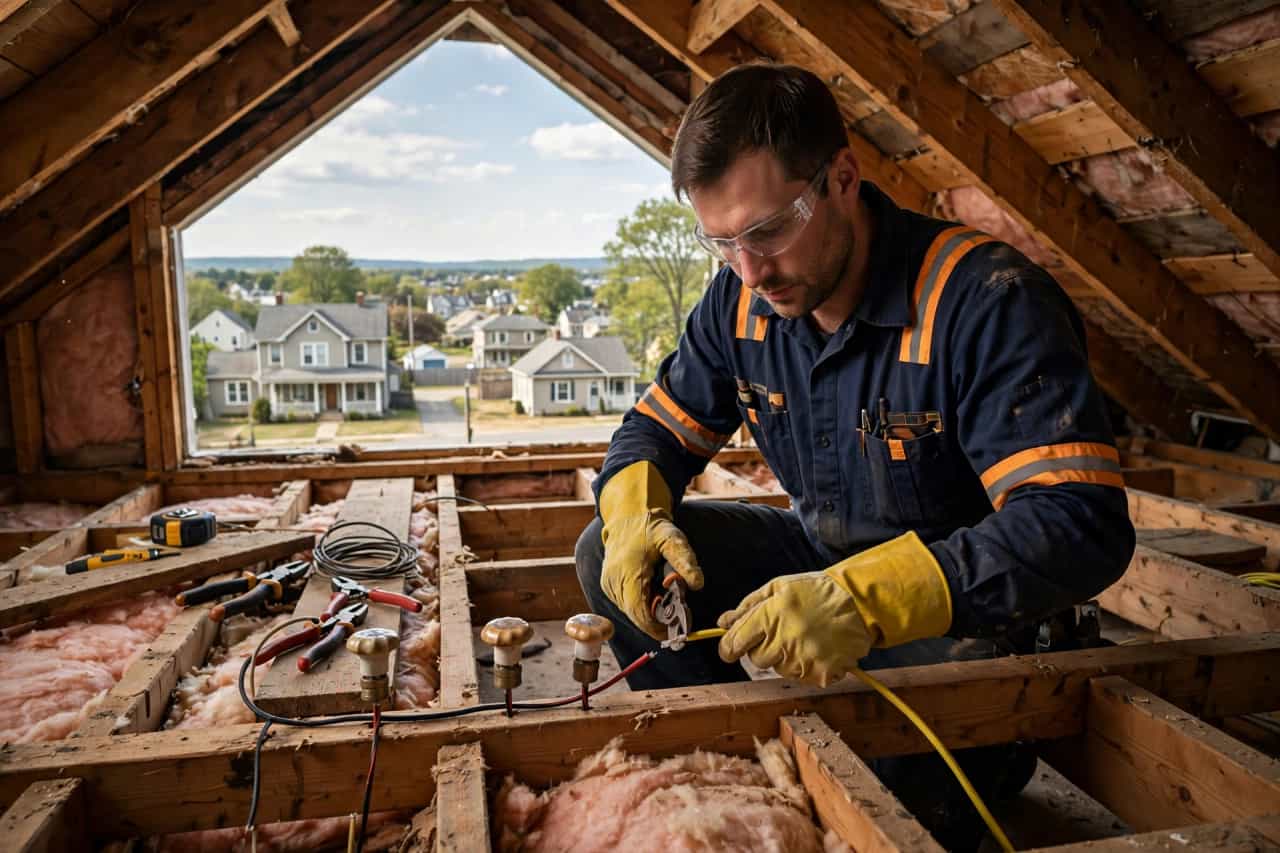
Removing or abandoning knob-and-tube circuits and replacing them with grounded cable.
- Survey of every active knob-and-tube run
- Replacement with modern grounded cable
- Documentation for insurers
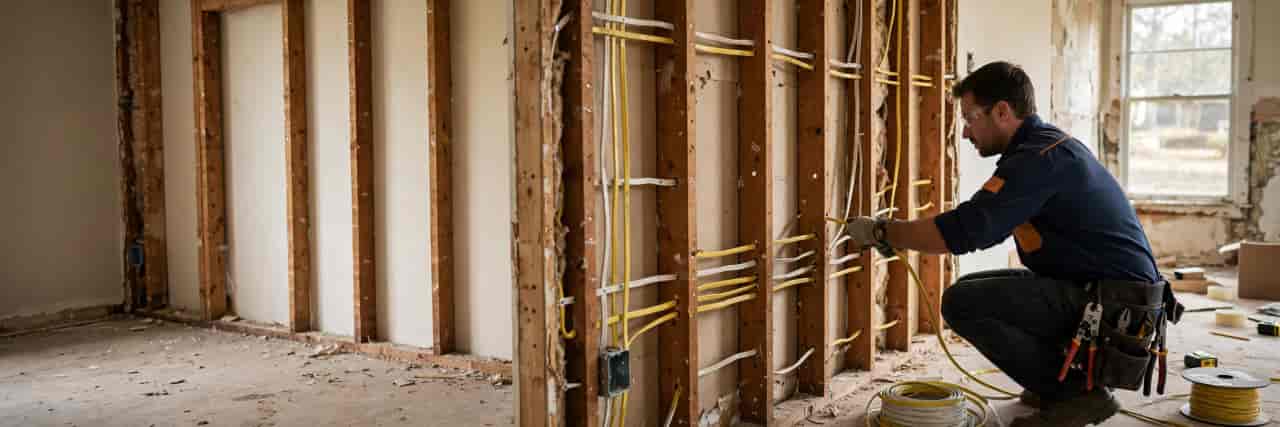
Rewiring replaces old knob-and-tube, cloth-insulated or problem aluminum wiring with modern grounded cable, usually room by room through small wall openings rather than full demolition.
Free to call · Independent licensed electricians
By calling, you agree to be connected with an independent electrician, who may call or text you back about your request at the number you call from. Calls may be recorded for quality and routing. Consent is not a condition of any purchase, and you can opt out at any time; message and data rates may apply. Privacy policy.
House Rewiring at a glance
Independent licensed electricians in all 50 states + DC
Overview
Wiring does not last forever. Cloth-insulated cable becomes brittle, knob-and-tube has no ground and was never designed to be buried in insulation, and 1960s–70s aluminum branch wiring needs special connections. Rewiring is usually done room by room with minimal wall openings, and pairs well with renovations when walls are already open.
Safety first
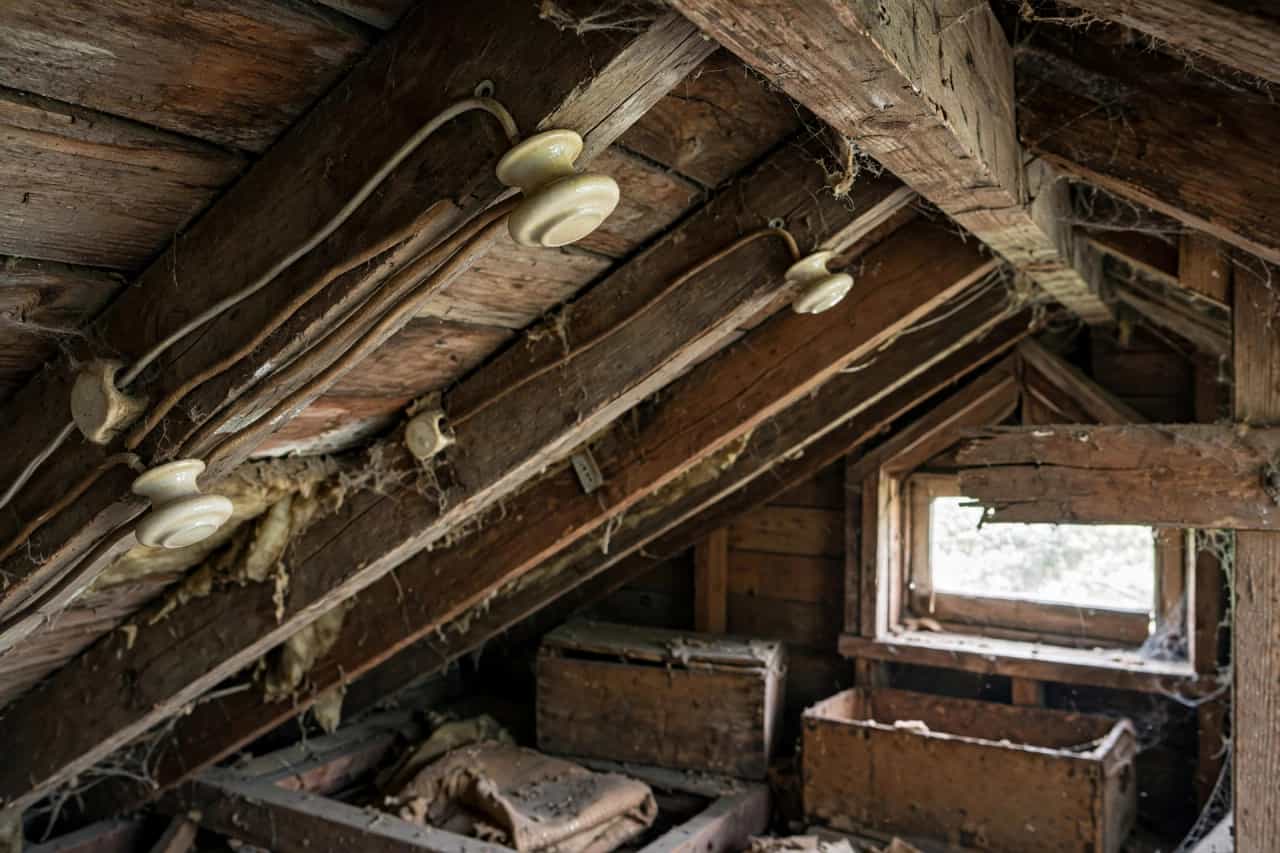
Never add insulation over active knob-and-tube wiring unless an electrician has evaluated it. The wiring relies on open air to stay cool.
Warning signs
Common reasons people call about house rewiring. If one matches what you are seeing, a licensed electrician should check it.
Knob-and-tube, cloth-insulated or aluminum branch wiring
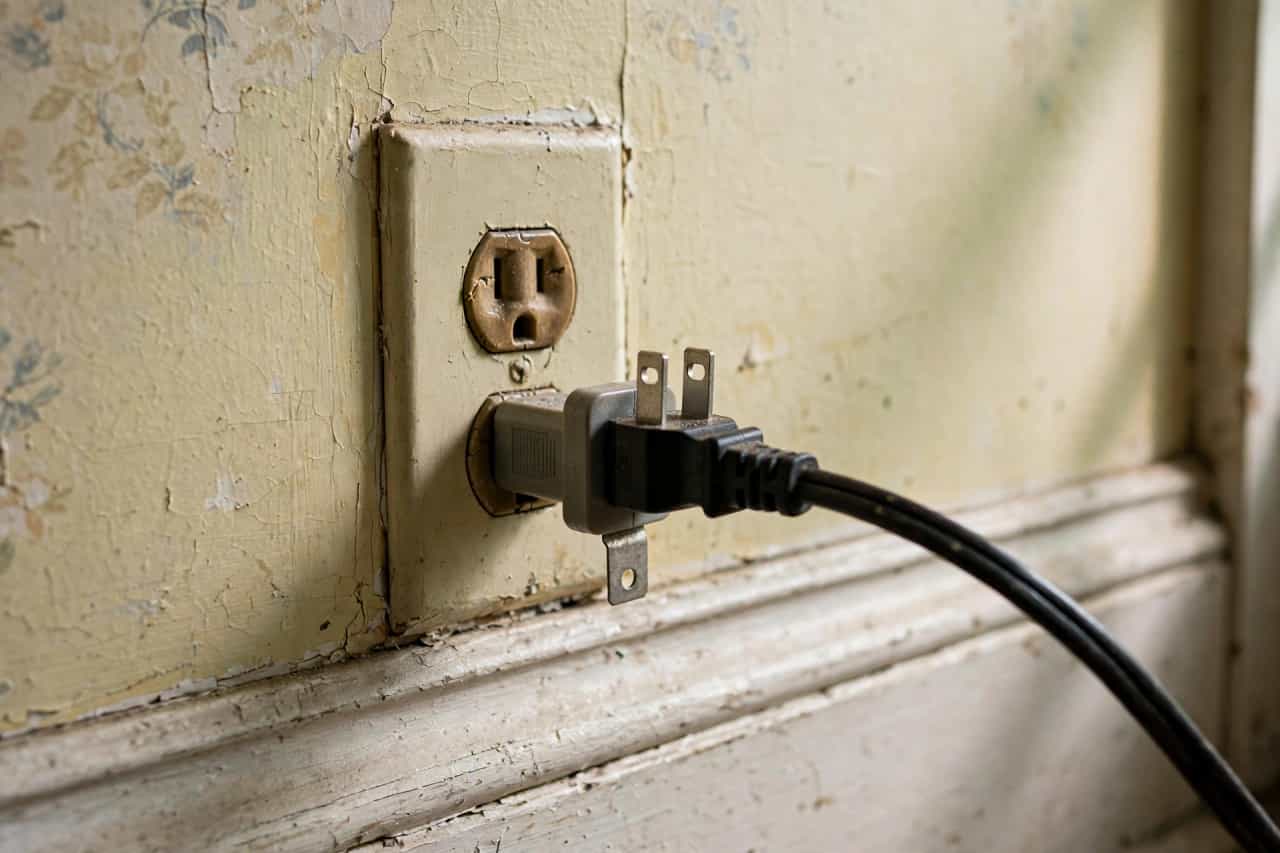
Mostly two-prong (ungrounded) outlets
Frequent tripping, flickering or warm devices throughout the home
A major renovation with walls already open
Insurance difficulty because of wiring type
How it works
The usual sequence for house rewiring, from the first visit to sign-off.
Inspection to identify wiring type and condition
Room-by-room plan to keep part of the home powered
New cable fished through walls with small access holes
Inspections at rough-in and final
Patching coordination with your drywall contractor
Types of work
Removing or abandoning knob-and-tube circuits and replacing them with grounded cable.
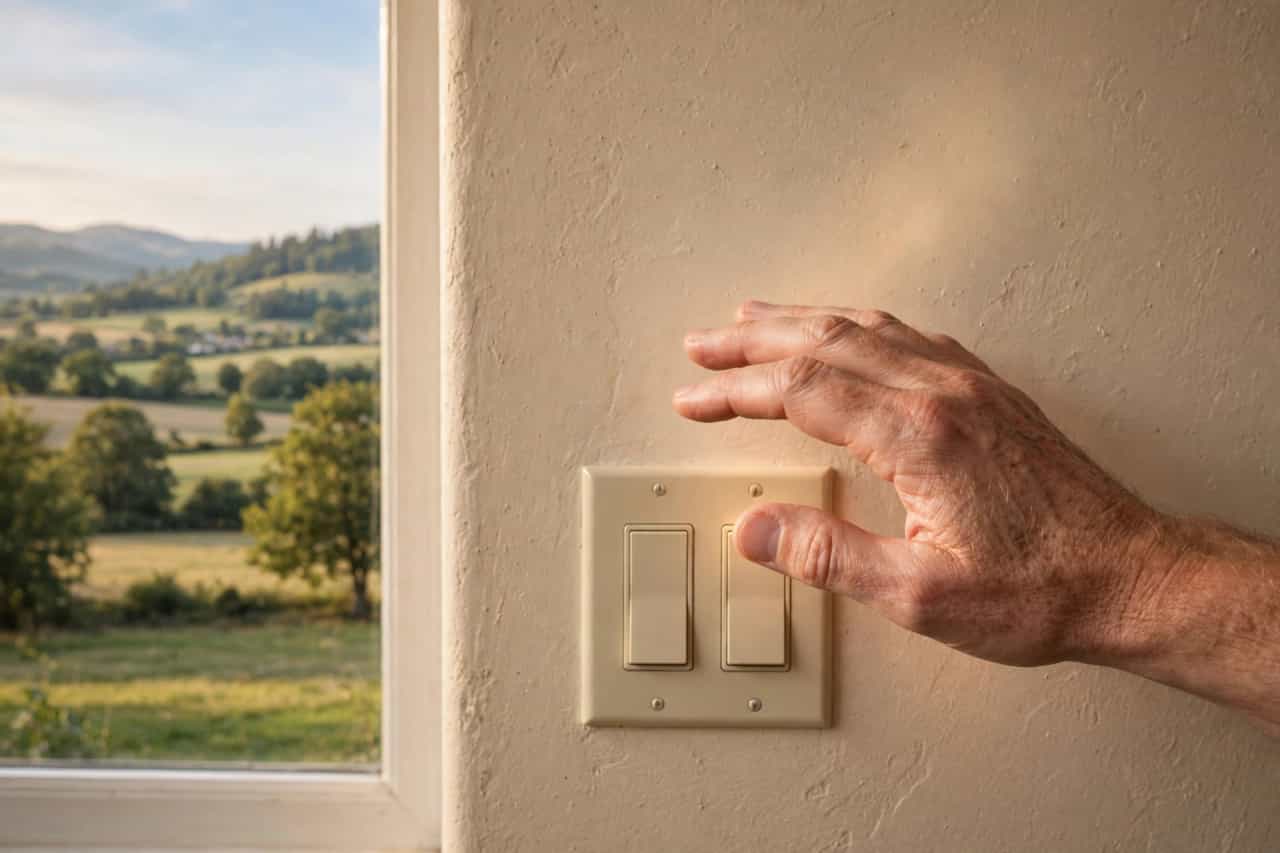
Making aluminum branch circuits safe with approved connectors or replacement.
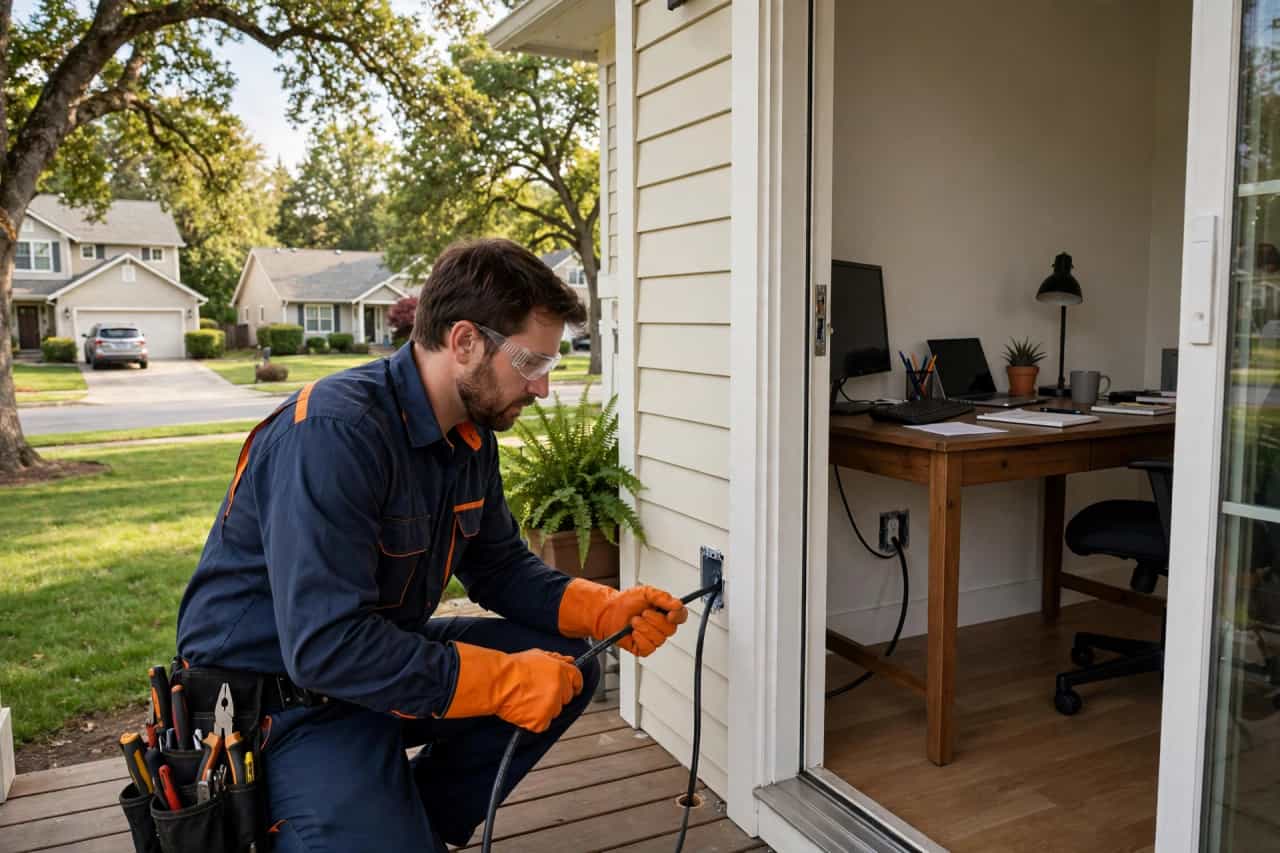
New circuits for appliances, home offices and equipment.
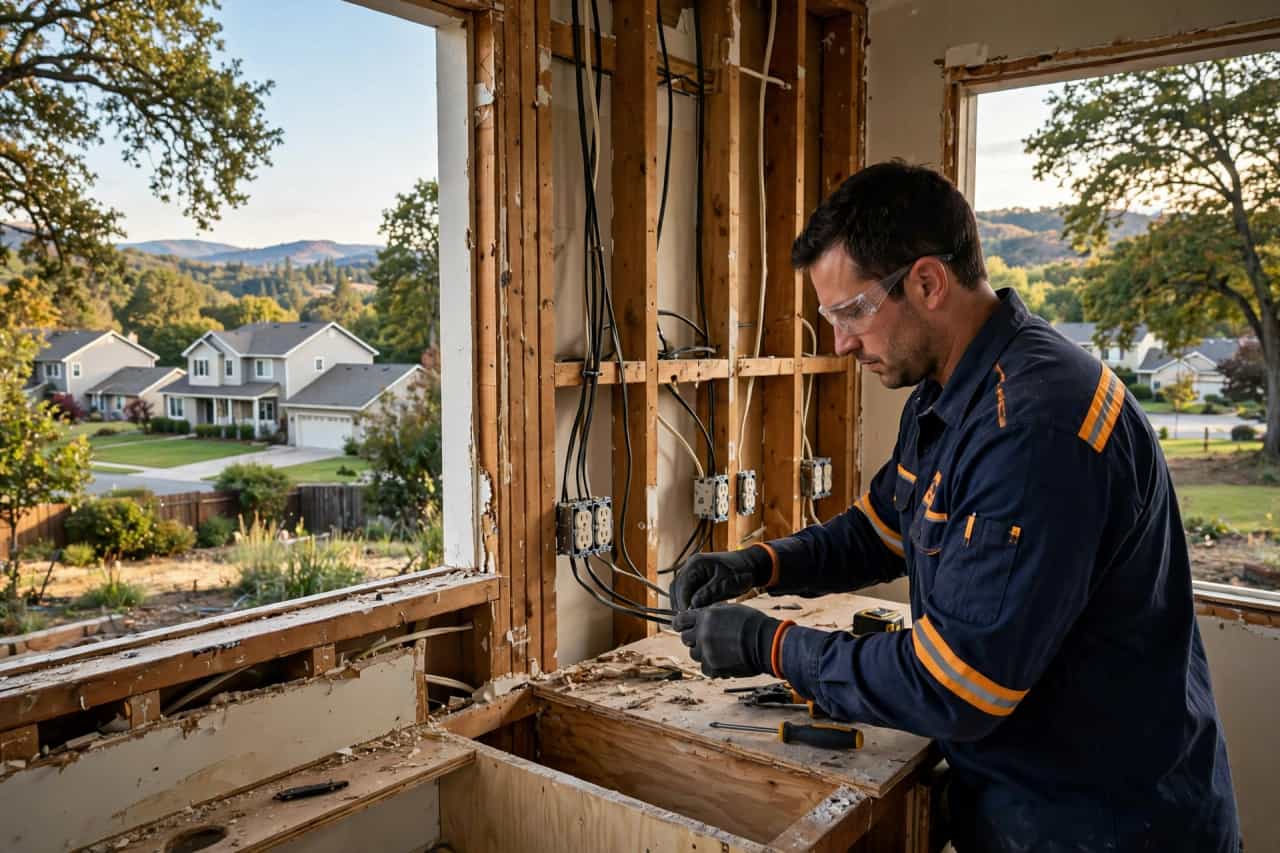
Countertop circuits, appliance circuits and lighting for remodels.
Pricing
The electrician sets the price after seeing the job. For house rewiring, these factors change it most.
Get a real number
A short visit lets the electrician see your panel, wiring and access, so the quote reflects your actual job.
Call to discuss your jobHome size and number of circuits
Plaster vs. drywall walls
Attic and basement access
Panel upgrade needed at the same time
Patching and painting responsibility
DIY vs. pro
Safe for homeowners
Stop and call a pro
Safety: Never add insulation over active knob-and-tube wiring unless an electrician has evaluated it. The wiring relies on open air to stay cool.
Explained
Usually, yes. Electricians fish new cable through walls and ceilings from the attic, basement or crawlspace, making small access holes at outlets, switches and a few key points. Plaster walls take more care than drywall, and finished basements or slab homes can limit routes.
Patching the access holes is a separate step. Ask whether it is included in the quote or left for a drywall or plaster contractor.
Knob-and-tube, used roughly until the 1940s, has no ground and relies on air around the conductors to stay cool, so buried insulation and decades of splices become a concern. Aluminum branch wiring from the 1960s and 70s is not automatically unsafe, but connections need aluminum-rated devices or approved connectors.
Ungrounded two-wire cable from the mid-century era works, but it cannot provide a ground for three-prong outlets. Each case has a different fix, from targeted remediation to full replacement.
Many insurers ask about wiring type, and some will not write a policy on a home with active knob-and-tube wiring. A permitted rewire with a final inspection gives you documentation to show an insurer or a buyer.
Keep the permit number, the inspection sign-off and the updated panel directory together with the home records.
Questions
Usually yes. Electricians fish new cable through attics, basements and small access openings. Plaster walls take more care but rarely need full removal.
Usually yes. Electricians work in sections so part of the home stays powered each day.
Many insurers decline or surcharge homes with active knob-and-tube wiring, so documented replacement can matter for coverage.
It depends on the size of the home, access from the attic and basement, and wall materials. A small single-story home with good access takes far less time than a multi-story plaster house, and inspections add time between stages.
Frequent breaker trips, two-prong outlets throughout, knob-and-tube or cloth-insulated wiring, warm outlets or switches, flickering across rooms, and evidence of many amateur additions are common signs.
Yes. Many homes rewire in stages, starting with kitchens, bathrooms and other high-load rooms, or replacing only the circuits that use old wiring. The electrician can survey which circuits need it most.
Often, because new circuits need AFCI and GFCI protection and an older or full panel may not support them. Combining the panel and rewire work can reduce disruption.
No. Aluminum branch wiring is a newer conductor material whose risk is at connections, while knob-and-tube is an older wiring method without a ground. They need different solutions.
Move furniture away from walls, clear attic and basement access, and empty closets that back onto work areas. Ask how long each room will be without power and where the electrician needs access.
Yes. New cable includes an equipment ground, so each new outlet is a properly grounded three-prong receptacle with the protection current code requires.
Same-day help often available
Call about house rewiring
Call (855) 679-2483By calling, you agree to be connected with an independent electrician, who may call or text you back about your request at the number you call from. Calls may be recorded for quality and routing. Consent is not a condition of any purchase, and you can opt out at any time; message and data rates may apply. Privacy policy.
Smoke, flames or sparking? Leave the building and call 911 first.
Pronto Electrician is a free referral service. The electricians you are connected with are independent contractors, not employees or agents of Pronto Electrician. Pronto Electrician does not perform electrical work, and the electrician you choose sets the price, schedule, permits and warranty.
Same-day help often available
Prefer to talk it through?
Your call is answered by an independent licensed electrician who serves your area.
(855) 679-2483By calling, you agree to be connected with an independent electrician, who may call or text you back about your request at the number you call from. Calls may be recorded for quality and routing. Consent is not a condition of any purchase, and you can opt out at any time; message and data rates may apply. Privacy policy.
Service areas
Available across all 50 states and Washington, DC.
Popular in these cities
All states
Related services
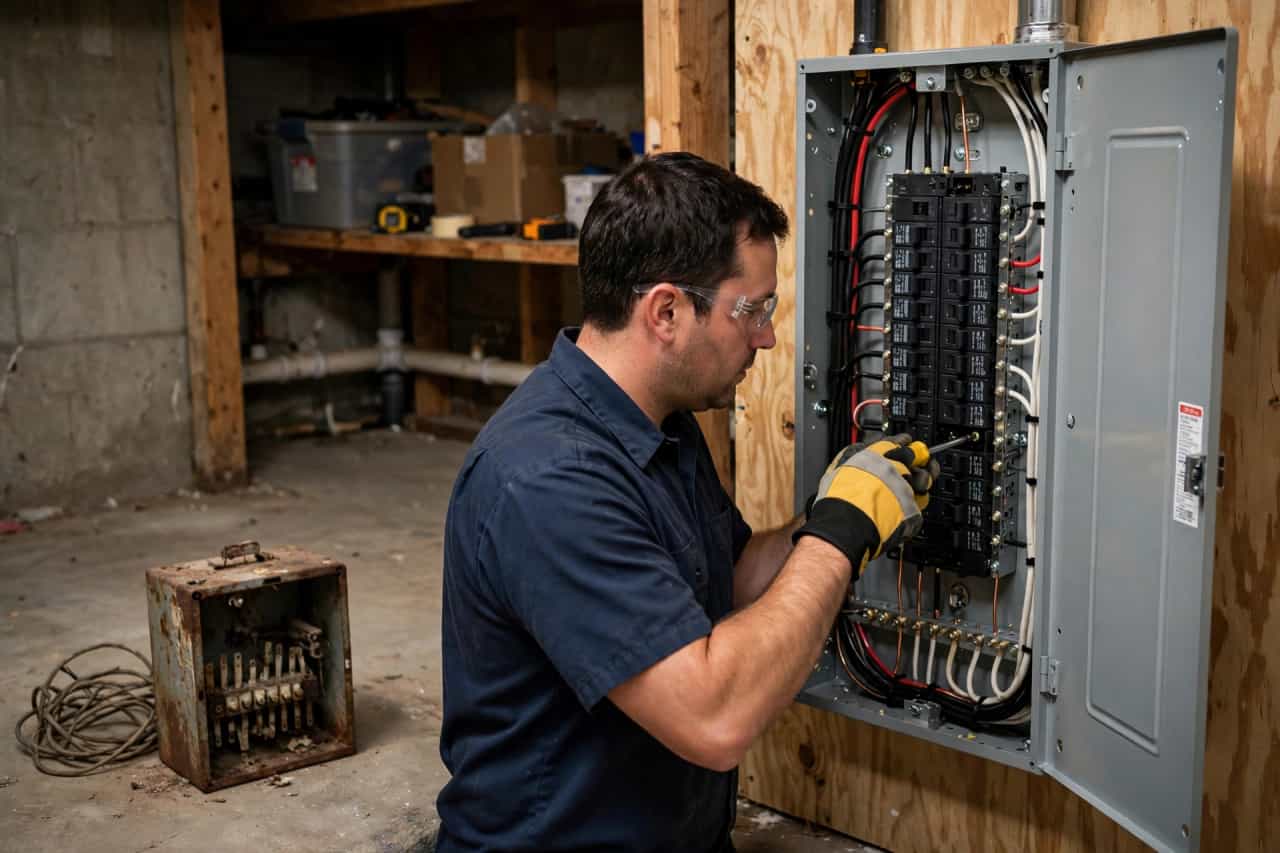
Panel replacements and service upgrades for modern loads, EV chargers and heat pumps.
Explore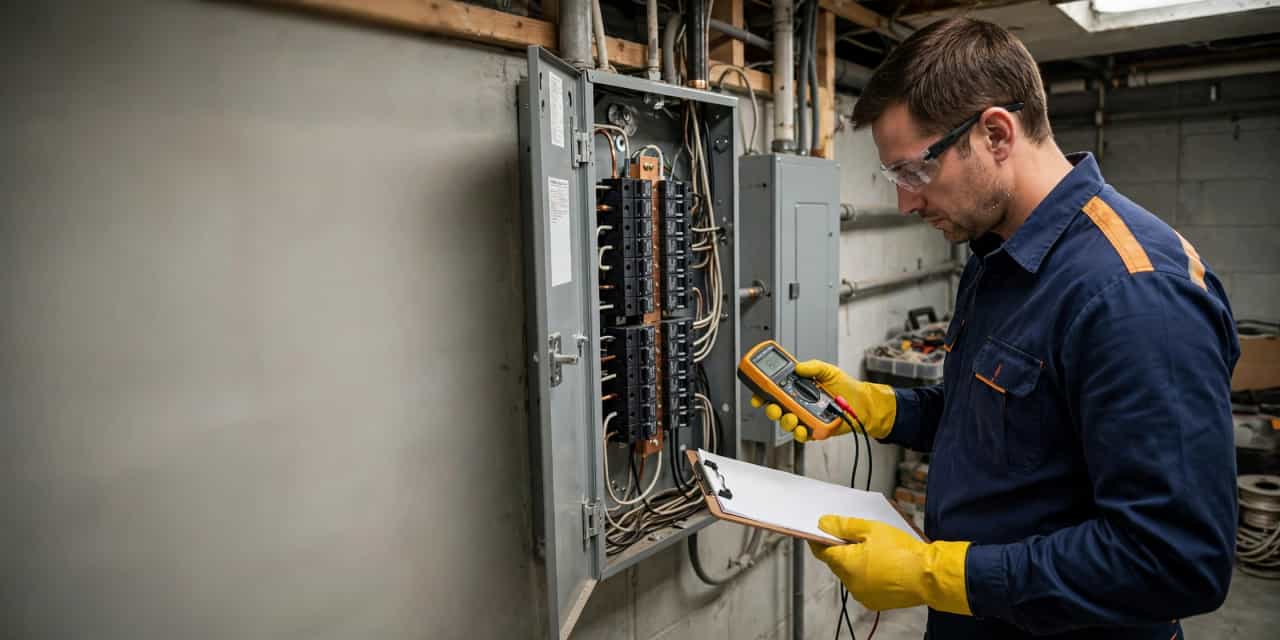
Home-purchase, insurance and safety inspections of electrical systems.
Explore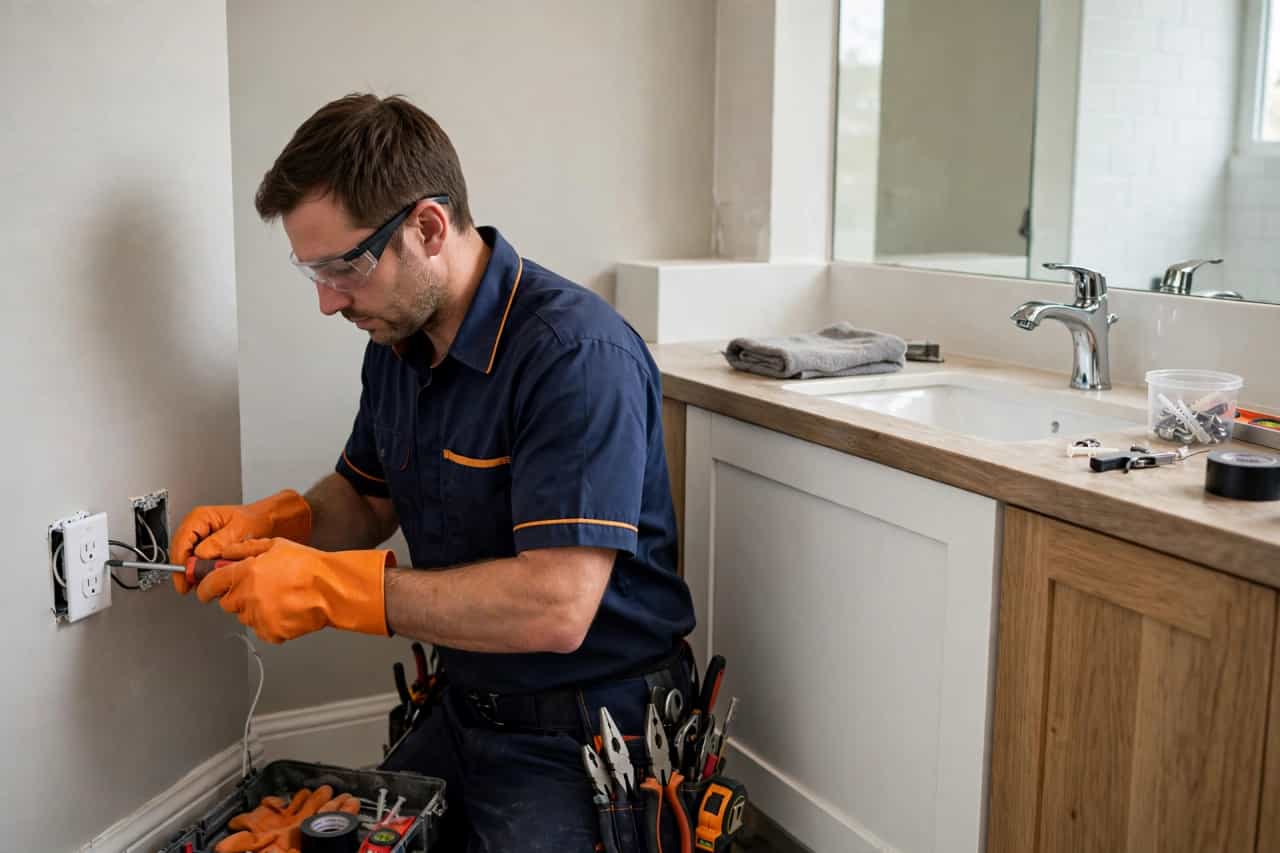
New outlets, GFCI and AFCI protection, USB, outdoor and 240V receptacles.
ExploreSymptoms this service fixes
Free to call · All 50 states + DC
Describe the problem and get connected with an independent licensed electrician who serves your area.
By calling, you agree to be connected with an independent electrician, who may call or text you back about your request at the number you call from. Calls may be recorded for quality and routing. Consent is not a condition of any purchase, and you can opt out at any time; message and data rates may apply. Privacy policy.
Free referral to independent electricians. By calling you consent to a callback or text and call recording. Details