Short answer
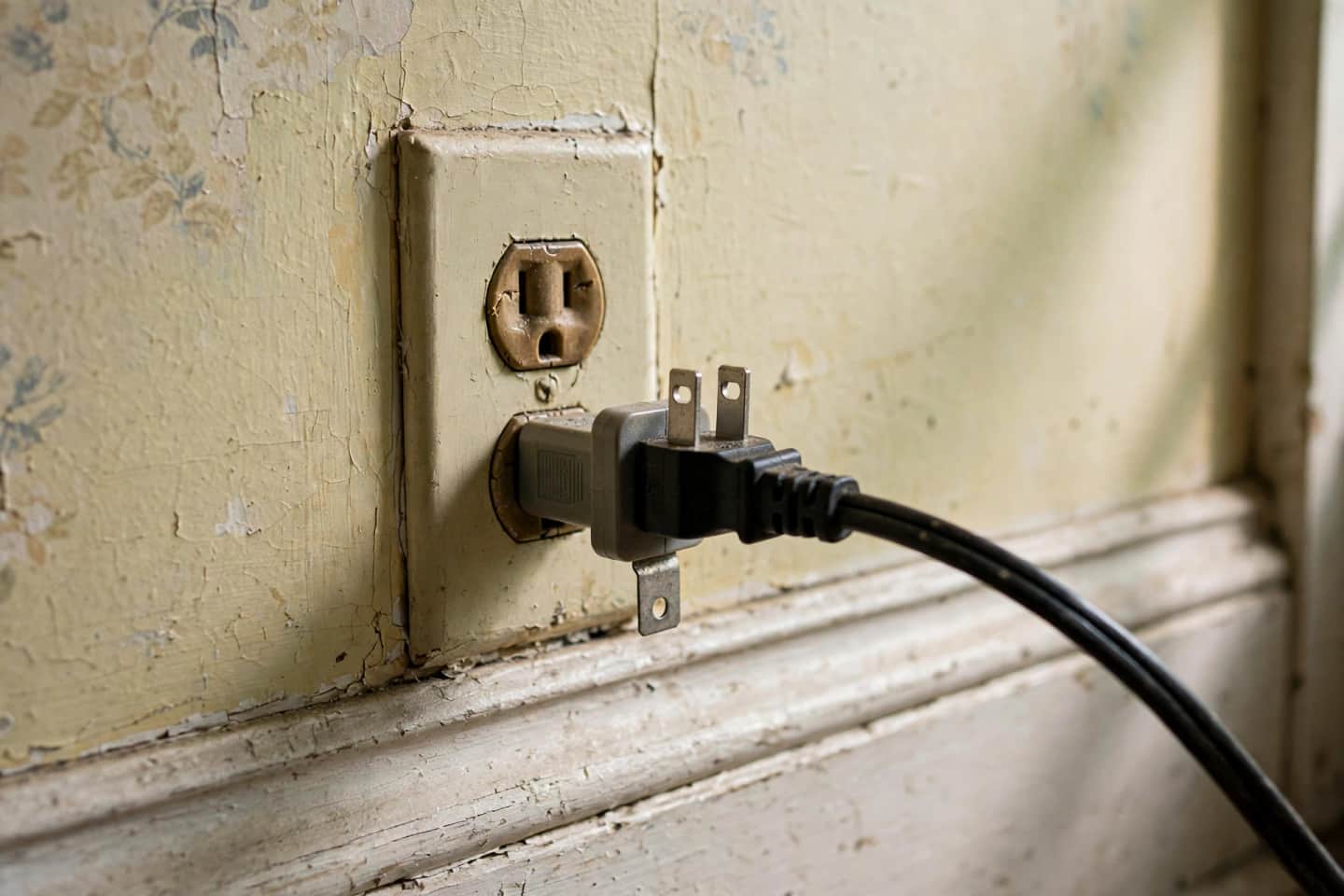
Two-prong outlets were standard before grounding was required. They are not automatically dangerous, but they provide no equipment ground. Options include adding a ground wire, installing GFCI protection with proper labeling, or rewiring. Adding a three-prong outlet without a ground is not a safe fix.Electrical components involved: Two-Prong Ungrounded Outlets
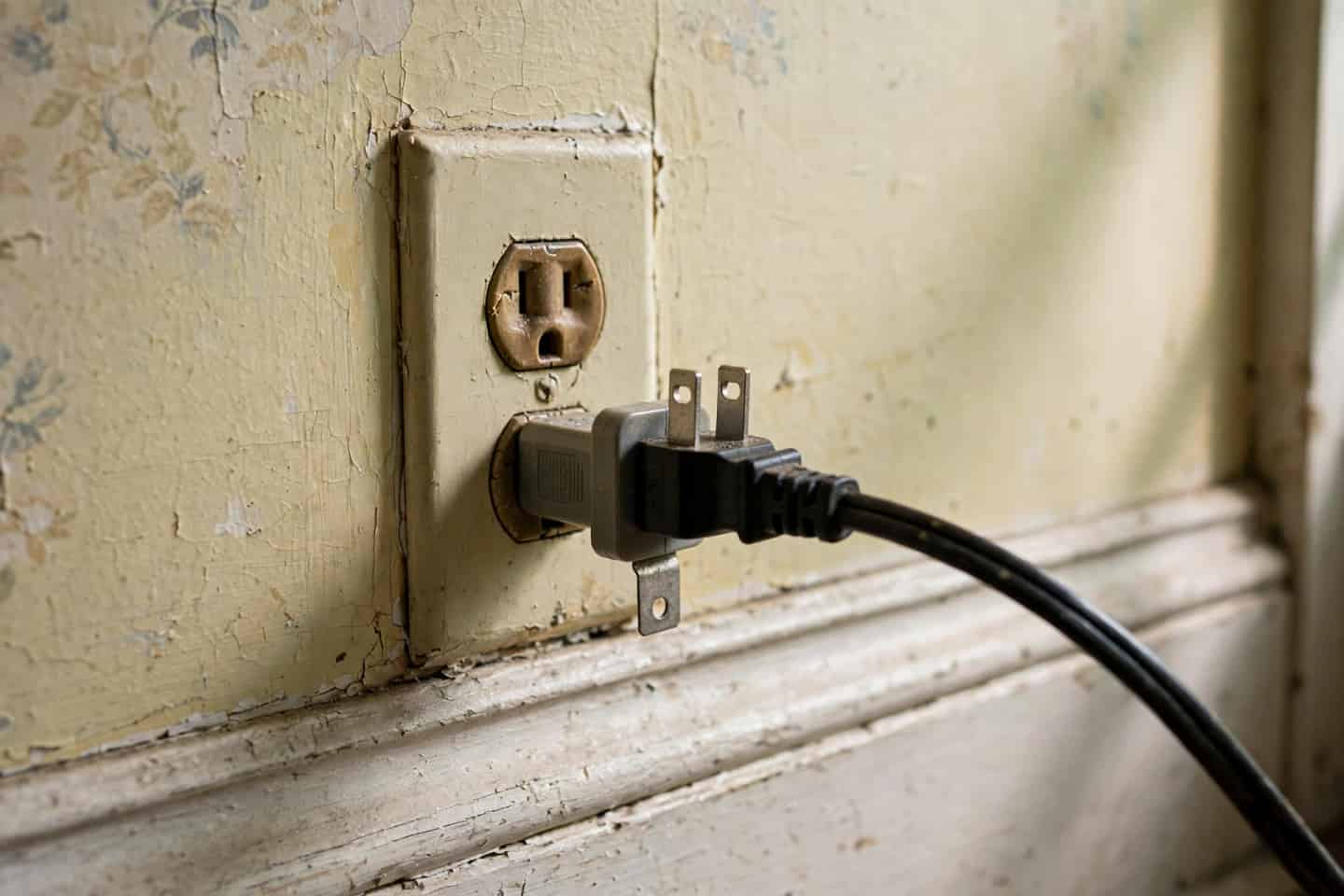
- Two-prong receptacle
- Accepts only hot and neutral blades; has no grounding terminal, so three-prong cords cannot connect to ground.
- Equipment grounding conductor
- The bare or green wire that carries fault current back to the panel so the breaker trips; missing in most older two-wire circuits.
- Metal outlet box and conduit
- In some older homes, metal conduit or armored cable can serve as the grounding path, which is why some two-prong boxes can be upgraded simply.
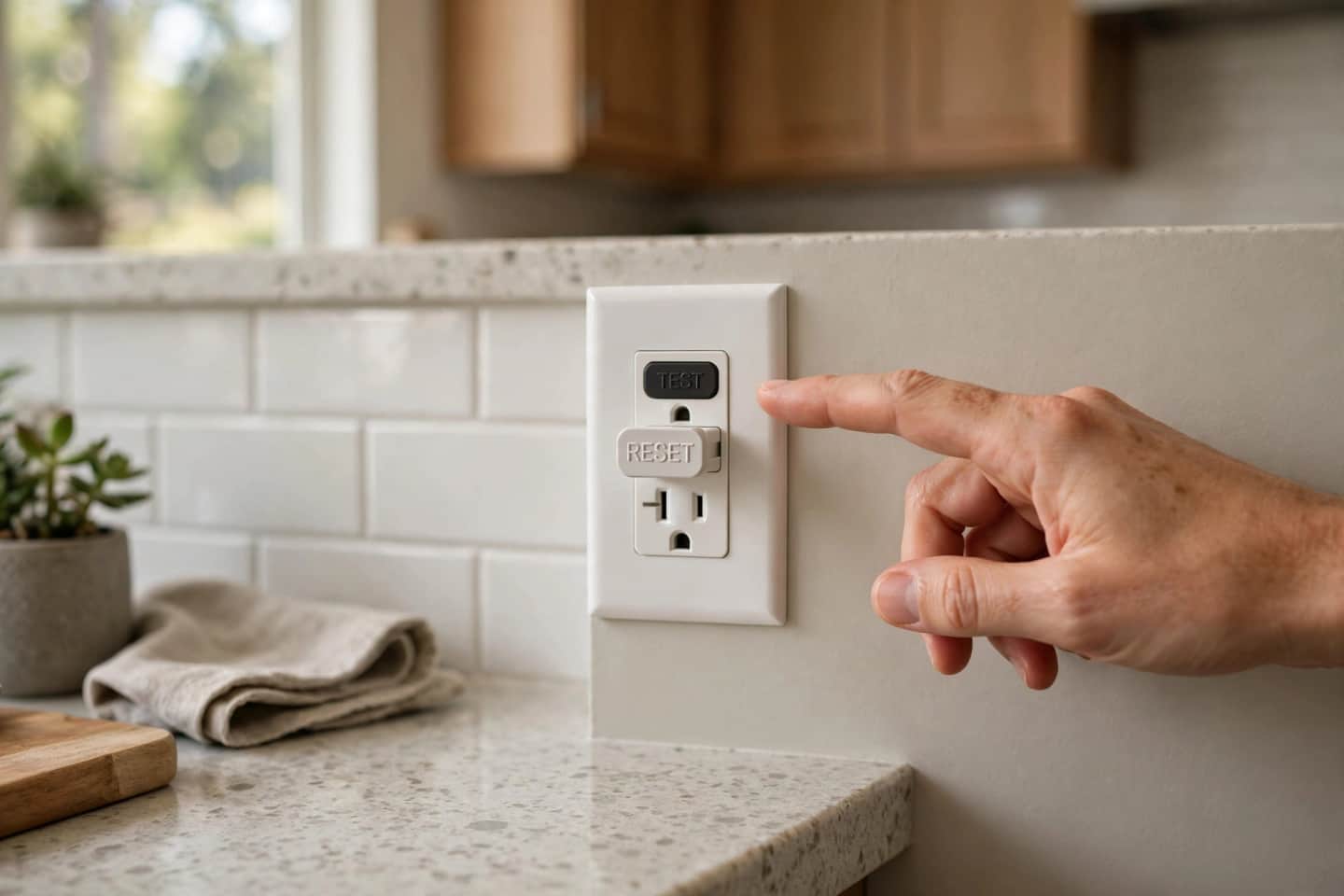
- GFCI receptacle or breaker
- Detects current leaking out of the circuit and shuts it off, providing shock protection even where no ground wire exists.
- Circuit breaker
- Trips on overcurrent; a ground path helps it trip fast during a fault to an appliance case.
- Surge protective device
- Diverts voltage spikes to ground; a plug-in surge strip on an ungrounded outlet has nowhere to send that energy.
Common causes
- Original wiring from before grounding requirements
What you can safely check
- 1Avoid cheater adapters for computers and appliances
Stop and call an electrician when
- You want to plug in three-prong equipment
- You are buying or insuring an older home
What you are seeing, what it likely means, what to do
| What you notice | Likely meaning | Next step |
|---|---|---|
| Two-prong outlets throughout an older home | Original two-wire wiring with no equipment ground | Schedule an evaluation to see which upgrade path fits each room |
| Three-prong outlet tests as open ground | Outlet was swapped without a ground connection | Do not trust it for electronics; have an electrician ground it or add GFCI protection |
| Need to plug in a computer, fridge or power tool | Equipment expects a ground the outlet cannot provide | Avoid cheater adapters and call an electrician to ground that circuit |
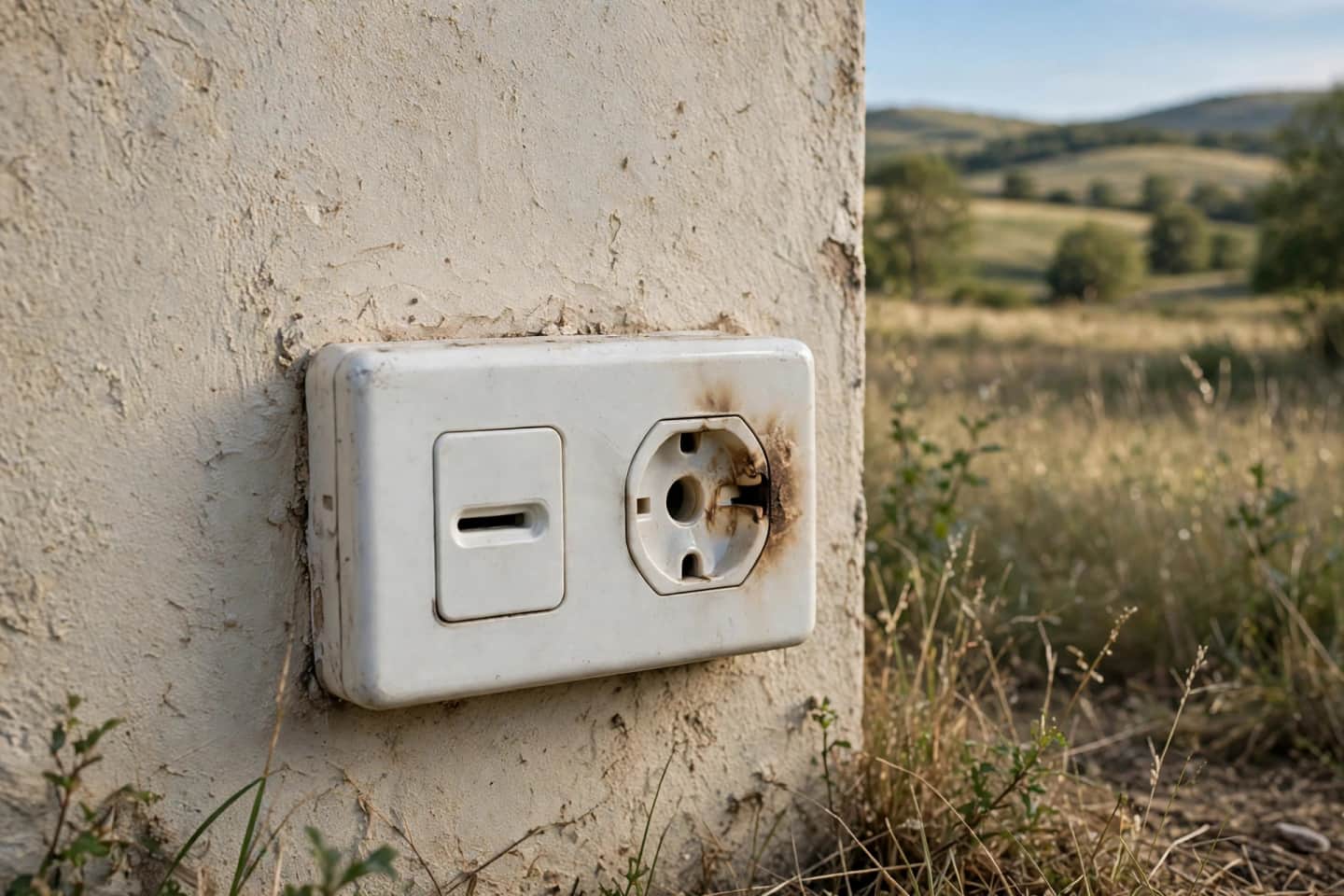
| Outlet is warm, discolored or loose | Aging or failing connection in old wiring | Stop using it and call an electrician soon |
| Smoke, sparks or burning smell | Active overheating or arcing | Keep clear, cut power only if safe, call 911, then an electrician |
Why older homes have two-prong outlets
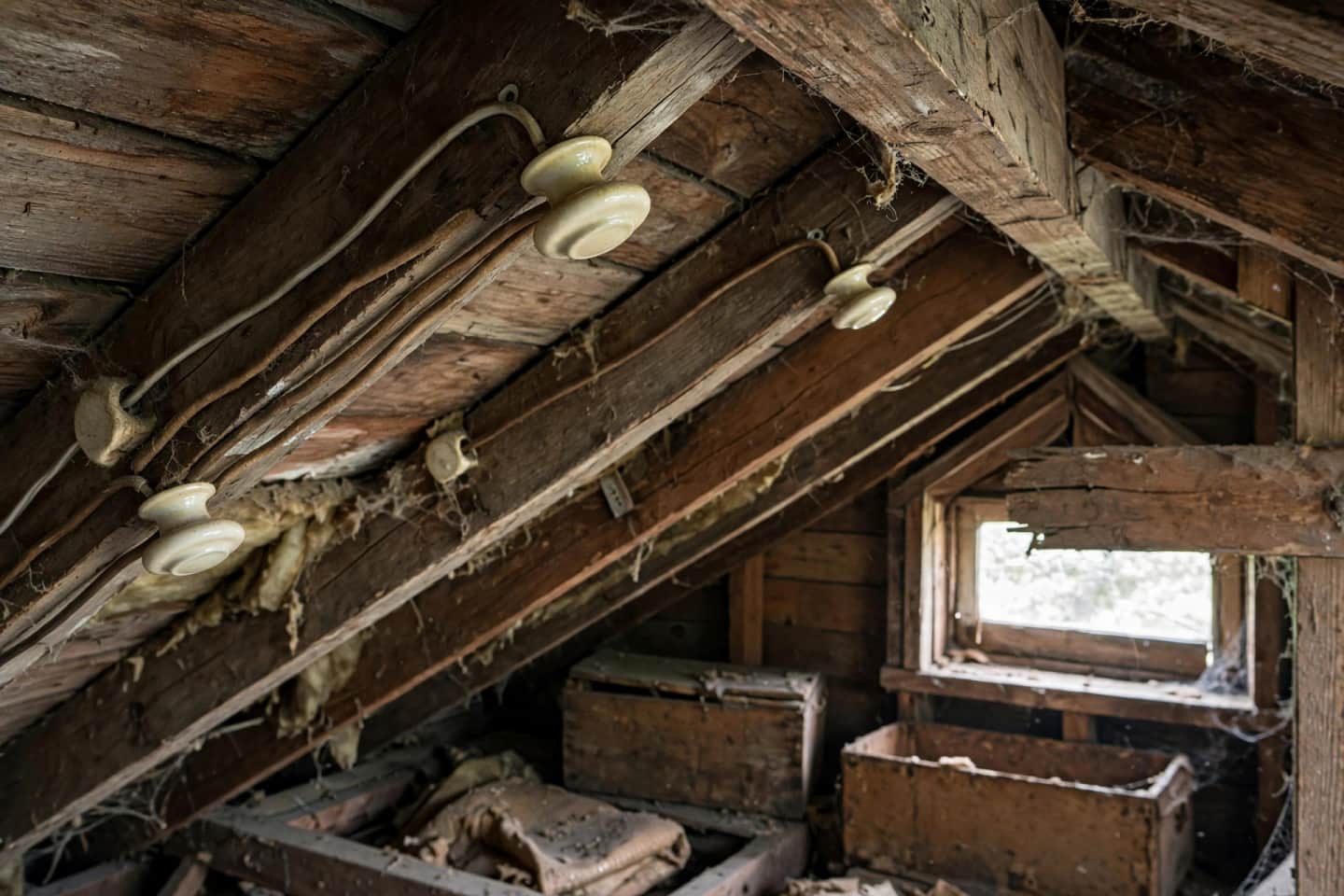
Houses wired before grounding became standard for general receptacles, roughly before the 1960s, typically used two-wire cable with only a hot and a neutral. Knob-and-tube and early cloth-sheathed cable fall into this group. The outlets worked fine for lamps and radios of the era, which had two-blade plugs. Today, computers, refrigerators, microwaves and power tools ship with three-prong cords because their designers assume a ground is present. The mismatch is about missing protection, not about the outlet itself being broken.
What the missing ground actually means for safety
If a hot wire inside an appliance touches its metal case, a ground wire gives that current an easy path home so the breaker trips. Without it, the case can stay energized until someone touches it and becomes the path. Ungrounded circuits also weaken surge strips and can cause hum or interference in audio and computer equipment. None of this means the outlet is about to fail, but it does mean anything with a three-prong plug is running with less protection than its maker intended.
Why cheater adapters and swapped outlets are not a fix
A three-to-two adapter only provides a ground if its tab is attached to a grounded screw, and most are never connected to anything. Swapping a two-prong outlet for a three-prong one without a ground is worse: it looks protected, plug-in testers may be misleading, and the next owner trusts it. Home inspectors commonly flag these "false grounds." If you have already found three-prong outlets that test as open ground, treat them like two-prong outlets until an electrician corrects them.
How an electrician diagnoses ungrounded outlets
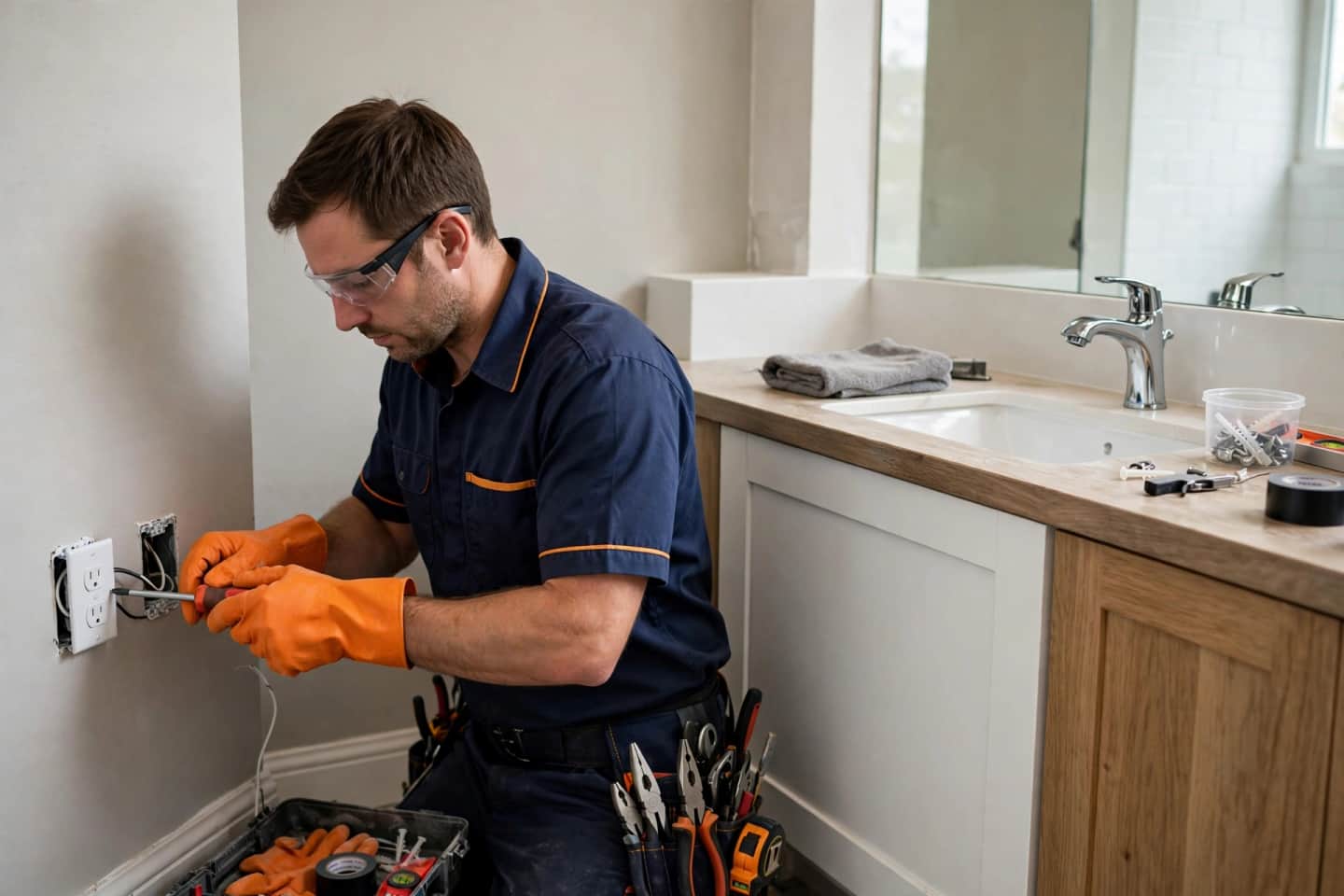
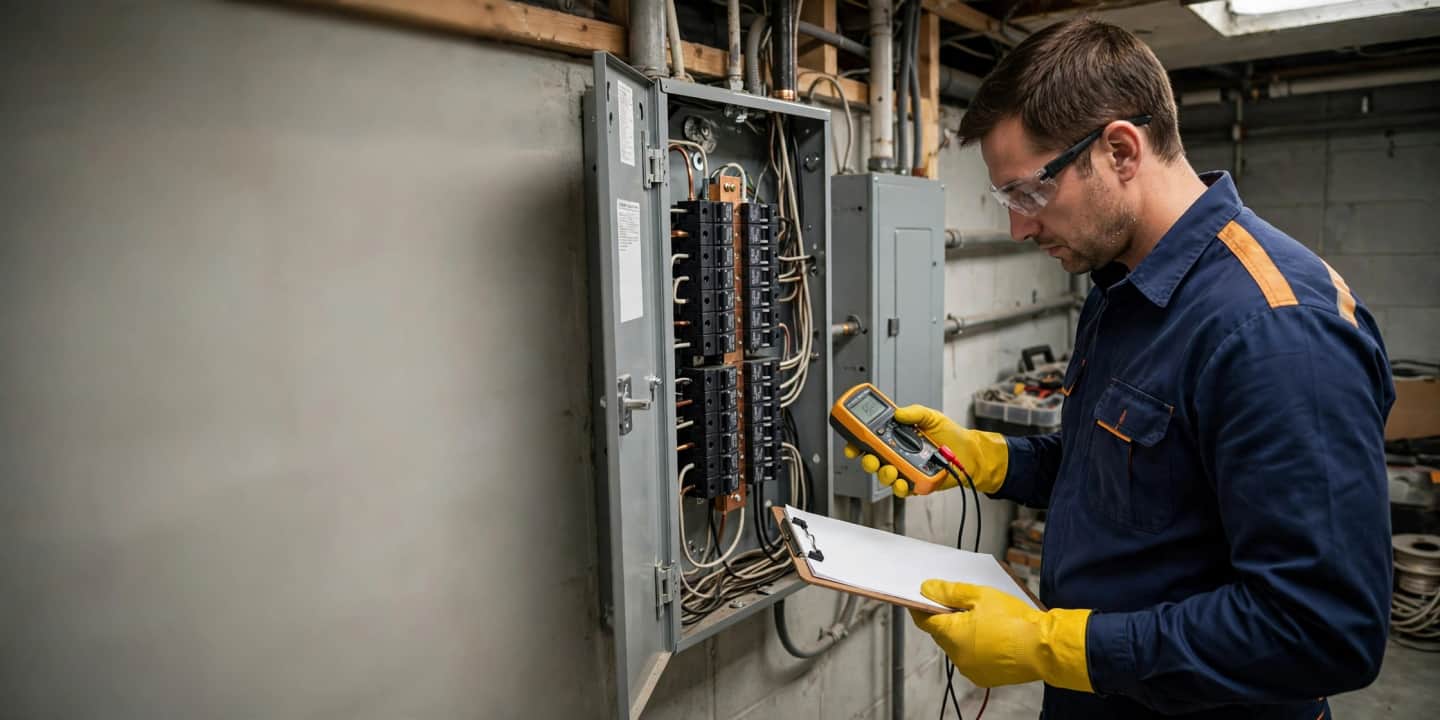
The electrician starts by testing outlets with a meter to confirm polarity and check for any ground path. With power off, they open a few boxes to see the cable type, whether boxes are metal, and whether conduit or armored cable runs back to the panel. They also check for old splices, brittle insulation and signs of overheating. The result is a room-by-room picture: which outlets can be grounded as is, which need GFCI protection, and which circuits are worth rewiring.
Repair options: grounding, GFCI protection or rewiring
There are three common paths. If a reliable ground exists in the box, a three-prong outlet can be installed and bonded to it. If not, the electrical code allows a GFCI receptacle or GFCI breaker to protect ungrounded outlets, with labels reading "No Equipment Ground" and, where downstream, "GFCI Protected." That adds shock protection but does not create a ground for surge strips or sensitive electronics.
The third path is running a new grounding conductor or replacing the circuit with modern cable. It costs more and may involve opening walls, but it is the only option that delivers a true ground everywhere. Many homeowners combine approaches: rewire the kitchen and home office, and use GFCI protection for bedrooms.
What happens during the service call
When you call (855) 679-2483, you are connected with an independent licensed electrician serving your area. Expect them to ask how many two-prong outlets you have, the age of the home and what you need to plug in. On site, they test and inspect, explain your options with their pricing, and note whether a permit is needed in your jurisdiction. Work is typically done with circuits switched off at the panel, and they should verify each outlet afterward.
Two-prong outlets when buying, selling or insuring a home
Ungrounded outlets often appear on home inspection reports, and some insurers ask about the wiring type in older houses. Two-prong outlets can be a clue to knob-and-tube or other original wiring, which carries its own questions. Getting an electrician’s written assessment helps you plan repairs, negotiate with a seller, or answer an insurer accurately. Ask whether the wiring behind the outlets is in good condition, not only whether the outlets are grounded.
Living safely with two-prong outlets until the upgrade
Use two-prong outlets for lamps, phone chargers and other two-blade plugs. Avoid cutting off ground pins or using unconnected adapters for refrigerators, computers, space heaters or power tools. Do not rely on a plug-in surge strip for protection on these circuits. Keep an eye out for warm cover plates, loose plugs, flickering or a burning smell, which point to aging connections. If you notice smoke or sparks, keep clear, switch off the circuit only if safe to reach, and call 911.
Questions people ask about two-prong ungrounded outlets
Are two-prong outlets safe?
Two-prong outlets were standard before grounding was required. They are not automatically dangerous, but they provide no equipment ground. Options include adding a ground wire, installing GFCI protection with proper labeling, or rewiring. Adding a three-prong outlet without a ground is not a safe fix.
Are two-prong outlets dangerous?
Not by themselves, but they offer less protection than grounded outlets. They are fine for two-blade plugs like lamps. The risk comes with metal-cased or three-prong equipment, which loses its fault path, and with aging wiring behind the outlet. An electrician can test the circuit and recommend grounding or GFCI protection.
Can I just replace a two-prong outlet with a three-prong one?
Only if a real ground is available in the box. Installing a three-prong outlet without a ground creates a false sense of safety and is a common inspection finding. Without a ground, the accepted option is GFCI protection with proper labeling, or adding a ground wire. An electrician can tell you which applies.
Is a GFCI outlet as good as a ground?
No, it protects people from shock but does not provide a ground. A GFCI cuts power when it senses leakage, which covers the most serious hazard on ungrounded circuits. It will not give a surge protector a path for spikes or reduce electronic noise. For computers or home theaters, a true ground is the better choice.
Who do I call to upgrade two-prong outlets?
Call a licensed electrician. You can call (855) 679-2483 to be connected with an independent licensed electrician near you. They will test your outlets, check the wiring behind them, and explain grounding, GFCI and rewiring options with their own pricing so you can decide what to do in each room.
Is it okay to use a three-to-two adapter?
Generally no, because most adapters are never connected to ground. The small tab only works if attached to a grounded cover screw, which older boxes usually lack. For two-blade devices you do not need one. For three-prong equipment, have the outlet grounded or properly protected instead of relying on an adapter.
Do two-prong outlets mean I have knob and tube wiring?
Not always, but they can be a clue. Many homes from the 1940s to 1960s used two-wire cable that is not knob-and-tube. Older homes may have both. An electrician can open a box with power off and identify the wiring type, which affects what upgrade makes sense and what your insurer may ask about.
Editorial note: general safety information, not a substitute for an on-site evaluation by a licensed electrician.