Few places test electrical systems like Louisiana. Hurricanes Katrina, Rita, Gustav, Laura and Ida have each left large parts of the state without power for days or weeks, flooding can come from storm surge, rivers or a single slow-moving storm, and heat and humidity never let up for long. After Katrina, Louisiana adopted a statewide construction code for the first time.
The hazards that drive the most electrical calls here, and how homeowners prepare for them.
Hurricanes and tropical storms
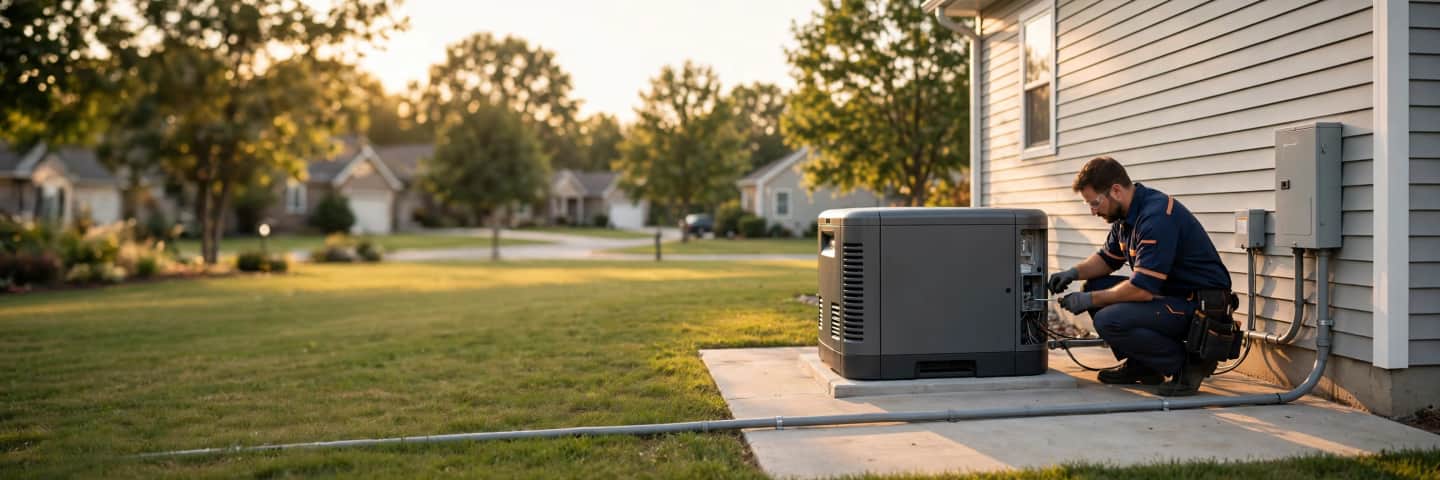
Long outages make backup power a priority. Standby generators with automatic transfer switches, or portable generators connected through a listed interlock, keep refrigeration, sump pumps and medical equipment running. Any equipment that was submerged must be inspected before re-energizing.
Electrical equipment that has been underwater — panels, outlets, breakers, appliances — generally must be replaced, not dried and reused. Do not re-energize a flooded home until an electrician has inspected it.
Salt air corrodes exterior meter bases, disconnects, outdoor receptacles and AC disconnects faster than inland. Corrosion-resistant enclosures and periodic inspection of exterior connections extend their life.
Entergy Louisiana serves much of the state, including Baton Rouge, and Entergy New Orleans serves Orleans Parish. Cleco serves much of central Louisiana, SWEPCO serves the Shreveport area, and Lafayette Utilities System is a large municipal utility. Electric cooperatives serve many rural parishes.
Louisiana homes cannot choose a retail supplier. Your utility sets requirements for service upgrades, meter relocation on raised homes and reconnection after storms.
Licensing and the state construction code
Electrical contractors in Louisiana are licensed by the State Licensing Board for Contractors, and many cities and parishes, including New Orleans, also license electricians. Ask which licenses an electrician holds for your parish.
After Hurricanes Katrina and Rita in 2005, Louisiana adopted the Louisiana State Uniform Construction Code, which includes the National Electrical Code. Parishes and municipalities issue permits and perform inspections, sometimes through third-party providers. Panel upgrades, generators, new circuits and storm repairs require permits.
Hurricanes and long outages
Katrina in 2005 flooded most of New Orleans. Laura in 2020 devastated Lake Charles and Southwest Louisiana with extreme winds, and Ida in 2021 caused the entire New Orleans area to lose power after transmission towers collapsed, leaving many homes dark for more than a week in late-summer heat.
Generators are the most common hurricane upgrade. Standby generators with automatic transfer switches are widespread, and portable generators must be connected through a transfer switch or listed interlock and run outdoors, away from windows and doors. Carbon monoxide from generators run too close to homes is a leading cause of death after storms.
Flooding beyond the coast
In August 2016, a slow-moving storm dropped extraordinary rainfall on the Baton Rouge region, flooding tens of thousands of homes far from the Gulf. River flooding along the Mississippi, Atchafalaya and their tributaries is a recurring risk.
Electrical equipment that has been underwater must be replaced. Many rebuilt homes now have panels, outlets and equipment raised above expected flood levels, and some parishes require it for substantially damaged homes.
Raised homes and meter locations
Louisiana’s traditional raised homes, and the many homes elevated after recent floods, place the living space well above ground. Meters, disconnects and air conditioning equipment may sit on platforms or walls above flood level, and the service entrance must be designed to reach them. Elevation projects require coordination with the utility on the new meter location and an inspection before reconnection.
Heat, humidity and corrosion
Long, hot, humid summers keep air conditioners running for months and stress older panels and connections. Humidity and salt air near the coast corrode meter bases, disconnects and outdoor outlets, and moisture under raised homes damages wiring. Weather-resistant devices, in-use covers and periodic inspection keep exterior equipment reliable.
Lightning and surges
Frequent thunderstorms bring lightning that damages air conditioning control boards, appliances and electronics. A whole-home surge protective device at the panel, combined with point-of-use protection, reduces that damage.
Historic homes in New Orleans and beyond
Shotgun houses, Creole cottages and center-hall homes in New Orleans, along with historic homes in Baton Rouge, Lafayette, Natchitoches and other towns, often contain knob-and-tube wiring and undersized services. Rewiring these homes means working around plaster, cypress and historic trim, and exterior changes in historic districts may need review.
Acadiana and rural parishes
Acadiana, centered on Lafayette, and rural parishes across the state have many homes on piers and slabs, manufactured homes and properties with wells. Meter pedestals and feeders for manufactured homes should be inspected after storms, and well pumps need backup power.
North Louisiana
North Louisiana, including Shreveport and Monroe, sees less hurricane impact but more tornadoes and occasional ice storms. Wooded neighborhoods suffer tree damage to service drops, and backup power for heating and refrigeration is valuable during winter outages.
Insurance and inspections
Rising insurance costs in Louisiana have made the condition of a home’s roof, wiring and panel more important. Insurers may ask about older panels, fuse boxes and wiring, and an electrician’s written evaluation can document updates. Fortified roof programs are separate, but electrical upgrades often happen alongside storm hardening.
Industrial and petrochemical corridors
The Mississippi River corridor between Baton Rouge and New Orleans and the Lake Charles area are home to major industrial facilities. For homeowners in these areas, the practical concerns are the same as elsewhere — storms, flooding and backup power — but evacuation planning and generator readiness are especially important.
Regional differences
Greater New Orleans focuses on hurricanes, flooding, raised homes and historic wiring. Baton Rouge faces river and rain flooding and growth. Southwest Louisiana is rebuilding from Laura and Delta. Acadiana combines rural homes and storm exposure. North Louisiana sees tornadoes and ice.
Common electrical calls in Louisiana
Frequent requests include standby and portable generator installations, flood-damaged equipment replacement, raised meter and panel relocations, storm repairs, surge protection, rewiring historic homes and corrosion repairs.
Fishing camps and stilt homes
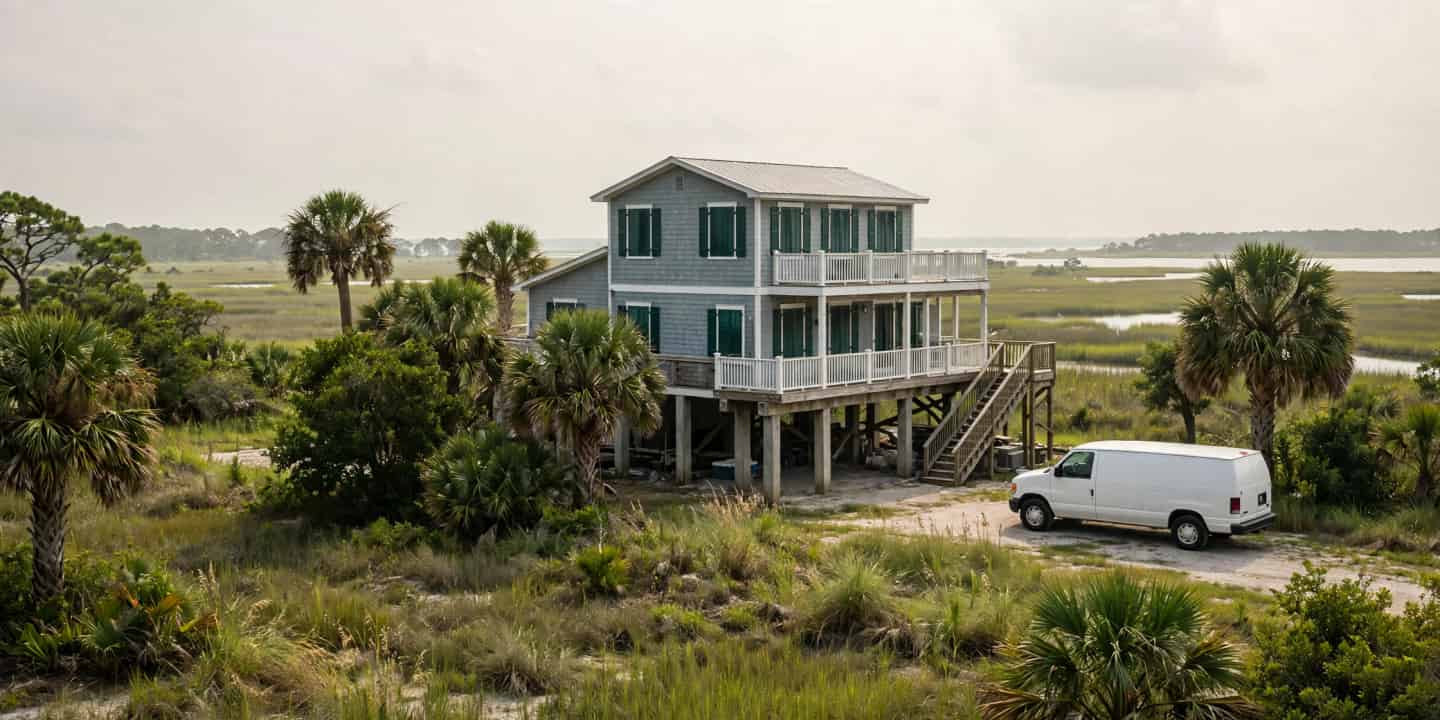
Across South Louisiana, camps on stilts along bayous, lakes and the coast are a way of life. These structures face flooding, storm surge, salt air and long periods of vacancy. Wiring under and around camps must be suited to wet locations, outlets need GFCI protection, and docks and boat lifts need ground-fault protection to prevent shock hazards in the water.
Standby generators and fuel
Natural-gas standby generators are common in neighborhoods with gas service, because they do not depend on fuel deliveries after a storm. Homes without gas often use propane units or portable generators with an interlock. Standby units in flood-prone areas should be installed on raised pads, and all generators need clearance from windows and doors.
Buying a home after a flood
In areas that flooded in 2016 or during recent hurricanes, buyers should ask whether a home’s electrical system was replaced after flooding, and whether the work was permitted and inspected. Panels, outlets and wiring that were submerged and simply dried out are a fire and shock risk. An electrician’s evaluation can confirm what was replaced.
Pools and outdoor kitchens
Pools, outdoor kitchens and covered patios are common in Louisiana suburbs, and they need correct bonding, GFCI protection and wet-location wiring. Storms and flooding can damage pool equipment and outdoor circuits, which should be inspected before use after a storm.
EVs and solar
EV ownership is still modest but growing in Baton Rouge and New Orleans, and rooftop solar with batteries has gained interest as a way to ride through outages. Solar and battery systems require permits and utility interconnection approval, and must be designed so they cannot back-feed utility lines during outages.
Surge after restoration
After hurricanes, power is often restored and lost several times as crews repair the grid, and those cycles send surges through home wiring. Unplugging sensitive electronics until power is stable, and having a whole-home surge protective device at the panel, reduces damage to air conditioning boards, refrigerators and electronics.
Mobile and manufactured homes
Manufactured homes are common in rural Louisiana and highly vulnerable in hurricanes and floods. Meter pedestals, feeders and the connection at the home should be inspected after every major storm before power is restored.
Hurricane checklist
Before the season, test the generator, confirm how it connects, and know how to switch off the main breaker. Before evacuating, turn off the main. On return, keep power off if water reached outlets or the panel.
Working with an electrician in Louisiana
Verify the contractor’s state license and any parish or city license, ask who will pull the permit and inspect the work, and get a written scope. For service upgrades and storm repairs, ask how the electrician will coordinate with Entergy, Cleco, SWEPCO, Lafayette Utilities System or your cooperative. Plan generator work well before hurricane season.
Electrical licensing and permits in Louisiana are set by state and local authorities. The electrician confirms what applies to your project.
Services
Most requested in Louisiana
Ranked by how many of this state’s climate risks each service addresses.
Connect with an independent licensed electrician near you
Smoke, flames or sparking? Leave the building and call 911 first.
Pronto Electrician is a free referral service. Calls are answered by independent licensed electricians in your area. Pronto Electrician does not perform electrical work, and the electrician you choose sets the price, schedule, permits and warranty.
Free to call · All 50 states + DC
Talk to a licensed electrician in Louisiana
Describe the problem and get connected with an independent licensed electrician who serves your area.