Short answer
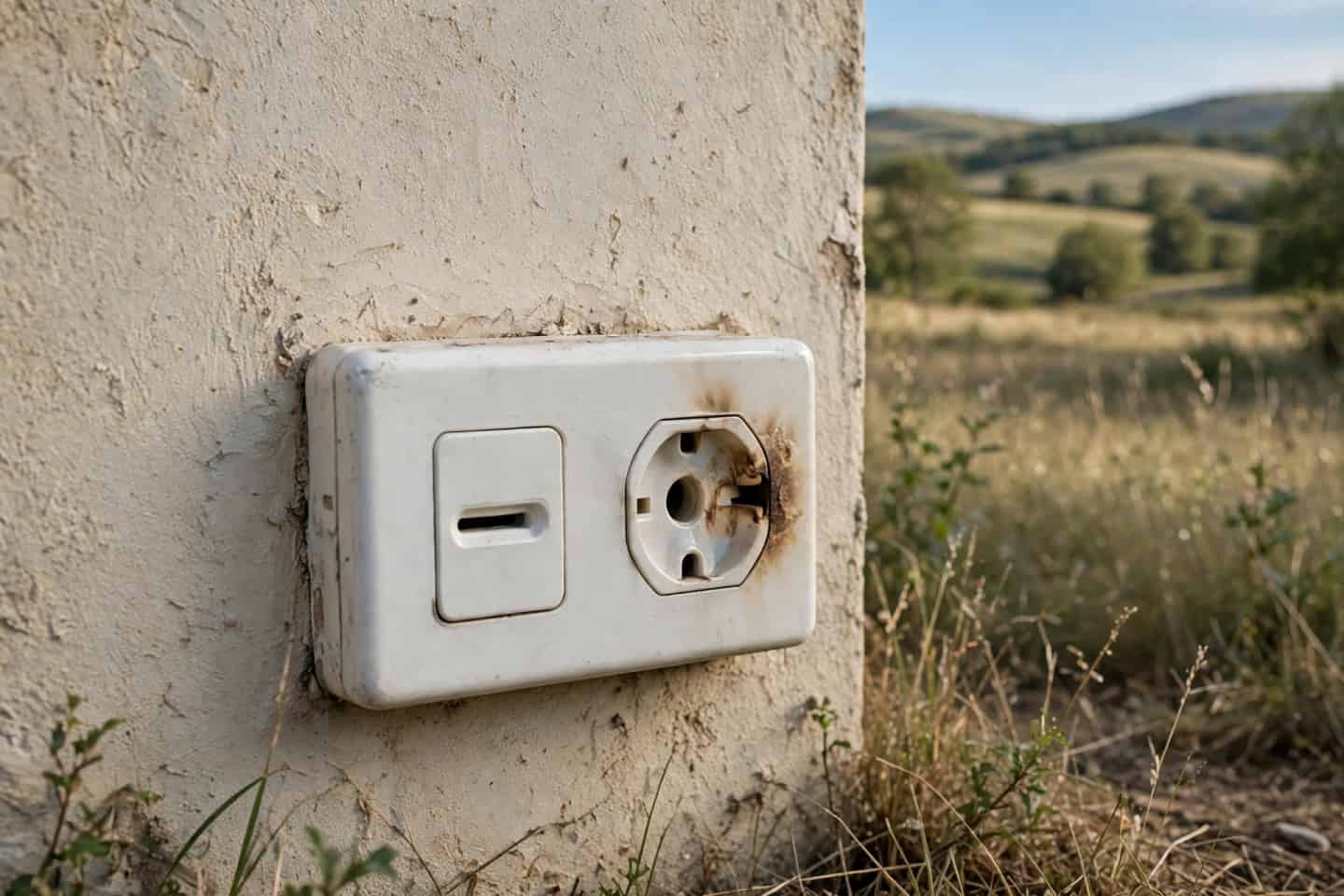
Stop using it immediately and switch off its breaker. Scorch marks mean the outlet has overheated, usually from a loose connection, a worn receptacle, or an overloaded plug. The wiring behind it may also be damaged, so the box should be opened and inspected by an electrician.Electrical components involved: Burnt or Scorched Outlet
- Receptacle (outlet)
- The device whose spring contacts grip plug blades; worn or loose contacts create resistance and heat at the face of the outlet.
- Terminal screws and push-in connections
- Where the branch-circuit wires attach to the receptacle; a loose or backstabbed connection is one of the most common sources of localized heating.
- Branch circuit conductors
- The hot and neutral wires feeding the outlet; their insulation can harden, crack or melt when the connection beside them overheats.
- Circuit breaker
- Protects the wire from overcurrent, but a loose connection can overheat while drawing normal current, so the breaker may never trip.
- Electrical box
- Contains the splices and the device; a plastic box can deform from heat, and crowded boxes make connections harder to keep tight.
- Arc-fault circuit interrupter (AFCI)
- Where installed, designed to detect certain arcing patterns on a circuit and open it, adding protection beyond a standard breaker.
Common causes
- Loose terminal connections
- Worn contacts that no longer grip plugs
- High-draw heaters or appliances
- Damaged cord plugs
What you can safely check
- 1Turn off the breaker feeding the outlet
- 2Unplug anything connected
- 3Do not reuse it until inspected
Stop and call an electrician when
- Any visible burn mark or melting
- Smell of burning plastic
What you are seeing, what it likely means, what to do
| What you notice | Likely meaning | Next step |
|---|---|---|
| Smoke, flames or glowing inside the outlet | Active electrical fire or arcing | Leave the room, get everyone out and call 911 |
| Fresh scorch mark with a burning plastic smell | The connection is overheating now | Switch off the breaker if safe to reach, keep clear and call an electrician |
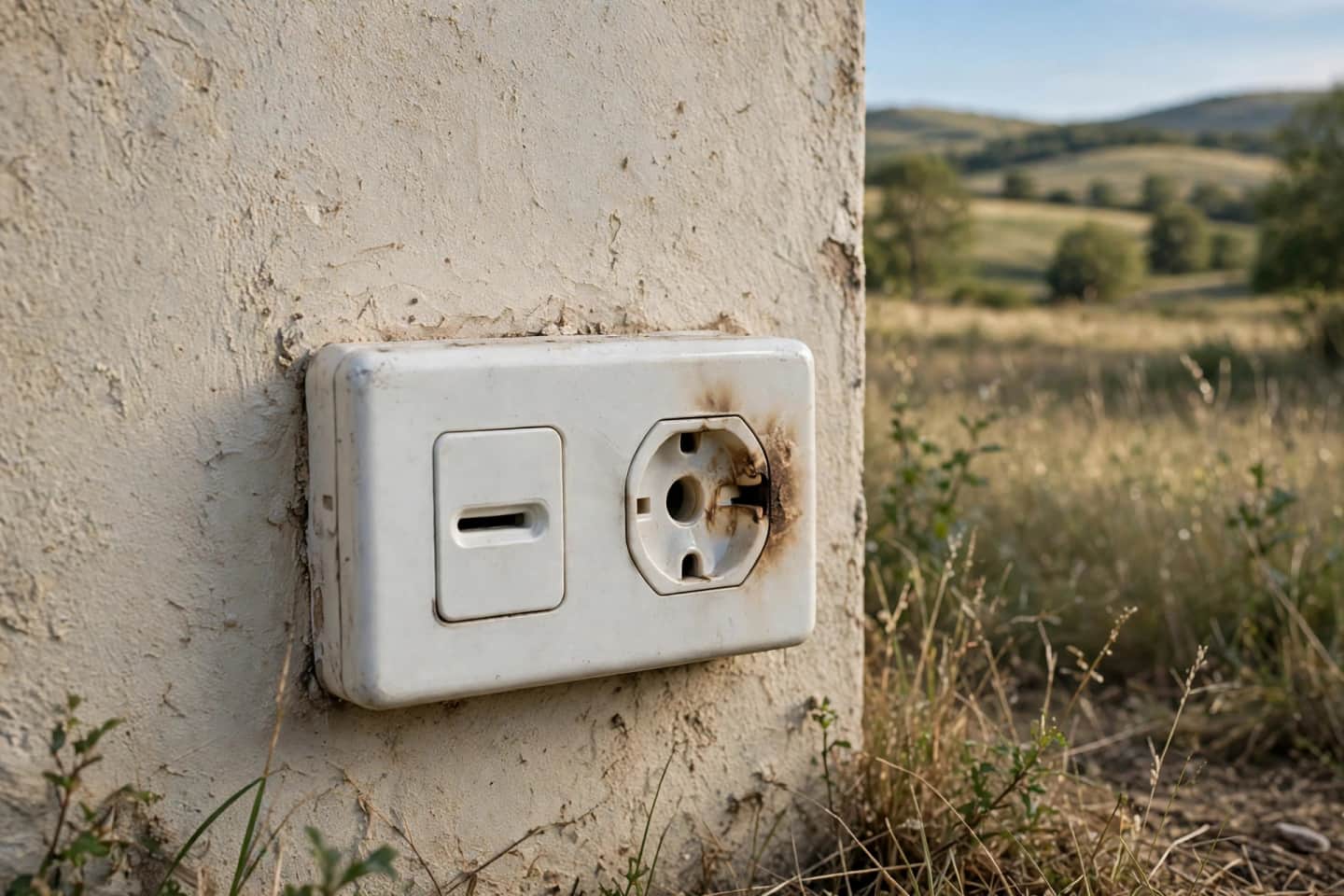
| Old brown discoloration around one slot | Past overheating from worn contacts or a loose plug | Stop using it, turn off the circuit and have it inspected |
| Melted or blackened appliance plug | Heat at the plug-to-outlet contact | Do not use the appliance or outlet until both are checked |
| Plug falls out or feels loose in the outlet | Receptacle contacts have lost their grip | Avoid high-draw loads there and call to have it replaced |
| Faceplate warm with nothing plugged in | Possible loose connection feeding outlets further along | Turn off the circuit and call an electrician |
What to do the moment you notice scorch marks
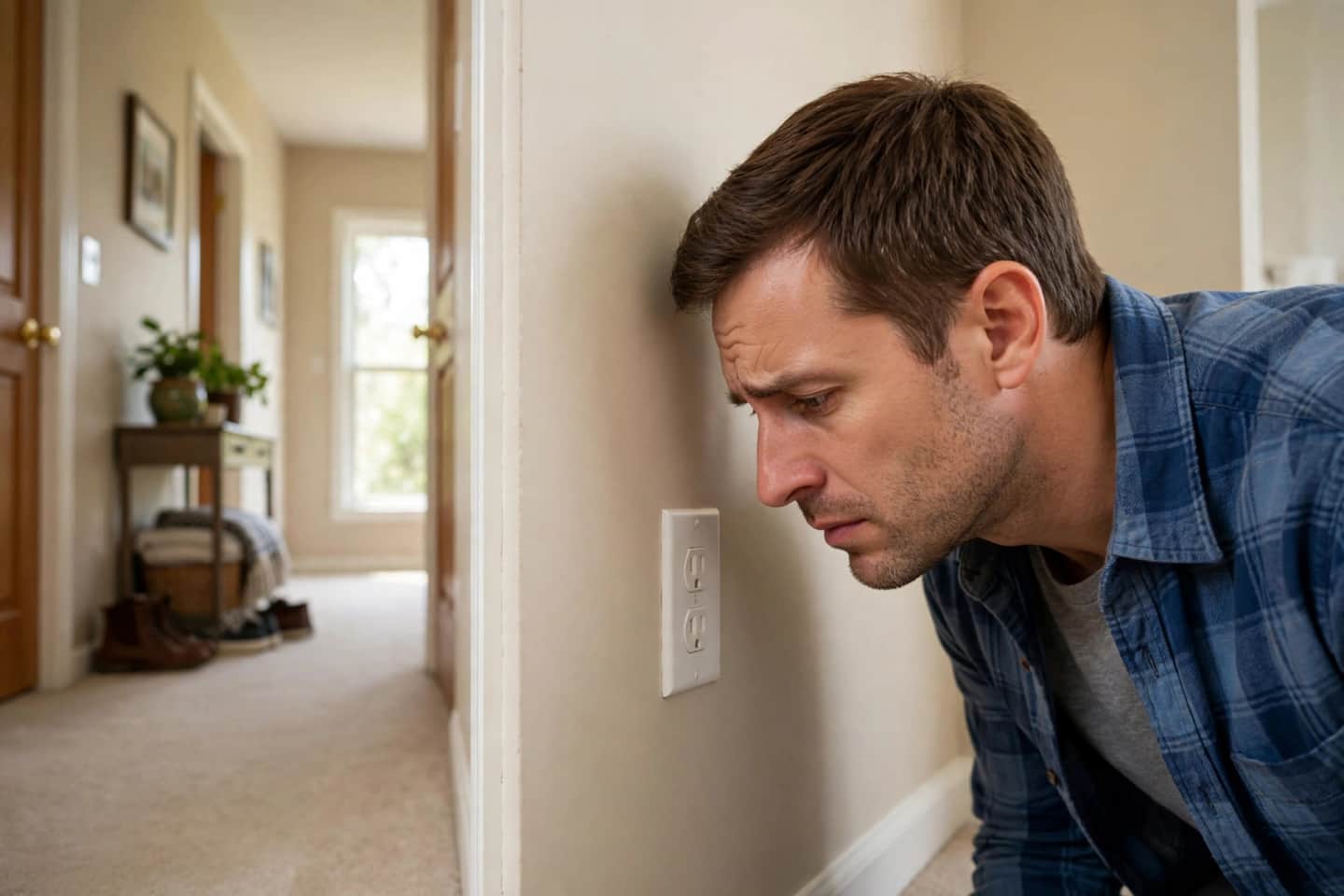
If you see smoke, flames or glowing inside the outlet, leave the room, get everyone out and call 911. If there is no smoke but the mark is fresh or the outlet smells of burning plastic, keep your hands off the faceplate. Unplug the cord only if the plug is cool and you can grip it without touching the outlet. Then switch off the breaker that feeds that outlet, or the main, but only if the panel is dry and easy to reach. Leave the circuit off and call an electrician; do not remove the cover yourself.
Loose terminal connections: the most common cause
Every time a plug is pushed in and pulled out, the receptacle flexes slightly. Over years, screws can back off and wires inserted into push-in (backstab) holes can lose contact pressure. A loose joint has higher resistance, and under load that resistance turns into heat concentrated in a very small spot. The heat oxidizes the metal, which raises resistance further, so the problem tends to get worse rather than settle. Because the current itself is normal, the breaker usually sees nothing wrong.
Worn contacts, damaged plugs and high-draw appliances
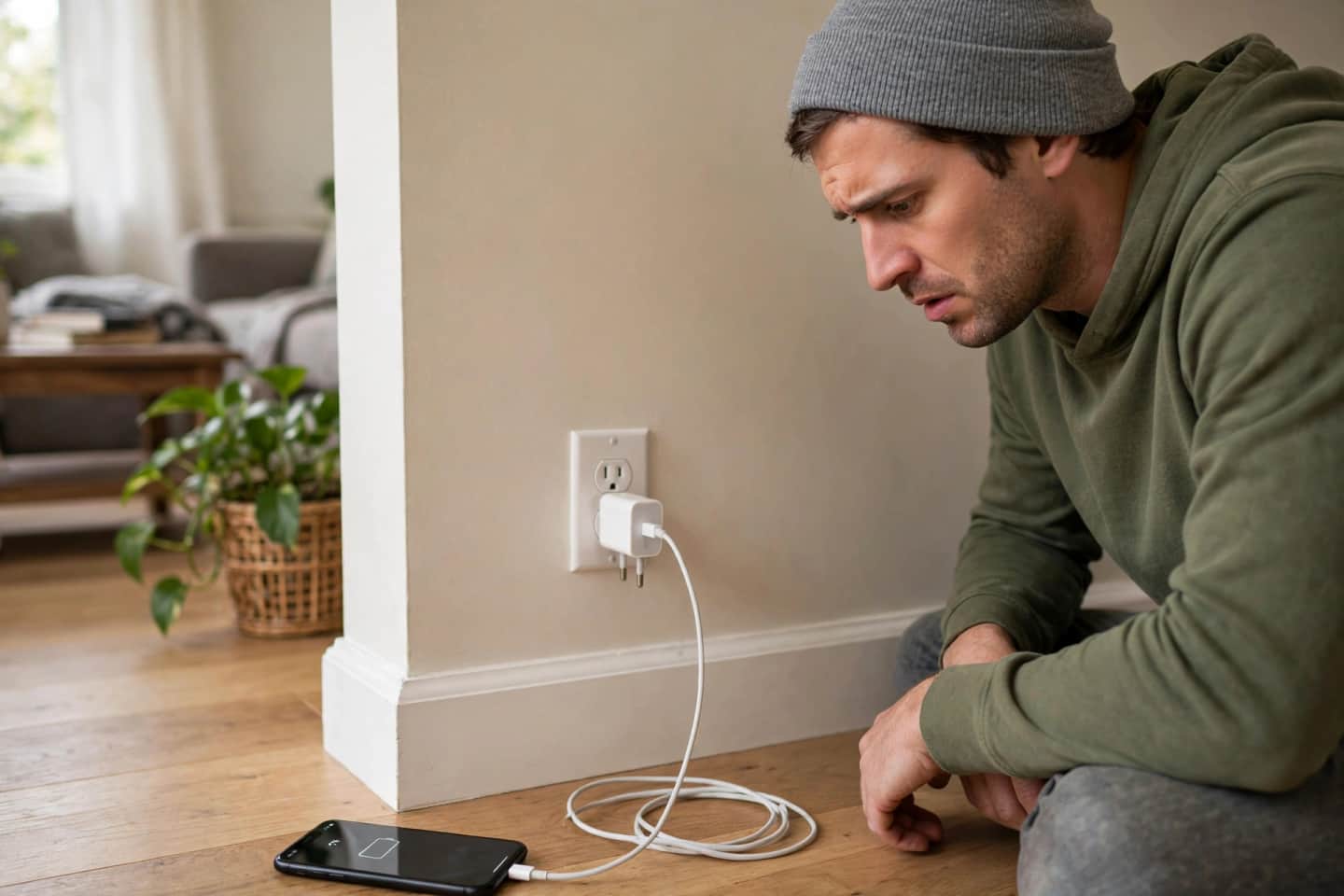
If a plug slides in with almost no resistance or falls out on its own, the receptacle contacts have lost their grip. A partial contact between blade and spring creates the same heating effect as a loose screw, right at the face of the outlet, which is why scorching often starts around one slot. Bent or corroded plug blades do the same thing from the cord side. Space heaters, window air conditioners, hair dryers and similar appliances draw heavy current for long periods, so any weak point in that path heats fastest when they are running.
How an electrician diagnoses a burnt outlet
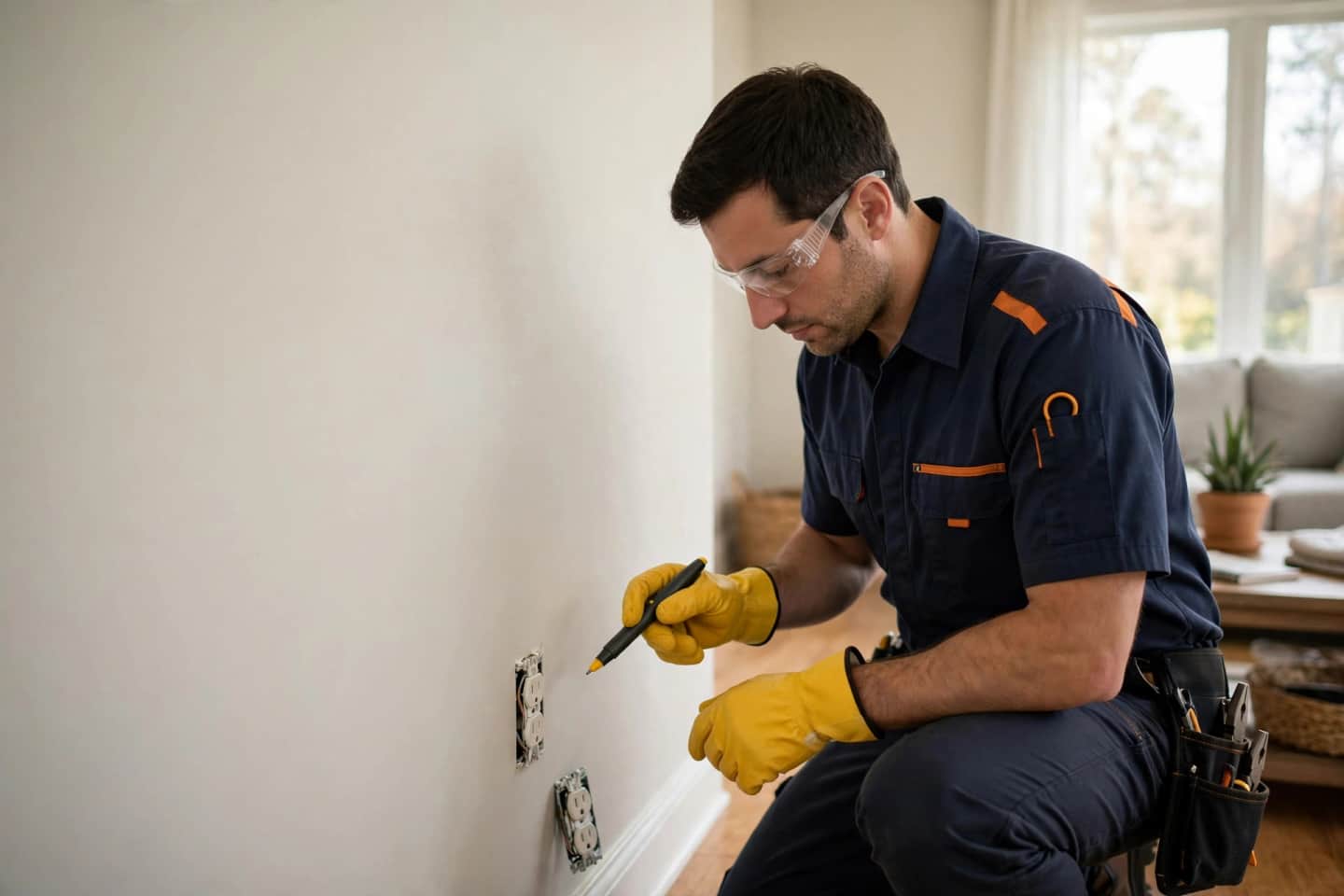
With the circuit off and verified dead, the electrician removes the device and looks at each terminal, the wire ends and the insulation running back into the box. They check whether the wires were backstabbed or under screws, whether aluminum or copper conductors are present, and whether the box shows heat damage. They also look at what was plugged in, since a damaged appliance plug can scorch a new outlet just as quickly. Other outlets on the same circuit may be opened too, because a loose connection upstream can feed heat to several devices.
Why a scorched outlet is a fire risk
Scorching means plastic near live metal has already reached temperatures high enough to discolor or melt. Insulation that has been cooked loses its flexibility and its ability to keep conductors apart, which raises the chance of arcing inside the wall where nobody can see it. An outlet that still works is not proof that it is safe; overheating connections can carry power for some time before they fail. Treat the mark as a warning that the circuit should stay off until it has been inspected.
Repair or replacement: what usually gets fixed
A receptacle with visible burn marks is replaced, not cleaned. If the wire ends are discolored or brittle, the electrician typically cuts them back to clean copper and makes fresh connections, provided there is enough length left in the box. Damaged insulation further along the cable, a melted box, or heat damage at several points can mean replacing a section of wiring or the box itself. If heavy appliances regularly use that outlet, the electrician may also look at whether the circuit is suited to the load.
What happens during the service call
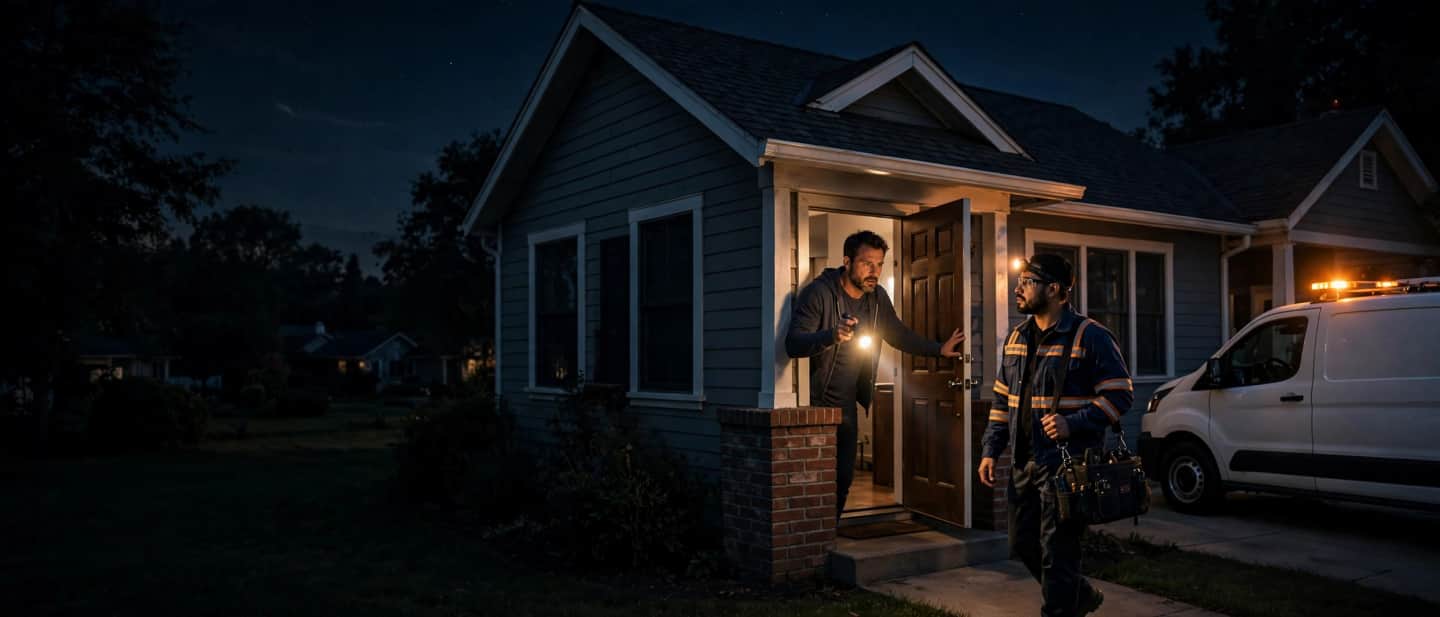
When you call (855) 679-2483 you are connected with an independent licensed electrician who serves your area. Describe what you saw, whether there was smoke or a smell, what was plugged in, and whether the breaker is off. On site, the electrician confirms the circuit is de-energized, inspects the outlet and wiring, explains what they found, and outlines the repair before doing the work. Pricing is set by the electrician, so ask them directly about costs once they have seen the damage.
Preventing outlets from overheating again
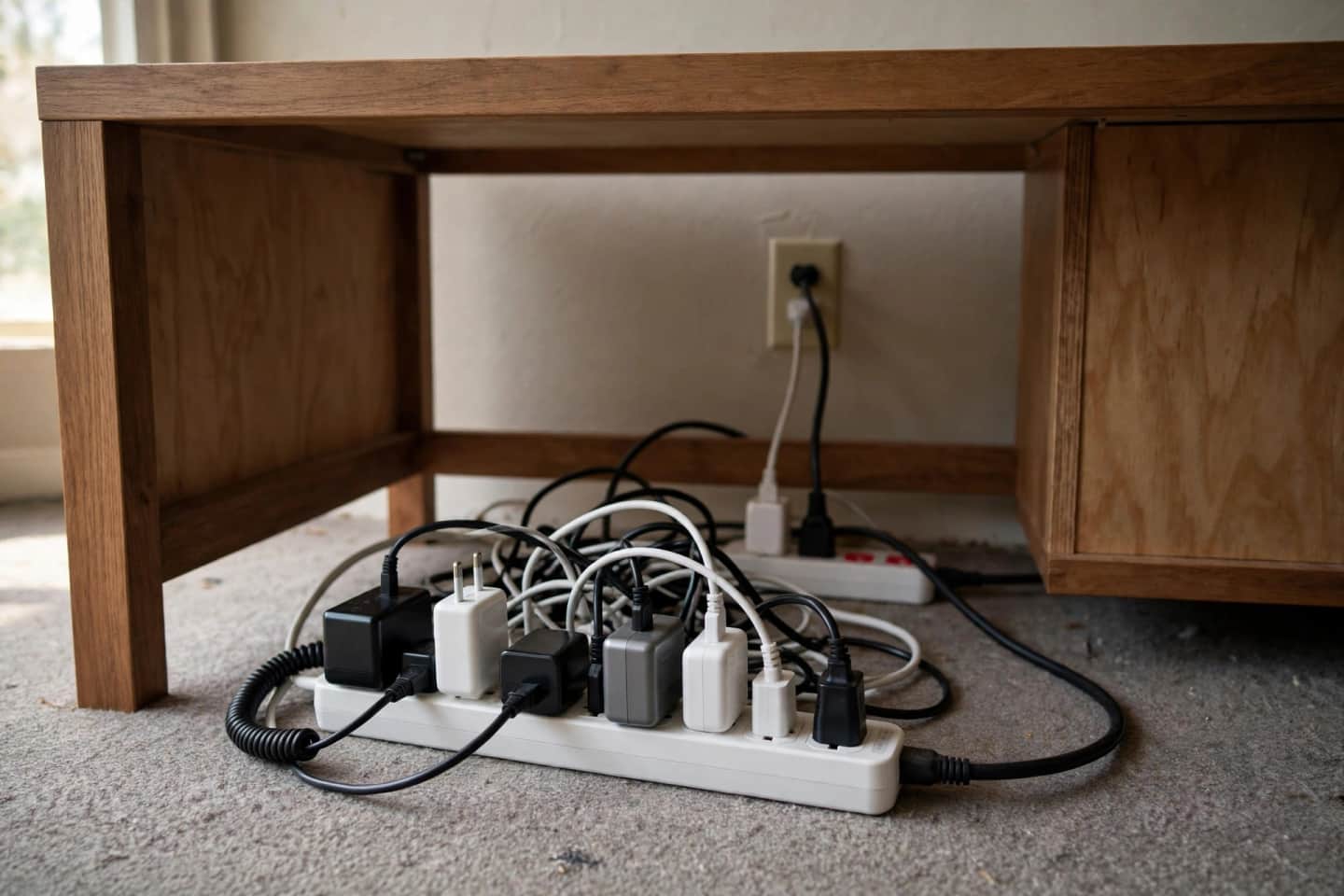
Plug high-draw appliances directly into a wall outlet rather than an extension cord or power strip, and avoid running several of them on the same circuit at once. Replace cords with bent, loose or discolored plugs. Pay attention to outlets that no longer hold a plug firmly, faceplates that feel warm, or lights that flicker when an appliance starts; those are early signs worth having checked. When outlets are replaced, ask the electrician about connecting wires under terminal screws rather than push-in holes.
Related problems that often appear with scorched outlets
A burning smell from an outlet frequently comes before visible scorching, and both point to the same overheating connection. A dead outlet nearby can mean a loose connection in the chain has failed completely. Flickering lights on the same circuit may indicate a loose neutral or hot connection somewhere along the run. Overloaded power strips and extension cords are a common contributor, especially with heaters. Each of these deserves attention on its own, and together they suggest the whole circuit should be checked.
Questions people ask about burnt or scorched outlet
What should I do if an outlet has burn marks?
Stop using it immediately and switch off its breaker. Scorch marks mean the outlet has overheated, usually from a loose connection, a worn receptacle, or an overloaded plug. The wiring behind it may also be damaged, so the box should be opened and inspected by an electrician.
Who do I call if my outlet has burn marks?
Call a licensed electrician; if there is smoke or fire, call 911 first. You can call (855) 679-2483 to be connected with an independent licensed electrician near you. Before they arrive, keep the outlet unused and switch off its breaker if you can reach the panel safely.
Is it dangerous if an outlet is scorched but still works?
Yes, it is still dangerous. Scorching shows the outlet has already overheated, and the connection or wiring behind it may be damaged even though power still flows. Overheating connections can keep working until they fail or ignite nearby material, so leave the circuit off until it is inspected.
Why did my outlet burn when the breaker never tripped?
Breakers respond to too much current, not to heat at a single loose connection. A loose terminal or worn contact can overheat while the circuit draws a normal amount of power, so the breaker has no reason to trip. That is why visible burn marks need an inspection even without tripping.
Can I just replace a burnt outlet myself?
It is better to have an electrician do it. Swapping the receptacle does not address damaged wire ends, cooked insulation or a heat-damaged box, and those are often where the real problem sits. An electrician will de-energize the circuit, inspect the wiring and repair whatever caused the heat.
Can a space heater cause an outlet to burn?
Yes, space heaters are a common factor. They draw heavy current for hours, so any loose connection or worn contact in the outlet heats up quickly. Plug heaters directly into a wall outlet, never a power strip, and stop using any outlet that feels warm or shows discoloration.
Editorial note: general safety information, not a substitute for an on-site evaluation by a licensed electrician.