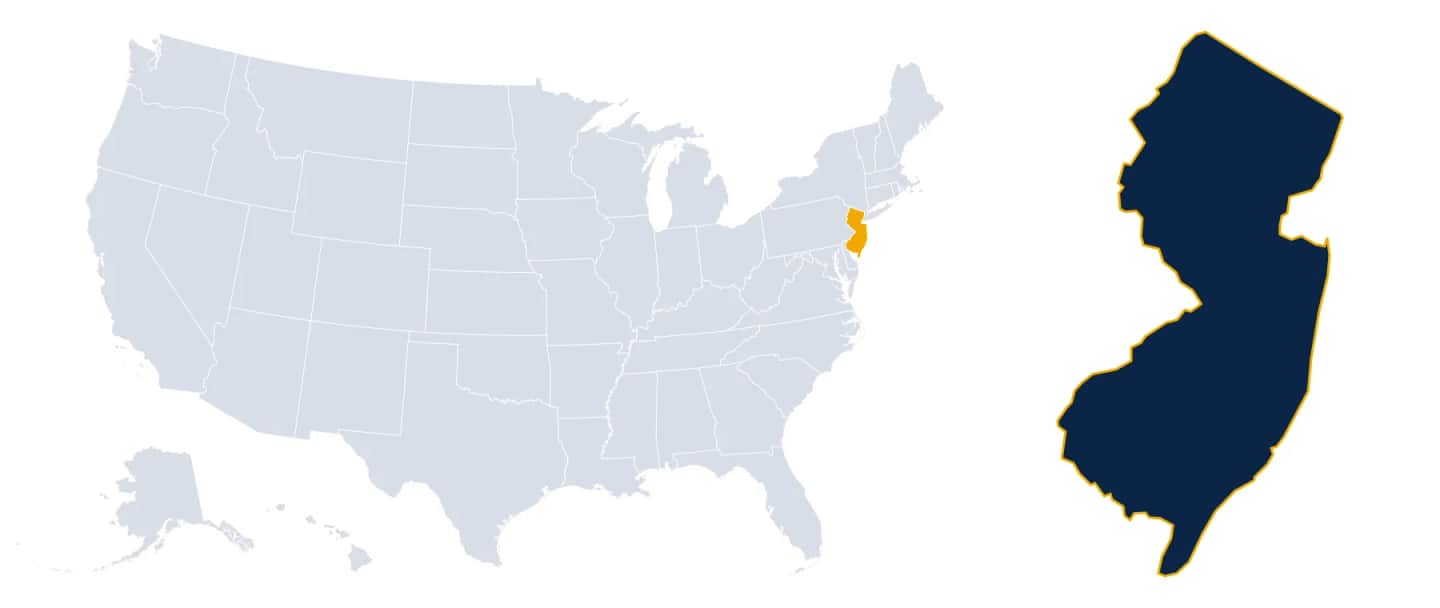
New Jersey is densely built, old in its cities and directly exposed to Atlantic storms. Superstorm Sandy reshaped the Jersey Shore in 2012, and the remnants of Hurricane Ida in 2021 caused deadly basement flooding in North Jersey. Electrical contractors are licensed by the state, and every job runs through the local construction office’s electrical subcode official.
What New Jersey weather does to electrical systems
The hazards that drive the most electrical calls here, and how homeowners prepare for them.
Hurricanes and tropical storms
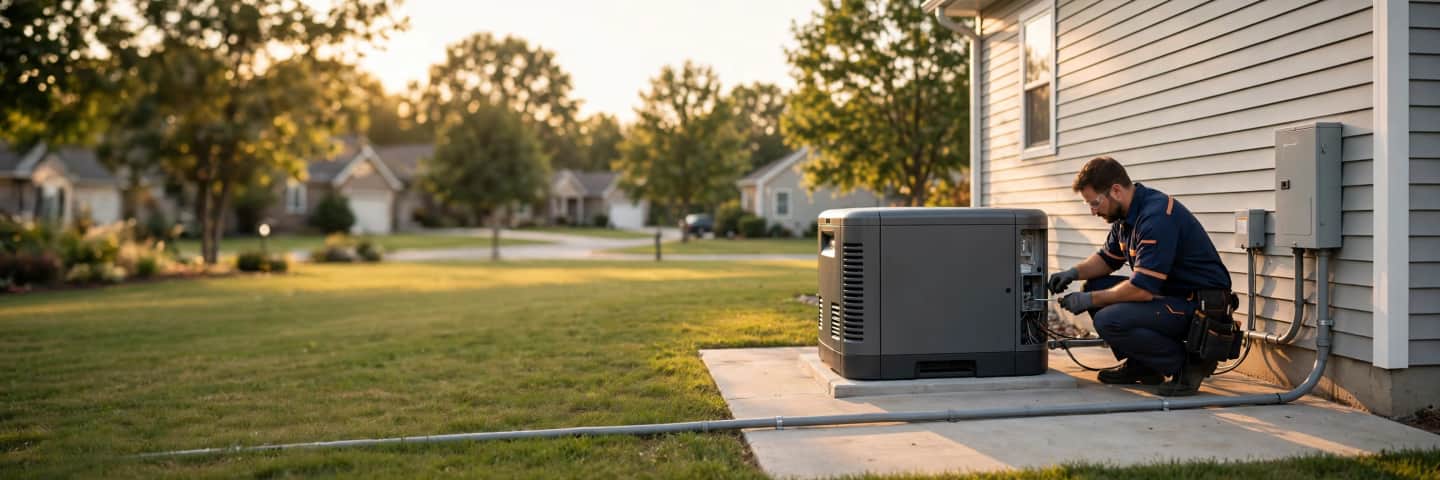
Long outages make backup power a priority. Standby generators with automatic transfer switches, or portable generators connected through a listed interlock, keep refrigeration, sump pumps and medical equipment running. Any equipment that was submerged must be inspected before re-energizing.
Electrical equipment that has been underwater — panels, outlets, breakers, appliances — generally must be replaced, not dried and reused. Do not re-energize a flooded home until an electrician has inspected it.
Heavy snow and wind cause outages when heating demand is highest. Generators, dedicated circuits for space heaters, and heat-tape circuits with GFCI protection are common winter projects. Avoid running heaters through extension cords or power strips.
Salt air corrodes exterior meter bases, disconnects, outdoor receptacles and AC disconnects faster than inland. Corrosion-resistant enclosures and periodic inspection of exterior connections extend their life.
Public Service Electric and Gas (PSE&G) is the largest utility, serving much of North and Central Jersey, including Newark, Jersey City, Paterson, Elizabeth, Trenton and many suburbs. Jersey Central Power & Light, part of FirstEnergy, serves large areas of central and northern New Jersey including much of the northern shore. Atlantic City Electric serves South Jersey. A handful of municipal utilities and a rural cooperative serve the rest.
New Jersey has retail electric choice, but the utility owns the wires and meter and sets the rules for service upgrades, meter relocations and storm reconnection.
Licensing and the Uniform Construction Code
Electrical contractors in New Jersey are licensed by the Board of Examiners of Electrical Contractors, and only licensed contractors may perform electrical work for others. You can verify a license through the state’s online lookup.
New Jersey’s Uniform Construction Code applies statewide. Each municipality has a construction office, and electrical permits are reviewed and inspected by its electrical subcode official. Panel upgrades, new circuits, generators, EV chargers and solar systems require permits.
Sandy and the Jersey Shore
In October 2012, Superstorm Sandy flooded barrier islands and bay communities from Sandy Hook to Cape May, and millions of customers lost power. Thousands of shore homes were later elevated on new foundations, which required relocating meters, panels, air conditioning equipment and service entrances above flood levels.
Electrical equipment that has been underwater must be replaced. When elevating or renovating in a flood zone, raising panels, outlets and equipment above the design flood elevation reduces future damage, and salt air at the shore makes corrosion-resistant exterior equipment essential.
Ida, basements and inland flooding
The remnants of Hurricane Ida in September 2021 brought record rainfall to North and Central Jersey. Floodwater filled basements and basement apartments in cities such as Passaic and Elizabeth, with tragic loss of life, and a tornado struck South Jersey. Many basements contain panels, water heaters and furnaces.
If water reaches basement electrical equipment, keep power off to that area and have it inspected. Backup power for sump pumps and relocating panels out of flood-prone basements are common post-flood upgrades.
Storms, trees and outages
Nor’easters, ice storms and tropical storms such as Isaias in 2020 bring down trees on lines across New Jersey’s wooded suburbs. Service drops pulled from houses and bent masts must be repaired by an electrician before the utility will reconnect. Standby generators running on natural gas are common in the suburbs, and portable generators must be connected through a listed interlock or transfer switch.
Older housing in New Jersey
Jersey City and Hoboken brownstones, Newark and Paterson multifamily houses, Trenton rowhouses and Victorian homes in towns like Montclair and Cape May often contain knob-and-tube wiring, fuse panels and undersized services. Post-war suburbs across Bergen, Middlesex, Monmouth and Burlington counties have ranch homes, capes and split-levels on original 100-amp panels.
Two- and three-family houses are common in North Jersey cities, with separate meters and panels for each unit and shared basements.
Solar, EVs and electrification
New Jersey has one of the highest concentrations of rooftop solar in the country relative to its size, and EV adoption is strong, especially in the suburbs. State programs encourage heat pumps, EV chargers and building electrification. These additions often push older services to their limits, so a load calculation should come first.
In dense cities where residents park on the street, home charging may not be possible without a driveway or garage, and condo associations must approve chargers in shared garages.
Regional differences
North Jersey combines dense older cities, basement flooding and wooded suburbs prone to tree-related outages. Central Jersey has fast-growing suburbs and a mix of PSE&G and JCP&L territory. The Jersey Shore deals with flood elevation, salt air and seasonal rentals. South Jersey and the Pine Barrens are more rural, with wells, farms and Atlantic City Electric service.
Shore rentals and seasonal homes
Summer rentals along the shore see heavy use and quick turnovers. Owners often schedule electrical checks before the season to catch corroded outdoor outlets, failing GFCI devices, damaged exterior lighting and overloaded circuits from window air conditioners. Elevated homes have exterior stairs, decks and under-house areas that need wet-location fixtures and protected outlets.
Elevating a shore home
After Sandy, many shore homeowners raised their houses onto new foundations to meet flood elevation requirements and reduce insurance costs. Elevation projects require disconnecting the service, relocating the meter and panel to a platform or wall above the design flood elevation, extending feeders and reconnecting air conditioning condensers and water heaters on raised platforms. The utility must approve the new meter location, and the local electrical subcode official inspects the work before power is restored.
Smoke, CO and fire extinguisher certificates
When a New Jersey home is sold or rented to a new tenant, the seller or landlord generally must obtain a certificate showing compliance with smoke alarm, carbon monoxide alarm and portable fire extinguisher requirements, issued by the local fire official or construction office. Many towns also require their own resale certificates of occupancy. Missing or outdated smoke and CO alarms are common reasons for failing, and an electrician can install hardwired interconnected alarms where required.
Multi-family houses in North Jersey
Two- and three-family houses in cities such as Jersey City, Bayonne, Union City, Newark and Paterson usually have a separate meter and panel for each unit, with common lighting and laundry on a house panel. Converting heating to heat pumps, adding air conditioning or upgrading a unit’s panel can require changes at the shared meter bank and coordination with the utility, so owners often plan service work for the whole building at once.
Basement units and safety
The deaths in basement apartments during Ida drew attention to units that lack safe exits, alarms and proper wiring. Any finished basement used for living space needs adequate egress, smoke and carbon monoxide alarms, GFCI protection where required, and wiring installed under a permit. Panels and water heaters located in flood-prone basements are often best relocated during renovation.
Heat pumps through New Jersey winters
Cold-climate heat pumps can heat most New Jersey homes through typical winters, and state programs encourage them. Many homeowners keep their existing gas or oil system as backup during the coldest days, while others go fully electric with resistance backup heat. Fully electric systems can draw heavy current during cold snaps, so the panel, breakers and service must be sized for the worst day of the year, not an average one.
Surge protection and summer storms
Summer thunderstorms and the outage-and-restoration cycles that follow them send surges through home wiring. Heat pump and furnace control boards, sump pump controllers, garage openers and electronics are the usual casualties. A whole-home surge protective device at the panel, combined with point-of-use protection, limits that damage at modest cost.
Common electrical calls in New Jersey
Frequent requests include generator and transfer-switch installations, sump pump backup, panel and service upgrades for EV chargers and heat pumps, flood-damaged equipment replacement, rewiring older homes, storm repairs to service drops, and solar-related panel work. Shore owners often book work in the off-season, before rentals resume in late spring.
Working with an electrician in New Jersey
Verify the contractor’s state license, confirm that a permit will be filed with your municipal construction office, and get a written scope. For service upgrades and storm repairs, ask how the electrician will coordinate with PSE&G, JCP&L, Atlantic City Electric or your municipal utility. In flood zones, ask how the work will meet elevation requirements.
Electrical licensing and permits in New Jersey are set by state and local authorities. The electrician confirms what applies to your project.
Services
Most requested in New Jersey
Ranked by how many of this state’s climate risks each service addresses.
Connect with an independent licensed electrician near you
Smoke, flames or sparking? Leave the building and call 911 first.
Pronto Electrician is a free referral service. Calls are answered by independent licensed electricians in your area. Pronto Electrician does not perform electrical work, and the electrician you choose sets the price, schedule, permits and warranty.
Free to call · All 50 states + DC
Talk to a licensed electrician in New Jersey
Describe the problem and get connected with an independent licensed electrician who serves your area.