Short answer
Knob-and-tube wiring, common before the 1940s, has no ground, aging insulation and was designed to shed heat into open air. It is often unsafe when buried in insulation or modified over time. Many insurers require replacement, and an electrician should evaluate any active circuits.Electrical components involved: Knob and Tube Wiring
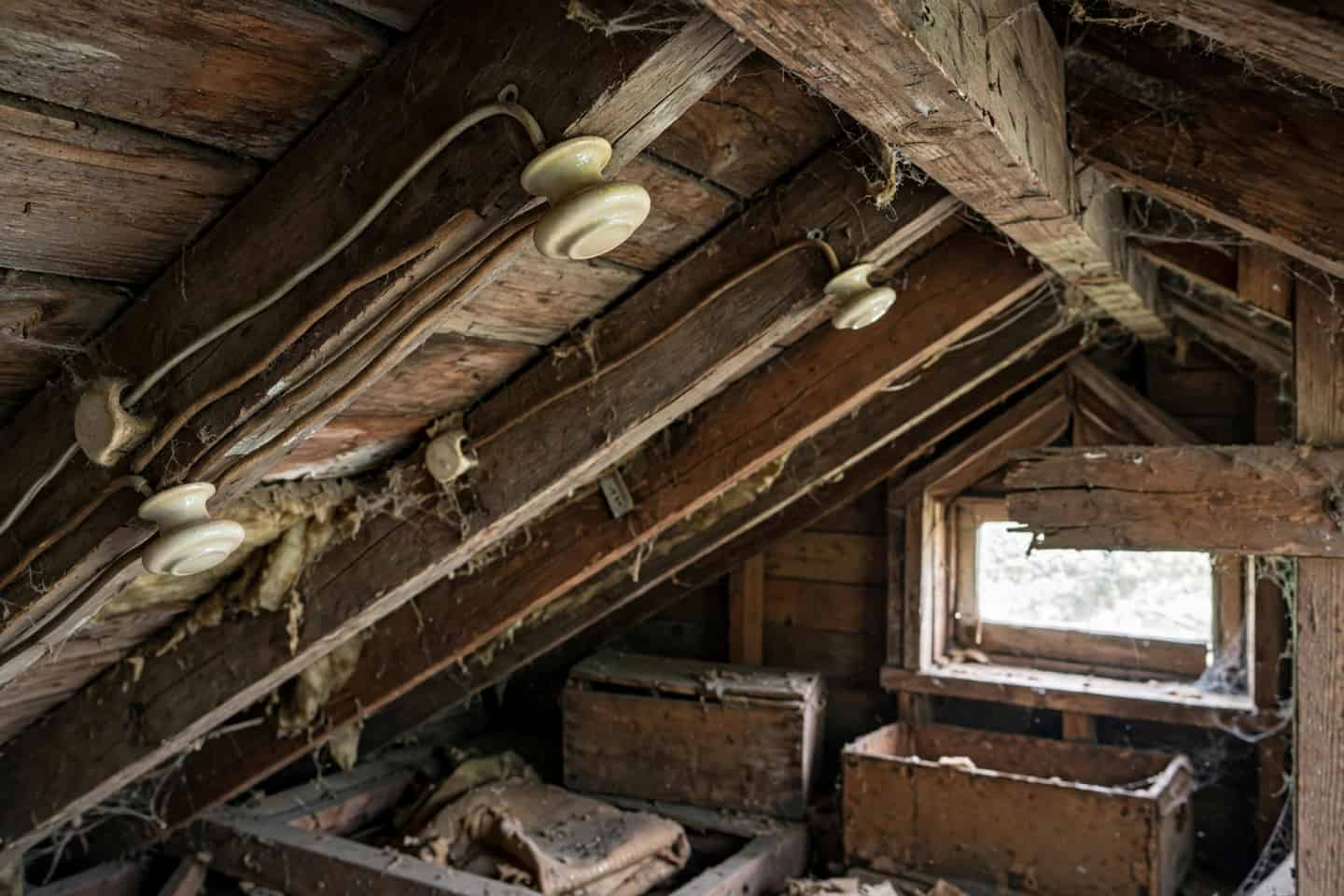
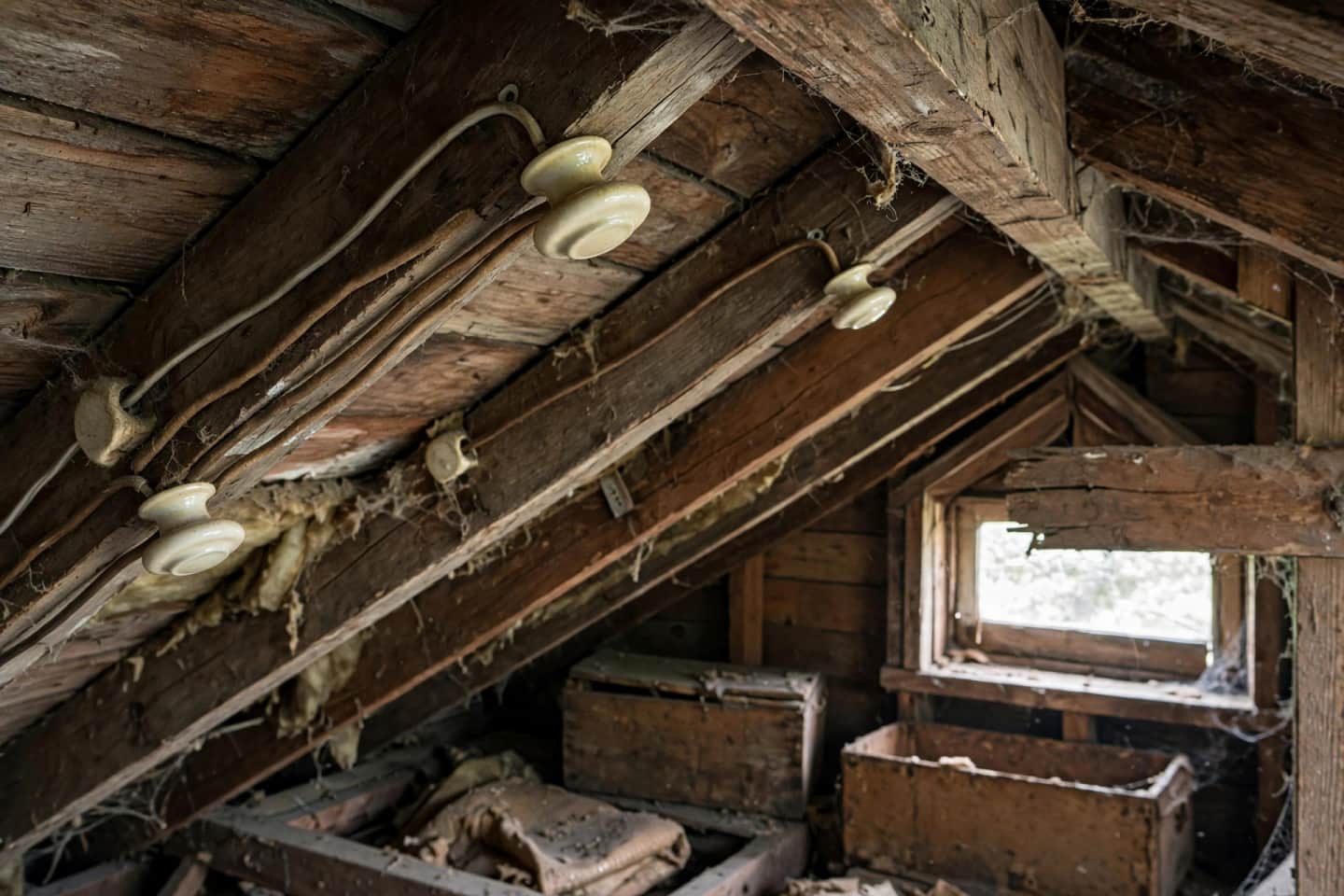
- Ceramic knobs and tubes
- Knobs hold the conductors away from framing; tubes protect the wires where they pass through joists and studs. Cracked or missing pieces let wires touch wood.
- Separate hot and neutral conductors
- The two wires run apart from each other in open air so heat can escape. Covering them with insulation or bundling them traps that heat.
- Rubber and cloth insulation
- The original sheathing becomes brittle with age and heat, and can crack or flake when disturbed, exposing bare copper.
- Soldered and taped splices
- Original connections were soldered and wrapped; later amateur splices made without junction boxes are a common failure point.
- Grounding conductor (absent)
- Knob-and-tube has no ground wire, so three-prong outlets on these circuits are not properly grounded unless protected or rewired.
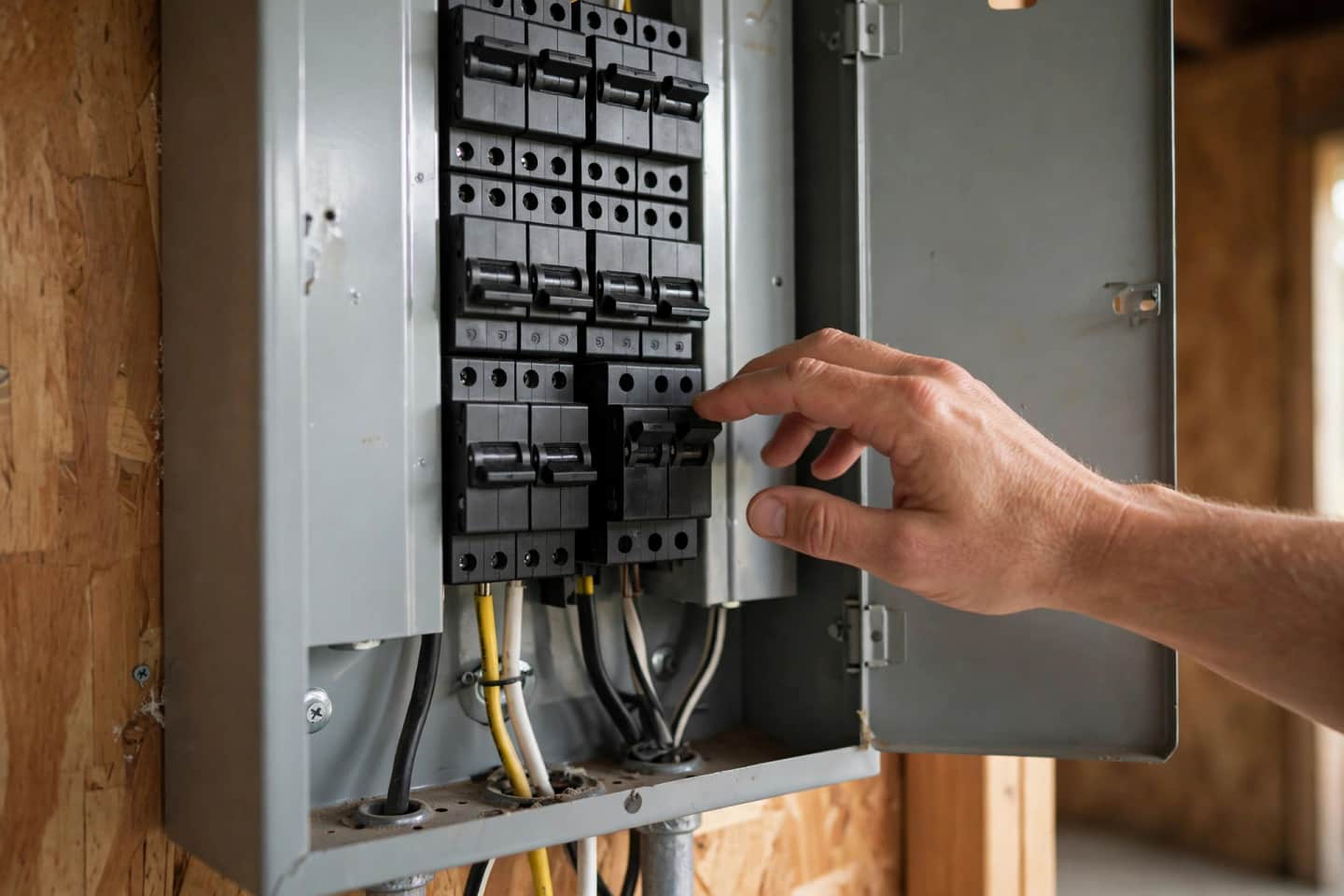
- Fuses or circuit breakers
- Overcurrent protection sized for the old wire. Oversized fuses or breakers let the wire overheat before anything trips.
Common causes
- Original wiring in pre-1940s homes
What you can safely check
- 1Do not add insulation over it
- 2Look for ceramic knobs in attics or basements
Stop and call an electrician when
- Any active knob-and-tube is present
What you are seeing, what it likely means, what to do
| What you notice | Likely meaning | Next step |
|---|---|---|
| Ceramic knobs seen in the attic or basement | Original wiring that may or may not still be live | Leave it undisturbed and call an electrician to test and map it |
| Insulation has been blown over old wiring | Live wires may be running hotter than designed | Do not add more; have an electrician evaluate it promptly |
| Fuses keep blowing or someone installed larger fuses | Circuits are overloaded or protection is oversized | Do not upsize fuses; call an electrician to correct the protection |
| Warm switch plates, flickering or a burning smell | A failing splice or damaged insulation may be overheating | Turn off the circuit if safe to reach and call an electrician; call 911 for smoke |
| Insurer or buyer’s inspector flagged knob-and-tube | Documentation or replacement is likely required | Call an electrician for a written assessment and rewiring scope |
How to Tell If Your Home Still Has Knob-and-Tube Wiring
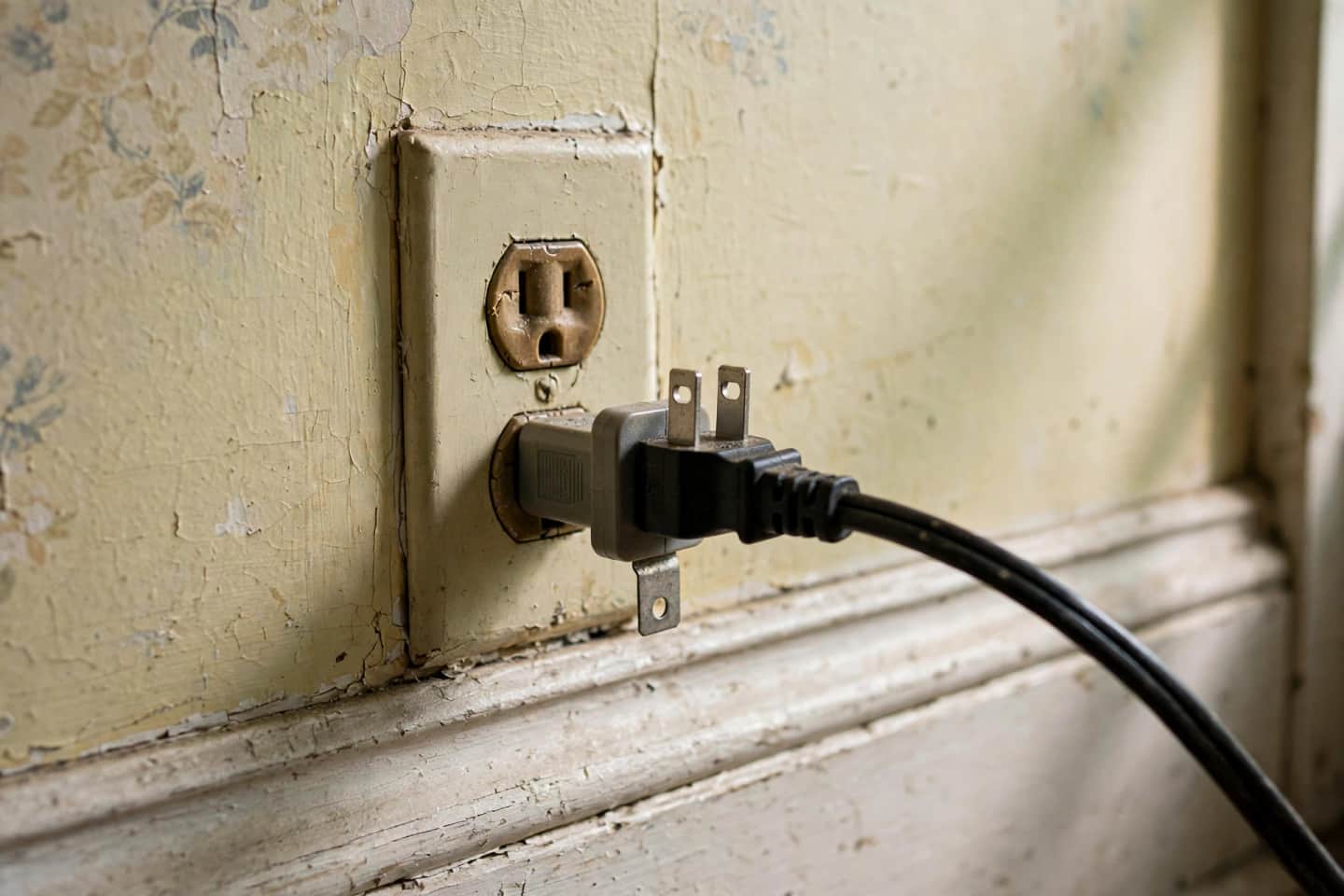
Look, without touching anything, in unfinished basements and attics. Telltale signs are white ceramic knobs nailed to joists, ceramic tubes running through framing, and single cloth-covered wires spaced several inches apart rather than bundled in one cable. Two-prong outlets, push-button switches and a fuse box can also hint at it. Finding old knobs does not prove the wiring is live; many homes were partly rewired and the abandoned runs left in place. Only testing by an electrician confirms which circuits are still energized.
Why Age and Brittle Insulation Create Risk
The wire itself is usually sound copper, but its rubber-and-cloth insulation has spent many decades heating and cooling. Over time it dries out, cracks and can crumble when the wire is moved. Bare conductors near wood framing, dust or debris are an obvious concern, and areas that get hot, such as attics or near light fixtures, tend to show the worst deterioration. This is why electricians caution against handling or pulling on these wires, even when they look intact from a distance.
Building Insulation Buried Over the Wires
Knob-and-tube was designed to release heat into free air. When loose-fill or batt insulation is installed over it, that heat has nowhere to go, and the conductors run hotter than intended. Many local codes restrict or prohibit covering energized knob-and-tube with insulation unless an electrician has evaluated it first. If you are planning an energy upgrade, have the wiring inspected before insulation goes in, and never blow insulation into walls or attics where live knob-and-tube remains.
Amateur Modifications, Overfusing and Missing Grounds
Decades of ownership often add problems the original installer never created: splices made without junction boxes, newer cable tapped onto old runs, and fuses swapped for larger ones so they stop blowing. An oversized fuse lets the old wire carry more current than it should. Because there is no ground wire, three-prong outlets added to these circuits may look grounded but are not, which removes protection for people and equipment. Homes built before modern kitchens and electronics also simply ask more of these circuits than they were designed for.
How an Electrician Evaluates Knob-and-Tube
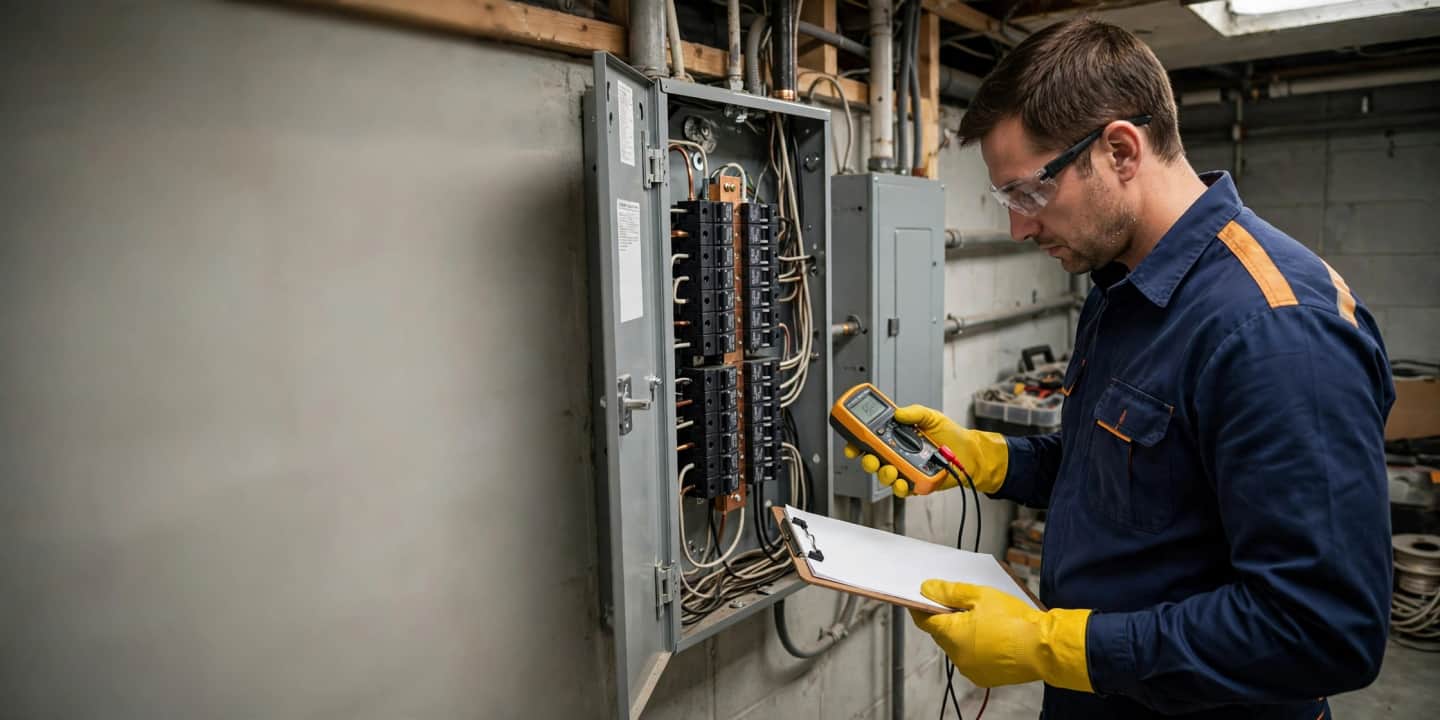
An evaluation usually starts at the panel or fuse box, mapping which circuits still feed knob-and-tube and checking that fuse or breaker sizes match the wire. The electrician then inspects accessible runs in attics and basements for cracked insulation, damaged knobs, buried sections and unsafe splices. Outlets and switches are tested for polarity and grounding. You should come away with a clear picture of what is live, what condition it is in, and which areas are the priority.
Repair, Partial Rewire or Full Replacement
Not every home needs to be rewired at once. Where the wiring is in reasonable condition and unmodified, an electrician may correct overfusing, repair bad splices and add GFCI protection to ungrounded outlets as an interim step. More often, the practical long-term answer is replacing knob-and-tube with modern grounded cable, starting with the most heavily used rooms such as kitchens and bathrooms. A full rewire also makes room for dedicated circuits and AFCI or GFCI protection that current codes expect.
Insurance, Home Sales and Inspections
Some insurance companies decline to write or renew policies on homes with active knob-and-tube, or ask for an electrician’s evaluation first. Home inspectors commonly flag it, which can affect a sale or a buyer’s financing. Requirements vary by insurer and lender, so ask your agent exactly what documentation they need. A written assessment from a licensed electrician describing which circuits are live and their condition is usually the most useful document to have on hand.
What to Expect During a Rewiring Service Call
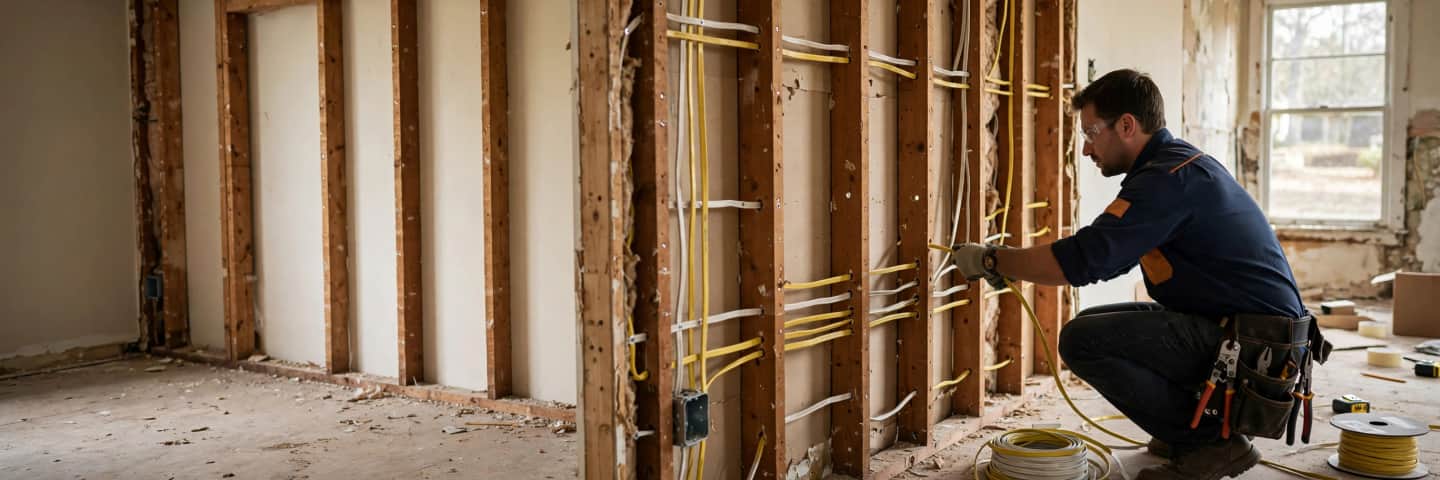
When you call (855) 679-2483, you are connected with an independent licensed electrician who serves your area. Expect an on-site assessment first, then a scope and price for the work you choose. Rewiring an occupied home is typically done room by room, fishing new cable through existing walls and ceilings with small access openings rather than tearing out plaster. Permits and inspections are usually required, and old runs are disconnected so they cannot be confused with live wiring later.
Living Safely With It Until Replacement
Until the work is done, avoid disturbing the wiring, do not store items against it in the attic, and keep insulation off it. Do not replace blown fuses with larger ones, and spread heavy loads like space heaters and window air conditioners away from old circuits. If you notice flickering lights, warm switch plates, scorched outlets or a burning smell, treat it seriously. For smoke or fire, get everyone out and call 911; otherwise switch off the circuit only if you can do so safely and call an electrician.
Questions people ask about knob and tube wiring
Do I need to replace knob and tube wiring?
Knob-and-tube wiring, common before the 1940s, has no ground, aging insulation and was designed to shed heat into open air. It is often unsafe when buried in insulation or modified over time. Many insurers require replacement, and an electrician should evaluate any active circuits.
Do I have to replace knob and tube wiring?
Not always immediately, but most homeowners eventually do. Intact, unmodified knob-and-tube can keep working, yet it has no ground, its insulation is aging, and it cannot be covered with insulation. Insurers, lenders and modern electrical needs often push the decision. An electrician can tell you whether repairs are reasonable for now or whether replacement should come first.
Is knob and tube wiring dangerous?
It can be, depending on its condition. The biggest dangers come from brittle insulation, building insulation buried over the wires, unsafe splices added over the years, oversized fuses and the lack of a ground. Wiring that has been left alone in open air is lower risk than wiring that has been modified. Only an inspection tells you which describes your home.
Who do I call about knob and tube wiring?
Call a licensed electrician, not a handyman or insulation contractor. An electrician can test which circuits are still live, check their condition and write up repair or rewiring options. Call (855) 679-2483 to be connected with an independent licensed electrician who serves your area and can evaluate the wiring in person.
Can I put insulation over knob and tube wiring?
You should not cover live knob-and-tube with insulation unless an electrician has evaluated it and your local code allows it. The wiring was designed to shed heat into open air, and burying it can make it run hotter. Have the wiring inspected or replaced before any attic or wall insulation project begins.
Will my insurance cover a house with knob and tube wiring?
It depends on the insurer. Some companies decline or limit coverage on homes with active knob-and-tube, while others accept it after an electrician’s inspection. Ask your agent what they require, then have a licensed electrician provide a written assessment of the wiring’s condition or a plan for replacing it.
Can I just add three-prong outlets to knob and tube?
Not by simply swapping the outlet. Knob-and-tube has no ground wire, so a three-prong outlet on it is not actually grounded. An electrician may install GFCI protection labeled “No Equipment Ground” as an interim measure, or run new grounded circuits. Either way, it is work for a licensed electrician.
Editorial note: general safety information, not a substitute for an on-site evaluation by a licensed electrician.