Extreme heat
Air conditioning runs near continuously, stressing panels, breakers and connections. Heat pumps, pool equipment and EV chargers add to the load, making load calculations and panel capacity checks important before adding equipment.
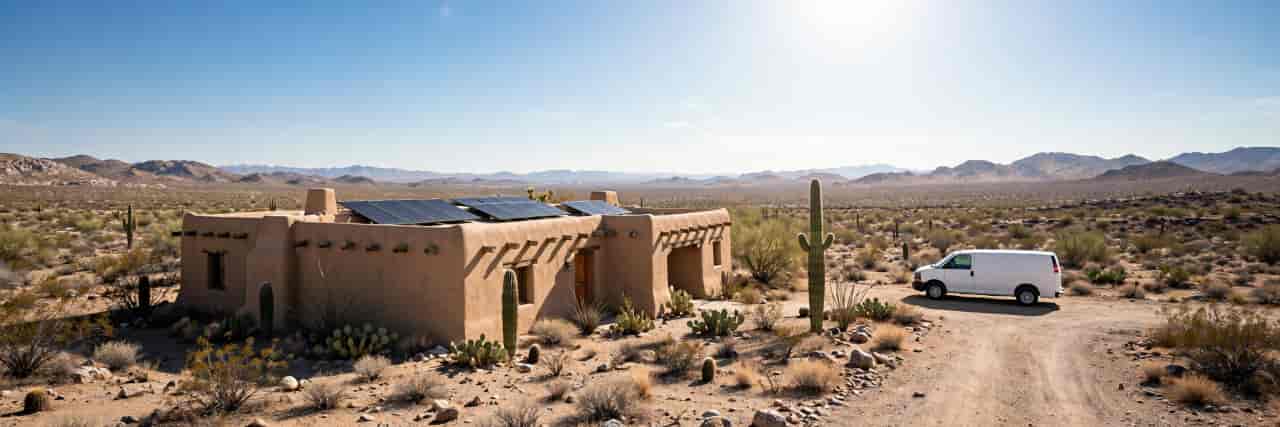
In Arizona, air conditioning is a life-safety system. Phoenix recorded 31 straight days at or above 110°F in July 2023, and electrical failures in summer can quickly become dangerous. Monsoon storms bring dust, wind and intense lightning from July through September, and rooftop solar, pools and EV chargers add to the load on homes built during the state’s long building boom.
Free to call · Independent licensed electricians
By calling, you agree to be connected with an independent electrician, who may call or text you back about your request at the number you call from. Calls may be recorded for quality and routing. Consent is not a condition of any purchase, and you can opt out at any time; message and data rates may apply. Privacy policy.
Climate risks
The hazards that drive the most electrical calls here, and how homeowners prepare for them.
Air conditioning runs near continuously, stressing panels, breakers and connections. Heat pumps, pool equipment and EV chargers add to the load, making load calculations and panel capacity checks important before adding equipment.
Utilities may shut off power during high fire-risk weather. Battery backup or generator systems with proper transfer equipment keep essential circuits running. Exterior electrical equipment and connections should be kept clear of vegetation.
Nearby strikes send surges through power and communication lines. A whole-home surge protective device at the panel, a sound grounding system and point-of-use protection for electronics reduce damage to appliances and HVAC controls.
Cities
Open a city guide for local utilities, permit offices, neighborhoods and the problems electricians see most.
State guide
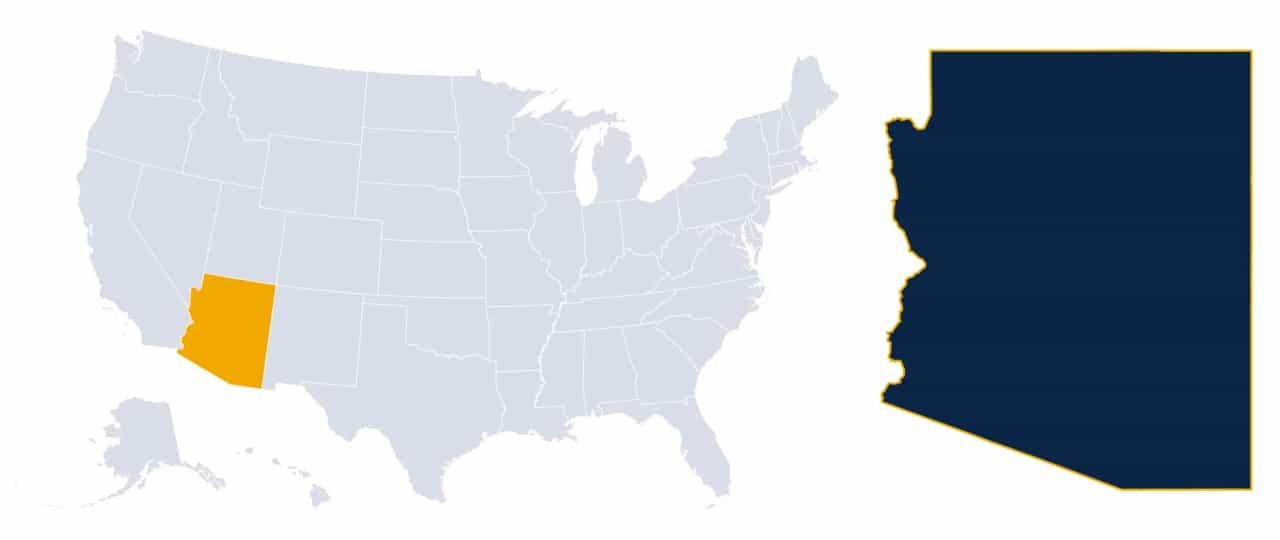
Arizona Public Service serves much of metro Phoenix and large areas of the state. Salt River Project, a public power utility, serves much of the eastern and central Phoenix area. Tucson Electric Power serves Tucson, and UniSource Energy Services serves areas such as Kingman and Nogales. Electric cooperatives serve many rural communities, and some cities and tribal utilities operate their own systems.
Arizona does not have retail choice for homes. Your utility sets the rules for service upgrades, solar interconnection, battery systems and generator connections, and each offers different rate plans that affect when it makes sense to run large loads.
Arizona licenses contractors through the Registrar of Contractors. Electrical contractors hold classifications such as R-11 for residential work, C-11 for commercial work, or a dual license for both. Arizona does not issue a statewide journeyman electrician license, so the contractor license is the main credential to verify. The ROC website shows license status, bonds and complaints.
Cities and counties issue electrical permits and enforce the adopted edition of the National Electrical Code. Panel upgrades, new circuits, EV chargers, solar, batteries and pool equipment require permits.
Summer air conditioning loads stress every part of the electrical system. Breakers, lugs and connections that run hot for months degrade faster, and aluminum service conductors and older panels in 1970s and 1980s homes deserve attention. Warning signs include warm breakers, a burning smell near the panel, flickering lights when the compressor starts, and an AC breaker that trips repeatedly.
Do not keep resetting a tripping AC breaker. Repeated trips can mean a failing breaker, a loose connection or a fault in the air conditioner, and the cause should be found before the next heat wave.
From July through September, monsoon thunderstorms bring towering dust storms, microbursts, flash floods and frequent lightning. Wind damages service drops and masts, and lightning surges destroy air conditioning control boards, pool equipment controllers and electronics.
A whole-home surge protective device at the panel, a sound grounding system and point-of-use surge strips together reduce that damage. Dust also infiltrates outdoor equipment, so exterior disconnects and outlets should be sealed properly.
Backyard pools are common across metro Phoenix and Tucson, and their pumps, heaters, lights and automation require correct bonding and GFCI protection. Older pool installations may not meet current requirements, and sun exposure degrades outdoor wiring and conduit. Outdoor kitchens, misting systems, patio heaters and landscape lighting add circuits that must be suited to wet and sun-exposed locations.
Arizona has abundant sunshine and widespread rooftop solar. Utility rate plans and export credits have changed over time, so many homeowners now pair solar with batteries to use their own power during evening peak hours. Solar and battery systems require permits, utility interconnection approval and sometimes panel upgrades or critical-loads panels.
EV adoption is growing fastest in metro Phoenix. Homes with large air conditioning systems, pools and EV chargers often need a load calculation to see whether their service can carry everything.
Much of metro Phoenix and Tucson was built after 1970, often in large tract developments with block construction, slab foundations and wiring routed through hot attics. Older neighborhoods such as Encanto and Willo in Phoenix and the historic barrios of Tucson have homes from the 1920s through the 1950s with original or partially updated wiring. Manufactured homes and RV parks are common, including seasonal communities for winter residents.
Homeowners associations in many communities have rules about exterior equipment, solar panels and generator placement.
Flagstaff, Prescott and the White Mountains have cold, snowy winters and wildfire risk, and some areas may see utility power shutoffs during extreme fire weather. Rural properties across the state rely on wells, and well pumps stop when the power does, so backup power plans should include them. Long distances mean longer outage restoration times.
Metro Phoenix focuses on heat, pools, solar and EVs. Tucson combines older adobe homes with heat and monsoon storms. Yuma and the western deserts see some of the highest temperatures in the country. Northern Arizona has snow, forests and wildfire. Rural areas have wells, long service runs and cooperatives.
Hundreds of thousands of winter residents spend part of the year in Arizona, leaving homes empty through the hottest months. Empty homes still need air conditioning to protect finishes and electronics, and surges during monsoon storms can damage equipment with no one there to notice. Before leaving, many owners have an electrician check AC circuits and install surge protection; on return, a quick check of the panel, outlets and outdoor equipment catches problems that developed over summer.
Arizona attics can be far hotter than the outside air in summer. Wiring, splices, recessed light housings and attic fans all age faster in that heat, and the insulation on older wiring can become brittle. Circuits that are already heavily loaded run hotter still. When an electrician works in the attic, it is a good time to look for brittle insulation, loose splices and open junction boxes, and early morning is the safest time for that work.
APS and SRP offer rate plans with higher prices or demand charges during late-afternoon and evening peak hours. Scheduling EV charging, pool pumps and water heaters outside those hours lowers bills, and many chargers and smart panels can do this automatically. Load-management devices can also keep an EV charger from running at the same time as the air conditioner, which can avoid a costly service upgrade.
Many Arizona communities are governed by homeowners associations with rules about solar panel placement, generator location, exterior conduit and visible equipment. Arizona law limits HOAs’ ability to prohibit solar, but associations may still set reasonable placement standards. Check your association’s rules before scheduling exterior electrical work.
Manufactured home communities and RV parks are common across Arizona, from Mesa and Apache Junction to Yuma and Lake Havasu City. Homes are typically fed from a meter pedestal through a feeder that is exposed to sun, heat and ground movement, and older units may have panels and wiring that need updating. Many homeowners also add 30- or 50-amp RV outlets so visiting family or their own RV can plug in, which requires a correctly rated circuit and receptacle, not an adapter on a dryer outlet.
Outside the cities, many Arizona properties rely on private wells and irrigation pumps. Pumps have high starting loads, and their controls are sensitive to surges from monsoon lightning. Backup power for the well, surge protection for pump controllers and properly protected outdoor wiring are common needs for rural homes.
Frequent requests include AC circuit and breaker repairs, panel upgrades, surge protection, solar and battery panel work, EV charger installations, pool bonding and GFCI corrections, ceiling fans and outdoor lighting. Spring is the busiest booking window, as homeowners prepare air conditioning circuits before summer heat arrives.
Verify the contractor’s ROC license classification, ask who will pull the permit from your city or county, and get a written scope. For solar, battery and service upgrades, ask how the electrician will coordinate with APS, SRP, TEP or your cooperative. Schedule panel and AC circuit work before summer, when demand and heat make repairs more urgent.
Electrical licensing and permits in Arizona are set by state and local authorities. The electrician confirms what applies to your project.
Services
Ranked by how many of this state’s climate risks each service addresses.
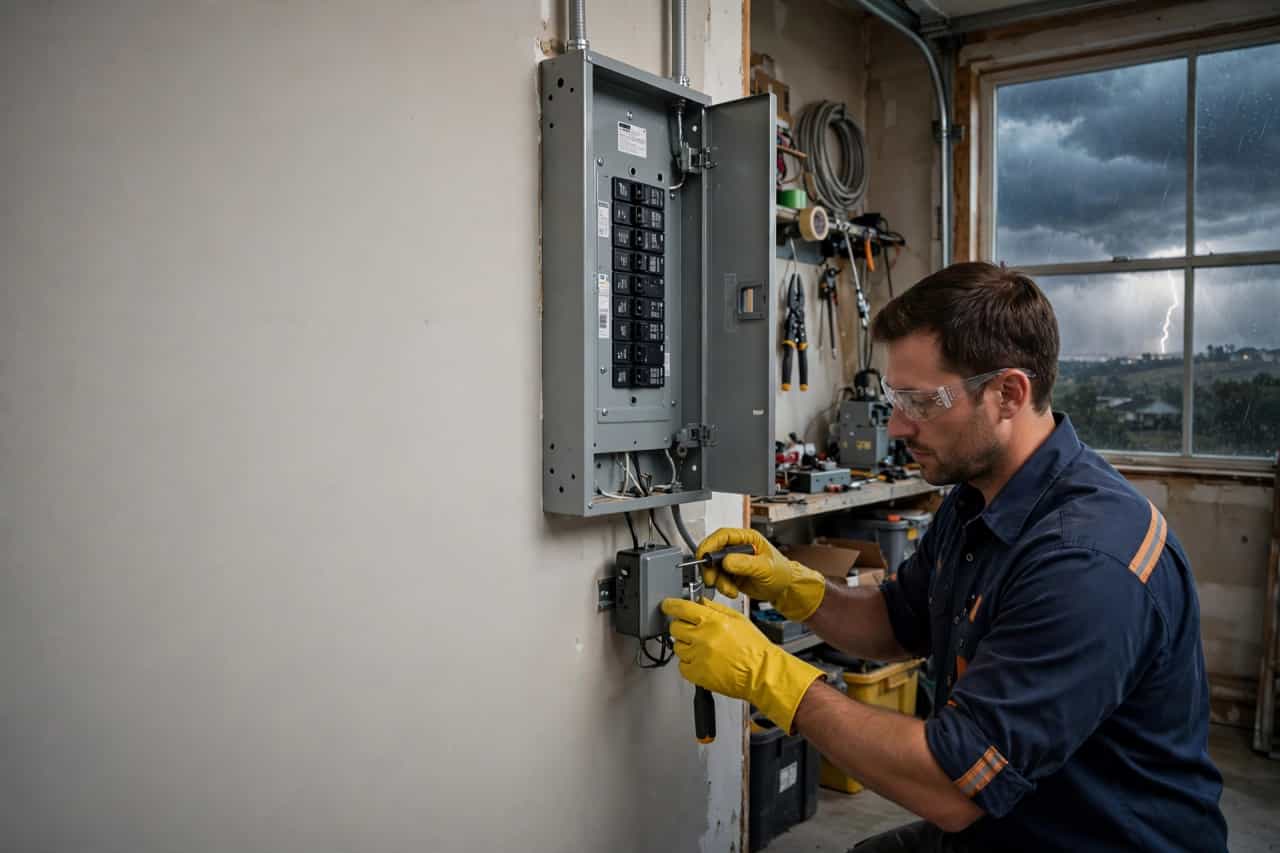
Panel-mounted surge protective devices for the whole home.
Explore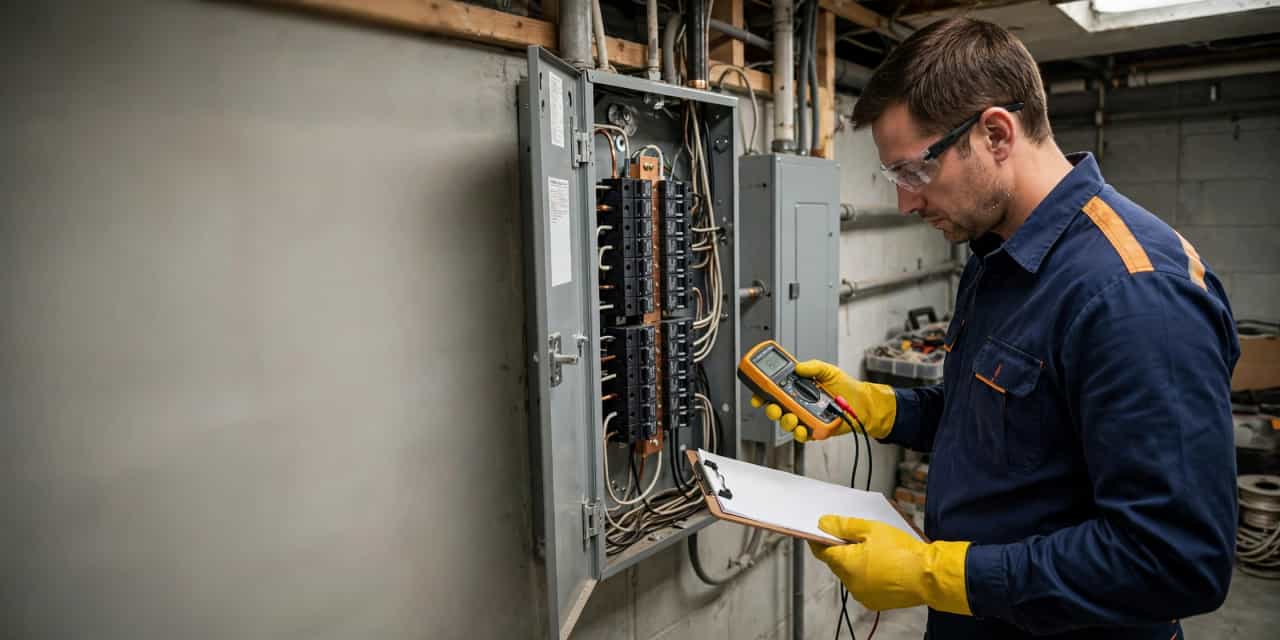
Home-purchase, insurance and safety inspections of electrical systems.
Explore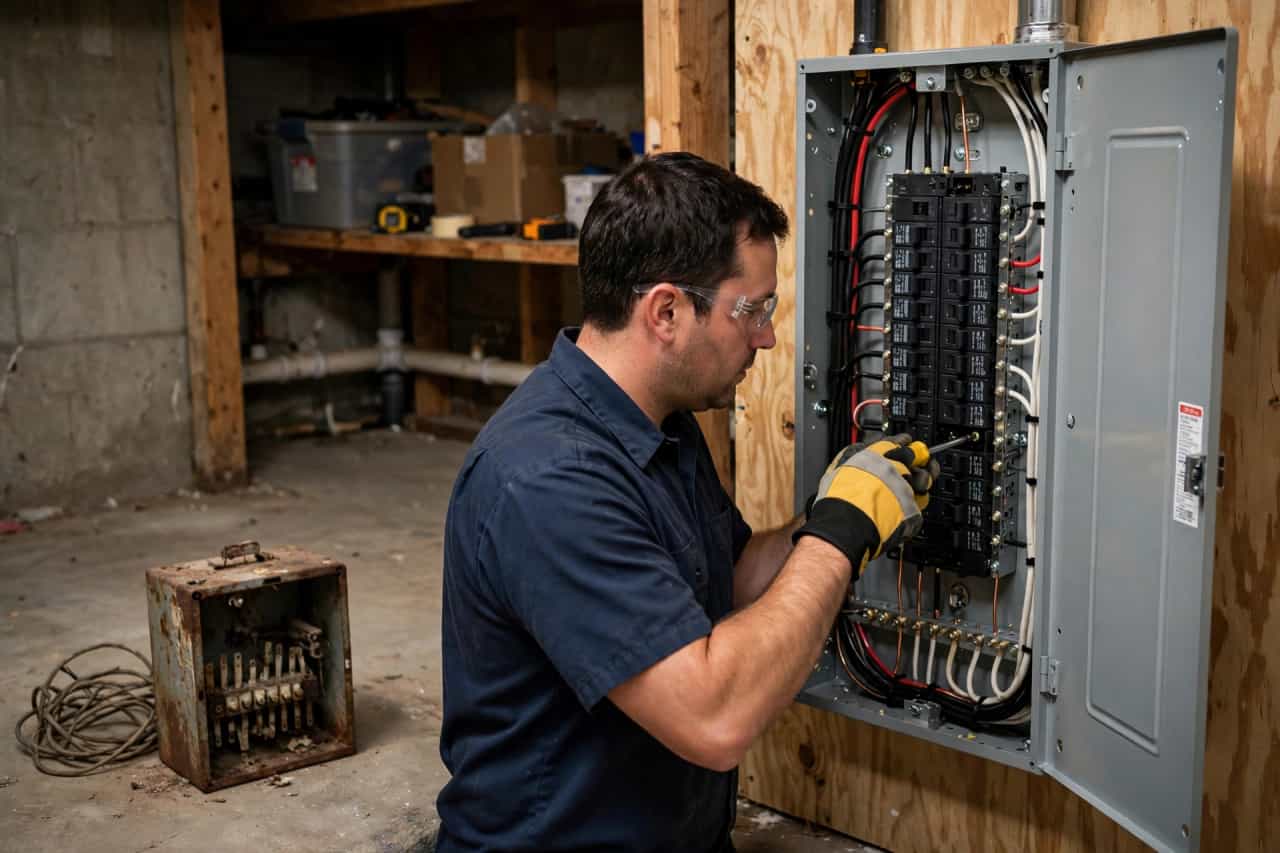
Panel replacements and service upgrades for modern loads, EV chargers and heat pumps.
ExploreCommon electrical problems
Get started
One call connects you with an independent licensed electrician who serves your part of the state.
Same-day help often available
Call for electrical help in Arizona
Tell the electrician what is happening and your city. Calls go to independent licensed electricians who serve your area.
Call (855) 679-2483By calling, you agree to be connected with an independent electrician, who may call or text you back about your request at the number you call from. Calls may be recorded for quality and routing. Consent is not a condition of any purchase, and you can opt out at any time; message and data rates may apply. Privacy policy.
Smoke, flames or sparking? Leave the building and call 911 first.
Pronto Electrician is a free referral service. The electricians you are connected with are independent contractors, not employees or agents of Pronto Electrician. Pronto Electrician does not perform electrical work, and the electrician you choose sets the price, schedule, permits and warranty.
Free to call · All 50 states + DC
Describe the problem and get connected with an independent licensed electrician who serves your area.
By calling, you agree to be connected with an independent electrician, who may call or text you back about your request at the number you call from. Calls may be recorded for quality and routing. Consent is not a condition of any purchase, and you can opt out at any time; message and data rates may apply. Privacy policy.
Free referral to independent electricians. By calling you consent to a callback or text and call recording. Details