Generator Interlock Kit
Safe portable-generator connection through your main panel.
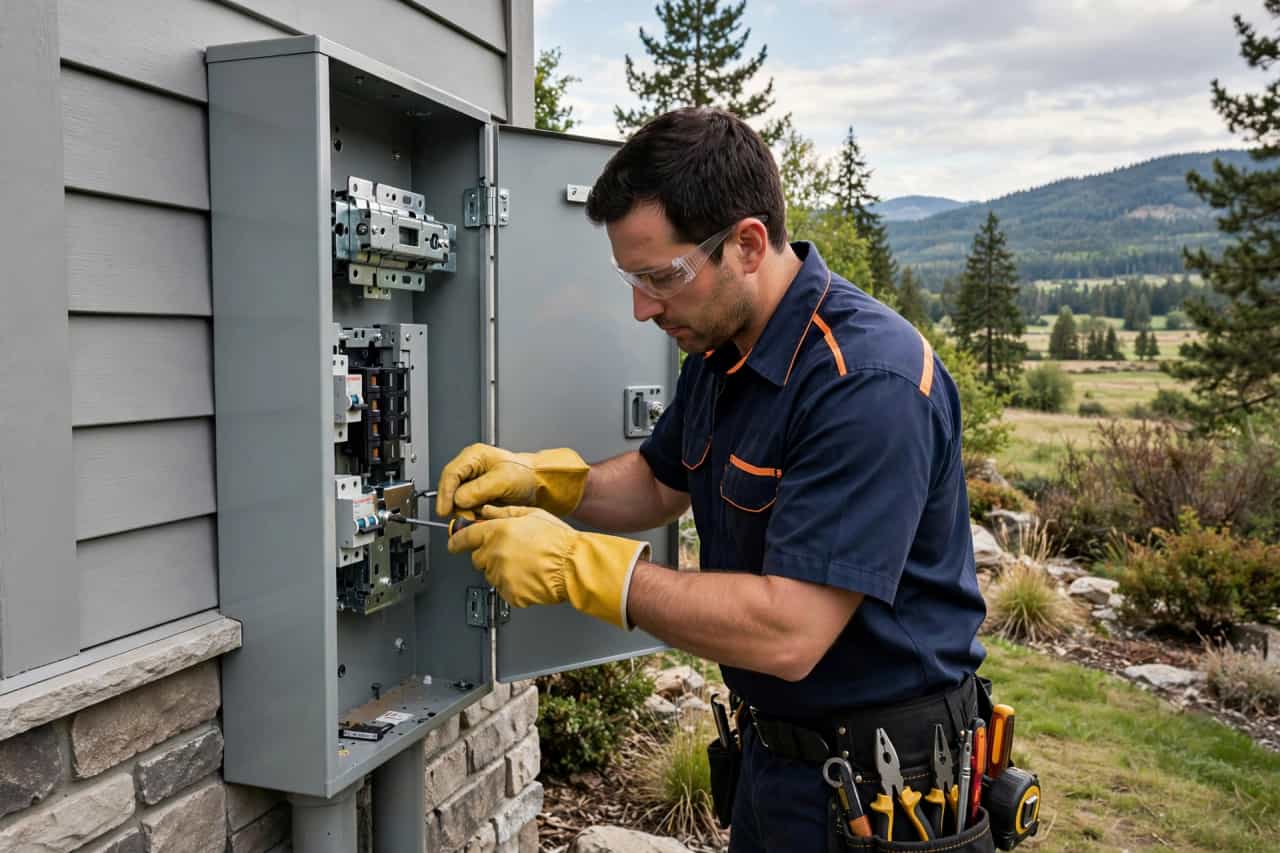
- Listed interlock for your specific panel
- Exterior power inlet box
- Correctly sized generator breaker
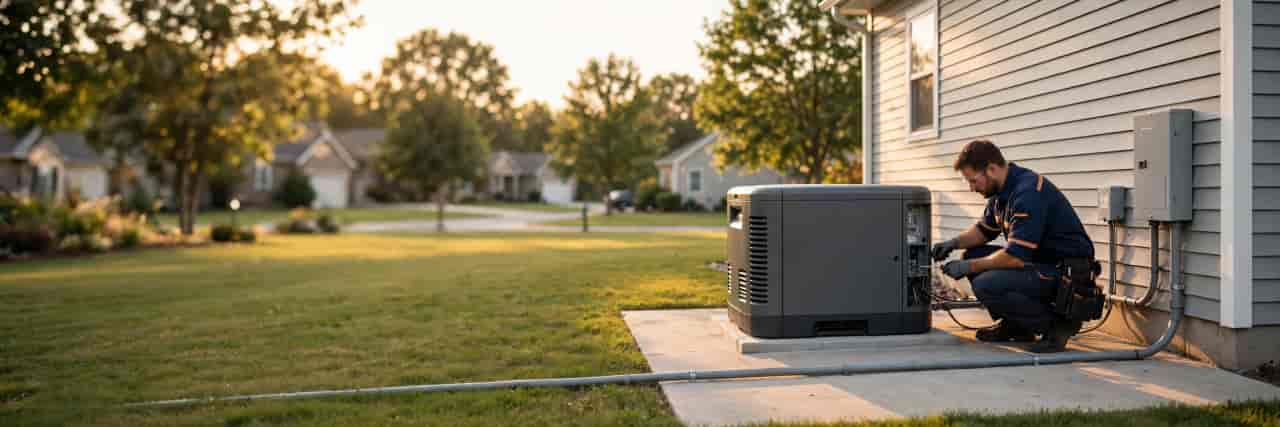
Safe backup power uses either a standby generator with an automatic transfer switch or a portable generator connected through a listed interlock or transfer switch — never a back-fed outlet.
Free to call · Independent licensed electricians
By calling, you agree to be connected with an independent electrician, who may call or text you back about your request at the number you call from. Calls may be recorded for quality and routing. Consent is not a condition of any purchase, and you can opt out at any time; message and data rates may apply. Privacy policy.
Generator Installation at a glance
Independent licensed electricians in all 50 states + DC
Overview
Backup power ranges from a portable generator connected through an interlock kit to a fully automatic standby generator that starts within seconds of an outage. The right choice depends on what you need to keep running, your fuel source, and how often outages happen where you live.
Safety first
Never back-feed a home through a dryer outlet or "suicide cord". It can electrocute utility workers and neighbors. Always use a transfer switch or listed interlock.
Warning signs
Common reasons people call about generator installation. If one matches what you are seeing, a licensed electrician should check it.
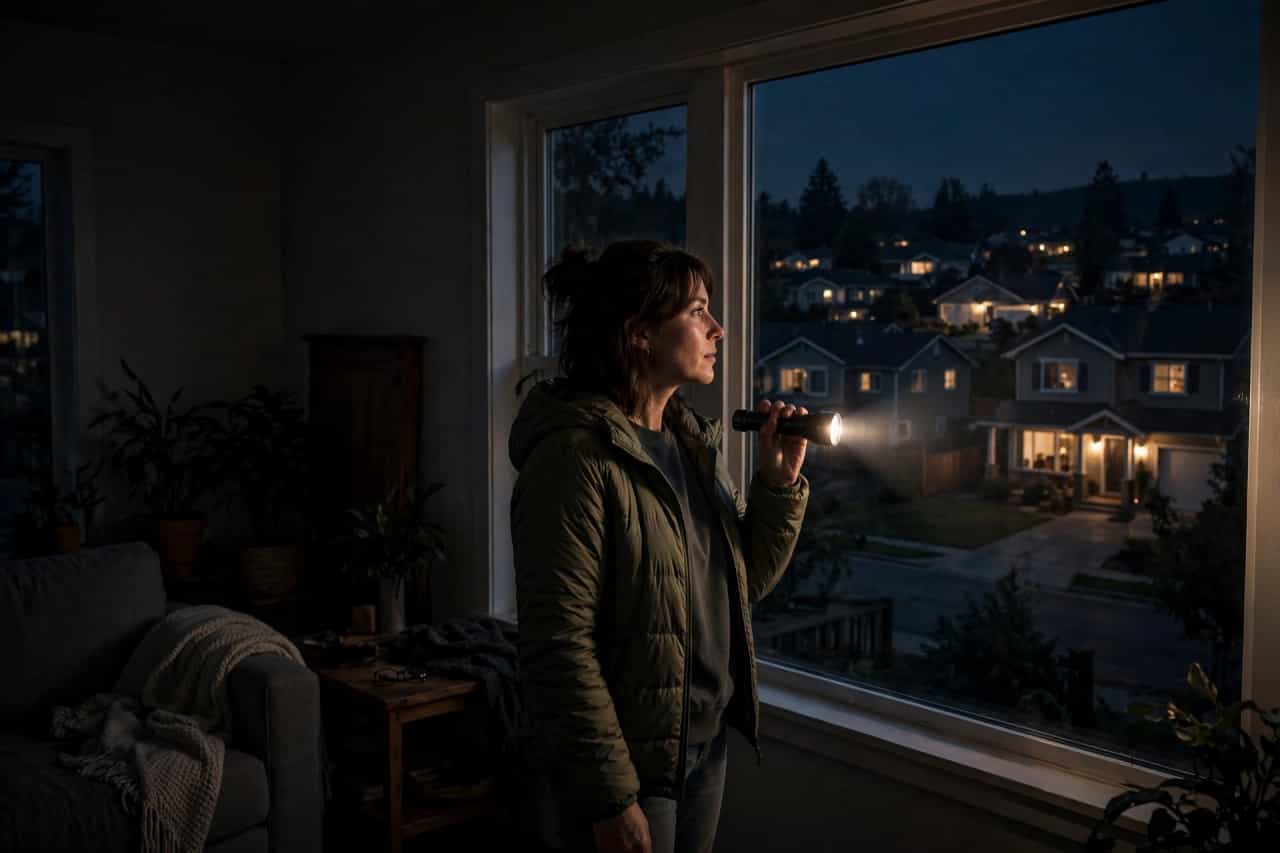
Frequent or long power outages in your area
Medical equipment, sump pumps or well pumps that must keep running
Working from home and needing reliable power
Currently running extension cords from a portable generator
How it works
The usual sequence for generator installation, from the first visit to sign-off.
Choose essential circuits or whole-home coverage
Size the generator and fuel supply
Install transfer switch or interlock
Permits, inspection and utility notification where required
Test transfer and owner walkthrough
Types of work
Safe portable-generator connection through your main panel.
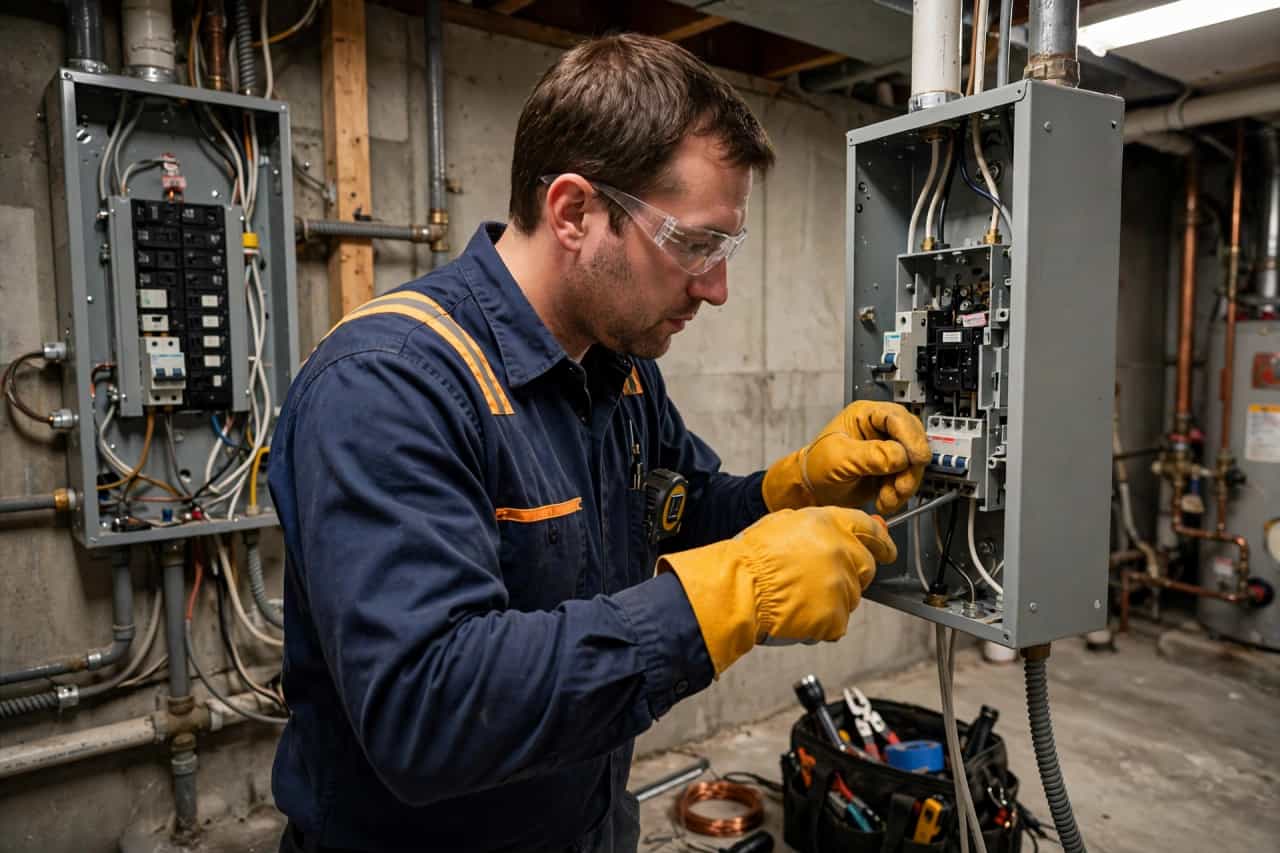
Manual or automatic transfer switches for backup power.
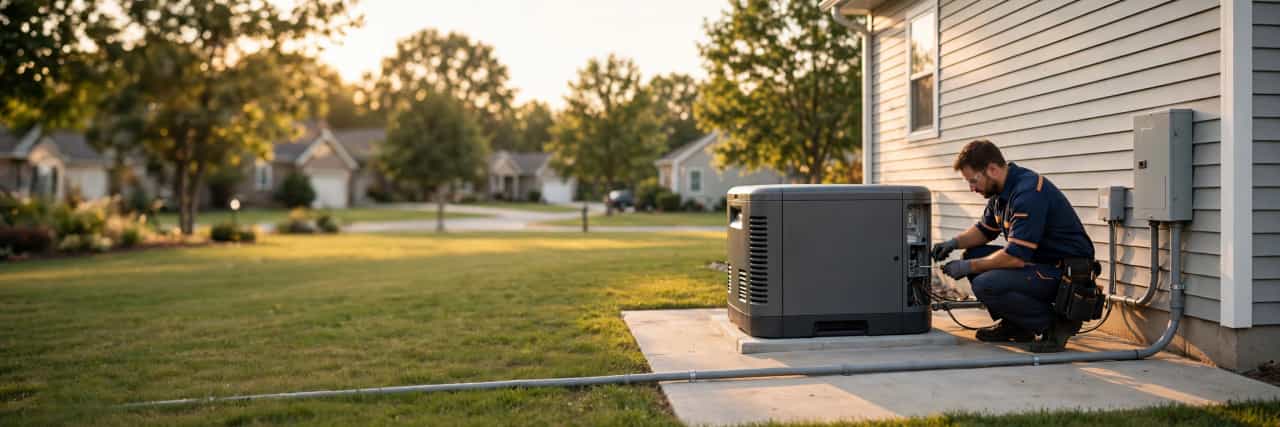
Permanently installed generators that start automatically.
Pricing
The electrician sets the price after seeing the job. For generator installation, these factors change it most.
Get a real number
A short visit lets the electrician see your panel, wiring and access, so the quote reflects your actual job.
Call to discuss your jobEssential circuits vs. whole-home coverage
Generator size and fuel type
Manual vs. automatic transfer
Distance to gas line or tank
Pad, clearance and noise requirements
DIY vs. pro
Safe for homeowners
Stop and call a pro
Safety: Never back-feed a home through a dryer outlet or "suicide cord". It can electrocute utility workers and neighbors. Always use a transfer switch or listed interlock.
Explained
A portable generator connected through an inlet box and a panel interlock is the lower-cost path: you roll the generator out, plug it in, and choose which circuits to run. A standby generator is permanently installed, runs on natural gas or propane, and starts automatically through an automatic transfer switch.
The right choice depends on how often outages happen, whether anyone at home relies on medical equipment, and whether someone is always there to set up a portable unit.
A double-ended cord used to backfeed a dryer outlet can send power back out through the meter onto utility lines, where it can injure line workers who expect the line to be dead. It can also overload house wiring and damage the generator when grid power returns.
An interlock or transfer switch makes it physically impossible to connect the generator and the utility at the same time. That is why codes and utilities require one.
Sizing starts with what must keep running: refrigeration, a well pump, a sump pump, furnace blower, medical devices, lighting. Motors draw several times their running current when they start, so central air conditioners and well pumps drive the size more than lights and electronics do.
Whole-home standby units cover everything; essential-load setups use a smaller generator with a subpanel or a transfer switch that selects key circuits.
Questions
An interlock is a mechanical plate that prevents the main breaker and generator breaker from being on at the same time. A transfer switch is a separate device; automatic versions switch over without you doing anything.
Listed interlock kits designed for your specific panel are an accepted method in many areas when installed with a permit.
It depends on starting and running loads. Well pumps and central AC raise the requirement substantially.
Standby generators almost always need electrical and often gas permits, and interlocks and transfer switches usually need an electrical permit. Some areas also have setback and noise rules for generator placement.
Placement follows the manufacturer’s clearances from windows, doors, vents and the house, plus local setback rules. It should sit on a level pad, close enough to the gas supply and the electrical connection to keep runs short.
Never. Generator exhaust contains carbon monoxide, which can be fatal in minutes. Run portable generators outdoors, well away from doors, windows and vents, and use CO alarms inside.
Standby units run a short self-test on a schedule, and need periodic oil, filter and battery service per the manufacturer. A maintenance plan keeps the warranty valid and the unit ready.
List the appliances you need during an outage, check your fuel options, and ask an electrician to look at your panel. That decides between a portable unit with an interlock and a standby system.
Standard grid-tied solar shuts off during outages to protect line workers. Solar with a battery system designed for backup, or a generator, is needed to keep power on.
Yes, if it is sized for the pump’s starting current and the pump circuit is included in the transfer switch or interlock setup. Well pumps are one of the most common reasons rural homeowners add backup power.
Same-day help often available
Call about generator installation
Call (855) 679-2483By calling, you agree to be connected with an independent electrician, who may call or text you back about your request at the number you call from. Calls may be recorded for quality and routing. Consent is not a condition of any purchase, and you can opt out at any time; message and data rates may apply. Privacy policy.
Smoke, flames or sparking? Leave the building and call 911 first.
Pronto Electrician is a free referral service. The electricians you are connected with are independent contractors, not employees or agents of Pronto Electrician. Pronto Electrician does not perform electrical work, and the electrician you choose sets the price, schedule, permits and warranty.
Same-day help often available
Prefer to talk it through?
Your call is answered by an independent licensed electrician who serves your area.
(855) 679-2483By calling, you agree to be connected with an independent electrician, who may call or text you back about your request at the number you call from. Calls may be recorded for quality and routing. Consent is not a condition of any purchase, and you can opt out at any time; message and data rates may apply. Privacy policy.
Service areas
Available across all 50 states and Washington, DC.
Popular in these cities
All states
Related services
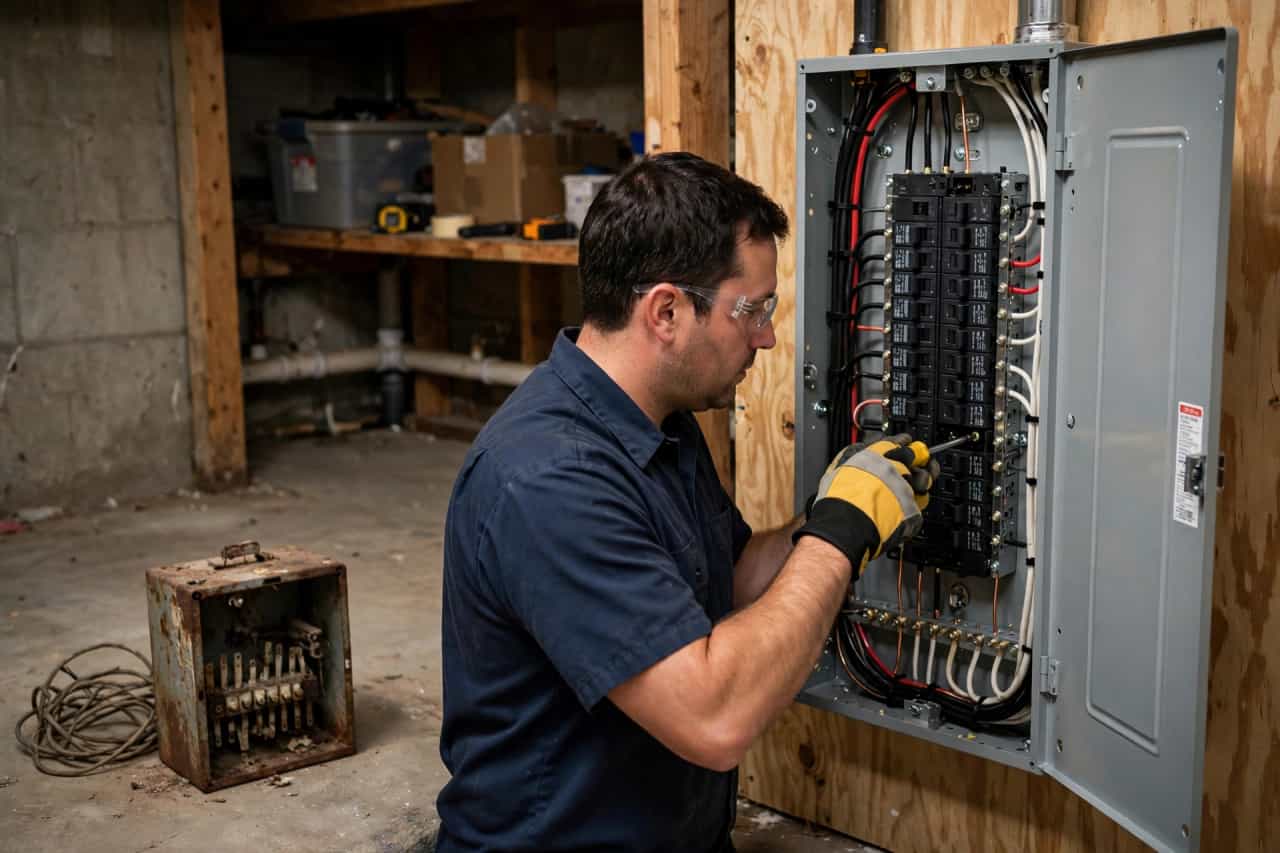
Panel replacements and service upgrades for modern loads, EV chargers and heat pumps.
Explore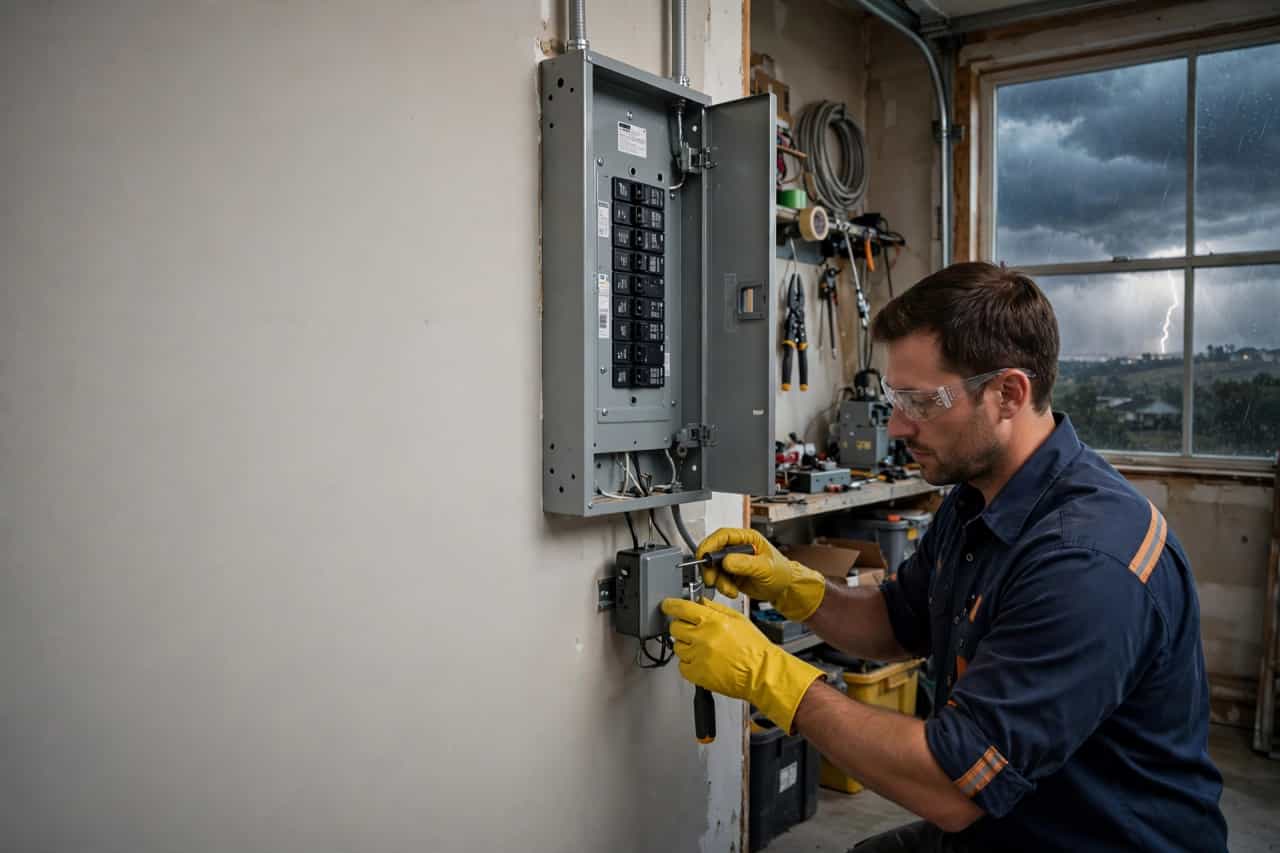
Panel-mounted surge protective devices for the whole home.
Explore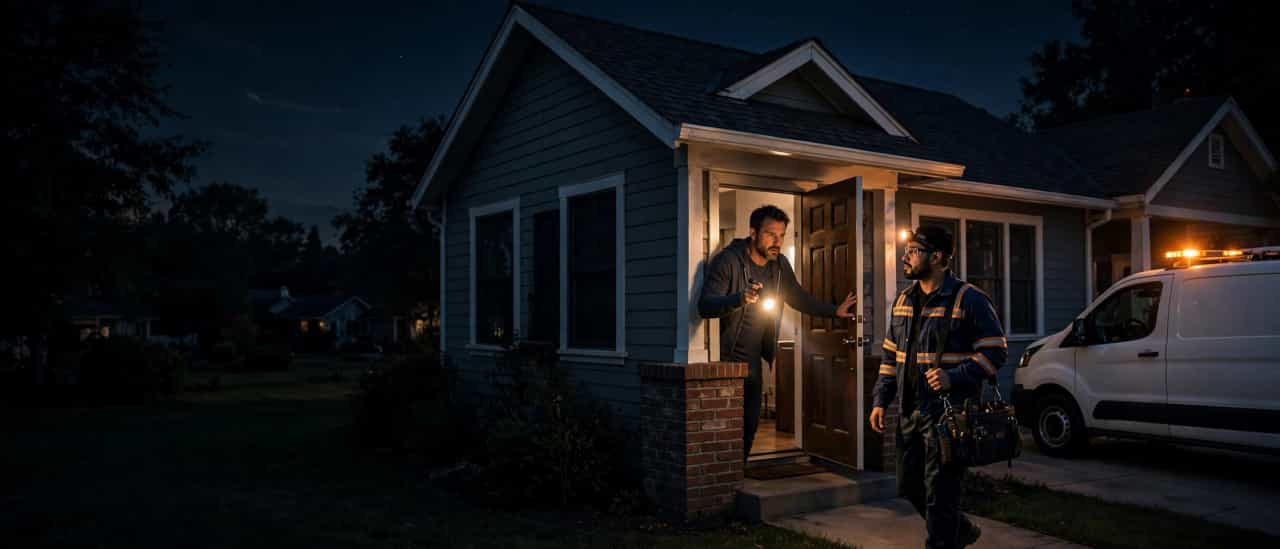
Urgent help for outages, burning smells, sparking and dangerous electrical faults.
ExploreSymptoms this service fixes
Free to call · All 50 states + DC
Describe the problem and get connected with an independent licensed electrician who serves your area.
By calling, you agree to be connected with an independent electrician, who may call or text you back about your request at the number you call from. Calls may be recorded for quality and routing. Consent is not a condition of any purchase, and you can opt out at any time; message and data rates may apply. Privacy policy.
Free referral to independent electricians. By calling you consent to a callback or text and call recording. Details