Extreme heat
Air conditioning runs near continuously, stressing panels, breakers and connections. Heat pumps, pool equipment and EV chargers add to the load, making load calculations and panel capacity checks important before adding equipment.
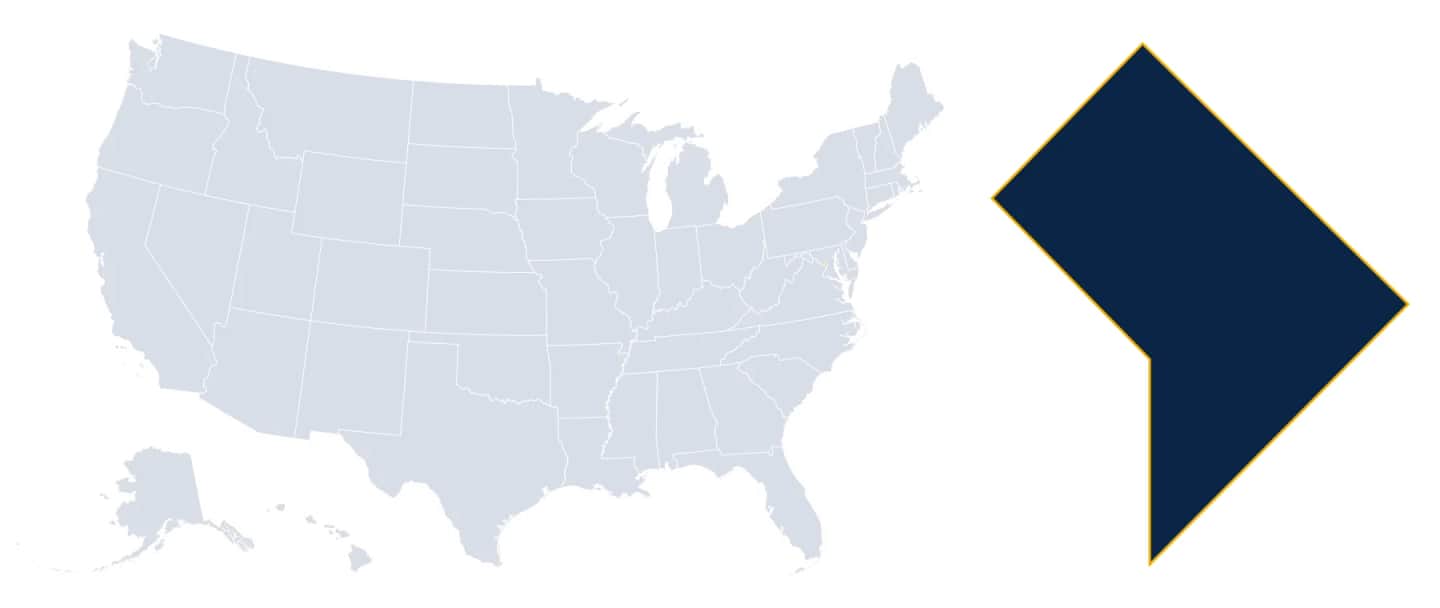
The District of Columbia is a city of rowhouses governed like a state, with one electric utility, its own licensing boards and some of the most aggressive clean energy laws in the country. Historic districts cover much of the city, flash floods have filled basements in Bloomingdale and other low-lying neighborhoods, and the 2012 derecho left much of the region dark during a heat wave.
Free to call · Independent licensed electricians
Climate risks
The hazards that drive the most electrical calls here, and how homeowners prepare for them.
Air conditioning runs near continuously, stressing panels, breakers and connections. Heat pumps, pool equipment and EV chargers add to the load, making load calculations and panel capacity checks important before adding equipment.
Moisture in garages, crawl spaces and outdoor boxes causes nuisance GFCI trips and corrosion. Weather-resistant devices, in-use covers and properly sealed boxes reduce problems.
Electrical equipment that has been underwater — panels, outlets, breakers, appliances — generally must be replaced, not dried and reused. Do not re-energize a flooded home until an electrician has inspected it.
Cities
Open a city guide for local utilities, permit offices, neighborhoods and the problems electricians see most.
State guide
Pepco delivers electricity throughout the District. Residents can buy supply from competitive suppliers, but Pepco owns the wires, meters and service connections. Through the DC PLUG program, Pepco and the District have been moving some of the most outage-prone overhead feeders underground to improve reliability, though many alley and street-side overhead lines remain.
Electricians in the District are licensed by the Board of Industrial Trades, with master and journeyman electrician licenses, and electrical work must be done by licensed tradespeople. Permits are issued by the Department of Buildings, and work is inspected before it is closed up or energized.
Because so much of the city lies in historic districts, exterior changes such as new meter locations, visible conduit or rooftop equipment may also need review by historic preservation staff.
Developer Harry Wardman built thousands of rowhouses in the early 1900s, and they line streets in Columbia Heights, Petworth, Park View and beyond. Capitol Hill, Shaw, Dupont Circle and Georgetown contain even older Victorian and Federal rowhouses. These homes often have small services, fuse panels or ungrounded wiring, and narrow floor plans with shared party walls that make routing new circuits a careful job.
Many District rowhouses have been converted to two or more condominium units, sometimes with a “pop-up” story added on top, and English basements are frequently rented as separate apartments. Each unit needs its own panel and often its own meter, along with alarms and adequate circuits. Converting a rowhouse almost always means upgrading the service and coordinating a new meter bank with Pepco.
In July 2012, repeated flash floods filled basements in Bloomingdale and LeDroit Park when the sewer system backed up, and heavy summer storms in 2019 flooded streets and basements elsewhere in the city. English basement units often contain the building’s panel and water heater, so flooding is also an electrical hazard. Backflow prevention, raised equipment and keeping power off to flooded areas until inspected are key precautions.
The June 2012 derecho knocked out power to a large share of the Washington region during a heat wave, and some District homes waited days for service. Summers bring long stretches of heat and humidity, and many older rowhouses rely on window units or mini-splits added over time. Dedicated circuits for cooling prevent tripped breakers and overheated outlets.
The Clean Energy DC Omnibus Amendment Act of 2018 set a goal of 100 percent renewable electricity, and the District’s Building Energy Performance Standards require larger buildings to improve efficiency. Programs such as Solar for All bring rooftop and community solar to lower-income households, and the DC Sustainable Energy Utility offers incentives for efficient equipment.
For rowhouse owners, these programs often mean adding heat pumps, heat pump water heaters, induction cooking and solar — all of which can strain a small service and usually start with a load calculation.
Flat rowhouse roofs are well suited to solar, and the District has encouraged rooftop systems through incentives and solar renewable energy credits. Solar on a historic rowhouse may need preservation review if it is visible from the street, and every system needs a permit and Pepco interconnection approval.
Most District residents park on the street, which makes home EV charging difficult. Homes with rear parking pads or garages off an alley can add a Level 2 charger, usually by running a new circuit from the basement panel. Condominium buildings need association approval and a plan for shared charging and billing.
Heavy snowstorms such as the February 2010 storms that residents called “Snowmageddon” bring down tree limbs on alley lines and overhead service drops. Heat pumps, which heat many District homes, rely on backup heat strips in cold snaps, and those circuits should be checked in older buildings.
Summer thunderstorms bring lightning and power fluctuations that damage heat pump control boards and electronics. A surge protective device at the panel is an inexpensive layer of protection.
Capitol Hill and Georgetown have the oldest houses and strictest historic review. Columbia Heights, Petworth and Brookland have Wardman-era rowhouses undergoing renovation and conversion. Bloomingdale and other low-lying areas focus on flood protection. Neighborhoods east of the Anacostia River include detached homes, garden apartments and many Solar for All installations.
Frequent requests include service upgrades for rowhouse conversions, heat pump and induction circuits, rewiring older homes, English basement unit wiring, rooftop solar, EV chargers where parking allows, flood repairs and surge protection.
Washington’s alleys still contain historic carriage houses and small alley dwellings, and the District’s zoning allows accessory apartments in many rowhouses and some detached structures. Bringing power to an alley carriage house or creating a separate unit requires a properly sized feeder or separate service, alarms and inspection, and often coordination with Pepco for a new meter.
Many District rowhouses heat with old hot-water or steam radiators fed by gas boilers. Owners electrifying their homes often add ductless mini-splits for cooling and heating while keeping or eventually replacing the boiler. Each indoor and outdoor unit needs circuits, and a small rowhouse service may need an upgrade before the boiler can be retired.
A large share of District residents live in apartment and condominium buildings, many built before World War II. Adding EV chargers, heat pumps or larger panels in these buildings involves the board or association and the building’s electrical capacity, and some older buildings need riser or service upgrades before owners can electrify.
Inspections of District rowhouses often find fuse panels, small services, ungrounded outlets, amateur basement wiring and wiring that was never updated during earlier renovations. In flipped houses, buyers should ask whether electrical work was permitted and inspected. An electrician’s written evaluation clarifies what must be fixed before closing.
Much of the District lies in historic districts such as Capitol Hill, Dupont Circle, Mount Pleasant, LeDroit Park and Anacostia. Moving a meter to the front of a rowhouse, running conduit up a street-facing wall or adding rooftop equipment visible from the street can require review by historic preservation staff. Electricians who work in these neighborhoods route service changes through rear yards, alleys and basements when they can.
Washington summers are long, hot and humid, and older rowhouses often rely on a patchwork of window units. Each window unit on an old shared circuit risks tripped breakers and overheated outlets. Dedicated circuits, or replacing window units with ductless heat pumps, make homes safer and more comfortable.
The District’s Solar for All program aims to deliver the benefits of solar to low- and moderate-income households, through rooftop systems and community solar subscriptions. Rooftop installations still need a permit, structural review of the roof and Pepco approval.
Confirm the electrician’s license from the Board of Industrial Trades, ask who will pull the Department of Buildings permit and whether historic review applies, and get a written scope. For service upgrades, ask how the electrician will coordinate the meter and service work with Pepco.
Electrical licensing and permits in District of Columbia are set by state and local authorities. The electrician confirms what applies to your project.
Services
Ranked by how many of this state’s climate risks each service addresses.
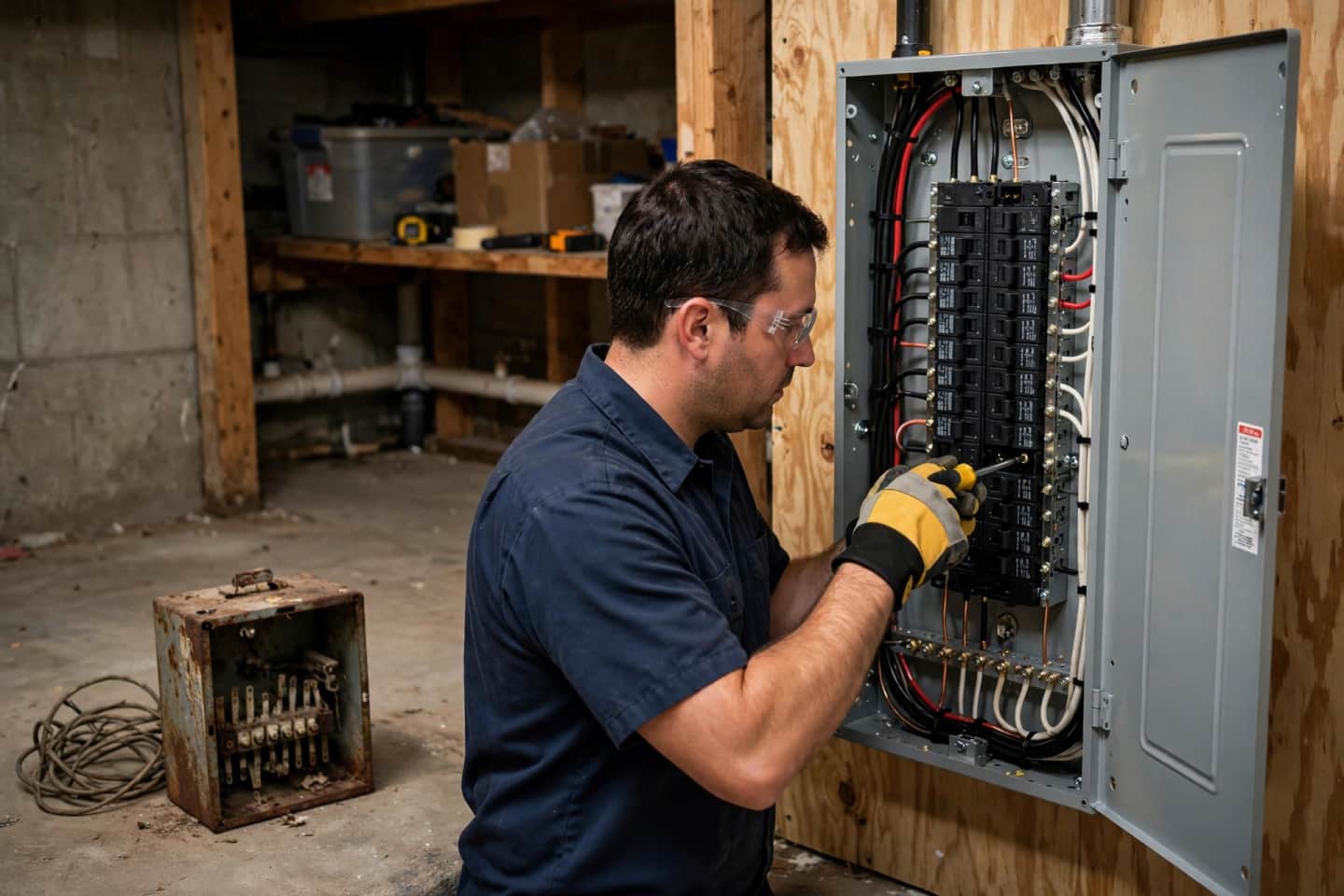
Panel replacements and service upgrades for modern loads, EV chargers and heat pumps.
Explore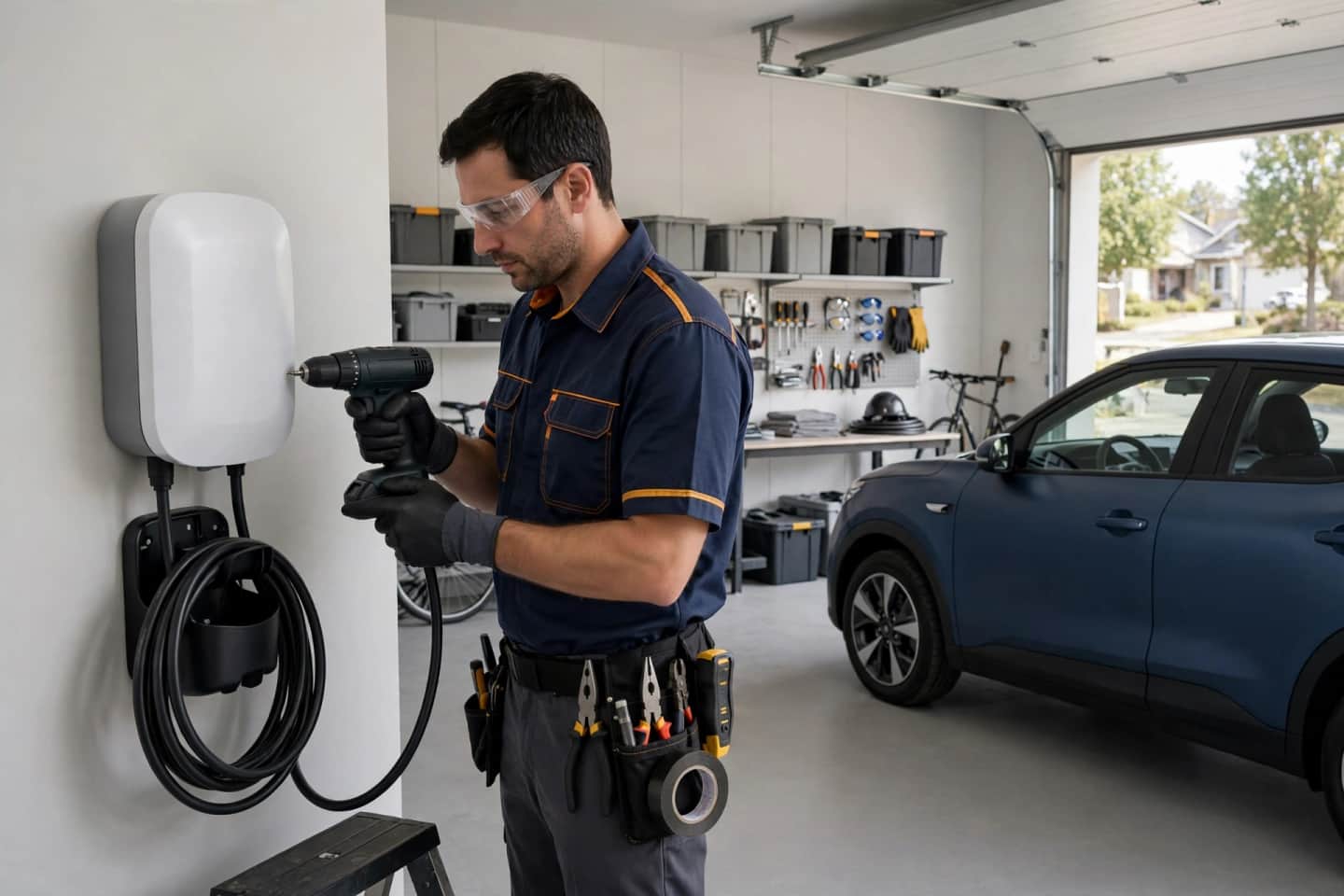
Level 2 home EV charger installation with load calculation and permits.
Explore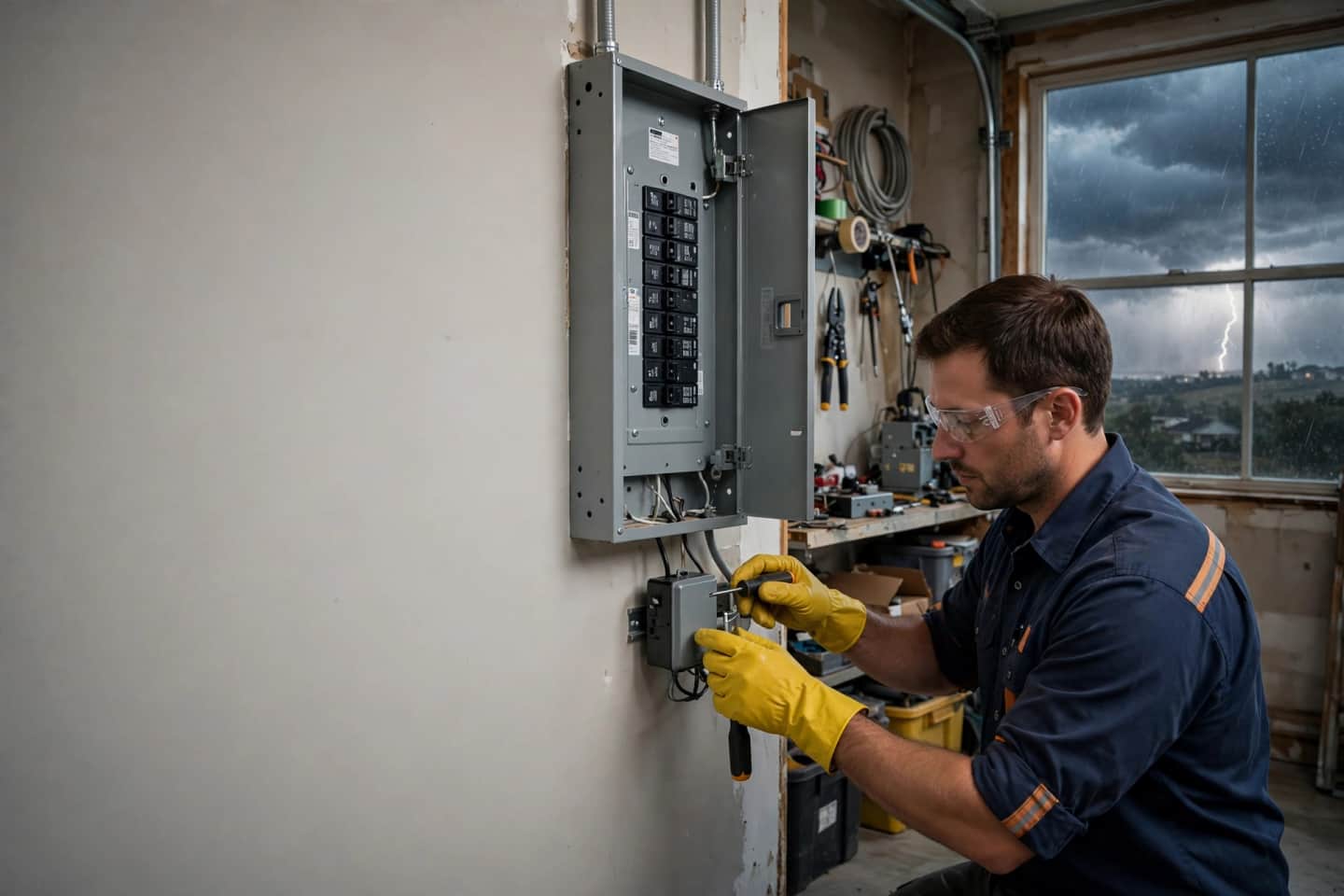
Panel-mounted surge protective devices for the whole home.
ExploreGet started
One call connects you with an independent licensed electrician who serves your part of the state.
Same-day help often available
Call for electrical help in District of Columbia
Tell the electrician what is happening and your city. Calls go to independent licensed electricians who serve your area.
Call (855) 679-2483Smoke, flames or sparking? Leave the building and call 911 first.
Pronto Electrician is a free referral service. Calls are answered by independent licensed electricians in your area. Pronto Electrician does not perform electrical work, and the electrician you choose sets the price, schedule, permits and warranty.
Free to call · All 50 states + DC
Describe the problem and get connected with an independent licensed electrician who serves your area.