Outlet Repair
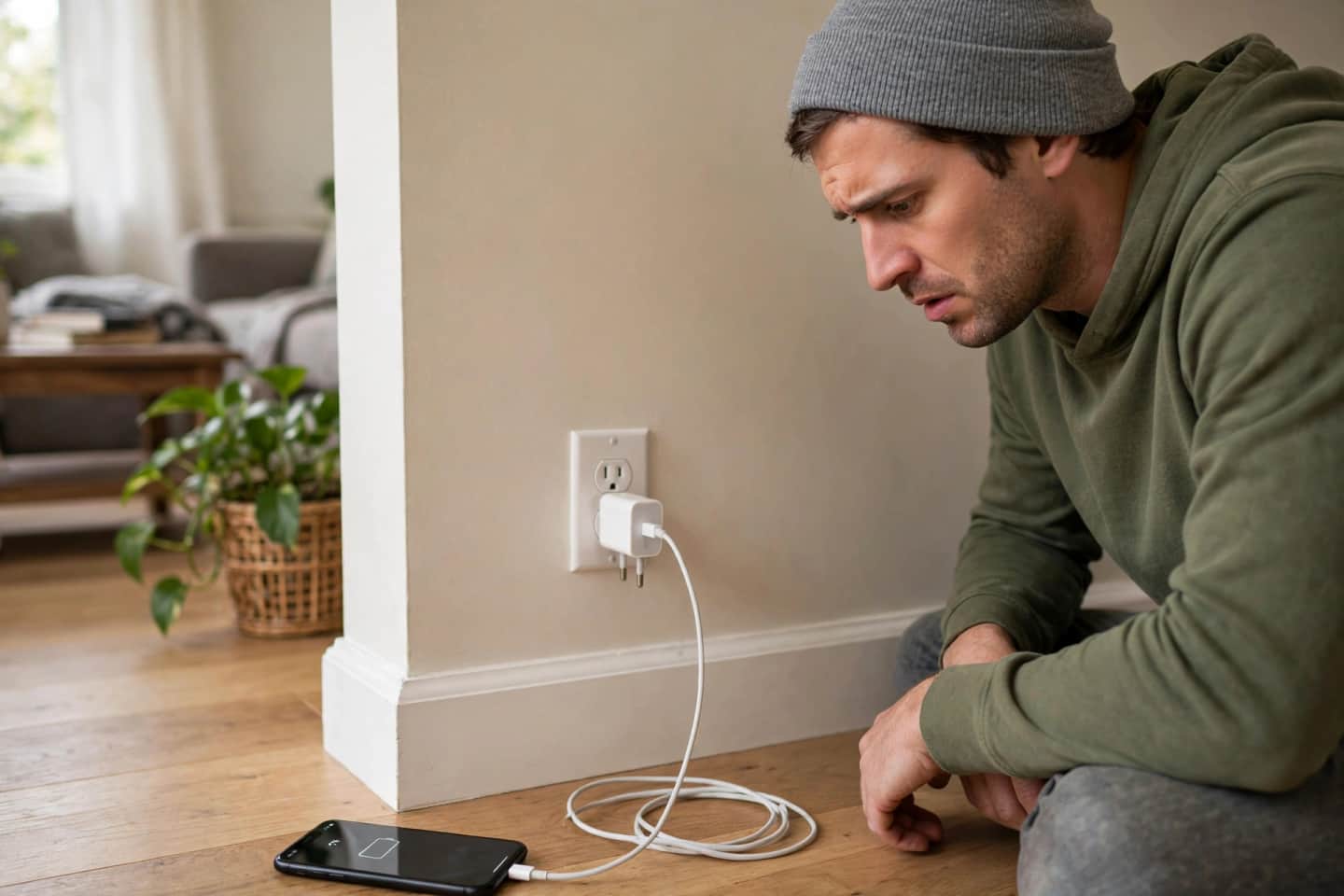
Repair or replacement of dead, loose, warm or damaged receptacles.
- Replacement of worn receptacles that no longer grip plugs
- Conversion of back-stab connections to screw terminals
- Tamper-resistant receptacles where required
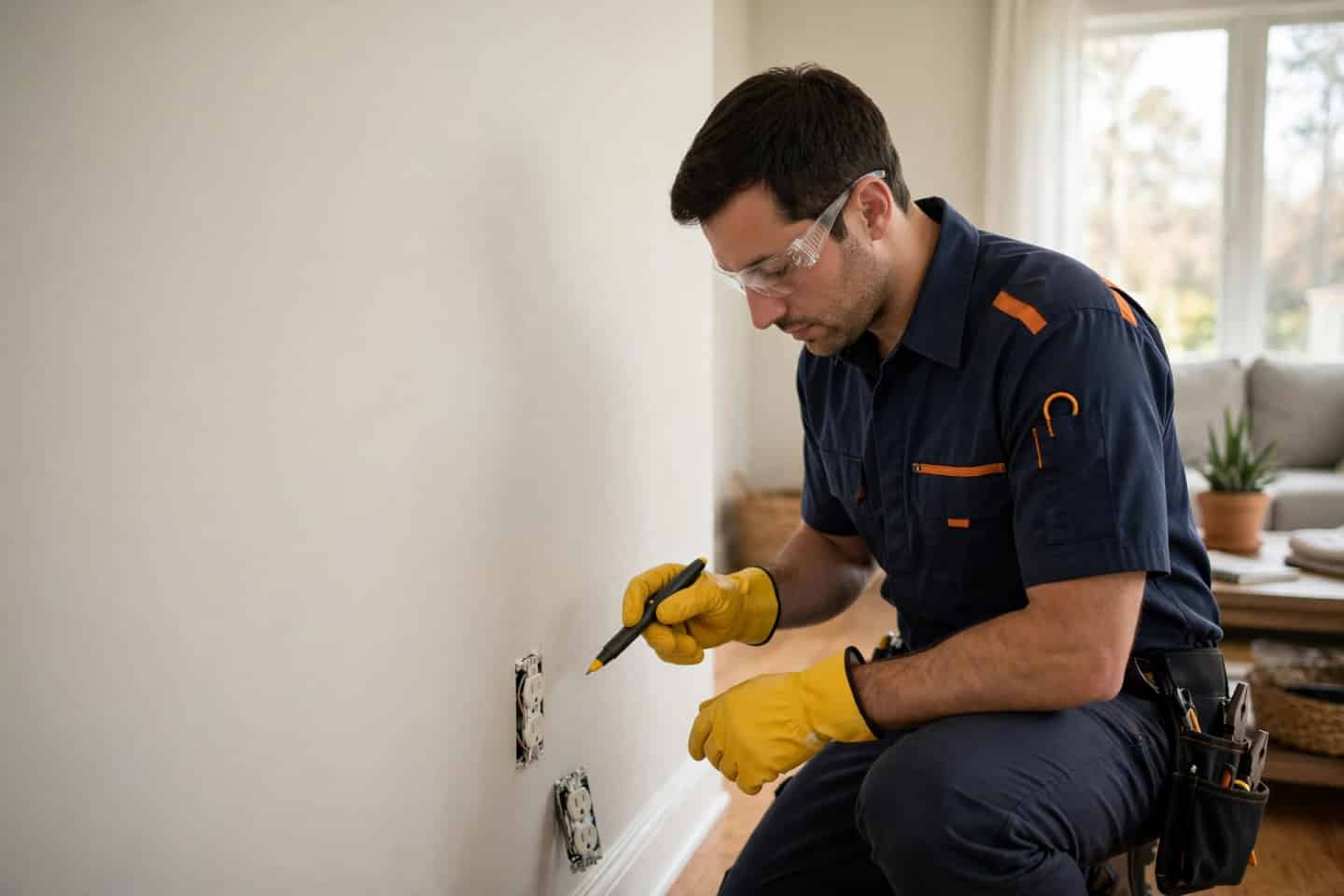
Electrical repair starts with tracing a symptom — a dead outlet, flicker or tripping breaker — back to the failed device, loose connection or damaged wire, then fixing that root cause.
Free to call · Independent licensed electricians
Electrical Repair & Troubleshooting at a glance
Independent licensed electricians in all 50 states + DC
Overview
Most electrical repairs start with a symptom — a dead outlet, lights that flicker, a breaker that trips — and the hard part is tracing it back to the cause. Good troubleshooting follows the circuit from the panel to every device on it, tests under load, and fixes the root problem rather than swapping parts until something works.
Safety first
Before replacing any device yourself, switch off the breaker and confirm the circuit is dead with a tester. Back-stabbed and aluminum connections are common hidden causes of failures.
Warning signs
If any of these sound familiar, it is time to have a licensed electrician take a look.
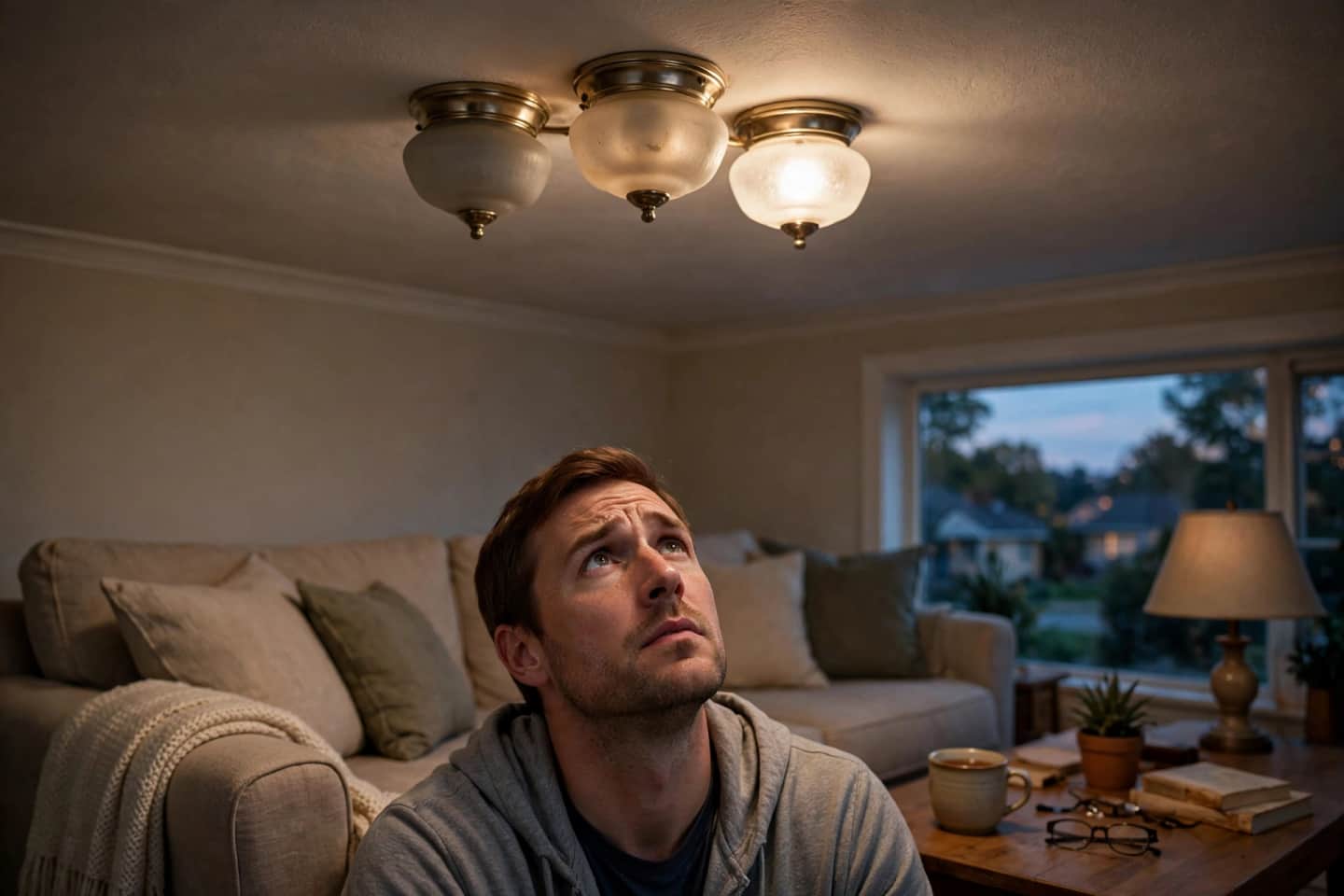
Outlets or switches that stopped working
Lights that flicker or dim when appliances start
Breakers or GFCIs that trip repeatedly
Outlets or switch plates that feel warm
Loose outlets where plugs fall out
How it works
What to expect from the licensed electrician you are connected with, from first visit to final inspection.
Interview: when it started, what was running, what changed recently
Circuit mapping from the panel
Voltage, continuity and load testing
Repair of the failed device, connection or wire run
Re-test and labeling of the panel directory
Types of work
Repair or replacement of dead, loose, warm or damaged receptacles.
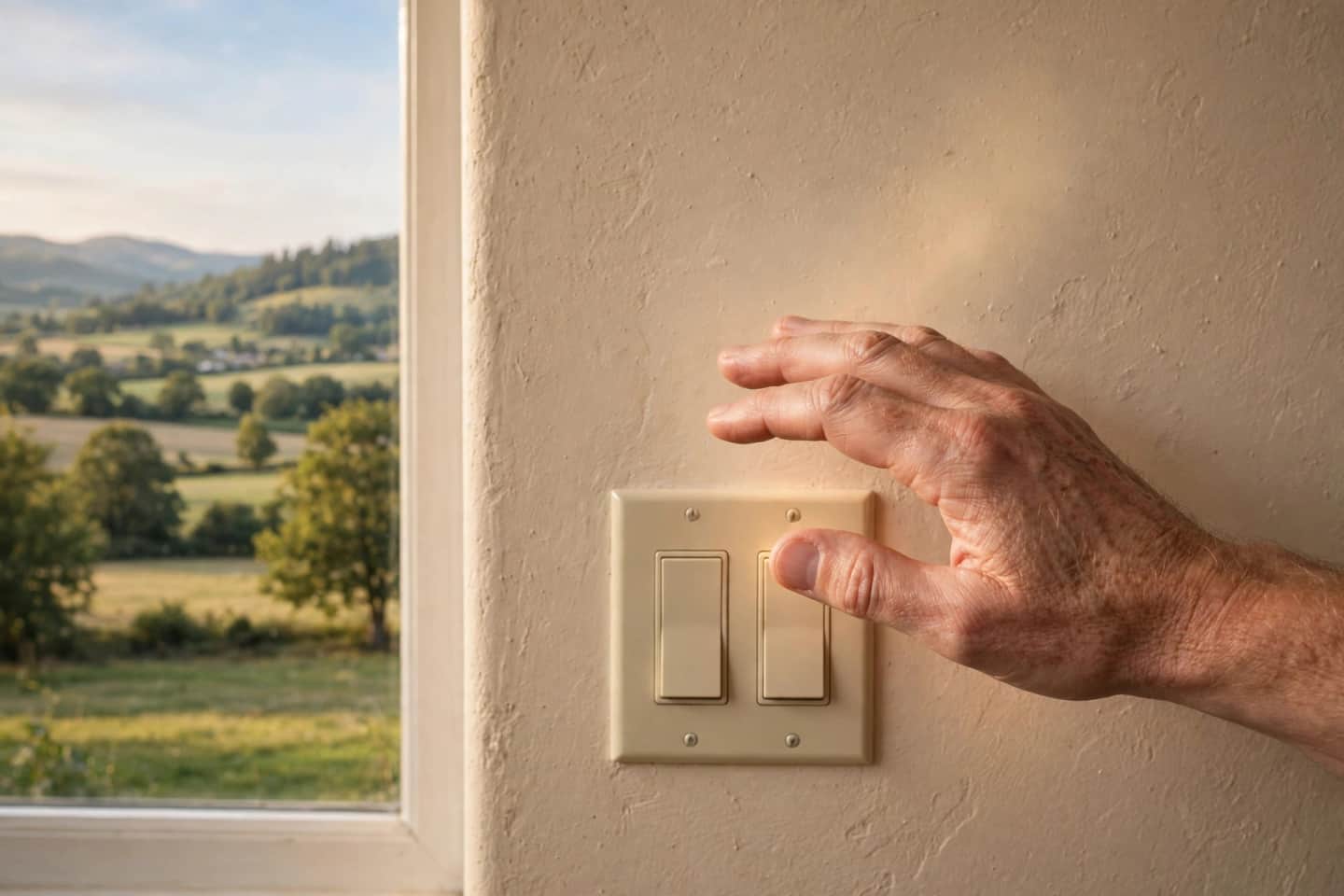
Fixing switches that buzz, feel warm, or no longer control lights.
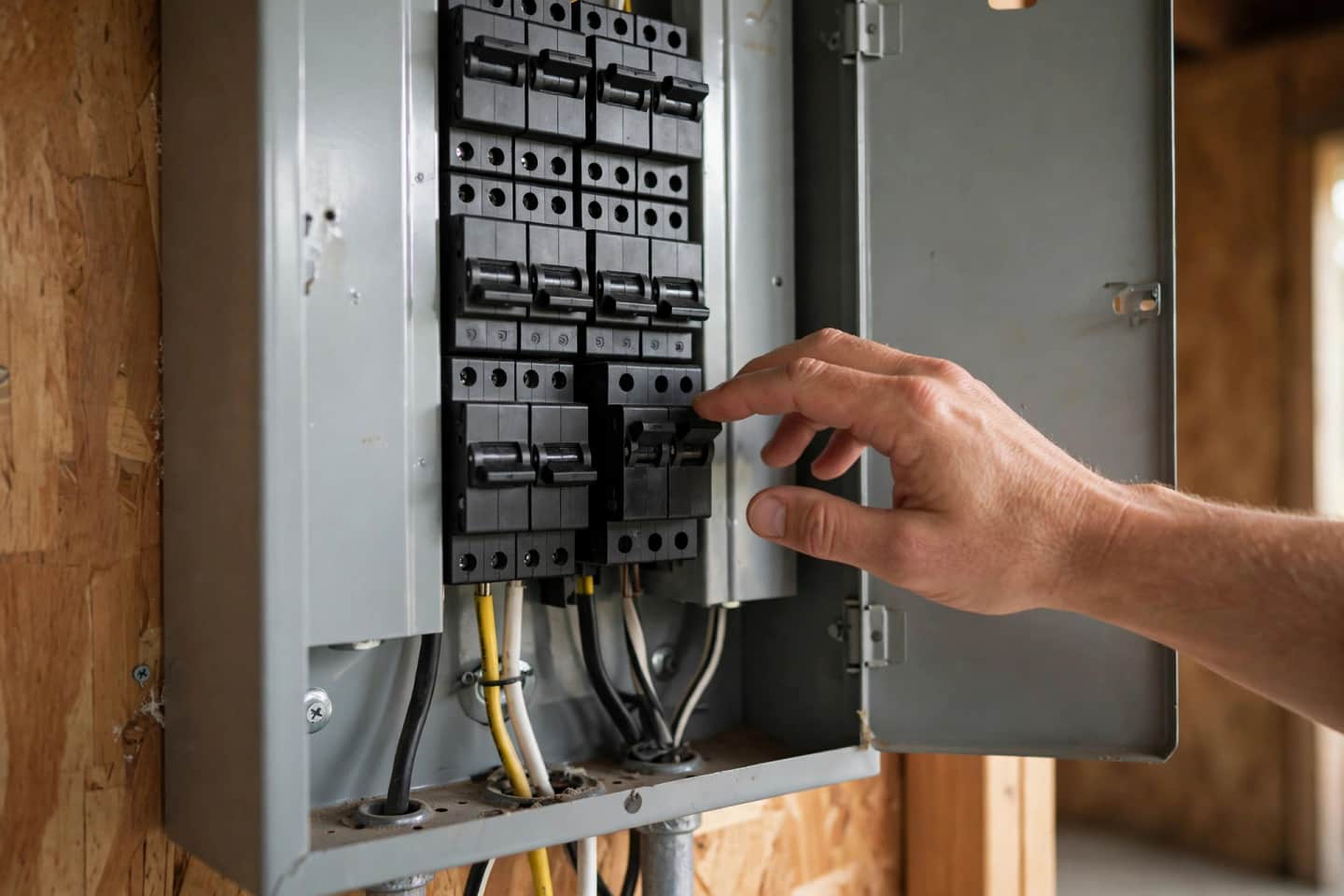
Finding opens, shorts and ground faults on a circuit.
Pricing
Prices are set by the electrician after seeing the job. These are the factors that move the number.
Get a real number
A short visit lets the electrician see your panel, wiring and access, so the quote reflects your actual job.
Call to discuss your jobHow long it takes to find the fault
Number of devices or boxes involved
Access (finished ceilings, crawl spaces)
Whether wiring needs replacement
Upgrades required to meet current code
DIY vs. pro
Safe for homeowners
Stop and call a pro
Safety: Before replacing any device yourself, switch off the breaker and confirm the circuit is dead with a tester. Back-stabbed and aluminum connections are common hidden causes of failures.
Questions
Often a tripped GFCI elsewhere on the circuit, a loose back-stab connection in an upstream outlet, or a failed device. The fix is usually small once the right box is found.
A GFCI elsewhere on the circuit may have tripped, or a loose push-in connection in an upstream outlet may have failed.
They loosen more often than screw terminals. Electricians usually move wires to the screw terminals when replacing a failed device.
Same-day help often available
Call about electrical repair & troubleshooting
Call (855) 679-2483Smoke, flames or sparking? Leave the building and call 911 first.
Pronto Electrician is a free referral service. Calls are answered by independent licensed electricians in your area. Pronto Electrician does not perform electrical work, and the electrician you choose sets the price, schedule, permits and warranty.
Same-day help often available
Prefer to talk it through?
Your call is answered by an independent licensed electrician who serves your area.
(855) 679-2483Service areas
Available across all 50 states and Washington, DC.
Popular in these cities
All states
Related services
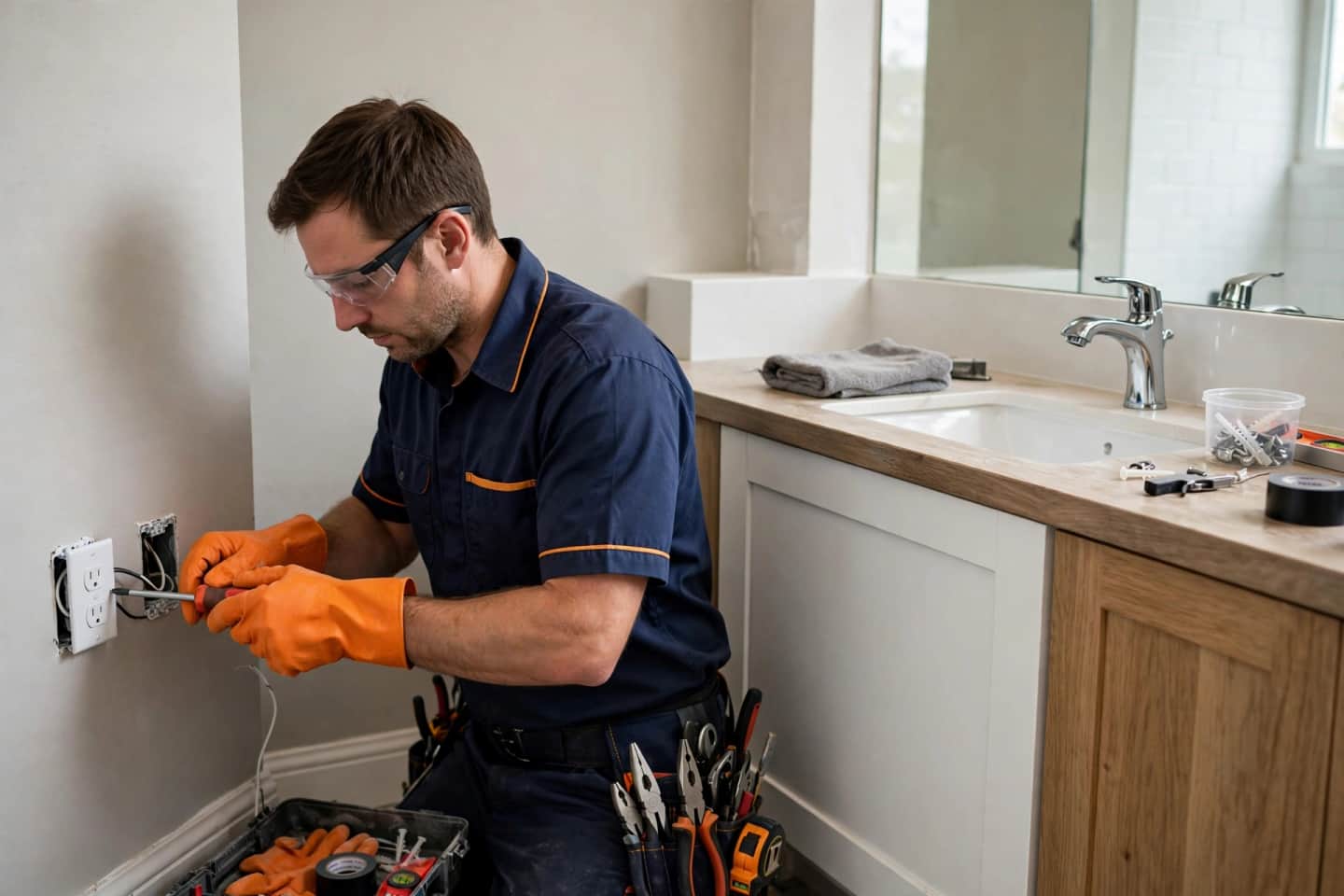
New outlets, GFCI and AFCI protection, USB, outdoor and 240V receptacles.
Explore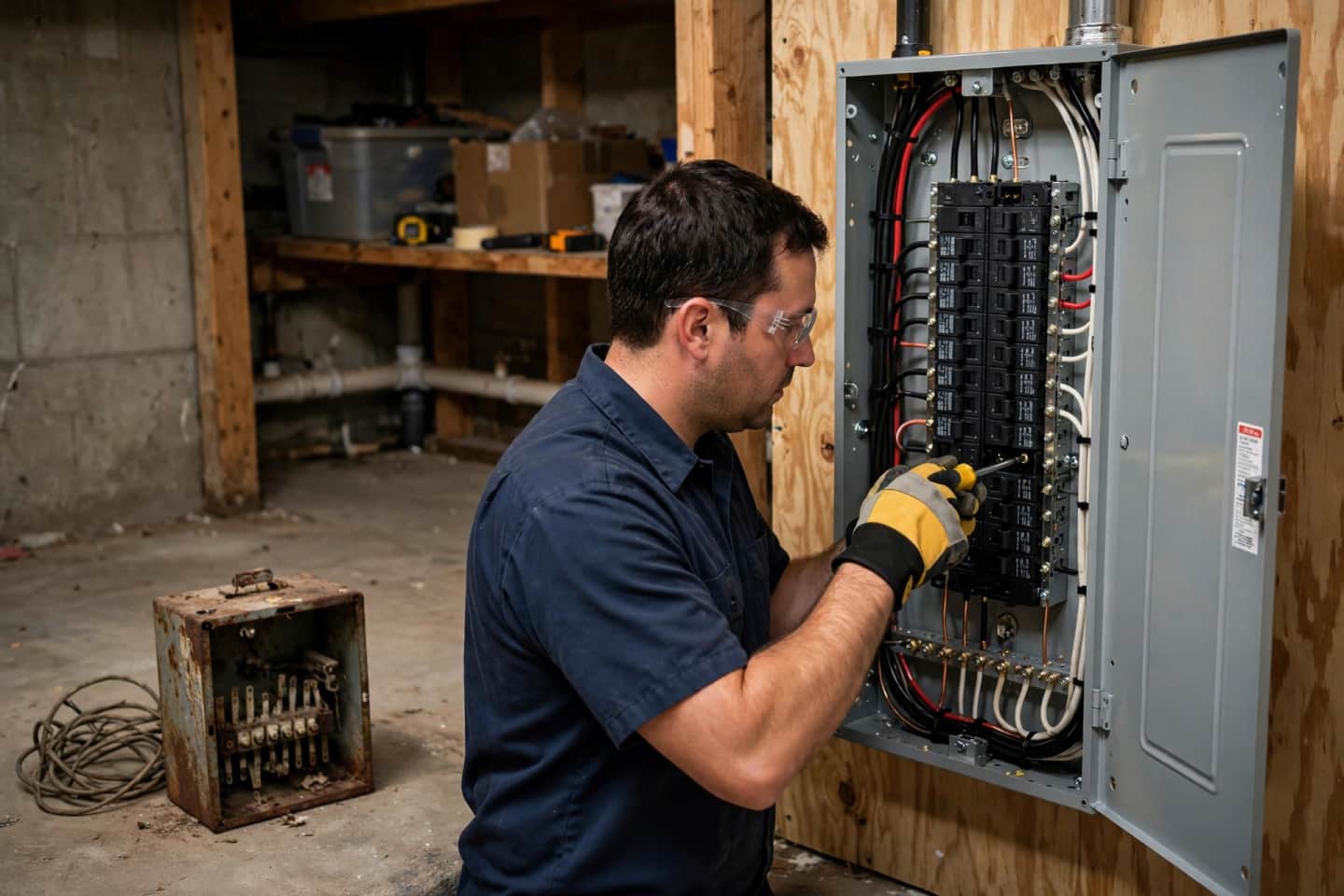
Panel replacements and service upgrades for modern loads, EV chargers and heat pumps.
Explore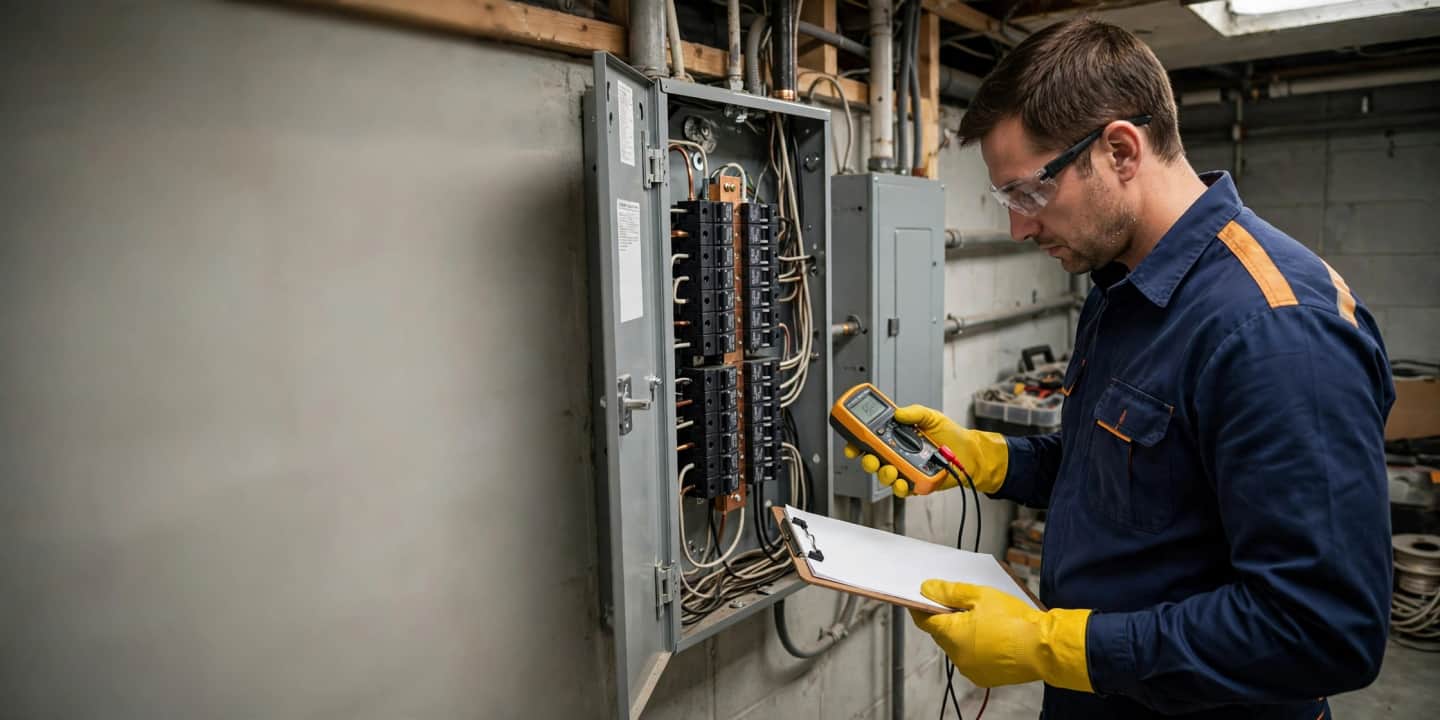
Home-purchase, insurance and safety inspections of electrical systems.
ExploreSymptoms this service fixes
Free to call · All 50 states + DC
Describe the problem and get connected with an independent licensed electrician who serves your area.