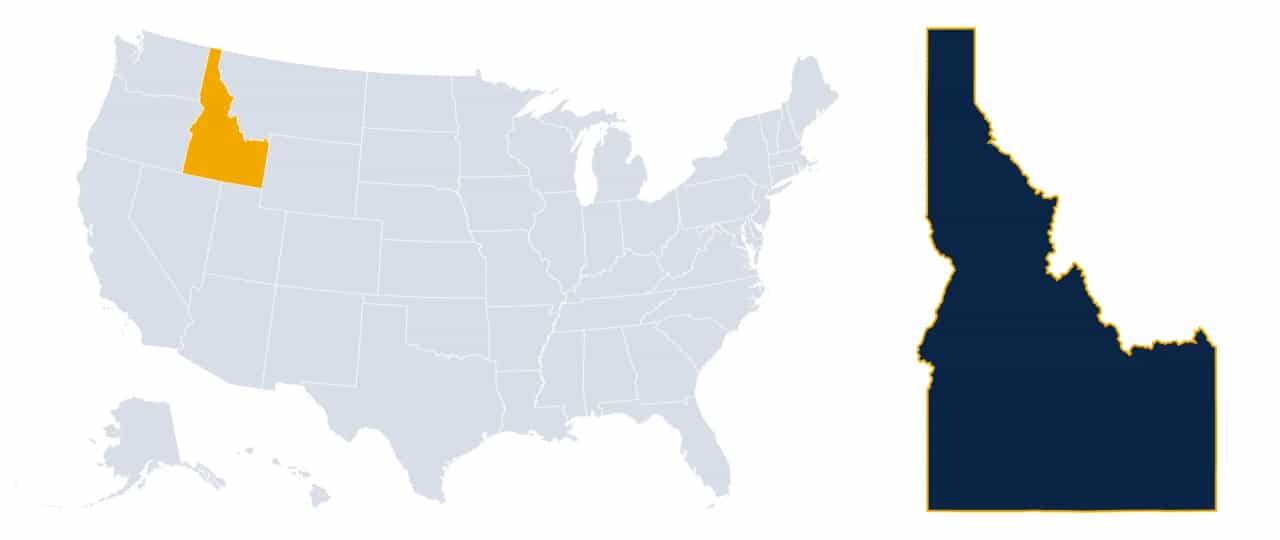
Idaho is one of the fastest-growing states in the country, with Boise, Meridian, Nampa and Coeur d’Alene adding new homes at a rapid pace. Wildfire and smoke define summers, Idaho Power now shuts off lines during extreme fire weather, winters are cold and snowy, and central Idaho is earthquake country — the 2020 Stanley earthquake was the state’s largest in decades.
By calling, you agree to be connected with an independent electrician, who may call or text you back about your request at the number you call from. Calls may be recorded for quality and routing. Consent is not a condition of any purchase, and you can opt out at any time; message and data rates may apply. Privacy policy.
5
Major cities
3
City guides
2
Climate risks
Climate risks
What Idaho weather does to electrical systems
The hazards that drive the most electrical calls here, and how homeowners prepare for them.
Winter storms and cold
Heavy snow and wind cause outages when heating demand is highest. Generators, dedicated circuits for space heaters, and heat-tape circuits with GFCI protection are common winter projects. Avoid running heaters through extension cords or power strips.
Utilities may shut off power during high fire-risk weather. Battery backup or generator systems with proper transfer equipment keep essential circuits running. Exterior electrical equipment and connections should be kept clear of vegetation.
Idaho Power serves Boise and much of southern Idaho. Avista serves northern Idaho, including Coeur d’Alene and Lewiston. Rocky Mountain Power serves parts of eastern Idaho, Idaho Falls has its own municipal utility, and electric cooperatives serve many rural areas.
Idaho homes cannot choose a retail supplier. Your utility sets the rules for service upgrades, solar interconnection and generator connections.
Licensing and inspections
Idaho licenses electricians and electrical contractors through the Division of Occupational and Professional Licenses, with journeyman, master and contractor licenses. Licenses can be verified online.
Some cities and counties run their own electrical inspection programs, and the state inspects work elsewhere. Panel upgrades, new circuits, EV chargers, solar and generators require permits.
Wildfire and power shutoffs
Wildfire is a growing risk across Idaho, from the forests of the north and central mountains to the rangelands and foothills around Boise. Idaho Power and other utilities have begun using public safety power shutoffs during extreme fire weather. Backup power, defensible space around exterior equipment and keeping vegetation clear of service drops reduce risk and disruption.
Summer smoke keeps windows closed, increasing reliance on air conditioning and air purification, which need adequate circuits.
Earthquakes
On March 31, 2020, a magnitude 6.5 earthquake struck near Stanley in central Idaho, the largest in the state since the 1983 Borah Peak earthquake. Shaking was felt in Boise. After any significant quake, check for meter bases pulled from walls, damaged masts or burning smells. Securing water heaters and appliances is a practical precaution.
Winter snow and cold
Northern Idaho, the mountains and eastern Idaho get heavy snow and cold winters. Snow loads pull on service drops and damage weatherheads, and furnaces need electricity to run. Backup power for heating is valuable, and heat tape belongs on dedicated, GFCI-protected circuits.
Boise-area growth
The Treasure Valley — Boise, Meridian, Nampa, Eagle, Kuna and Caldwell — has grown dramatically, with large numbers of new homes. New homes usually have 200-amp services, but EV chargers, hot tubs, shops and finished spaces fill panels quickly. Planning spare capacity at construction saves money later.
Boise’s older neighborhoods
Boise’s North End, East End and Warm Springs neighborhoods have homes from the late 1800s through the 1940s with older wiring. Some homes along Warm Springs Avenue have historically used geothermal heat, a Boise distinction. Older homes often need panel upgrades and rewiring during renovation.
Irrigation, wells and rural properties
Southern Idaho agriculture depends on irrigation pumps, and many rural homes rely on wells. Pumps stop during outages and shutoffs, so backup power plans should include them. Farms and acreages have shops and outbuildings that need properly sized feeders and grounding.
Northern Idaho lakes
Lake Coeur d’Alene, Lake Pend Oreille and Priest Lake have many cabins and homes with docks. Dock wiring needs ground-fault protection and wet-location wiring to prevent shock hazards in the water. Seasonal homes benefit from electrical checks before each season.
Solar, EVs and heat pumps
Rooftop solar is growing in southern Idaho, and Idaho Power has changed how it credits exported solar for new customers, making batteries more attractive. EV ownership and heat pumps are growing in the Treasure Valley. A load calculation decides whether an older service can carry them.
Regional differences
The Treasure Valley focuses on growth, heat, smoke and EVs. Northern Idaho has lakes, forests, snow and wildfire. Eastern Idaho has farms, cold winters and its own utilities. Central Idaho is mountainous, remote and seismically active. The Magic Valley around Twin Falls is agricultural and irrigated.
Common electrical calls in Idaho
Frequent requests include new construction add-ons, EV charger installations, panel upgrades, shop and outbuilding feeders, generator and battery backup, hot tub circuits, surge protection and rewiring older Boise homes.
Shops, RVs and boats
Many Idaho households keep RVs, boats, side-by-sides and a well-equipped shop. A 50-amp RV pedestal, a 240-volt welder outlet and heated shop space all need dedicated circuits sized for the load, and a detached shop needs a properly sized feeder, a disconnect and its own grounding electrode. Plugging an RV into a dryer outlet with an adapter is a common shortcut that risks damaging both the RV and the house wiring.
McCall, Sun Valley and mountain homes
Resort and cabin communities such as McCall, Sun Valley, Ketchum and Sandpoint face deep snow, long winters and many part-time owners. Heated driveways, hot tubs and snowmelt systems draw heavy current, snow slides off roofs onto service masts, and homes left empty need someone to check heat tape and alarms. Backup heat during outages protects against frozen pipes.
Smoke season indoors
In smoky summers, Idaho families keep windows shut for days and rely on air conditioning and portable air cleaners. Older homes that once relied on swamp coolers or open windows often need new circuits for heat pumps or window units, and a check that the panel can handle the extra load.
Buying an older Boise-area home
Inspections in Boise’s North End, Nampa and Caldwell often turn up knob-and-tube wiring, ungrounded outlets, small services and amateur basement or garage wiring. An electrician’s written evaluation helps buyers decide what must be fixed before closing and what can wait.
Generators and home batteries
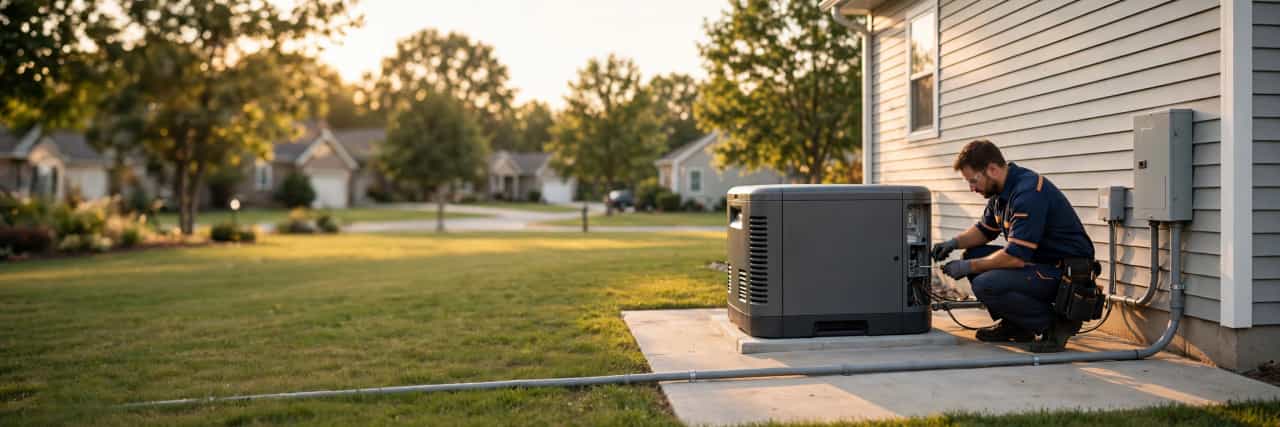
With wildfire shutoffs and winter storms both possible, Idaho households increasingly choose between a generator with a listed interlock, a standby generator, or a battery system paired with solar. Batteries run quietly and need no fuel, while generators run longer. Either way, size the system for the well pump, heating and refrigeration first.
Lightning on the high desert
Dry thunderstorms over southern Idaho bring lightning with little rain, starting range fires and sending surges into homes. A surge protective device at the main panel protects irrigation controls, furnace boards and electronics.
Frozen pipes and heat tape
Cold snaps in eastern and northern Idaho freeze pipes in crawl spaces, well houses and outside walls. Heat tape and well-house heaters should run on dedicated GFCI-protected circuits and be checked each fall, since worn heat tape is a common fire source.
Irrigation canals and acreages
Across the Treasure Valley and Magic Valley, small acreages draw irrigation water from canals using electric pumps, and many owners run outbuildings, horse barns and arenas. Pumps near water need proper ground-fault protection, outbuildings need properly sized feeders and grounding, and barns need dust- and moisture-resistant fixtures.
Planning new construction
Because so many Idaho homes are brand new, the cheapest time to plan for future loads is before drywall goes up. Asking the builder’s electrician for a 240-volt circuit or conduit to the garage, a generator inlet, spare breaker spaces and a hot tub feed costs far less than retrofitting later.
Hot tubs in snow country
Hot tubs are a fixture of Idaho backyards and cabins. They need a dedicated 240-volt circuit and a GFCI-protected disconnect within sight of the tub, and in snowy areas the disconnect and conduit should be placed where shoveling and snow slides will not damage them. Heavy snow on a gazebo roof can also pull on wiring run to lights or fans above the tub, so those runs should be well supported and protected in conduit rated for outdoor use.
Working with an electrician in Idaho
Verify the electrician’s and contractor’s licenses, ask whether your city, county or the state will inspect the work, and get a written scope. For solar and service upgrades, ask how the electrician will coordinate with Idaho Power, Avista, Rocky Mountain Power, Idaho Falls Power or your cooperative.
Electrical licensing and permits in Idaho are set by state and local authorities. The electrician confirms what applies to your project.
Services
Most requested in Idaho
Ranked by how many of this state’s climate risks each service addresses.
By calling, you agree to be connected with an independent electrician, who may call or text you back about your request at the number you call from. Calls may be recorded for quality and routing. Consent is not a condition of any purchase, and you can opt out at any time; message and data rates may apply. Privacy policy.
Free to call
Explain the problem in plain words
Connect with an independent licensed electrician near you
Smoke, flames or sparking? Leave the building and call 911 first.
Pronto Electrician is a free referral service. The electricians you are connected with are independent contractors, not employees or agents of Pronto Electrician. Pronto Electrician does not perform electrical work, and the electrician you choose sets the price, schedule, permits and warranty.
Free to call · All 50 states + DC
Talk to a licensed electrician in Idaho
Describe the problem and get connected with an independent licensed electrician who serves your area.
By calling, you agree to be connected with an independent electrician, who may call or text you back about your request at the number you call from. Calls may be recorded for quality and routing. Consent is not a condition of any purchase, and you can opt out at any time; message and data rates may apply. Privacy policy.