24 hour emergency service, electrical repair, panel upgrades, generator installation and EV chargers in Boise. Call (855) 679-2483 and get connected with an independent licensed electrician who works locally.
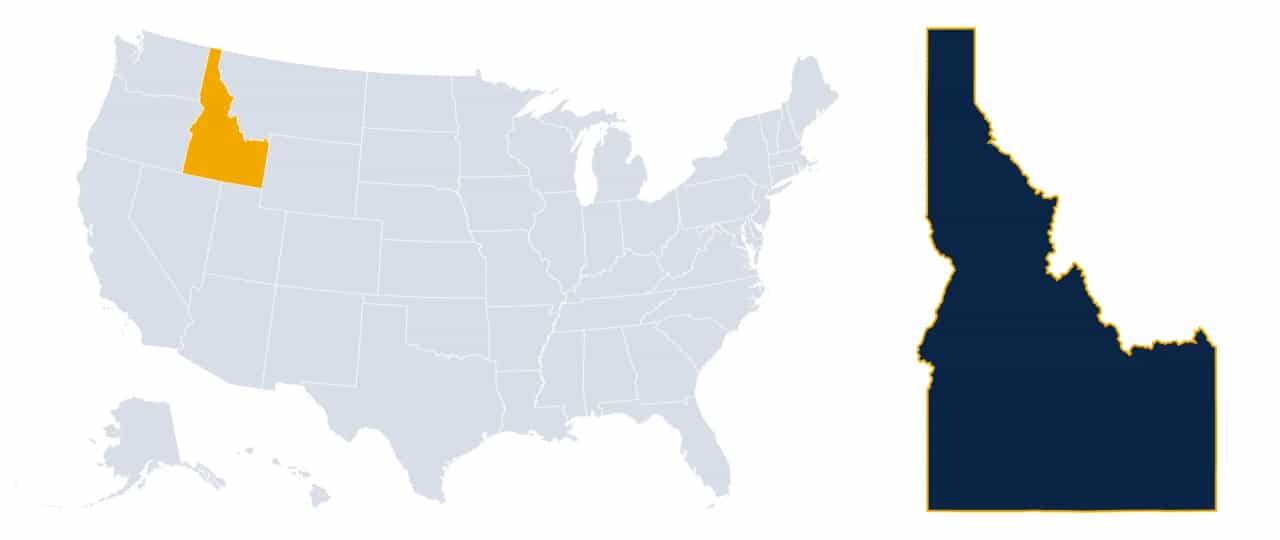
Boise, Idaho’s capital, spreads along the Boise River beneath the sagebrush foothills, and its homes range from 1890s Victorians in the North End to subdivisions still being built at the city’s edges. Idaho Power supplies the electricity, and the city runs its own electrical permit program. Cold winter inversions, the occasional heavy snow year, hot dry summers and a newer threat of wildfire shutoffs in the foothills define the electrical questions Boise homeowners bring to an electrician.
By calling, you agree to be connected with an independent electrician, who may call or text you back about your request at the number you call from. Calls may be recorded for quality and routing. Consent is not a condition of any purchase, and you can opt out at any time; message and data rates may apply. Privacy policy.
Serving North End, East End, Boise Bench, Harris Ranch, Barber Valley, West Boise and every other Boise neighborhood.
Boise at a glance
Electric utility
Idaho Power
Permits and inspections
City of Boise Planning and Development Services, Building Division (electrical permits and inspections)
County
Ada County
ZIP codes include
83702 · 83704 · 83705 · 83706 · 83709 · 83716
Electrical services in Boise
What do you need help with in Boise, ID?
The calls Boise homeowners make most, followed by every service independent licensed electricians handle here.
The North End and the Warm Springs Avenue area hold houses from the 1890s through the 1940s, from Queen Annes and foursquares to Craftsman bungalows and Tudor Revivals. The Boise Bench filled with smaller homes in the 1940s through the 1960s. West Boise and much of the southeast added subdivisions in later decades, while Harris Ranch and the Barber Valley are largely 2000s-and-later construction near the foothills.
Problems that come up again and again in local homes, and the service that fixes each one.
01
Old wiring in North End houses
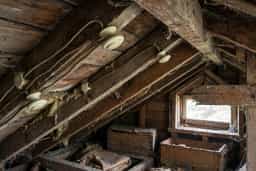
Homes built before World War II may still have knob-and-tube or cloth-covered wiring hidden in walls and attics, sometimes buried under insulation. An inspection shows what is still in service before a remodel or a sale.
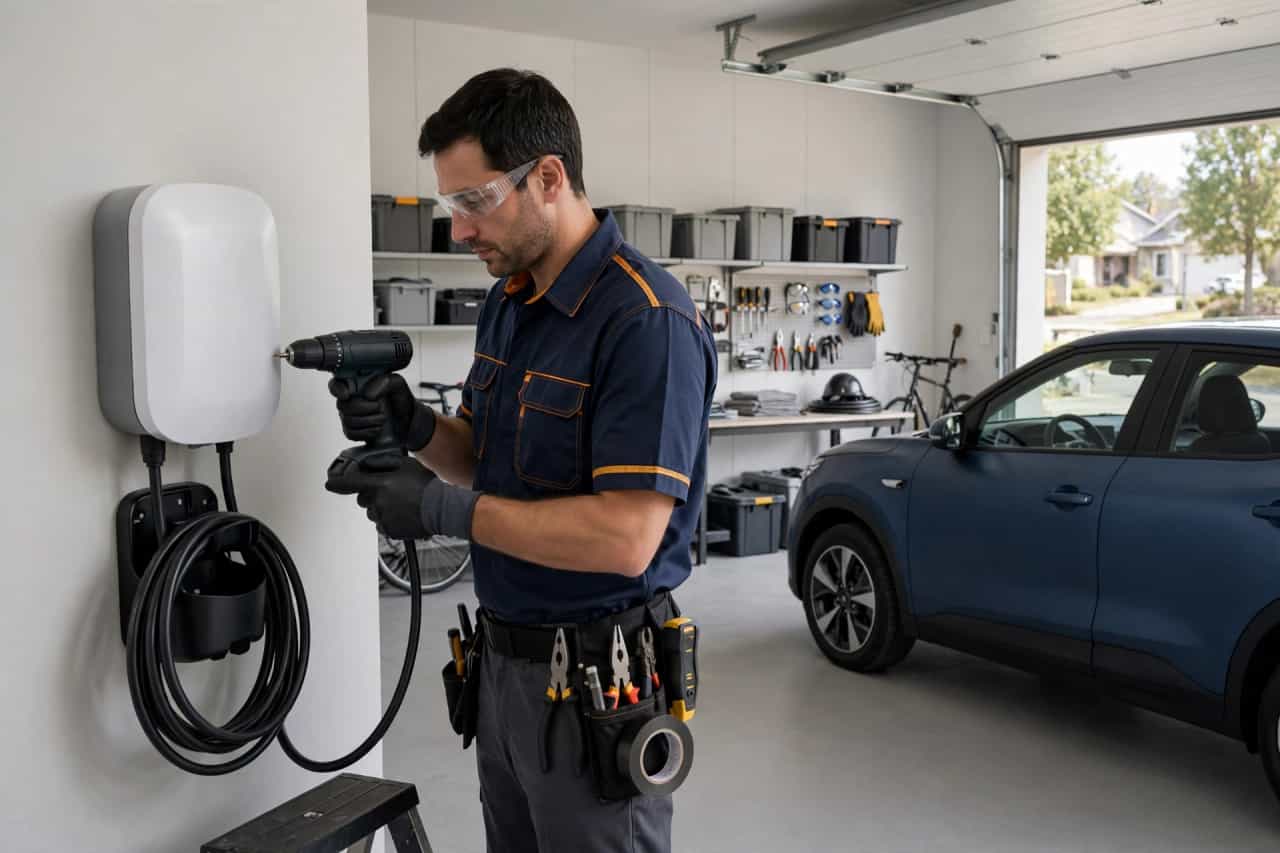
Idaho Power can cut power ahead of high winds and dry conditions in the foothills. Homes near the wildland edge increasingly add a transfer switch or standby generator so wells, refrigerators and medical devices keep running.
Mid-century Bench houses often still have 60- or 100-amp services. Adding air conditioning, an electric range or an EV charger to one of them usually starts with a load calculation and a panel upgrade.
History, housing, weather and rules that shape electrical work in Boise, ID.
Idaho Power across the Treasure Valley
Idaho Power serves Boise along with much of southern Idaho, and every home in the city is on its system. That makes service upgrades fairly predictable: the electrician coordinates the disconnect and reconnect with one utility and one city inspection program. Idaho Power also handles meter work, new service drops for additions and outage reporting. Questions about rate plans, rooftop solar interconnection and planned shutoffs all go through the same utility.
Warm Springs Avenue and geothermal heat since 1892
In 1892 the Moore-Cunningham House on Warm Springs Avenue became the first home heated by water piped from nearby hot springs, and the system that grew from it is recognized as the earliest geothermal district heating project in the United States. It still serves hundreds of buildings. Homes on the line may rely less on electric heat, but their pumps, controls and circulators need sound wiring and proper protection.
Hyde Park and the North End’s 1890s streets
Hyde Park, laid out in the 1890s, sits at the heart of the North End, where tree-lined streets hold Queen Anne cottages, foursquares and Victorian houses. Many have been rewired in pieces, with modern cable in kitchens and baths and older wiring still feeding bedrooms and attics. Tracing every circuit in a house that age takes patience, and plaster walls make careful routing more important than speed.
Craftsman bungalows and Harrison Boulevard Tudors
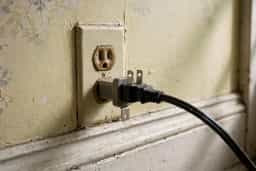
Craftsman bungalows spread across the North End in the early twentieth century, and the Harrison Boulevard Historic District mixes them with Tudor Revival and other period houses. Owners restoring them often want period-appropriate fixtures with modern wiring behind them. Original two-prong receptacles, ungrounded circuits and basements finished decades ago with surface wiring are common findings, and each can be addressed without losing the house’s character.
Mid-century homes on the Boise Bench
Most Boise Bench homes were built between the 1940s and the 1960s, and the Central Bench includes many smaller, more affordable houses from that boom. Some sit on the rim with views back over the river valley. Their original services were modest, and later additions such as central air, electric water heaters and garage workshops have pushed many panels to capacity. Panel replacements and grounded outlet upgrades are among the most frequent Bench projects.
Harris Ranch and the Barber Valley
East of downtown, Harris Ranch and the surrounding Barber Valley have grown since the 2000s with single-family homes, townhomes and mixed-use blocks between the river and the foothills. These homes have modern panels, but owners still ask for EV chargers, generator connections, landscape lighting and smart-home wiring. Being close to the foothills also puts parts of this area within reach of wildfire smoke, evacuations and planned power shutoffs.
The Table Rock Fire, June 29, 2016
On June 29, 2016, illegal fireworks near Table Rock started a fire that burned more than 2,600 acres of the foothills above East Boise, destroyed a home on Pheasant Lane and threatened dozens of houses in Harris Ranch. It was a reminder of how close the city sits to dry rangeland. Defensible space, exterior fixtures kept in good repair and a plan for power loss during an evacuation all matter on the foothills edge.
Idaho Power’s first planned shutoff, July 24, 2024
Idaho Power has had a Public Safety Power Shutoff plan since 2022, and on July 24, 2024 it used it for the first time, turning off power to about 9,100 customers as gusts near 60 mph met high fire danger. The foothills and southern Ada County were among the areas most likely to be affected. Homes there benefit from a properly installed transfer switch or interlock, never an extension cord fed back through a wall outlet.
Snowmageddon, January 2017
The winter of 2016 to 2017 dropped about 21 inches of snow on Boise in January alone. Roofs collapsed in communities across southwest Idaho, and Boise and Meridian declared emergencies to bring in the Idaho National Guard for snow removal. Heavy snow sliding off roofs can tear service masts and meter bases away from a house, and those need a licensed repair before reconnection.
High water on the Boise River in spring 2017
When that deep snowpack melted in spring 2017, the Boise River ran high for weeks and lowland areas flooded. Basements and crawlspaces along the river corridor took on water. Electrical equipment that has been submerged, including panels, receptacles and furnace controls, should be replaced rather than dried and reused. Keep the power off to wet equipment and have it checked before anyone resets a breaker.
Winter inversions and heating loads
Cold air often settles in the Treasure Valley during winter, trapping haze and holding temperatures low for days. Homes that depend on electric baseboard heat, heat pumps or space heaters draw heavy current through those stretches. Warm cover plates, discolored receptacles and breakers that trip whenever a heater runs are signs a circuit is overloaded. Unplug the heater, avoid extension cords and have an electrician add a dedicated circuit.
Idaho Power time-of-use pricing
Idaho Power offers a residential time-of-use plan in Idaho, and in the summer months its highest-priced on-peak window runs from 7 to 11 p.m. Monday through Saturday, with a mid-peak period from 3 to 7 p.m. Households on that plan get the most from programmable EV chargers, water heater timers and smart thermostats that shift use into off-peak hours. Those devices work best on dedicated circuits sized for their loads.
Boise’s homeowner electrical permits
The city lets homeowners pull electrical permits for work on their own homes, and its homeowner process includes a mandatory preliminary conference before work starts, a rough-in inspection with conductors made up in boxes, and a final inspection with devices installed and energized. Correction inspections follow if needed. Inspection requests go to the Building Division at (208) 608-7070. Service, panel and generator work is best handled by a licensed electrician.
Idaho’s electrical licensing through DOPL
Idaho licenses journeyman and master electricians and electrical contractors through the Division of Occupational and Professional Licenses. Before hiring, ask for the contractor’s license number and check it on DOPL’s online lookup. In Boise, the contractor pulls the permit from the city rather than the state, but the state license is what allows them to do the work in the first place.
Code editions in Boise
Boise adopts the National Electrical Code edition that the State of Idaho adopts under Title 54, Chapter 10 of Idaho Code, with the state code serving as the standard for any local changes. That means requirements such as arc-fault and ground-fault protection follow the current statewide edition. When a remodel opens walls or extends circuits, the new work must meet that edition even if the rest of the house was wired long ago.
Downtown condos and mixed-use buildings
Downtown Boise has added mid-rise and high-rise residential buildings in recent years, along with offices and restaurants converted from older commercial space. Condo owners usually ask for lighting changes, ceiling fans and circuits for home offices, while the building manages the service. Business owners renovating storefronts need commercial permits and often three-phase service or upgraded lighting, all inspected through the same city program.
East End homes below the foothills
The East End stretches from the Warm Springs Avenue mansions toward Table Rock, mixing historic houses with mid-century and newer homes on the slopes. Hillside lots mean longer service runs, detached garages and outdoor lighting on steps and retaining walls. Exterior fixtures and receptacles need weatherproof covers and ground-fault protection, and wildfire risk on the slopes is a reason to keep outdoor wiring in good repair.
Summer heat and air conditioning in a dry climate
Boise summers are hot and dry, with stretches near or above 100 degrees, and many older homes added central air long after they were built. A new condenser on a small service, wired on an aging circuit, is a frequent source of tripped breakers. Before replacing or adding air conditioning, have the panel capacity and the condenser circuit checked so the new system has the wire size and protection it needs.
New subdivisions on the city’s edges
Boise has been among the faster-growing cities in the region, and new subdivisions have spread across West Boise and the southeast. Newer homes typically arrive with 200-amp services, but buyers still ask for EV chargers in the garage, extra outdoor receptacles, surge protection and smart lighting. Planning conduit and spare breaker space at move-in costs less than retrofitting later, after drywall and landscaping are finished.
Selling an older Boise house
Buyers’ inspectors in Boise regularly flag older electrical work: ungrounded three-prong outlets, double-tapped breakers, open junction boxes in attics and panels from manufacturers with poor track records. Handling those items before listing removes surprises from negotiations. A pre-sale electrical inspection gives sellers a clear list to work from, and repairs made under a city permit leave an inspection record that buyers and their lenders can rely on.
Questions
Questions from Boise, ID homeowners
Is there a 24 hour emergency electrician in Boise, ID?+
Yes. Call (855) 679-2483 any time, day or night, and you are connected with an independent licensed electrician who covers Boise, including North End, East End, Boise Bench. For sparks, smoke or a hot panel, call 911 first.
Who handles electrical repair and generator installation in Boise?+
Licensed electrical contractors working in Ada County handle outlet and switch repair, circuit troubleshooting, panel work and standby generator installation. Permits go through City of Boise Planning and Development Services, Building Division (electrical permits and inspections).
Who issues electrical permits in Boise?+
The City of Boise’s Planning and Development Services Building Division issues electrical permits inside city limits and performs the inspections. Permits are required for installing, changing or repairing hard-wired electrical systems, including new outlets, light fixtures or replacing a fuse box. Addresses outside the city may fall under the state Division of Occupational and Professional Licenses or another city instead.
Who do I call if my power keeps going out in Boise?+
Report a neighborhood outage to Idaho Power first. If the street has power but your house keeps losing circuits, breakers trip repeatedly or lights dim when appliances start, call (855) 679-2483 to be connected with an independent licensed electrician. If you smell burning or see sparks, leave the area and call 911.
Can a homeowner do their own electrical work in Boise?+
Yes, Boise allows homeowners to permit some work on their own home, but the city requires a preliminary conference, a rough-in inspection and a final inspection. Anything involving the service or a panel is best left to a licensed electrician, and nobody should work inside an energized panel.
By calling, you agree to be connected with an independent electrician, who may call or text you back about your request at the number you call from. Calls may be recorded for quality and routing. Consent is not a condition of any purchase, and you can opt out at any time; message and data rates may apply. Privacy policy.
Free to call
Explain the problem in plain words
Connect with an independent licensed electrician near you
Smoke, flames or sparking? Leave the building and call 911 first.
Pronto Electrician is a free referral service. The electricians you are connected with are independent contractors, not employees or agents of Pronto Electrician. Pronto Electrician does not perform electrical work, and the electrician you choose sets the price, schedule, permits and warranty.
By calling, you agree to be connected with an independent electrician, who may call or text you back about your request at the number you call from. Calls may be recorded for quality and routing. Consent is not a condition of any purchase, and you can opt out at any time; message and data rates may apply. Privacy policy.