01
Small apartment and brownstone services
Adding mini-splits, induction ranges or dryers usually requires a load review, and in co-ops and condos, board and building approval.
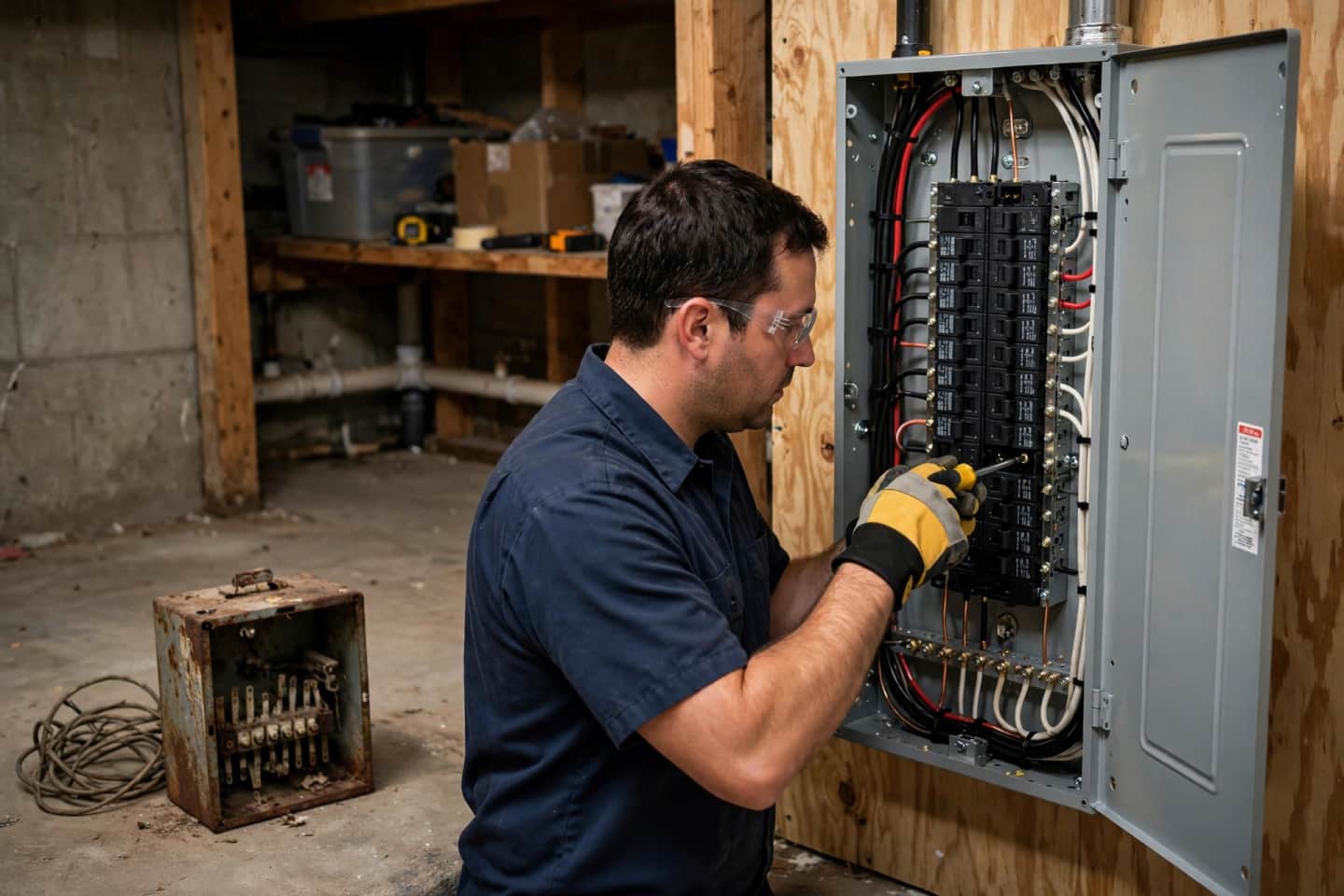
Electrical Panel Upgrade
In New York City, electrical work must be filed with the Department of Buildings by a Licensed Master Electrician, and most homes are on Con Edison. The city’s mix of pre-war apartments, brownstones and rowhouses means a lot of small, old services trying to power modern kitchens, window and mini-split air conditioners, and induction cooking. Superstorm Sandy in 2012 also showed how vulnerable basement electrical equipment is to flooding.
Free to call · Independent licensed electricians
Serving Upper West Side, Harlem, Park Slope, Bedford-Stuyvesant, Forest Hills, Astoria and every other New York City neighborhood.
New York City at a glance
Electrical services in New York City
The calls New York City homeowners make most, followed by every service independent licensed electricians handle here.
Not sure which service you need? Describe the problem and an electrician will tell you.
Call for Electrical Service in New York CityHousing and wiring
Brownstones and rowhouses in Brooklyn and Harlem often date to the late 1800s and early 1900s, with fuse boxes, ungrounded circuits and services of 60 amps or less. Pre-war co-ops and condos may limit what each apartment can draw, so building approval is often part of the job.
Neighborhoods we cover
Local issues
Problems that come up again and again in local homes, and the service that fixes each one.
Adding mini-splits, induction ranges or dryers usually requires a load review, and in co-ops and condos, board and building approval.
Electrical Panel UpgradeMeters and panels in basements can be damaged in coastal storms and flash floods. Raising equipment is a common resilience upgrade.
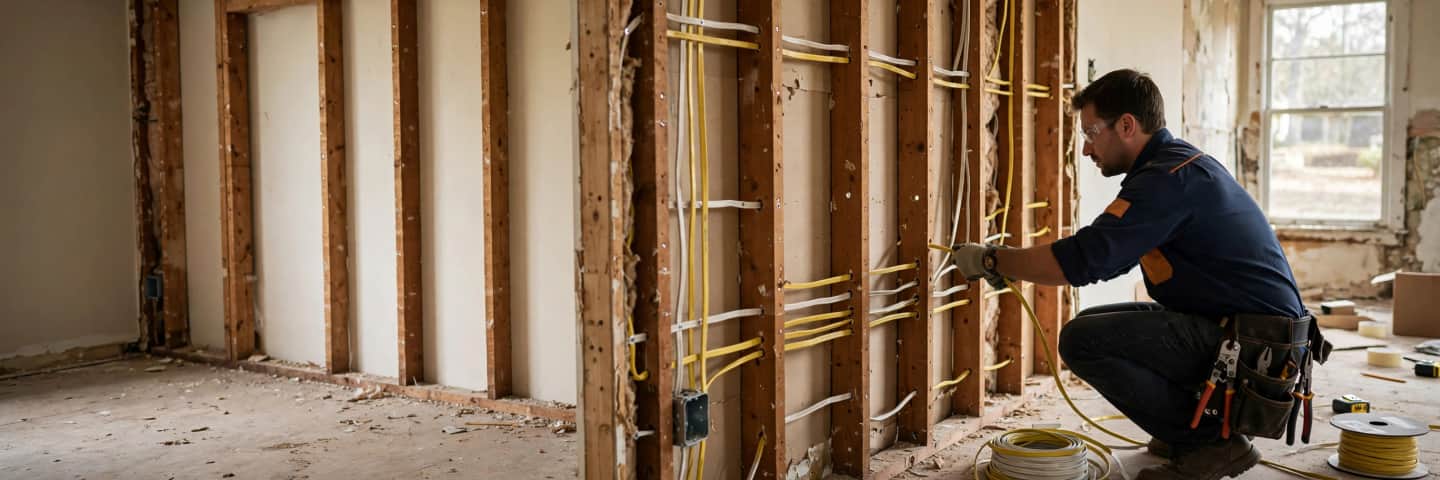
Emergency ElectricianBrownstone renovations frequently uncover knob-and-tube and cloth wiring that must be replaced as walls are opened.
House RewiringLocal guide
History, housing, weather and rules that shape electrical work in New York City, NY.
In New York City, almost all electrical work beyond simple device replacement must be filed with the Department of Buildings by a Licensed Master Electrician, who is responsible for the job and its inspection. Filings are made through the city’s online system, and the electrician schedules the DOB electrical inspection when the work is complete. Homeowners cannot pull their own electrical permits.
Park Slope, Fort Greene, Bedford-Stuyvesant, Harlem and the Upper West Side are lined with brownstones and rowhouses from the late 1800s. Many have been divided into apartments and later reconverted, leaving a mix of old meters, small panels and wiring from several eras. Full gut renovations usually include a new service, a meter bank sized to the final number of units and new wiring throughout.
Most Manhattan apartments are in pre-war or post-war co-op and condominium buildings. Boards set alteration rules, require proof of insurance and licensing, and often limit what can be added to each unit because the building’s risers have finite capacity. Washer-dryers, central air and induction ranges may require a riser upgrade or simply be prohibited.
Queens neighborhoods such as Forest Hills, Jackson Heights and Astoria mix attached houses, detached homes and garden apartments. Staten Island has many detached homes with driveways where EV charging and generators are easier to add. Much of the Bronx has large pre-war apartment buildings. Each housing type brings its own electrical constraints.
When the remnants of Hurricane Ida dumped record rainfall on September 1, 2021, water poured into basement apartments in Queens and Brooklyn, and several residents died. Many basement units are unpermitted and lack safe exits, alarms and proper wiring. Legalizing a basement unit requires a permit, smoke and carbon monoxide alarms, and electrical work that meets code.
Sandy’s storm surge in October 2012 flooded the Rockaways, Coney Island, Red Hook, Lower Manhattan and Staten Island’s east shore. Afterward, the city updated building rules to encourage raising electrical equipment above flood levels in flood zones. Owners renovating in these neighborhoods should plan meter and panel locations with flood elevation in mind.
Con Edison runs much of its Manhattan distribution system underground in vaults and conduits. Service upgrades for larger loads may require Con Edison to study and expand the feed to a building, which can take months. Owners planning major electrification should contact the utility early through their electrician.
Local Law 97 sets emissions limits for large buildings, pushing many co-ops and condos to replace oil and gas boilers with heat pumps and to improve efficiency. Those projects often require building-wide electrical upgrades, new risers and coordination with Con Edison. Individual owners may see new rules on what equipment they can add during the transition.
Many New Yorkers cool their apartments with window air conditioners on old shared circuits. When several units run at once, breakers trip or fuses blow and outlets overheat. Dedicated circuits, or replacing window units with ductless heat pumps, make apartments safer during heat waves.
Most New Yorkers park on the street or in garages, and the city has been expanding curbside charging. Homeowners with driveways in Staten Island, Queens and the Bronx can add Level 2 chargers, often after a load calculation for an older service.
Fires from e-bike and scooter batteries have become a serious problem in New York City, and the FDNY has urged residents to charge them safely. Charge only certified batteries with the proper charger, avoid charging overnight near exits, and never use damaged batteries. Overloaded power strips in small apartments add to the risk.
Common requests include brownstone service upgrades, apartment rewiring during renovations, dedicated circuits for air conditioning and appliances, basement unit legalization, flood-related equipment relocation and EV chargers in the outer boroughs.
A typical New York City gut renovation involves a general contractor, plumber, electrician and often an architect or engineer, each filing their part of the work with the Department of Buildings. The Licensed Master Electrician’s filing covers new wiring, panels and fixtures, and the work cannot be closed up until the electrical inspection passes. Delays in one trade ripple through the project, so it helps to have the electrician involved from the design stage, especially for decisions about kitchen circuits, laundry, heat pumps and where the panel will go.
Con Edison supplied direct current to parts of Manhattan well into the twentieth century and only ended its last DC service in 2007. While modern homes no longer receive DC, some very old buildings still contain abandoned wiring, odd panels and long-forgotten conduits from that era. Renovations in landmark buildings sometimes uncover these relics, which should be identified and removed rather than reused.
Many smaller buildings in Brooklyn, Queens and the Bronx still burn heating oil, and the city’s climate laws and incentive programs are encouraging owners to switch to heat pumps. In a two- or three-family house, that typically means adding outdoor units on roofs or in yards, new circuits for each unit, and a larger service to carry the winter heating load. Planning the electrical upgrade alongside the heating design avoids a second round of work.
Flat roofs on brownstones and attached houses in Brooklyn and Queens are good candidates for solar, and city and state incentives help with cost. Solar on a roof in a historic district may need Landmarks Preservation Commission review if visible from the street, and every system needs a building permit, an electrical filing and Con Edison interconnection approval before it is switched on.
In co-ops and condos, board approval, alteration agreements, insurance certificates and building work-hour rules often add weeks before an electrician can start. Getting the electrician’s scope and license documents to the managing agent early keeps the project from stalling.
Detached homes in Staten Island, eastern Queens and the north Bronx often have driveways, basements and yards, which makes generators, EV chargers and heat pump condensers far easier to place than in Manhattan.
Questions
Electrical work must be performed under a Licensed Master Electrician registered with the NYC Department of Buildings, who also files the permit.
Sometimes. It depends on the building’s service and riser capacity, Con Edison, and in co-ops and condos, board approval.
Problem guides
 Breaker Keeps TrippingWhy does my circuit breaker keep tripping?
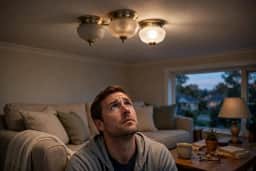 Flickering LightsWhy are the lights in my house flickering?
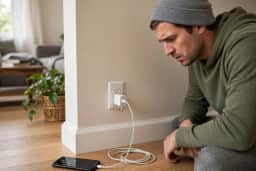 Outlet Not WorkingWhy did my outlet suddenly stop working?
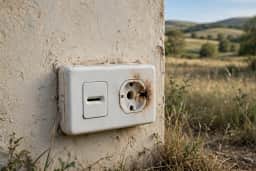 Burnt or Scorched OutletWhat should I do if an outlet has burn marks?
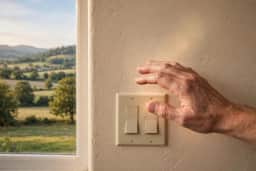 Warm Light SwitchIs it normal for a light switch to feel warm?
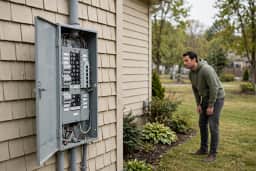 Buzzing Electrical PanelWhy is my electrical panel buzzing?
Same-day help often available
Call an electrician in New York City
Describe the problem and your New York City neighborhood. Your call goes to an independent licensed electrician who works locally.
Call (855) 679-2483Smoke, flames or sparking? Leave the building and call 911 first.
Pronto Electrician is a free referral service. Calls are answered by independent licensed electricians in your area. Pronto Electrician does not perform electrical work, and the electrician you choose sets the price, schedule, permits and warranty.
Free to call · All 50 states + DC
Describe the problem and get connected with an independent licensed electrician who serves your area.