
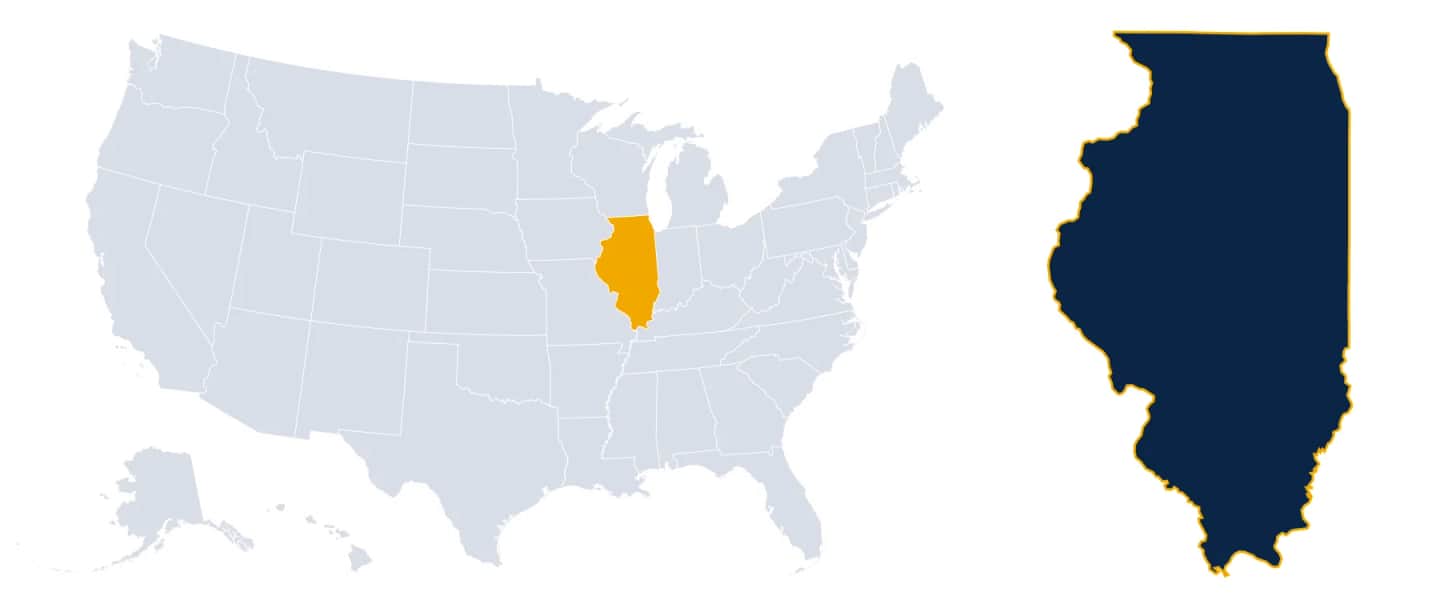
01
Conduit wiring requirements
Because Chicago requires metal conduit for most wiring, remodels and rewiring take more planning than in suburbs that allow cable. Hire an electrician licensed by the city.
House Rewiring
Chicago does electrical work differently from most of the country. The city has long required wiring to run in metal conduit rather than the plastic-sheathed cable common elsewhere, and electrical contractors must be licensed by the city. That affects how renovations, new circuits and rewiring are done in the bungalows, two-flats and greystones that make up most of the housing stock.
Free to call · Independent licensed electricians
Serving Lincoln Park, Lakeview, Logan Square, Avondale, Lincoln Square, Portage Park and every other Chicago neighborhood.
Chicago at a glance
Electrical services in Chicago
The calls Chicago homeowners make most, followed by every service independent licensed electricians handle here.
Not sure which service you need? Describe the problem and an electrician will tell you.
Call for Electrical Service in ChicagoHousing and wiring
The Bungalow Belt, two-flats and greystones were mostly built between 1900 and 1940. Many still have knob-and-tube wiring in parts of the house, 60-amp services or fuse panels, and decades of modifications. Winters are long and cold, so space heaters and heat tape add load to old circuits.
Neighborhoods we cover
Local issues
Problems that come up again and again in local homes, and the service that fixes each one.
Because Chicago requires metal conduit for most wiring, remodels and rewiring take more planning than in suburbs that allow cable. Hire an electrician licensed by the city.
House RewiringMany older two-flats still run on fuses or small services. Upgrades are coordinated with ComEd and require a city permit.
Electrical Panel UpgradeSpace heaters on old circuits are a common cause of overheating. Dedicated circuits for heaters and heat tape are safer than extension cords.
Outlet & GFCI InstallationLocal guide
History, housing, weather and rules that shape electrical work in Chicago, IL.
Because Chicago requires most residential wiring to run in metal conduit with metal boxes, a kitchen remodel or rewiring job in the city involves bending and installing conduit rather than pulling plastic-sheathed cable through walls. That adds labor and material, and it is one reason Chicago electrical quotes can be higher than suburban ones for similar work. The payoff is durable, well-protected wiring.
Lincoln Park, Lakeview and Bucktown have greystones and frame houses from the late 1800s. Logan Square and Humboldt Park have greystone two-flats and large boulevard homes. The Bungalow Belt runs through Portage Park, Jefferson Park, Chatham and Beverly. Pilsen has small workers’ cottages and two-flats, Rogers Park and Edgewater have many courtyard apartment buildings, and Hyde Park mixes historic homes with university housing.
Chicago’s two-flats and three-flats typically have one meter and panel per unit plus a house panel for common areas. Many have been deconverted into single-family homes or converted into condominiums. Either change usually means reworking the services, meter bank and panels to match the new layout, coordinated with ComEd.
Courtyard apartment buildings from the 1910s and 1920s line streets in Rogers Park, Edgewater, Uptown and other North Side neighborhoods. Many were converted to condominiums with shared electrical rooms and limited capacity per unit. Adding in-unit laundry, central air or EV charging in the garage requires association approval and sometimes building-wide upgrades.
Most Chicago homes get power from poles in the rear alley, with service drops crossing backyards to the house or garage. Alley trees, garage roofs and stacked utilities make these drops vulnerable in storms. Adding a garage EV charger often means running a new conduit feeder from the house basement panel across the yard.
Chicago licenses electrical contractors and supervising electricians, and only licensed contractors can obtain electrical permits from the Department of Buildings. Ask any electrician working in the city for their Chicago contractor license number before work begins.
Chicago swings from subzero cold during polar vortex events to humid summer heat waves. Space heaters in drafty flats overload old circuits in winter, and window air conditioners do the same in summer. Dedicated circuits for heating and cooling are among the most useful upgrades in older buildings.
Chicago adopted EV-readiness requirements for new residential construction with parking, so new buildings are prepared for charging. In older buildings, adding chargers is a retrofit project that depends on garage location, panel capacity and, in condos, association approval.
Common requests include service upgrades for flats, conduit rewiring during renovations, garage feeders for EV chargers, dedicated circuits for air conditioning and kitchens, basement unit wiring and sump pump circuits.
Chicago has tens of thousands of brick bungalows built mostly between 1910 and 1940, forming a crescent of neighborhoods around the city. Many still have small services and early wiring in attics and basements. The Historic Chicago Bungalow Initiative has encouraged sensitive updates that keep their character while modernizing systems.
Chicago’s greystones have limestone facades and thick masonry walls that make running new circuits a challenge. Electricians typically route conduit through basements, chases and interior walls, avoiding the stone face.
Garden apartments and finished basements are common in Chicago, but the combined sewer system can back up into basements during heavy rain. The Deep Tunnel project reduces flooding, but backups still happen. Basement electrical equipment should be raised, and backflow prevention and sump pump backup are wise.
Lakefront condominium towers from Edgewater to the South Loop have shared electrical systems and building rules. Unit renovations, EV charging and panel changes need building approval and coordination with management.
Pilsen and Little Village have dense workers’ cottages and two-flats from the late 1800s and early 1900s. Many need panel upgrades and rewiring as they are renovated.
Rodents in older Chicago buildings chew insulation in basements, attics and walls, creating fire hazards. Conduit offers protection, but older cable sections and exposed wiring should be inspected and replaced.
Heavy snow and ice weigh on alley service drops, and garage roofs can damage drops when snow slides off. Checking masts and drops after winter prevents surprises.
The Chicago Department of Buildings issues electrical permits, and many smaller jobs can be permitted through the city’s express permit program while larger renovations go through plan review. Inspections happen at rough-in and final stages. Because suburbs such as Evanston, Oak Park and Cicero each have their own rules, confirming the jurisdiction matters.
Many Chicago two-flats and three-flats have wooden back porches with lighting and outlets. Porch circuits are exposed to weather and should have weather-resistant fixtures and ground-fault protection. Rebuilding a porch is a good time to replace old exterior wiring.
Many Chicago flats are heated by old boilers or furnaces, and owners adding heat pumps must fit outdoor units into small yards or onto roofs and run conduit to each unit’s panel.
Many Chicago buyers deconvert two-flats into single-family homes. That usually means removing extra meters, consolidating panels into one larger service, and rewiring both floors in conduit. Coordinating the meter change with ComEd and the permit with the city is the critical path.
Because of conduit requirements and city inspections, Chicago renovations take more electrical time than many suburban projects. Scheduling the electrician early in the design keeps the project moving.
Lakefront neighborhoods on the far North Side face wind, lake spray and occasional shoreline flooding during strong storms. Buildings close to the water should keep exterior electrical equipment sealed and inspected, and basement electrical rooms protected from seepage, since many courtyard buildings there keep their meters and main disconnects below grade.
Chicago home inspections often flag fuse panels, overloaded subpanels and cable sections that do not meet city conduit rules, frequently left over from unpermitted work. Correcting them before closing avoids surprises at the first renovation.
Questions
Chicago has long required most wiring to be in metal conduit, unlike many suburbs. The electrician will design the job to meet the current city code.
Permits are issued by the Chicago Department of Buildings, and electrical work must be done by a contractor licensed by the city.
Problem guides
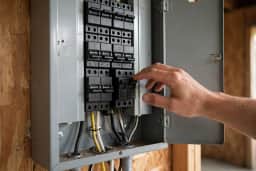 Breaker Keeps TrippingWhy does my circuit breaker keep tripping?
 Flickering LightsWhy are the lights in my house flickering?
 Outlet Not WorkingWhy did my outlet suddenly stop working?
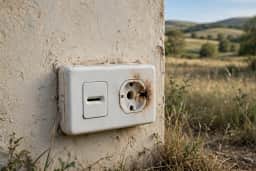 Burnt or Scorched OutletWhat should I do if an outlet has burn marks?
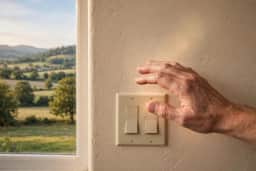 Warm Light SwitchIs it normal for a light switch to feel warm?
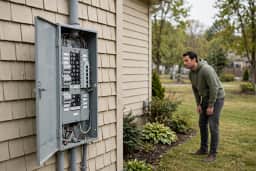 Buzzing Electrical PanelWhy is my electrical panel buzzing?
Same-day help often available
Call an electrician in Chicago
Describe the problem and your Chicago neighborhood. Your call goes to an independent licensed electrician who works locally.
Call (855) 679-2483Smoke, flames or sparking? Leave the building and call 911 first.
Pronto Electrician is a free referral service. Calls are answered by independent licensed electricians in your area. Pronto Electrician does not perform electrical work, and the electrician you choose sets the price, schedule, permits and warranty.
Nearby
Free to call · All 50 states + DC
Describe the problem and get connected with an independent licensed electrician who serves your area.