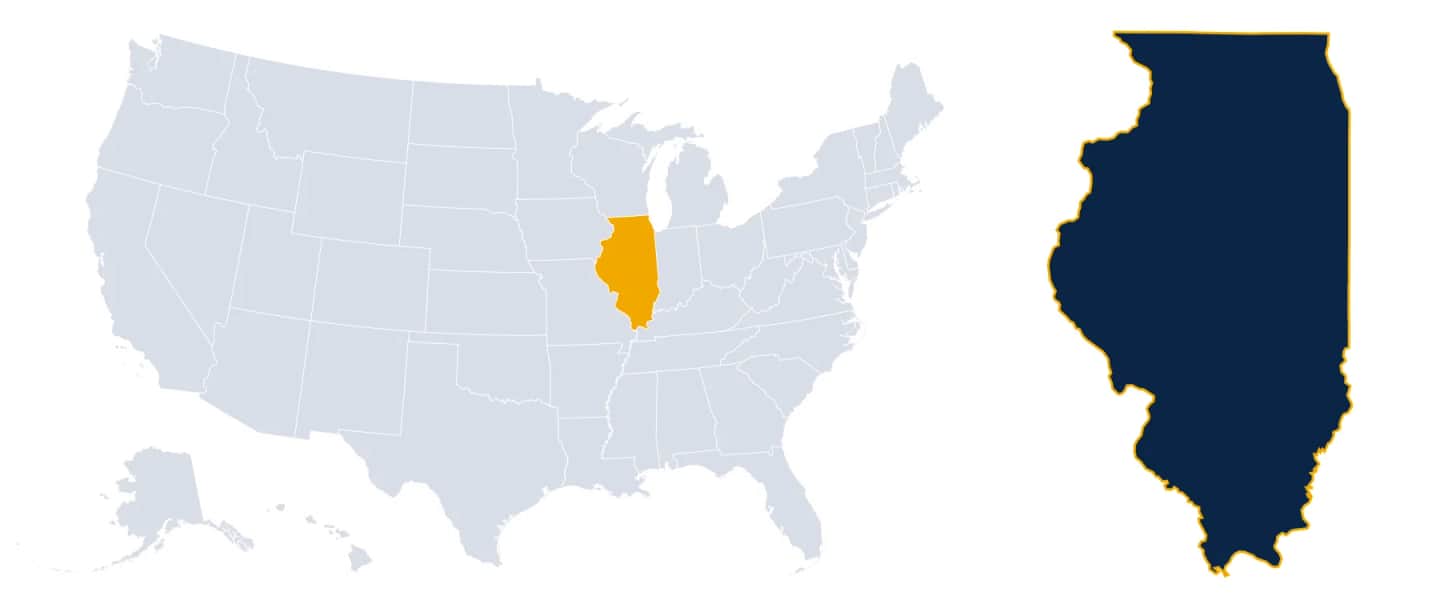
Illinois electrical work splits sharply between Chicago, with its own strict electrical code and licensing, and the rest of the state, where rules are set city by city. Brutal winters, summer derechos and tornadoes, and an aggressive state clean-energy law all shape what homeowners need from their electrical systems.
The hazards that drive the most electrical calls here, and how homeowners prepare for them.
Winter storms and cold
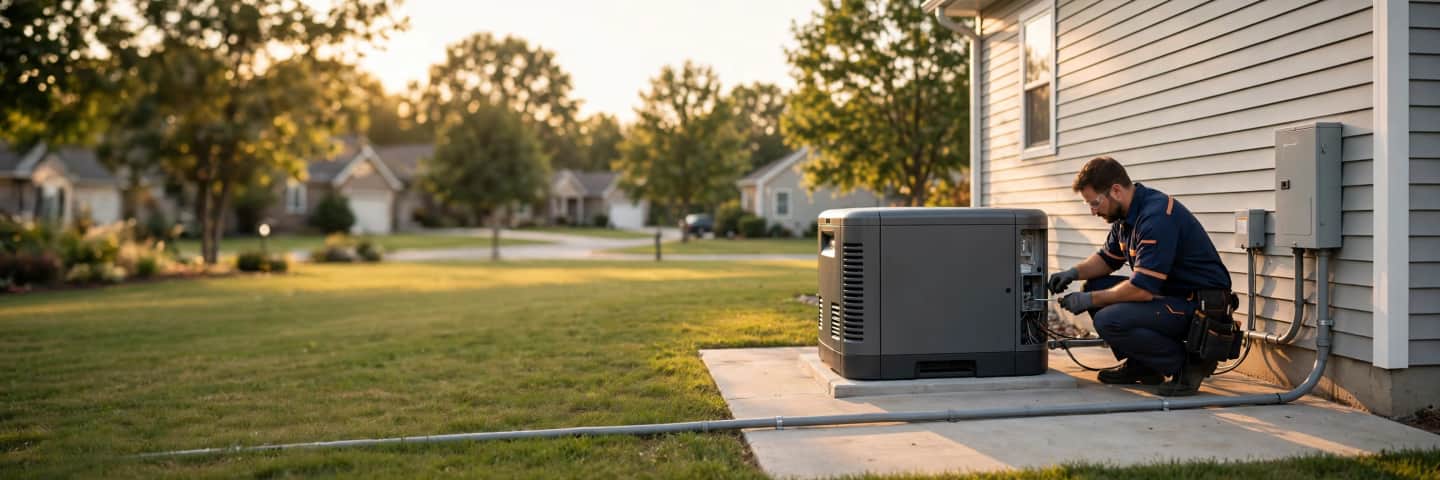
Heavy snow and wind cause outages when heating demand is highest. Generators, dedicated circuits for space heaters, and heat-tape circuits with GFCI protection are common winter projects. Avoid running heaters through extension cords or power strips.
Storm damage can tear service masts and meter bases from the home. After a storm, look for a leaning mast or pulled service cable and keep clear — the utility side stays energized. Repairs to the mast and meter base are usually the homeowner’s responsibility.
Nearby strikes send surges through power and communication lines. A whole-home surge protective device at the panel, a sound grounding system and point-of-use protection for electronics reduce damage to appliances and HVAC controls.
ComEd serves Chicago and most of northern Illinois. Ameren Illinois serves much of central and southern Illinois, including Peoria, Champaign, Decatur and the Metro East. MidAmerican Energy serves the Illinois side of the Quad Cities. Springfield has its own municipal utility, City Water, Light & Power, and other municipalities such as Naperville, Rochelle and St. Charles run their own electric systems. Electric cooperatives serve much of rural downstate.
Illinois allows customers in ComEd and Ameren territory to buy supply from alternative retail suppliers, but the utility still owns the delivery system and sets the requirements for service upgrades and reconnection.
Chicago’s electrical code
Chicago has long required most wiring to run in metal conduit, rather than the plastic-sheathed cable used in most of the country, and it licenses electrical contractors through the city. This makes Chicago remodels, rewiring and new circuits more involved than in many suburbs. Permits are issued by the Chicago Department of Buildings.
Outside Chicago, Illinois has no statewide electrician license. Many suburbs and cities register or license electrical contractors and adopt their own edition of the National Electrical Code with local amendments, some of which also require conduit. Ask any electrician which municipalities they are registered in and which code applies to your address.
Chicago-area housing
The city and inner suburbs are dominated by brick bungalows, two-flats, three-flats, greystones and frame cottages built between about 1890 and 1940. Many still have parts of their original wiring, fuse panels or 60-amp services. Basements are often finished or converted to garden units, adding circuits to small services.
Post-war suburbs ring the city with ranch homes and split-levels on original 100-amp panels, and newer subdivisions in the collar counties are built for heavier loads. Downstate cities such as Peoria, Rockford, Springfield and Decatur also have large stocks of early-1900s housing.
Extreme cold and winter storms
Chicago’s 2011 Groundhog Day blizzard and the January 2019 polar vortex, when temperatures fell far below zero, are reminders that a winter outage in Illinois is dangerous. Furnaces need electricity to run their blowers and controls, and sump pumps need power during thaws.
Space heaters on old circuits are a common cause of overheated outlets and fires in winter. Dedicated circuits for heaters, heat tape for pipes and backup power for furnaces and sump pumps are practical upgrades.
Derechos, tornadoes and severe storms
Illinois lies in a corridor of severe summer storms. The August 2020 derecho swept from Iowa across northern Illinois with hurricane-force winds and widespread outages, and tornadoes regularly strike central and southern Illinois. Storms tear service drops off houses, bend masts and break meter bases. The utility reconnects its line, but repairs on the house side must be done by an electrician first, and some municipalities require inspection.
Southern Illinois is also near the New Madrid seismic zone, so checking service equipment after any significant earthquake is sensible.
Clean energy, EVs and electrification
The Climate and Equitable Jobs Act of 2021 set Illinois on a path toward 100 percent clean energy by mid-century and expanded incentives for solar, EVs and electrification. Rooftop solar, EV chargers and heat pumps are all growing, especially in the Chicago suburbs.
Each adds load. A cold-climate heat pump and an EV charger together often push older 100-amp services past their limit, so a load calculation should come first. In Chicago, conduit requirements and older two-flat services mean EV charger and heat pump installations take more planning.
Regional differences
Chicago focuses on conduit-based remodels, flats and small services. The suburbs and collar counties see EV chargers, generators for sump pumps and basement finishing. The Rockford area and northwest have older industrial housing and harsh winters. Central Illinois, from Peoria to Champaign, deals with tornadoes, farms and wells. Southern Illinois has more rural cooperatives, older homes, flooding along the Mississippi and Ohio rivers, and longer outage restoration.
Garden units, coach houses and basements
Chicago’s 2021 accessory dwelling unit ordinance allowed coach houses and basement or attic units in parts of the city, adding a new source of electrical projects in two-flats and bungalows. A new unit typically needs its own panel or subpanel, smoke and carbon monoxide alarms, adequate lighting and receptacles, and sometimes a separate meter. Because Chicago requires conduit, these conversions take careful planning around low basement ceilings and masonry walls.
Flooded basements and sump pumps
Flat terrain, clay soils and combined sewers make basement flooding a recurring problem in Chicago and the inner suburbs. In July 2023, record rainfall flooded thousands of basements on the city’s West Side and in suburbs such as Cicero and Berwyn. Sump pumps, ejector pumps and backflow systems all need reliable power, so battery backup or generator circuits are among the most practical upgrades for Chicago-area homes.
If water reaches outlets, a furnace, a water heater or a panel in the basement, keep the power off to that area until an electrician has checked it.
Rebuilding after tornadoes
Central Illinois has seen destructive tornadoes, including the November 2013 EF4 tornado that destroyed hundreds of homes in Washington, near Peoria. Rebuilding after a tornado usually means a new service, new panel and new wiring throughout, all permitted and inspected. Even homes that look intact after a storm can have damaged masts, meter bases and roof penetrations that let water reach wiring, so a post-storm electrical inspection is worthwhile before relying on the system.
EV charging in flats and condos
Many Chicago residents live in two-flats, three-flats and condominium buildings where parking is in a rear garage off an alley or in a shared lot. Installing a charger means running conduit from a basement panel to the garage, which may require trenching, and in condominiums it requires association approval and a plan for metering and billing. Chicago’s conduit rules apply to these runs as well. In larger buildings, shared charging with load management is often more practical than individual circuits.
Lightning and surge protection
Illinois summer storms produce frequent lightning, and surges entering through power, cable and phone lines damage furnace and air conditioning control boards, garage door openers and electronics. A whole-home surge protective device installed at the panel, along with a sound grounding system, provides the first layer of protection, with point-of-use strips for sensitive equipment.
Farms and rural service downstate
Across central and southern Illinois, farmsteads have grain bins, dryers, shops and livestock buildings with heavy and sometimes three-phase loads, often fed by long overhead or underground services. Rural cooperatives and Ameren Illinois each have requirements for upgrading these services. Older farm wiring exposed to dust, moisture and rodents is a common fire risk and deserves periodic inspection, and well pumps should be part of any backup power plan.
Common electrical calls in Illinois
Frequent requests include fuse panel and service upgrades in flats and bungalows, rewiring during renovations, backup power for sump pumps, dedicated circuits for kitchens and basements, storm repairs to masts and meter bases, and panel upgrades for EV chargers and heat pumps.
Working with an electrician in Illinois
In Chicago, confirm the contractor is licensed by the city and will pull a Department of Buildings permit. Elsewhere, ask which municipalities the electrician is registered in, which code edition applies, and whether conduit is required. For service upgrades, ask how they will coordinate with ComEd, Ameren Illinois, MidAmerican or your municipal utility or cooperative. If your basement relies on a sump or ejector pump, ask the electrician to look at its circuit and a backup power option during the same visit, since pump failures during storms are one of the most common causes of basement damage in the state.
Electrical licensing and permits in Illinois are set by state and local authorities. The electrician confirms what applies to your project.
Services
Most requested in Illinois
Ranked by how many of this state’s climate risks each service addresses.
Connect with an independent licensed electrician near you
Smoke, flames or sparking? Leave the building and call 911 first.
Pronto Electrician is a free referral service. Calls are answered by independent licensed electricians in your area. Pronto Electrician does not perform electrical work, and the electrician you choose sets the price, schedule, permits and warranty.
Free to call · All 50 states + DC
Talk to a licensed electrician in Illinois
Describe the problem and get connected with an independent licensed electrician who serves your area.