Short answer
If only some rooms lost power, check for a tripped breaker or GFCI first. If none are tripped, you may have lost one of the two incoming service legs, which typically leaves half the house dark and 240-volt appliances not working. That requires the utility or an electrician.Electrical components involved: Power Out in Part of the House
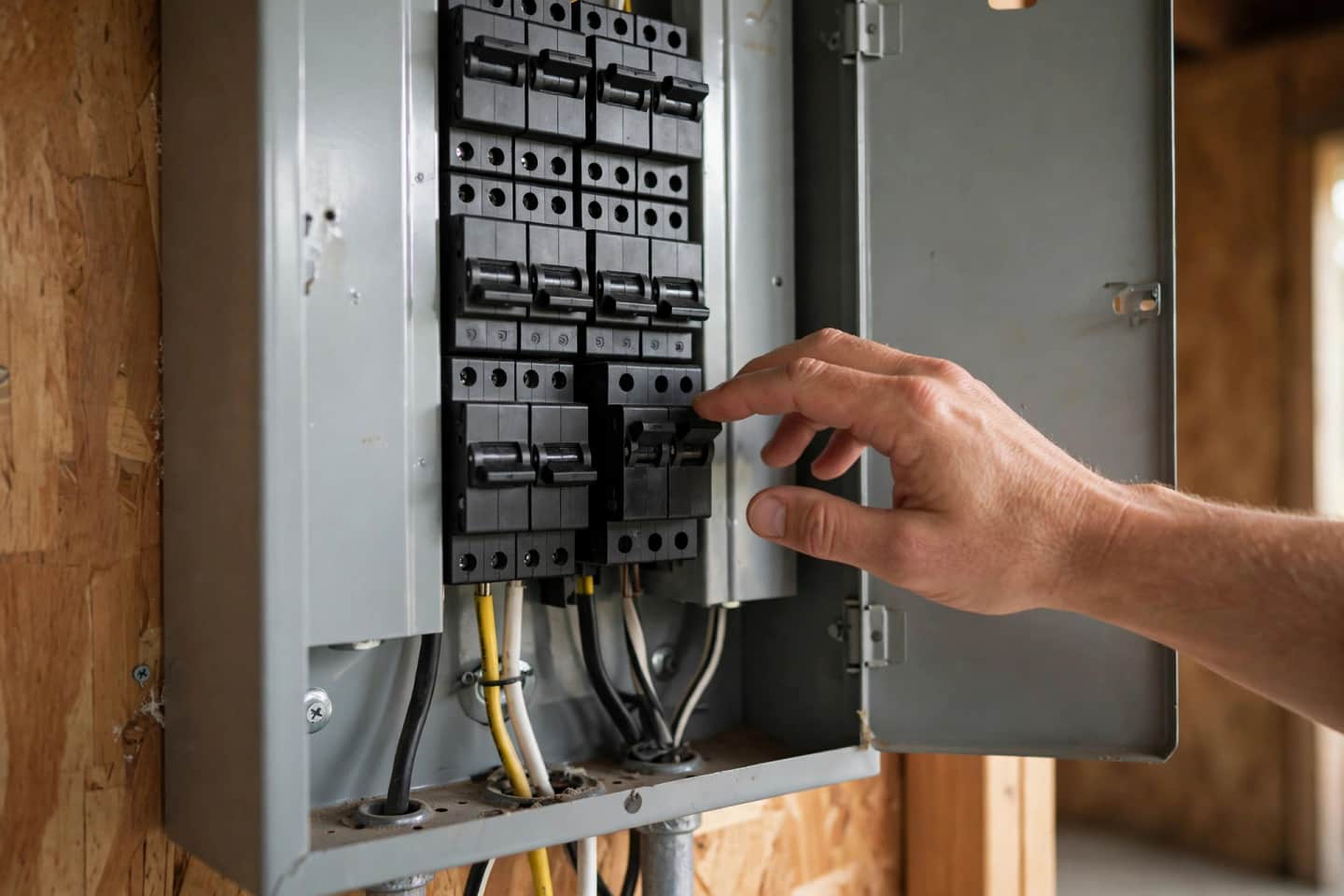
- Branch circuit breaker
- Protects one circuit; when it trips, every outlet and light on that circuit goes dead at once, often across more than one room.
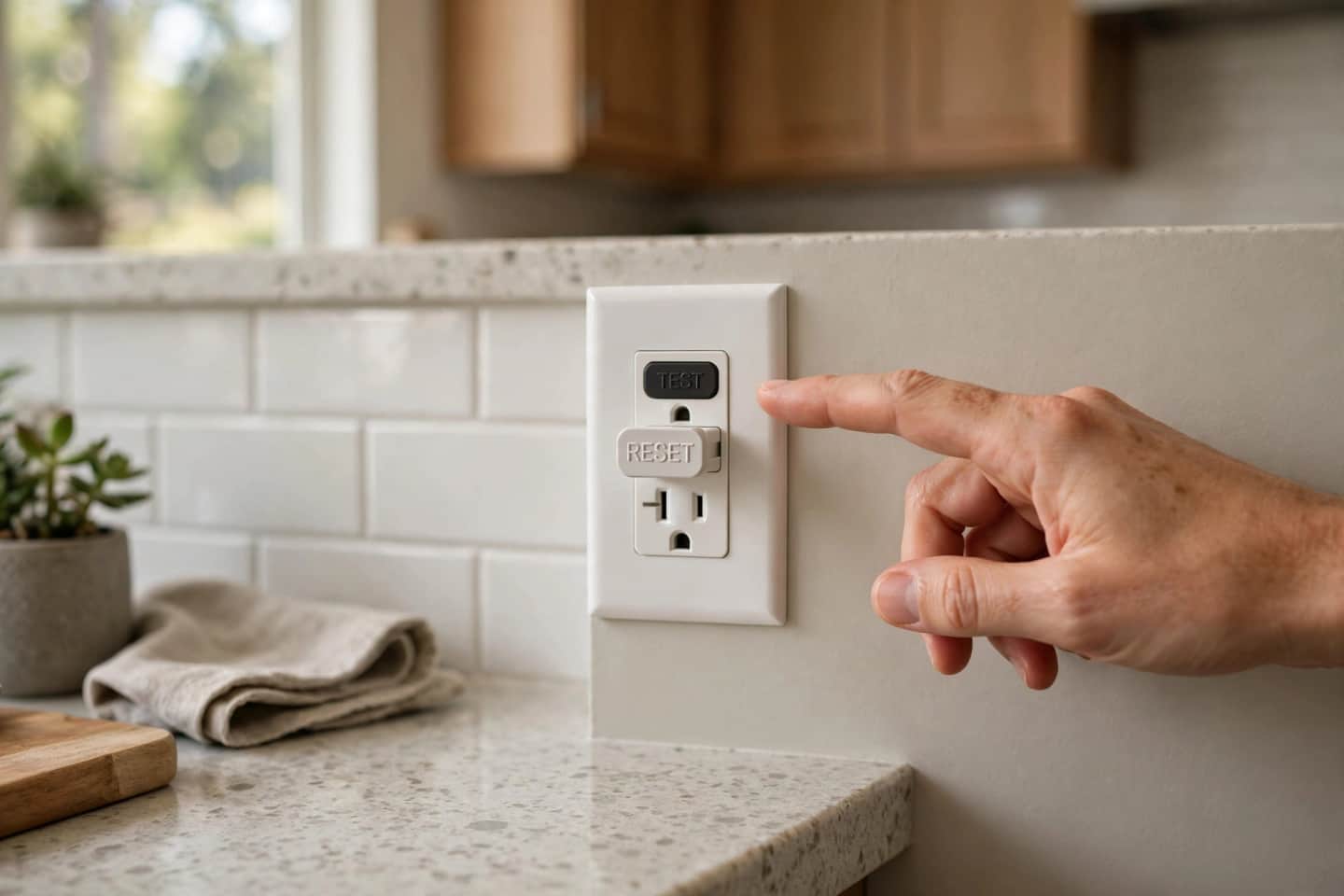
- GFCI receptacle
- A ground-fault outlet can protect other outlets downstream, so one tripped GFCI in a bathroom or garage can kill outlets elsewhere.
- Service legs (two hot conductors)
- Most homes receive two 120-volt legs; losing one typically darkens roughly half the circuits and stops 240-volt appliances.
- Main breaker
- Disconnects the whole panel; a worn or damaged main can pass power on one leg but not the other.
- Service neutral
- Balances the two legs; a loose or broken neutral can cause some lights to go dim while others glow unusually bright.
- Meter base and service drop
- The utility connection point; damaged lugs or a broken line here can drop one leg before power ever reaches the panel.
Common causes
- Tripped breaker
- Tripped GFCI feeding several rooms
- Loss of one service leg
- Failed main breaker
What you can safely check
- 1Reset tripped breakers once
- 2Check GFCIs
- 3Ask neighbors if they lost power
Stop and call an electrician when
- No breaker is tripped
- Lights are dim or unusually bright
What you are seeing, what it likely means, what to do
| What you notice | Likely meaning | Next step |
|---|---|---|
| One breaker is tripped and resets and holds | Likely an overload on that circuit | Spread out the load; call if it keeps happening |
| Breaker trips again the instant you reset it | Likely a short or ground fault | Leave it off and call an electrician |
| No breaker tripped, outlets dead near wet areas | A GFCI upstream has tripped | Find and reset the GFCI; call if it will not reset |
| About half the house out, 240-volt appliances dead | Possible lost service leg or failing main | Check with neighbors, report to the utility, then call an electrician |
| Some lights dim while others are very bright | Possible loose or broken neutral | Unplug electronics and call an electrician right away |
| Burning smell, buzzing or a hot panel | Overheating connection or equipment | Keep clear, call 911 if smoke or fire, then an electrician |
Tripped breakers that cover more than one room
Circuits rarely follow room boundaries. A single 15- or 20-amp breaker might feed a bedroom’s outlets, the hallway light and part of the next room, so one trip can look like a whole section of the house failed. Look at the panel for a handle sitting in the middle or off position, push it fully off, then back on once. If it holds and the rooms come back, note what was running when it tripped. If it trips again right away, leave it off; that points to a short or ground fault that needs an electrician.
A GFCI upstream silently feeding other outlets
Bathroom, kitchen, garage, basement and exterior outlets are often protected by one GFCI receptacle that also feeds outlets further down the line. When it trips, those downstream outlets go dead even though the breaker looks fine. Check every GFCI in the house, including ones hidden behind furniture or in the garage, and press reset. If a GFCI will not reset, it may have no power, an active fault on the line, or it may have failed.
Losing one service leg: half the house goes dark
When roughly half the circuits are dead and your electric dryer, range, water heater or central air will not run, you may have lost one of the two incoming legs. This can come from a utility-side problem, a damaged service drop, a loose meter connection or a failing main breaker. Ask a neighbor whether they have the same symptoms, and report it to your utility. If the utility confirms its side is fine, the fault is in your service equipment and needs a licensed electrician.
Dim and bright lights: the warning sign of a loose neutral
If some lights are dim while others are unusually bright, or bulbs brighten when a large appliance starts, the shared neutral may be loose or broken. That lets voltage swing between the two legs, which can damage electronics and overheat equipment. Turn off sensitive electronics, avoid resetting things repeatedly, and call an electrician promptly. If the neutral fault is on the utility side, the utility handles it, but the symptom is serious either way.
How an electrician diagnoses a partial outage
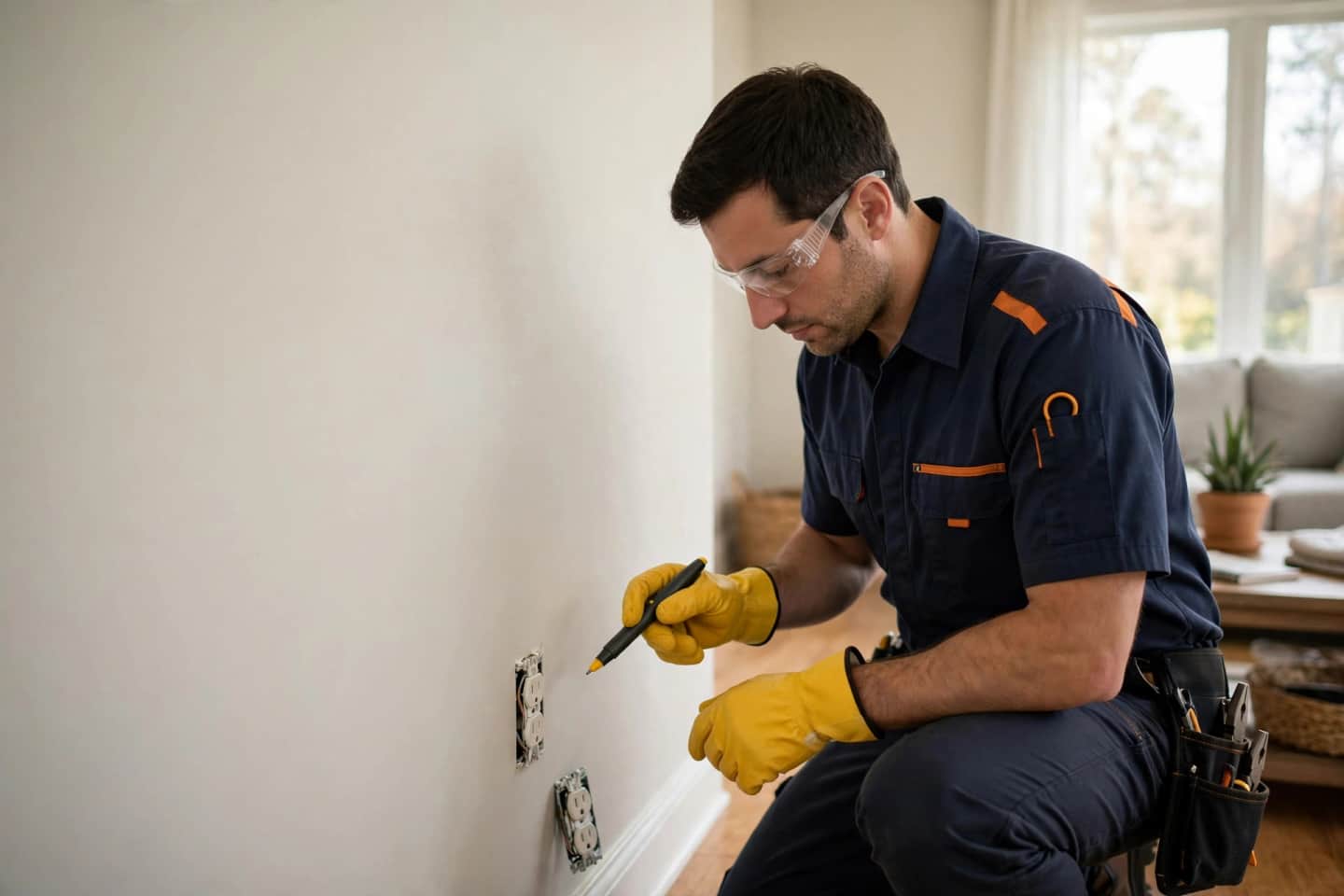
An electrician starts by mapping which circuits are dead and checking whether they share a leg, a GFCI or a single breaker. With proper protective equipment, they measure voltage at the main lugs, each leg and the neutral, and compare readings under load. That separates a utility problem from a failed main breaker, a loose lug or a damaged branch circuit. They also look for heat discoloration, corrosion at the meter base and loose connections at devices on the dead circuit.
Safety: what you should and should not do
Resetting a breaker once and pressing GFCI reset buttons are reasonable homeowner steps. Do not remove the panel cover, do not tighten anything inside the panel and do not touch the meter. If you notice smoke, a burning smell, buzzing, sparking, a hot panel or water near electrical equipment, keep everyone clear, switch off the main only if you can reach it safely, call 911 if there is fire or smoke, then call an electrician.
Repair or replacement: what the fix usually involves
Many partial outages end with a simple repair: replacing a failed GFCI, fixing a loose connection at an outlet that broke the circuit for everything after it, or swapping a worn breaker. A failing main breaker, damaged meter base or corroded service conductors is bigger work, and may involve coordination with the utility and a permit under local rules. An older or damaged panel may be recommended for replacement, but a good electrician explains the fault before suggesting it.
What happens when you call
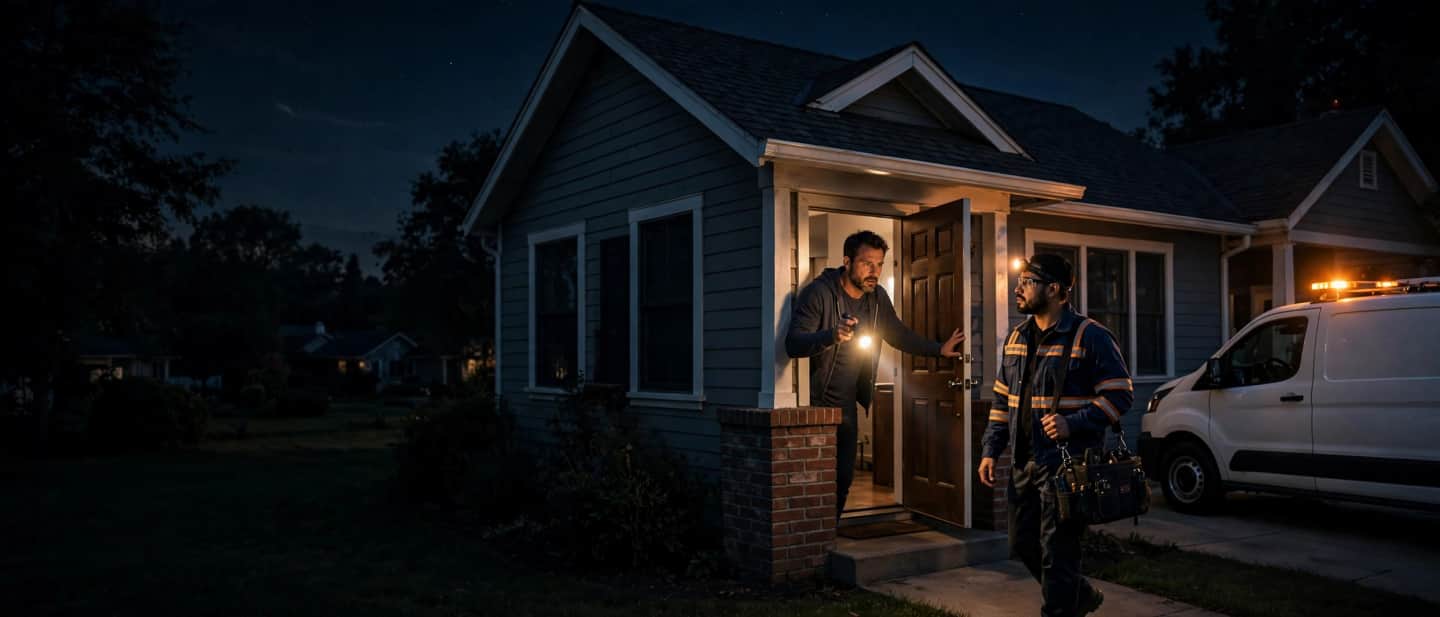
Call (855) 679-2483 and describe what you are seeing: which rooms are out, whether any breaker or GFCI is tripped, whether large appliances work, and whether lights are dim or bright. You will be connected with an independent licensed electrician who can talk through the symptoms and arrange a visit. Having that information ready helps them judge urgency, especially if a lost leg or loose neutral is suspected.
Preventing repeat outages and related problems
Spread heavy loads like space heaters and hair dryers across different circuits, test GFCIs regularly with the test button, and label your panel so you can find the right breaker quickly. Pay attention to early signs such as flickering lights, warm switches, or a buzzing panel, since loose connections often show up there before they cut power. Related guides cover breakers that keep tripping, dead outlets and GFCIs that will not reset.
Questions people ask about power out in part of the house
Why is the power out in only part of my house?
If only some rooms lost power, check for a tripped breaker or GFCI first. If none are tripped, you may have lost one of the two incoming service legs, which typically leaves half the house dark and 240-volt appliances not working. That requires the utility or an electrician.
Why do I have power in some rooms but not others?
Usually because a single breaker or GFCI that feeds those rooms has tripped. Check the panel for a breaker out of line with the rest and reset it once, then check GFCI outlets in bathrooms, the kitchen and the garage. If nothing is tripped, the problem may be a lost service leg or a loose connection, and you should call an electrician.
Who do I call if half my house has no power?
Start with your utility, because a lost leg on their side is common and they fix it. If they confirm their equipment is fine, call a licensed electrician to check your main breaker, meter base and panel connections. You can reach an independent licensed electrician by calling (855) 679-2483.
Is it dangerous if only part of my house has power?
It can be, depending on the cause. A tripped breaker is usually not an emergency, but dim and bright lights, burning smells or buzzing suggest a loose neutral or overheating connection. In that case unplug electronics, keep clear of the panel, call 911 if you see smoke, and get an electrician out promptly.
Why won’t my dryer or AC work when other things do?
Large appliances like dryers and central air use both service legs at 240 volts, so they stop when one leg is lost while some 120-volt circuits still work. That pattern points to a utility issue, a failing main breaker or a loose service connection. Report it to your utility, then call an electrician if their side checks out.
Can I fix a partial power outage myself?
You can safely reset a tripped breaker once and press reset on GFCI outlets. Anything beyond that, such as opening the panel, replacing a breaker or working on the meter, should be left to a licensed electrician, because those parts can stay energized even when some circuits are dead.
Editorial note: general safety information, not a substitute for an on-site evaluation by a licensed electrician.