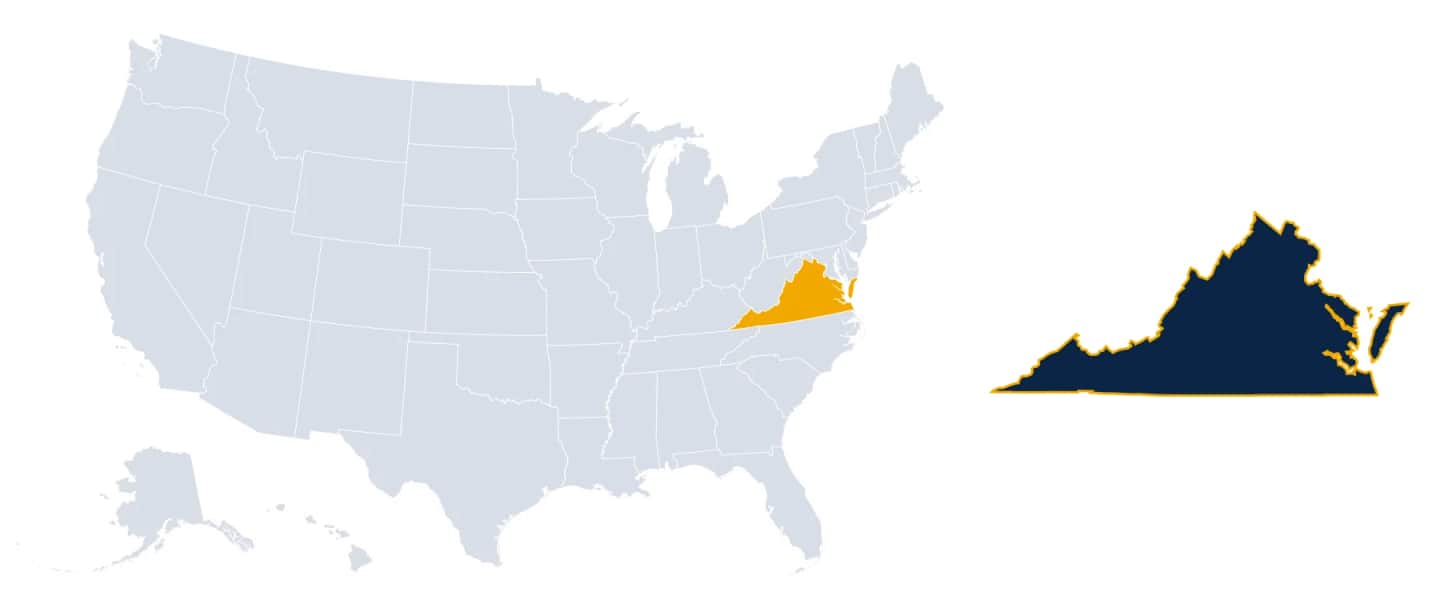
Virginia stretches from the flood-prone streets of Norfolk to the coal country of the Southwest, and its electrical needs change just as much. Hurricanes and nor’easters threaten Hampton Roads, derechos and ice storms knock out power across the Piedmont, and Northern Virginia’s rapid growth — including the largest concentration of data centers in the world — puts heavy demand on the grid.
The hazards that drive the most electrical calls here, and how homeowners prepare for them.
Hurricanes and tropical storms
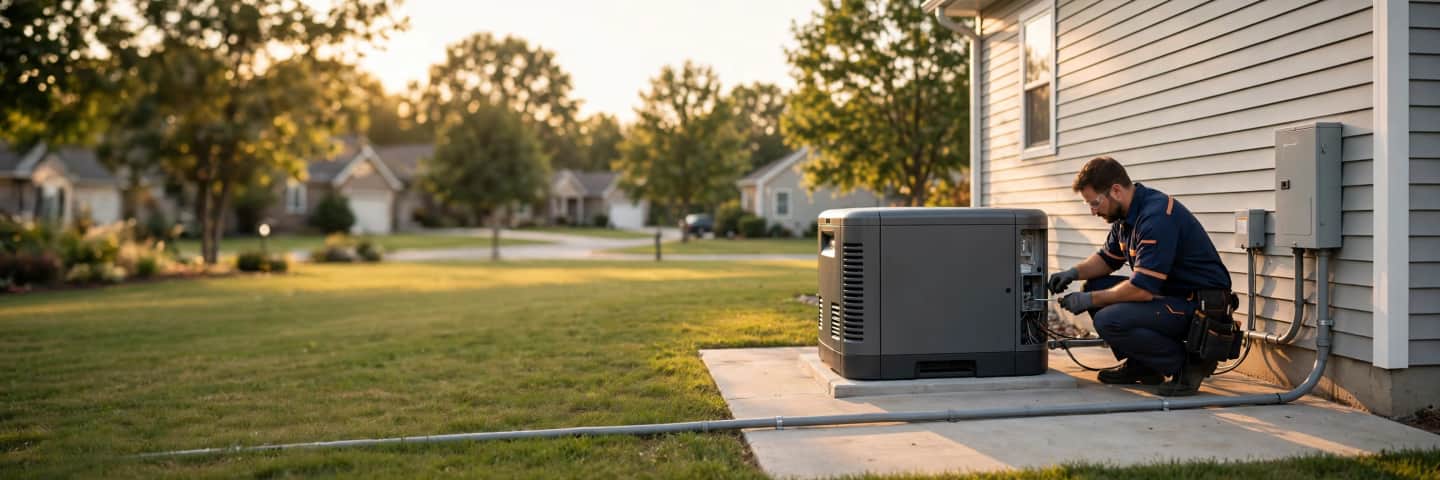
Long outages make backup power a priority. Standby generators with automatic transfer switches, or portable generators connected through a listed interlock, keep refrigeration, sump pumps and medical equipment running. Any equipment that was submerged must be inspected before re-energizing.
Heavy snow and wind cause outages when heating demand is highest. Generators, dedicated circuits for space heaters, and heat-tape circuits with GFCI protection are common winter projects. Avoid running heaters through extension cords or power strips.
Electrical equipment that has been underwater — panels, outlets, breakers, appliances — generally must be replaced, not dried and reused. Do not re-energize a flooded home until an electrician has inspected it.
Dominion Energy Virginia serves most of the state’s population, including Northern Virginia, Richmond and Hampton Roads. Appalachian Power serves much of Southwest Virginia, including Roanoke. Electric cooperatives serve large rural areas, including fast-growing exurban counties, and a few cities such as Danville, Bristol and Harrisonburg run their own utilities.
Virginia homes generally cannot choose a retail supplier, so your utility both supplies and delivers power and sets the rules for service upgrades, meter changes and reconnection.
Licensing and the statewide building code
Virginia licenses contractors through the Department of Professional and Occupational Regulation. Electrical contractors hold a Class A, B or C contractor license with an electrical specialty, and individual electricians hold tradesman licenses at the journeyman or master level. Licenses can be checked on the DPOR website.
The Virginia Uniform Statewide Building Code applies everywhere in the state and adopts the National Electrical Code. Local building departments in counties and cities issue permits and perform inspections. Panel upgrades, new circuits, generators, EV chargers and solar need permits.
Hampton Roads flooding and hurricanes
Norfolk, Virginia Beach, Hampton and Portsmouth face some of the highest rates of relative sea-level rise on the East Coast, and many neighborhoods flood during high tides and nor’easters even without a hurricane. Hurricane Isabel in 2003 caused some of the largest outages in Virginia’s history.
In low-lying areas, raising panels, outlets and equipment during renovations, corrosion-resistant exterior equipment and backup power for sump pumps are practical upgrades. Electrical equipment that has been submerged must be replaced.
Derechos, ice and inland storms
The June 2012 derecho swept across Northern Virginia and the Piedmont with hurricane-force winds, knocking out power to well over a million customers during a heat wave. Ice storms periodically bring down trees across Central Virginia and the Shenandoah Valley. Service drops and masts damaged by falling limbs must be repaired before reconnection.
Northern Virginia growth and data centers
Loudoun and Prince William counties host the largest data center market in the world, and their growth has made electric transmission and capacity a major regional issue. For homeowners, Northern Virginia is also one of the country’s strongest EV markets, with many newer homes and townhouses adding Level 2 chargers.
Townhouse and condo communities often have limited panel space and HOA rules about where chargers and conduit can go, so a load calculation and association approval may both be needed before installation.
Virginia housing
Old Town Alexandria, Richmond’s Fan District and Church Hill, Norfolk’s Ghent and Fredericksburg have homes from the 1700s through the early 1900s, where knob-and-tube wiring, fuse panels and undersized services are common, and exterior changes may need historic review. Arlington and Fairfax have large areas of post-war brick colonials and ramblers on original 100-amp panels, and some homes from the late 1960s and early 1970s have aluminum branch wiring.
Rural Virginia has many farmhouses and manufactured homes, often on wells.
Heat pumps and winter peaks
Heat pumps are common across Virginia. During hard freezes, they rely on electric backup heat strips that draw large currents and stress breakers and connections. Checking the circuits that feed backup heat and making sure the system fits the panel reduces the risk of overheating. During extreme cold snaps, regional grid operators have warned of tight supply, so backup power is worth considering for households with medical needs.
Southwest Virginia and the mountains
In the coalfield counties and Blue Ridge, steep terrain and wooded rights-of-way make outages longer and harder to restore. Homes often rely on wells, and older houses may have wiring that has been extended many times. A generator sized for the well pump, furnace blower and refrigeration, connected through an interlock or transfer switch, is one of the most valuable upgrades.
Regional differences
Northern Virginia focuses on EV charging, townhouse panel limits and older ramblers. Richmond and Central Virginia combine historic homes with storm-prone tree canopy. Hampton Roads faces flooding, hurricanes and salt air. The Shenandoah Valley and Piedmont have farms, wells and ice storms. Southwest Virginia is mountainous, rural and served largely by Appalachian Power and cooperatives.
Aluminum wiring in 1960s and 1970s homes
Many townhouses, garden apartments and single-family homes built in Northern Virginia and other Virginia suburbs in the late 1960s and early 1970s were wired with aluminum branch circuits. Aluminum wiring expands and contracts more than copper and can loosen and overheat at outlets, switches and splices that are not rated for it. Repairs typically involve pigtailing with connectors listed for aluminum-to-copper connections or replacing circuits, and a home inspection that flags aluminum wiring is a good reason to bring in an electrician.
Townhouses and HOA communities
Northern Virginia and Hampton Roads have large numbers of townhouses, where panels are often in utility closets or basements, meters are grouped on an end wall, and parking is in shared lots or single-car garages. EV chargers, generators and exterior equipment may need homeowner association approval, and routing conduit to a parking space may require running across common property. Planning those approvals early keeps projects moving.
Historic homes in Richmond and Alexandria
Richmond’s Fan, Museum District and Church Hill and Alexandria’s Old Town contain row houses and townhouses from the 18th and 19th centuries. Rewiring these homes means working around plaster, brick party walls and original trim, and exterior changes like new meter locations can require approval from local historic review boards. Electricians familiar with these neighborhoods route new wiring through basements, attics and closets to minimize damage.
Lightning and surge protection
Virginia summers bring frequent thunderstorms, and lightning surges damage heat pump control boards, well pump controllers and electronics. A whole-home surge protective device at the panel and point-of-use protection for sensitive equipment limit that damage, and are easy to add during a panel upgrade or generator installation.
Lake homes and docks
Smith Mountain Lake, Lake Anna, Lake Gaston and Claytor Lake are lined with homes that have docks, boat lifts and dock lighting. Faulty dock wiring can energize the water around a dock and create a risk of electric shock drowning. Dock circuits need ground-fault protection, correct bonding and wiring suited to wet locations, and older docks should be inspected before swimming season. Waterfront homes also face more lightning exposure, so surge protection is worth adding at the same time.
Manufactured homes and rural wells
Manufactured homes are common across rural Virginia, especially in Southside and the Southwest. They are usually fed from an outdoor meter pedestal through a buried or overhead feeder that can be damaged by storms, settling or equipment. Most rural homes rely on wells, and well pumps stop during outages, so a generator plan should include the pump circuit and its starting load.
Common electrical calls in Virginia
Frequent requests include EV charger installations and panel upgrades, generator and interlock installations, storm repairs to masts and meter bases, surge protection, rewiring historic homes, flood-damaged equipment replacement, and heat pump circuit work. In Northern Virginia, EV charger installations in townhouse communities are among the fastest-growing requests, often paired with load-management devices to avoid service upgrades.
Working with an electrician in Virginia
Verify the contractor’s DPOR license and electrical specialty, ask who will pull the permit from your county or city, and get a written scope. For service upgrades and storm repairs, ask how the electrician will coordinate with Dominion Energy, Appalachian Power or your cooperative. In historic districts, ask whether exterior work needs review. Along the coast, ask how new equipment will be protected from flooding and salt air.
Electrical licensing and permits in Virginia are set by state and local authorities. The electrician confirms what applies to your project.
Services
Most requested in Virginia
Ranked by how many of this state’s climate risks each service addresses.
Connect with an independent licensed electrician near you
Smoke, flames or sparking? Leave the building and call 911 first.
Pronto Electrician is a free referral service. Calls are answered by independent licensed electricians in your area. Pronto Electrician does not perform electrical work, and the electrician you choose sets the price, schedule, permits and warranty.
Free to call · All 50 states + DC
Talk to a licensed electrician in Virginia
Describe the problem and get connected with an independent licensed electrician who serves your area.