24 hour emergency service, electrical repair, panel upgrades, generator installation and EV chargers in Richmond. Call (855) 679-2483 and get connected with an independent licensed electrician who works locally.
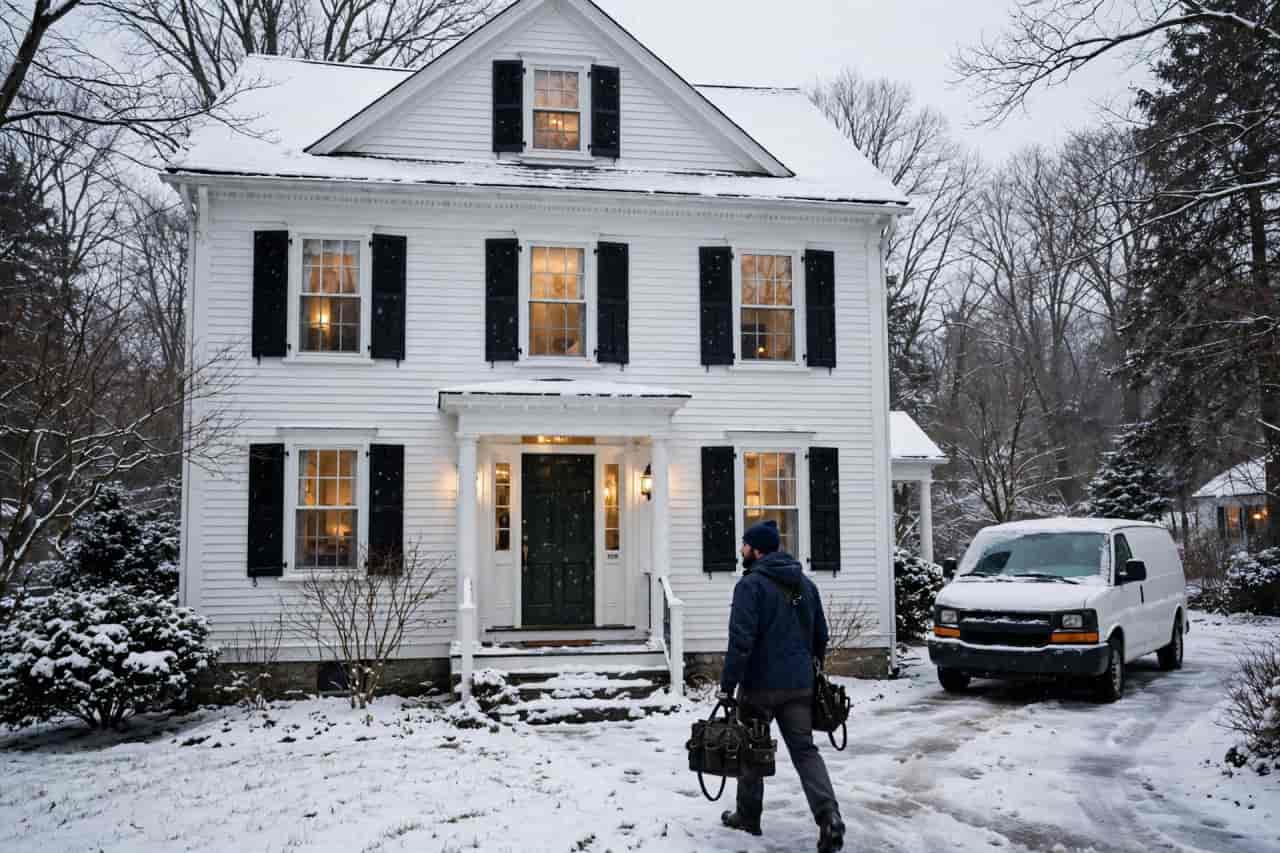
Richmond, Virginia’s capital, grew at the fall line of the James River, where rapids stopped ships and powered mills. Dominion Energy Virginia, headquartered downtown, supplies the electricity. The city’s housing is dominated by brick rowhouses and early 20th-century homes, from Church Hill and the Fan to Northside and the Southside. Hurricane Isabel in 2003, the Gaston flash flood in 2004 and the 2012 derecho each left a mark, and many homes still carry wiring and panels far older than their owners.
By calling, you agree to be connected with an independent electrician, who may call or text you back about your request at the number you call from. Calls may be recorded for quality and routing. Consent is not a condition of any purchase, and you can opt out at any time; message and data rates may apply. Privacy policy.
Serving The Fan, Church Hill, Museum District, Jackson Ward, Forest Hill, Ginter Park and every other Richmond neighborhood.
Richmond at a glance
Electric utility
Dominion Energy Virginia (headquartered in Richmond)
Permits and inspections
City of Richmond Department of Planning and Development Review, Bureau of Permits and Inspection (City Hall, 900 E. Broad Street, Room 110)
County
Independent city (no county)
ZIP codes include
23219 · 23220 · 23221 · 23223 · 23225 · 23227
Electrical services in Richmond
What do you need help with in Richmond, VA?
The calls Richmond homeowners make most, followed by every service independent licensed electricians handle here.
Church Hill holds some of the oldest homes in the city, from the early 1800s onward. The Fan, Museum District and Jackson Ward are lined with attached brick rowhouses from the 1880s through the 1920s. Ginter Park, Bellevue and Forest Hill add larger detached homes from the 1910s to the 1930s, while Westover Hills and the far Southside hold brick ranches and Cape Cods built after World War II.
Problems that come up again and again in local homes, and the service that fixes each one.
01
Aging wiring behind rowhouse plaster
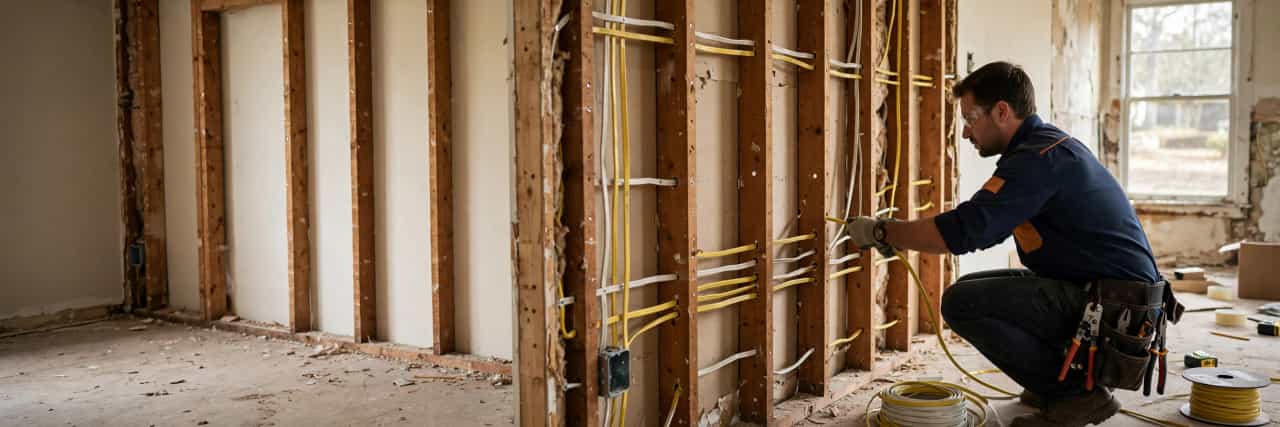
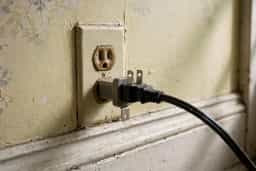
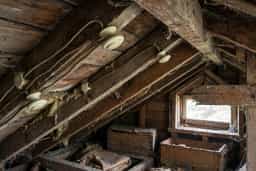
Fan and Church Hill rowhouses often hide knob-and-tube or cloth-covered cable behind plaster and in shared attics. Flickering lights, warm switch plates or a burning smell call for an inspection before more load is added.
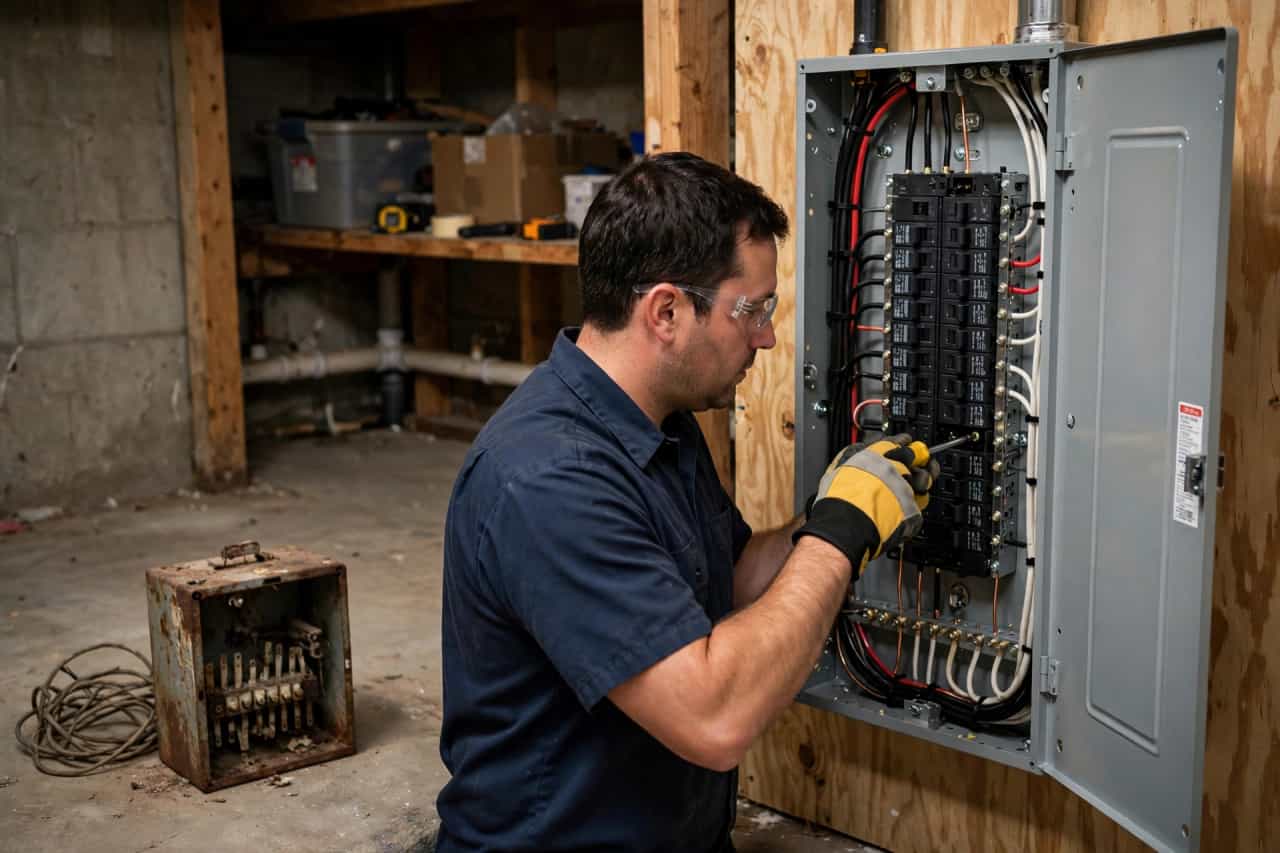
Many Richmond homes replacing gas or oil heat with heat pumps, or adding an EV charger, discover a 60- or 100-amp service. A load calculation decides whether a panel and service upgrade must come first.
Derechos and tropical storms bring down big oaks onto lines and homes. If a line is down or a meter is ripped off the wall, stay away, call Dominion and 911, then get the mast and meter base repaired.
History, housing, weather and rules that shape electrical work in Richmond, VA.
The Fan’s rowhouses west of Monroe Park
The Fan takes its name from streets that spread outward from Monroe Park toward the Boulevard, lined with brick rowhouses built mostly between the 1890s and the 1920s. Tall ceilings, plaster walls and shared party walls make wiring changes slow. Many homes have been converted to apartments and back again, so an electrician often finds circuits from several eras, sometimes running between neighboring units.
Church Hill above Shockoe Bottom
Church Hill rises east of downtown around St. John’s Church, where Patrick Henry gave his 1775 liberty-or-death speech. Its homes span the early 1800s through the early 1900s, including Greek Revival and Italianate rowhouses restored over recent decades. Restorations here often mean full rewiring while walls are open, and many owners take the chance to add modern grounding, surge protection and adequate kitchen circuits.
Gaston’s flash flood, August 30, 2004
On August 30, 2004, the remnants of Gaston stalled over Richmond and dropped more than a foot of rain in a few hours, with 12.6 inches measured in the West End. Water poured into Shockoe Bottom and climbed many feet up the walls of 17th Street businesses, flooding basements and ground floors. Electrical equipment soaked by floodwater generally needs replacement rather than drying out, a lesson many building owners learned that week.
The floodwall that guards against the James
Richmond’s James River floodwall, built with the Army Corps of Engineers and dedicated on October 21, 1994, protects Shockoe Bottom and Manchester from river floods. It did not stop Gaston, though, because that water came from rain running downhill rather than the river. For homes and businesses in low areas, keeping panels and meters off basement floors is still the best defense against flash flooding.
Isabel and fifteen days in the dark
Hurricane Isabel’s winds reached Richmond on September 18 and 19, 2003, toppling thousands of mature trees across the city. Dominion’s statewide outage reached about 1.8 million customers, and full restoration took fifteen days. Many Richmond households replaced damaged service masts, meter bases and wiring afterward, and the storm pushed interest in backup power for the first time across older neighborhoods.
The derecho of June 29, 2012
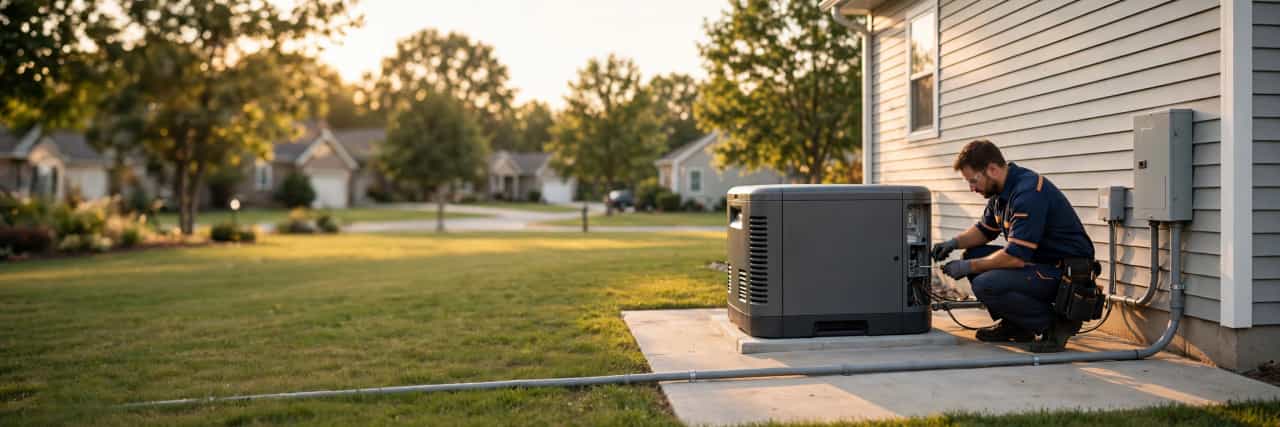
A derecho raced across the Mid-Atlantic on the night of June 29, 2012, during a heat wave, knocking out power to about a million Virginia customers, the state’s third-largest outage after Hurricanes Isabel and Irene. Richmond’s tree canopy suffered badly. Days without air conditioning in extreme heat were dangerous, and many owners afterward added generators sized to run at least one cooling system, with transfer switches installed properly.
Dominion’s hometown and buried tap lines
Dominion Energy is headquartered in downtown Richmond, and since 2014 its Strategic Underground Program has buried overhead tap lines with the worst outage records across Virginia. In older neighborhoods with tree-lined back alleys, some service has moved underground. The line from the pole or pedestal to each house remains the owner’s side of the job, so storm damage to the mast or meter base still requires an electrician.
Sprague’s electric streetcars of 1888
In 1888, Frank Sprague’s Richmond Union Passenger Railway began operating one of the first successful electric streetcar systems in the world here. The lines helped create neighborhoods such as the Fan, Ginter Park and Forest Hill, which explains why so many Richmond homes date from that first electric era. Some of them still carry wiring installed when electric lighting itself was new.
Jackson Ward and the turnpike cut
Jackson Ward, north of downtown, was a center of Black business and culture in the early 1900s, with ornate cast-iron porches on its brick rowhouses. Construction of the Richmond-Petersburg Turnpike in the 1950s cut through the neighborhood and took hundreds of homes. Those that remain are often restored with full rewiring, and owners in this historic district should coordinate exterior work carefully.
Museum District and Carytown homes
West of the Fan, the Museum District surrounds the Virginia Museum of Fine Arts with rowhouses and duplexes built mostly in the 1910s and 1920s, and Carytown’s shops anchor its southern edge. Many homes have newer panels but older branch circuits. Owners updating kitchens or adding mini-split cooling to upper floors typically need new circuits run through tight plaster walls and shared attics.
Manchester south of the James
Manchester was its own city across the river until it consolidated with Richmond in 1910. Its old industrial buildings have become lofts and offices, while nearby blocks hold modest early 20th-century homes. Warehouse conversions bring commercial electrical work such as tenant meters, fire alarm wiring and exit lighting, and the floodwall now protects much of the riverfront where these buildings sit.
Forest Hill and Westover Hills on the Southside
South of the James, Forest Hill grew around a former amusement park in the 1910s and 1920s, with Craftsman and Colonial Revival homes beneath tall trees. Westover Hills added brick Cape Cods and Tudors from the 1930s and 1940s. Both neighborhoods have heavy canopy over overhead lines, and many owners here have added surge protection and generator inlets after repeated storm outages.
Ginter Park and the Northside
Ginter Park, on land tobacco magnate Lewis Ginter bought in 1895 and built out in the early 1900s, holds large homes on wide lots, and neighboring Bellevue and Sherwood Park added bungalows and foursquares. Houses this size often have attic and basement wiring from several decades. Big homes with multiple heat pumps and finished basements can push older 100- or 150-amp services past their limits, especially during long summer heat.
Commission of Architectural Review approvals
Richmond’s City Old and Historic Districts, including much of Church Hill and several blocks in and around the Fan, are overseen by the Commission of Architectural Review. Exterior changes visible from the street, such as a new service mast, relocated meter or exterior generator, may require its approval in addition to the electrical permit. Planning the location early can save a project from delays.
Permits at the Bureau of Permits and Inspection
Electrical permits in Richmond come from the Bureau of Permits and Inspection inside the Department of Planning and Development Review, in Room 110 of City Hall, with applications also filed online. The city enforces the Virginia Uniform Statewide Building Code. Henrico and Chesterfield County addresses use their own offices, so the jurisdiction matters even when the mailing address says Richmond.
Checking a Virginia license with DPOR
Virginia’s Department of Professional and Occupational Regulation runs the Board for Contractors, which licenses electrical contracting firms and issues journeyman and master electrician cards. Its free online lookup shows whether a license is current. A contractor needs the right license class for the job size, and a master tradesman must be tied to the firm, which homeowners can confirm before work begins.
City gas and the switch to all-electric
Richmond is unusual in running its own natural gas utility through the Department of Public Utilities, so many older homes cook and heat with city gas. Owners switching to heat pumps, induction ranges or heat pump water heaters shift that load onto the electrical service. Before ordering equipment, a load calculation helps reveal whether the existing panel can handle the change.
Fall-line rock and Piedmont clay
Richmond straddles the fall line, where the hard granite of the Piedmont meets the softer sands and clays of the coastal plain. West and north of downtown, red clay and rock can make trenching for garage feeds, generator lines or EV chargers slow, while lower areas east of downtown dig more easily. Miss Utility must mark buried lines before any digging begins.
Muggy summers and long cooling seasons
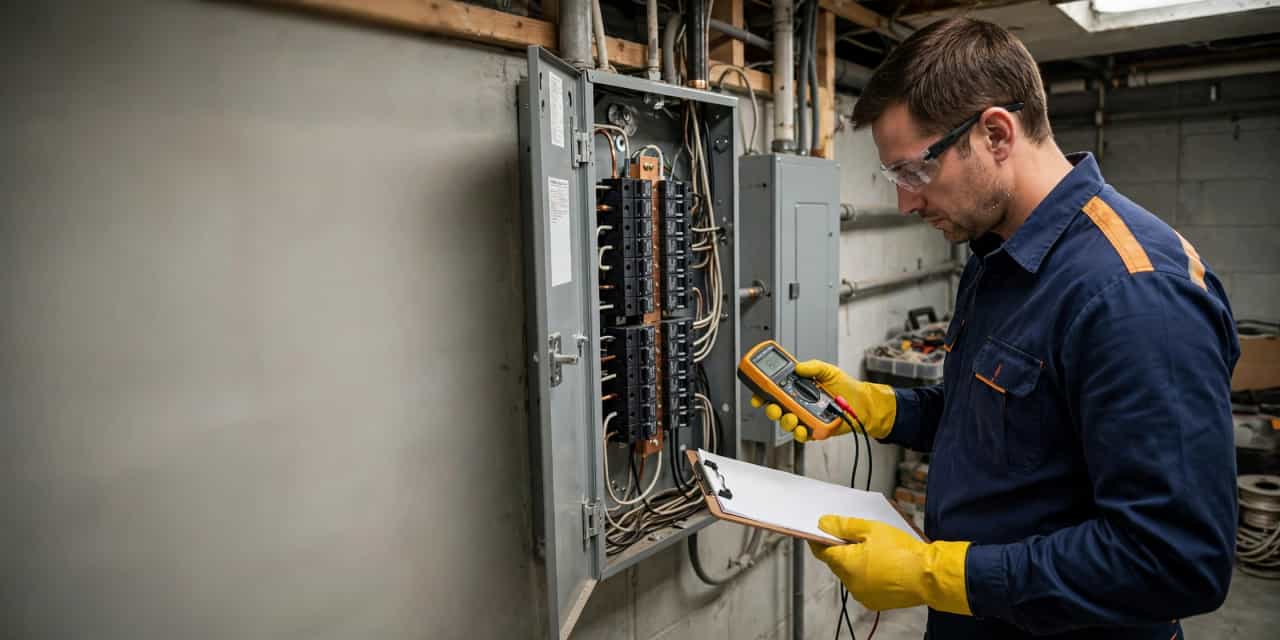
Richmond’s summers are long, hot and humid, and air conditioning runs for months. Window units in rowhouses, attic air handlers and outdoor condensers all depend on aging circuits. A tripping breaker, buzzing panel or warm cover plate during a heat wave is a warning. If you smell burning or see smoke, keep clear, turn off the main only if it is safe, call 911 and then an electrician.
Student rentals in Oregon Hill and near VCU
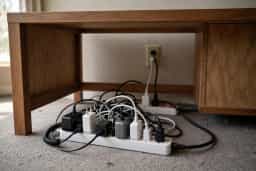
Oregon Hill, a small neighborhood of workers’ homes above the James beside Hollywood Cemetery, and the blocks around Virginia Commonwealth University have many houses rented to students. Packed bedrooms with computers, heaters and window units stretch wiring meant for one household. Landlords here frequently request added circuits, smoke alarm updates and panel upgrades, and permitted work keeps rentals in good standing.
Questions
Questions from Richmond, VA homeowners
Is there a 24 hour emergency electrician in Richmond, VA?+
Yes. Call (855) 679-2483 any time, day or night, and you are connected with an independent licensed electrician who covers Richmond, including The Fan, Church Hill, Museum District. For sparks, smoke or a hot panel, call 911 first.
Who handles electrical repair and generator installation in Richmond?+
Licensed electrical contractors working in Independent city (no county) handle outlet and switch repair, circuit troubleshooting, panel work and standby generator installation. Permits go through City of Richmond Department of Planning and Development Review, Bureau of Permits and Inspection (City Hall, 900 E. Broad Street, Room 110).
Who issues electrical permits in Richmond?+
The Bureau of Permits and Inspection, part of the Department of Planning and Development Review, issues them from Room 110 of City Hall at 900 E. Broad Street, with applications also accepted through the city’s online permit portal. Addresses in Henrico or Chesterfield County use those counties’ own building offices, even with a Richmond mailing address.
Who do I call if my power keeps going out in Richmond?+
Call Dominion Energy first if the outage covers your street, since the utility owns the lines and transformers. If the problem is only in your home, or a breaker keeps tripping, call (855) 679-2483 to be connected with a licensed electrician who can locate the fault.
Do I need permission to change the electrical service on a historic Richmond house?+
You always need an electrical permit, and in a City Old and Historic District, exterior changes visible from the street, such as a relocated meter or new service mast, may also need approval from the Commission of Architectural Review. Interior wiring generally does not.
By calling, you agree to be connected with an independent electrician, who may call or text you back about your request at the number you call from. Calls may be recorded for quality and routing. Consent is not a condition of any purchase, and you can opt out at any time; message and data rates may apply. Privacy policy.
Free to call
Explain the problem in plain words
Connect with an independent licensed electrician near you
Smoke, flames or sparking? Leave the building and call 911 first.
Pronto Electrician is a free referral service. The electricians you are connected with are independent contractors, not employees or agents of Pronto Electrician. Pronto Electrician does not perform electrical work, and the electrician you choose sets the price, schedule, permits and warranty.
By calling, you agree to be connected with an independent electrician, who may call or text you back about your request at the number you call from. Calls may be recorded for quality and routing. Consent is not a condition of any purchase, and you can opt out at any time; message and data rates may apply. Privacy policy.