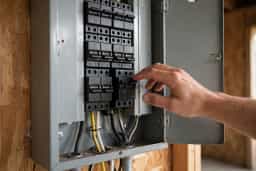
24 hour emergency service, electrical repair, panel upgrades, generator installation and EV chargers in Chesapeake. Call (855) 679-2483 and get connected with an independent licensed electrician who works locally.
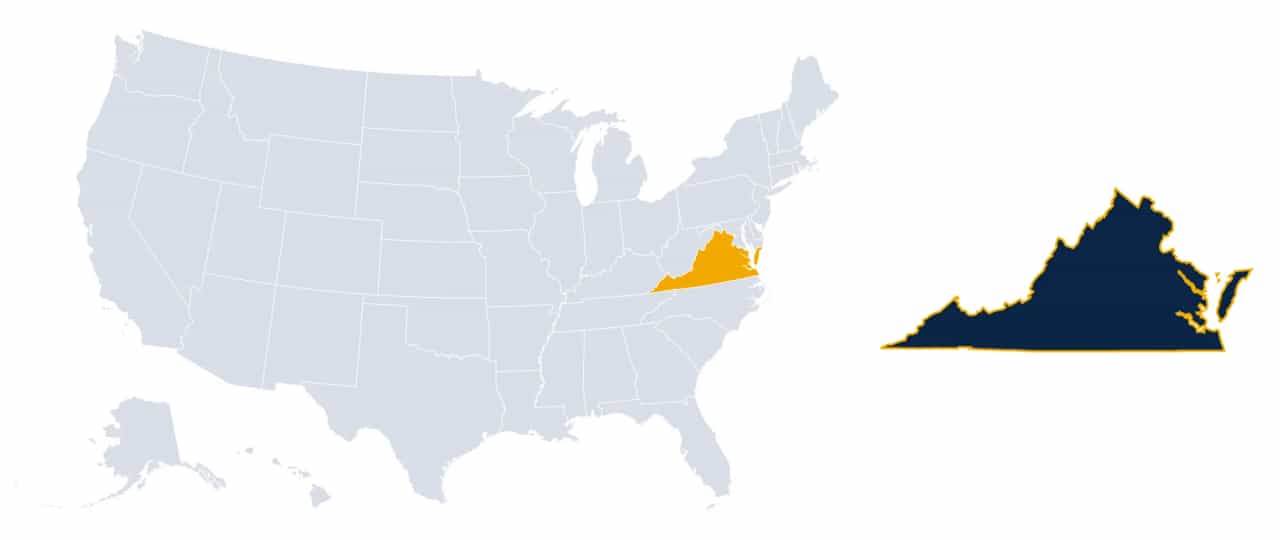
Chesapeake is one of the largest cities by land area in Virginia, formed in 1963 when the city of South Norfolk merged with Norfolk County. It stretches from older neighborhoods near the Elizabeth River down to farms, the Great Dismal Swamp and the North Carolina line. Dominion Energy Virginia provides the power. Hurricanes, nor’easters and low, wet ground shape much of the electrical work, from storm repairs to generator connections and flood-damaged equipment.
By calling, you agree to be connected with an independent electrician, who may call or text you back about your request at the number you call from. Calls may be recorded for quality and routing. Consent is not a condition of any purchase, and you can opt out at any time; message and data rates may apply. Privacy policy.
Serving Great Bridge, Greenbrier, Western Branch, Deep Creek, South Norfolk, Hickory and every other Chesapeake neighborhood.
Chesapeake at a glance
Electric utility
Dominion Energy Virginia supplies and delivers electricity across the city
Permits and inspections
City of Chesapeake Department of Development and Permits
County
Independent city (no county)
ZIP codes include
23320 · 23321 · 23322 · 23323 · 23324 · 23325
Electrical services in Chesapeake
What do you need help with in Chesapeake, VA?
The calls Chesapeake homeowners make most, followed by every service independent licensed electricians handle here.
South Norfolk has early-1900s frame houses and post-war cottages, some with original or partly updated wiring. Western Branch, Deep Creek and Great Bridge grew with ranch and split-level homes from the 1960s and 1970s, then large subdivisions in the 1980s and 1990s. Greenbrier combines office parks with newer homes and townhouses. Southern areas such as Hickory have rural lots, newer custom homes and properties on well and septic with long service runs.
Problems that come up again and again in local homes, and the service that fixes each one.
01
Hurricane and nor’easter outages
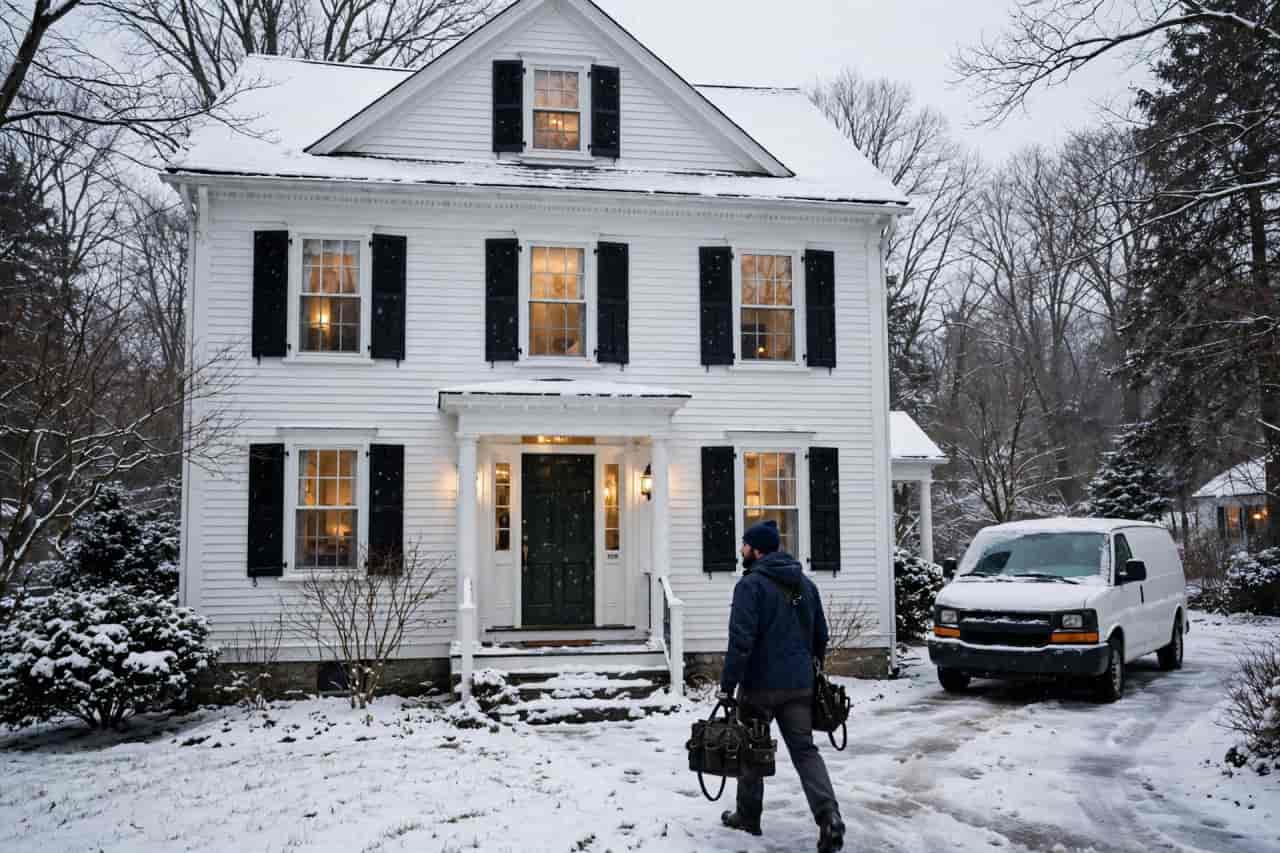
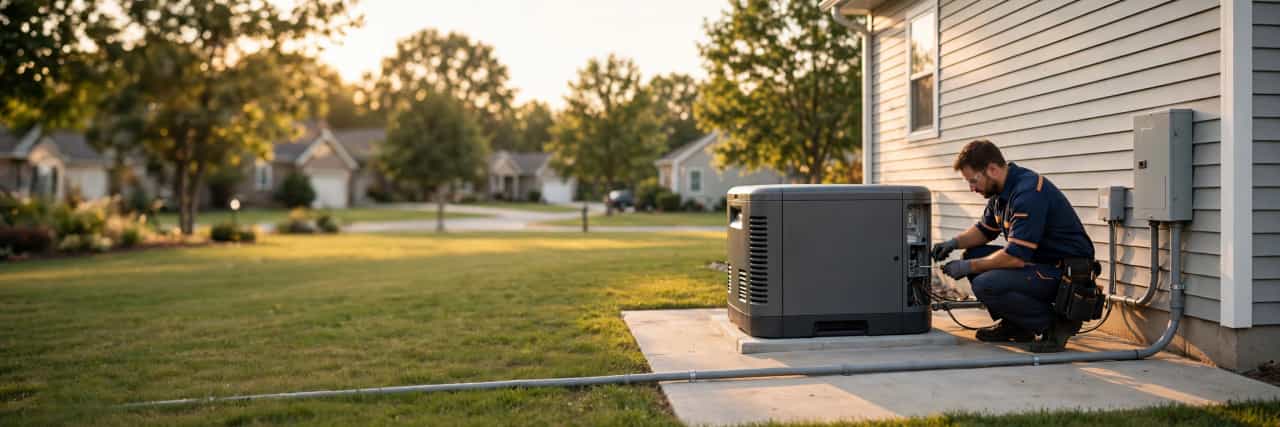
Tropical storms and coastal nor’easters regularly knock down trees and lines across Chesapeake. Homeowners who sat through long outages often want a generator with a proper transfer switch or interlock rather than extension cords.
Much of Chesapeake is flat and close to sea level, and heavy rain or storm surge can flood crawl spaces, garages and outdoor units. Water-damaged wiring and devices should be checked before power is restored.
Early-1900s homes in South Norfolk may still hide ungrounded circuits or old cloth-insulated cable. An inspection shows which circuits need replacement before renovation.
History, housing, weather and rules that shape electrical work in Chesapeake, VA.
The 1963 merger that made the city
Chesapeake came into being on January 1, 1963, when the small city of South Norfolk and the much larger Norfolk County consolidated. The result was a city with urban blocks at its northern edge and farmland, forest and swamp to the south. That history explains why one city can need everything from old-house rewiring to long rural service runs.
South Norfolk’s older blocks
South Norfolk, at the city’s northern edge near the Elizabeth River’s Southern Branch, has frame homes from the early 1900s along with post-war cottages. Many have been partly updated over the years, so an outlet may look new while the wire behind it is decades old. Rewiring room by room during renovation is often more practical than a full gut.
Great Bridge and the 1775 battle
Great Bridge takes its name from the crossing where the Battle of Great Bridge was fought in December 1775, one of the early clashes of the Revolution in Virginia. Today it is a busy center of shops, schools and subdivisions near the Albemarle and Chesapeake Canal. Many homes here date from the 1970s through the 1990s and are ready for panel and fixture updates.
The Albemarle and Chesapeake Canal
The Atlantic Intracoastal Waterway passes through Chesapeake, including the Albemarle and Chesapeake Canal with its lock at Great Bridge. Homes on the canal and nearby creeks often have docks, boat lifts and outdoor lighting. Waterfront electrical work calls for corrosion-resistant fittings, GFCI protection and careful bonding to keep people safe around the water.
The Great Dismal Swamp
The southwestern part of Chesapeake includes a portion of the Great Dismal Swamp National Wildlife Refuge, along with the historic Dismal Swamp Canal. Soils near the swamp are wet and peaty, and homes in the surrounding areas can have damp crawl spaces. Moisture accelerates corrosion on junction boxes and cables, so crawl-space wiring deserves regular checks.
Hurricane Isabel in September 2003
Hurricane Isabel struck the Virginia coast in September 2003 and caused widespread power outages across Hampton Roads, with many households waiting days or longer for restoration. Downed trees tore service drops from homes throughout Chesapeake. Isabel remains a reference point for residents deciding whether to install a generator before the next major storm.
Hurricane Matthew’s rain in October 2016
In October 2016, Hurricane Matthew, passing off the Carolina coast, dumped heavy rain on Hampton Roads, flooding streets and neighborhoods in Chesapeake and nearby cities. Water entered garages and crawl spaces, soaking outlets, water heaters and air handlers. Anything electrical that has been submerged should be inspected and often replaced before it is energized again.
Nor’easters and long rainy spells
Besides hurricanes, Chesapeake gets nor’easters that combine strong winds, coastal flooding and days of rain. These storms can be slow-moving and cause repeated outages. Homes with sump pumps, well pumps or medical equipment are the ones most likely to benefit from a generator sized to carry essential circuits during an extended outage.
Living with Dominion Energy
Dominion Energy Virginia is the electric utility for Chesapeake. It handles outages, meters and the service drop, while the homeowner is responsible for the mast, meter base and wiring inside. After storm damage to the mast, an electrician repairs the owner’s portion so Dominion can reconnect. Some areas have seen Dominion convert overhead lines to underground service.
Greenbrier’s offices and townhomes
Greenbrier developed from the 1980s onward around offices, retail and newer housing, including townhouses and condominiums. Units here often share walls and sometimes meter banks, which affects how panels can be upgraded. Owners adding EV chargers or heat pumps should check association rules and the capacity of the unit’s existing service first.
Western Branch subdivisions
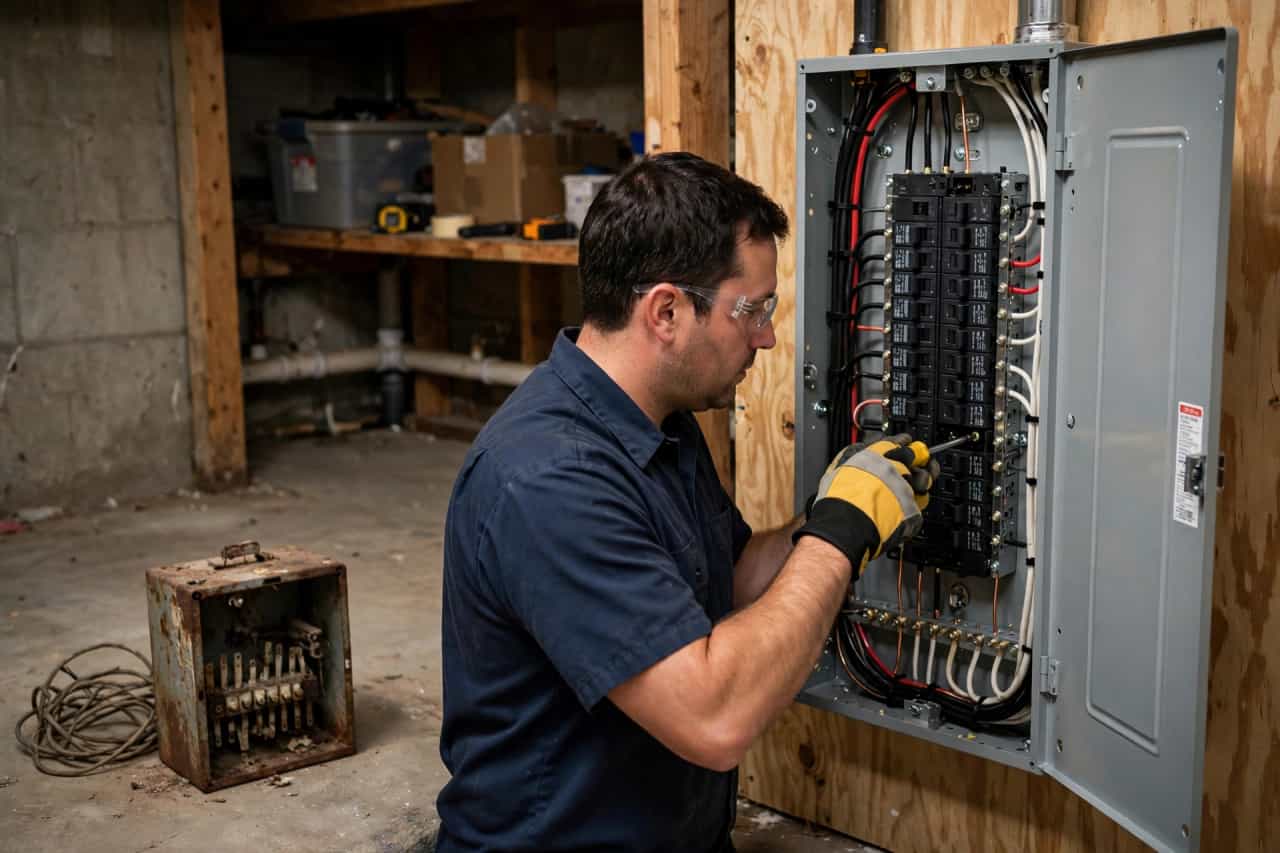
Western Branch, near the Portsmouth and Suffolk lines, grew largely through the 1970s, 1980s and 1990s with single-family subdivisions. Many of these houses now have panels thirty or more years old, and some have brands with known reliability concerns. Replacing an aging panel is a common upgrade before adding a heat pump, EV charger or finished room.
Deep Creek and the Dismal Swamp Canal
Deep Creek, on the western side of the city, grew around the northern end of the Dismal Swamp Canal. It has older homes near the creek and canal along with later subdivisions. Low-lying lots here can see standing water after heavy rains, so outdoor outlets, air-conditioning disconnects and underground runs need weather-resistant materials.
Hickory and rural southern Chesapeake
Southern Chesapeake, including Hickory and areas toward the North Carolina line, remains more rural, with farms, wooded lots and newer custom homes. Long overhead or underground service runs, well pumps and detached barns and shops are common. Outbuildings need properly sized feeders and grounding, and a generator often supports a well pump when the power goes out.
Flat terrain and a high water table
Most of Chesapeake is low and flat, and the water table can be close to the surface. Crawl-space homes are common, and moisture there can corrode junction boxes and loosen connections. Buried cables must be rated for wet locations. Electricians working in these conditions often recommend relocating devices and equipment above likely flood levels.
Heat pumps and humid summers
Chesapeake summers are hot and humid, and many homes rely on heat pumps for both cooling and heating. Replacing an older system with a larger or more efficient unit may need a new circuit or disconnect. Aging homes with small panels sometimes need a service upgrade first, which an electrician can confirm with a load calculation.
Lightning and surge protection
Summer thunderstorms bring frequent lightning to Hampton Roads, and utility switching after storms can send surges into home wiring. Whole-home surge protection installed at the panel helps protect heat pumps, appliances and electronics. For it to work properly, the home’s grounding and bonding need to be in good shape, which older houses may lack.
Shipyard and Navy families
Chesapeake sits close to the shipyards and naval facilities of Norfolk and Portsmouth, and many military and shipyard families live here. Frequent moves mean many homes change hands or become rentals. A pre-purchase or pre-lease electrical inspection is a practical step when a family is buying or renting quickly ahead of a reporting date.
Permits under the statewide code
Virginia uses the Uniform Statewide Building Code, and in Chesapeake the Department of Development and Permits administers electrical permits and inspections. Panel replacements, service upgrades, new circuits and generator installations typically need a permit. Licensed electricians usually pull permits and schedule the inspections for homeowners.
EV charging in growing neighborhoods
Electric vehicle ownership is rising in Chesapeake’s suburban neighborhoods, where attached garages make Level 2 chargers practical. The main concern is whether the existing panel has capacity and space. In older homes, a panel upgrade or load-management device may be needed before adding a 40- or 50-amp charging circuit.
Getting help in Chesapeake
If you notice smoke, sparks, a burning smell or water near electrical equipment, keep everyone back, switch off the main breaker only if you can reach it safely and without standing in water, and call 911 for any fire or smoke. For repairs and upgrades, call (855) 679-2483 to reach an independent licensed electrician in Chesapeake.
Questions
Questions from Chesapeake, VA homeowners
Is there a 24 hour emergency electrician in Chesapeake, VA?+
Yes. Call (855) 679-2483 any time, day or night, and you are connected with an independent licensed electrician who covers Chesapeake, including Great Bridge, Greenbrier, Western Branch. For sparks, smoke or a hot panel, call 911 first.
Who handles electrical repair and generator installation in Chesapeake?+
Licensed electrical contractors working in Independent city (no county) handle outlet and switch repair, circuit troubleshooting, panel work and standby generator installation. Permits go through City of Chesapeake Department of Development and Permits.
Who issues electrical permits in Chesapeake?+
The City of Chesapeake Department of Development and Permits issues electrical permits and handles inspections under the Virginia Uniform Statewide Building Code. Your licensed electrician normally applies for it.
Who do I call if my power keeps going out in Chesapeake?+
Report outages and downed lines to Dominion Energy, which serves Chesapeake. If the trouble is limited to your home, call (855) 679-2483 to reach a licensed electrician.
How do I check an electrician’s license in Virginia?+
Virginia’s Department of Professional and Occupational Regulation licenses tradesmen and contractors. You can search a name or license number on the DPOR website before hiring.
By calling, you agree to be connected with an independent electrician, who may call or text you back about your request at the number you call from. Calls may be recorded for quality and routing. Consent is not a condition of any purchase, and you can opt out at any time; message and data rates may apply. Privacy policy.
Free to call
Explain the problem in plain words
Connect with an independent licensed electrician near you
Smoke, flames or sparking? Leave the building and call 911 first.
Pronto Electrician is a free referral service. The electricians you are connected with are independent contractors, not employees or agents of Pronto Electrician. Pronto Electrician does not perform electrical work, and the electrician you choose sets the price, schedule, permits and warranty.
By calling, you agree to be connected with an independent electrician, who may call or text you back about your request at the number you call from. Calls may be recorded for quality and routing. Consent is not a condition of any purchase, and you can opt out at any time; message and data rates may apply. Privacy policy.