01
Century-old rowhome wiring
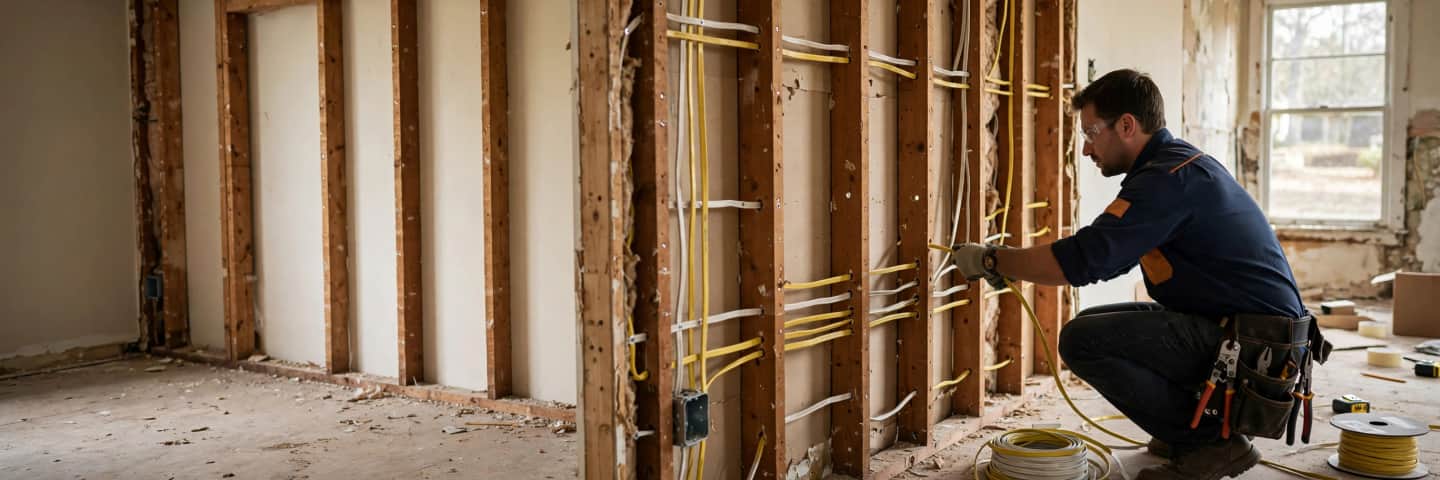
Knob-and-tube and cloth wiring often turn up during kitchen and bath remodels. Replacing it while walls are open is the most cost-effective time.
House Rewiring
Philadelphia is a city of rowhomes, and many of them are more than a century old. That means small services, fuse panels and knob-and-tube wiring are still found during renovations, while PECO customers add air conditioning, electric heat and EV chargers that the original wiring was never designed to carry.
Free to call · Independent licensed electricians
Serving Fishtown, Fairmount, South Philadelphia, Queen Village, Manayunk, Northern Liberties and every other Philadelphia neighborhood.
Philadelphia at a glance
Electrical services in Philadelphia
The calls Philadelphia homeowners make most, followed by every service independent licensed electricians handle here.
Not sure which service you need? Describe the problem and an electrician will tell you.
Call for Electrical Service in PhiladelphiaHousing and wiring
Rowhomes in South Philadelphia, Fishtown and Fairmount commonly date from the late 1800s to the 1920s. Party walls and tight basements make routing new wiring a craft. Many homes have been partially updated, leaving a mix of old and new circuits.
Neighborhoods we cover
Local issues
Problems that come up again and again in local homes, and the service that fixes each one.
Knob-and-tube and cloth wiring often turn up during kitchen and bath remodels. Replacing it while walls are open is the most cost-effective time.
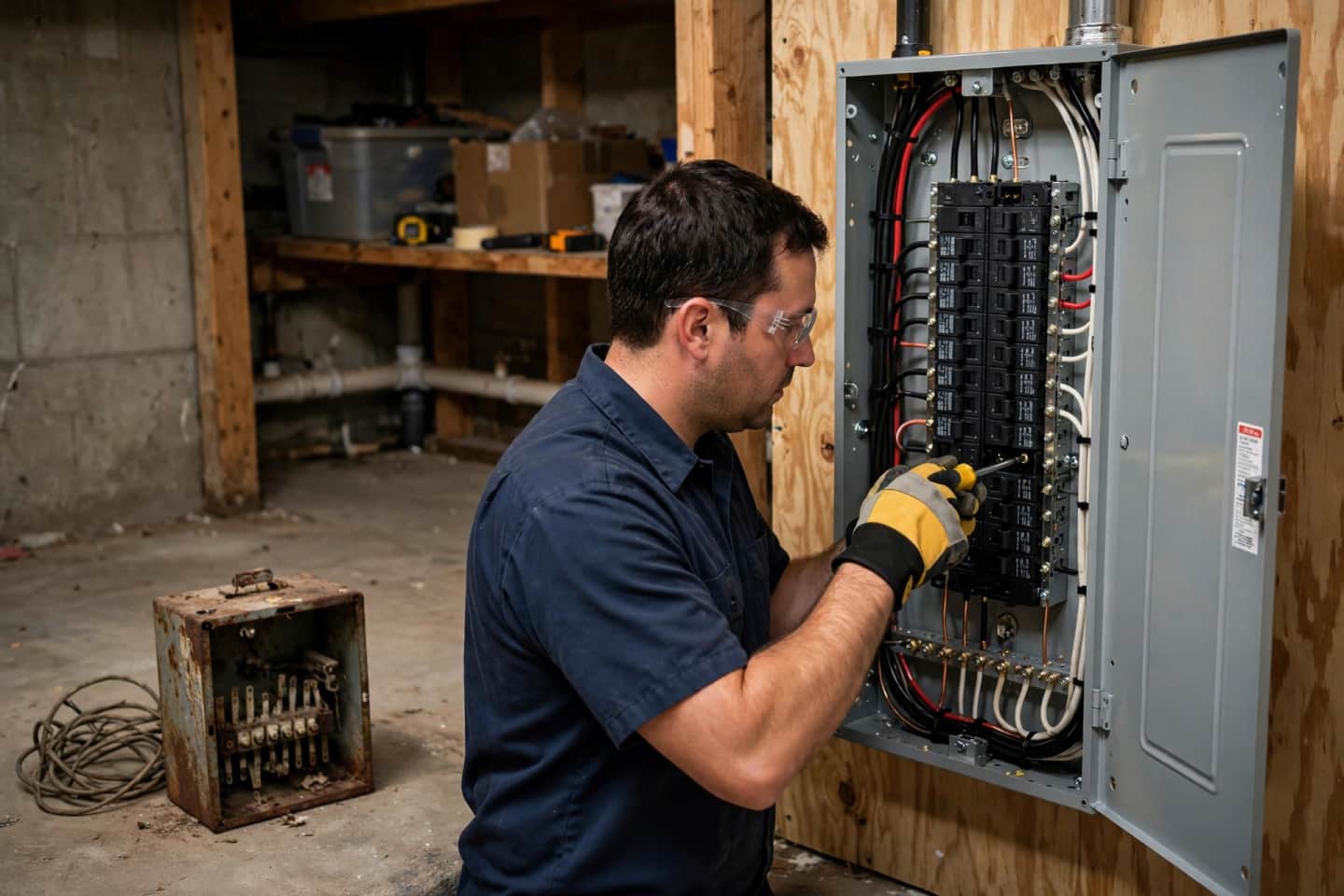
House RewiringOlder rowhomes may still run on fuses. Upgrading to a modern breaker panel is coordinated with PECO and permitted through L&I.
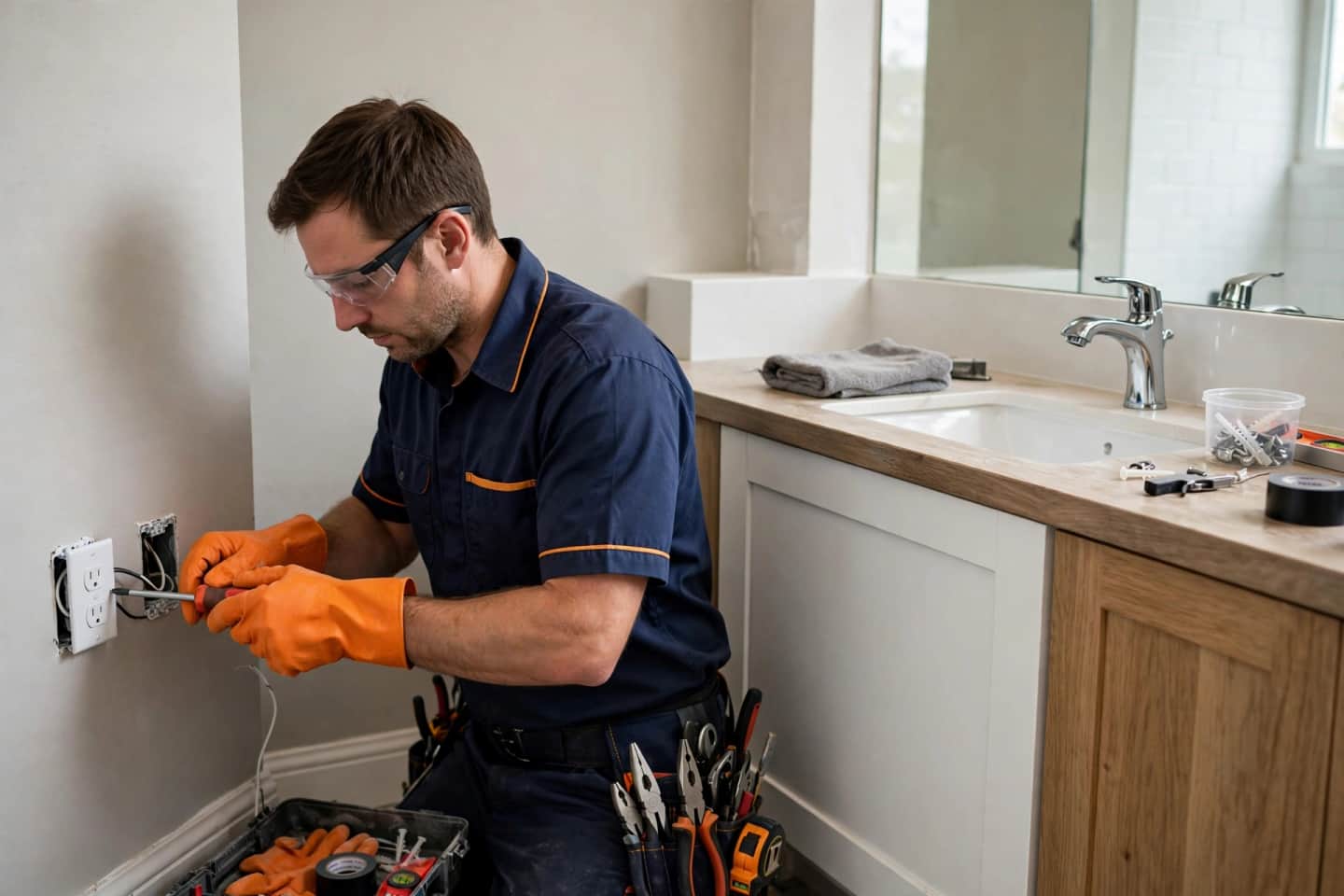
Electrical Panel UpgradeWindow AC units on old shared circuits trip breakers and overheat outlets. Dedicated circuits fix the root cause.
Outlet & GFCI InstallationLocal guide
History, housing, weather and rules that shape electrical work in Philadelphia, PA.
In Philadelphia, electrical permits are issued by the Department of Licenses and Inspections through its online system, and work must be done by an electrical contractor licensed by the city. L&I inspects work at rough-in and final stages, and many renovations also need building permits. Homeowners should ask to see the contractor’s city license.
South Philadelphia’s streets of two-story rowhomes, Fishtown’s and Kensington’s worker houses, Fairmount’s and Spring Garden’s larger brick homes, and Germantown’s stone twins all date largely from the late 1800s to the 1920s. In many, the meter sits in the basement and the panel is small, with wiring added by many hands over a century.
Fishtown, Point Breeze, Brewerytown and Graduate Hospital have seen a wave of new three- and four-story rowhomes replacing older houses. New homes usually have larger services, but tight lots mean meters, condensers and EV chargers must fit in small spaces, often on roof decks or in shallow front areas.
Because rowhomes share walls, an electrical fire in one house threatens its neighbors. Old wiring hidden in shared walls, junction boxes buried in plaster, and overloaded circuits feeding space heaters and window air conditioners are common risks. A thorough inspection before renovation protects the whole block.
Many Philadelphia rowhomes have their meter and panel in a basement that can flood during heavy rain, especially in neighborhoods near the Schuylkill and Delaware rivers and low-lying parts of the city. Ida’s rains in 2021 flooded Manayunk and other riverside neighborhoods. Raising the panel and adding a backflow valve and sump pump backup reduce damage.
Philadelphia has many historic districts and individually designated buildings, including much of Society Hill, Old City and Rittenhouse. Exterior changes, including meters on facades and visible conduit, may need review by the Historical Commission. Electricians plan service changes through rear walls and basements when possible.
Philadelphia summers are hot and humid, and many rowhomes rely on window units plugged into old circuits. Tripped breakers, warm outlets and melted plugs are warning signs. Dedicated circuits or ductless heat pumps are the lasting fix.
For service upgrades, meter relocations and new construction, the electrician coordinates with PECO, which sets requirements for meter locations and service sizes. PECO’s scheduling affects how long a renovation takes, so starting early helps.
Most Philadelphia residents park on the street, which makes home EV charging difficult. Running cords across sidewalks is not allowed. Homes with garages, rear parking or driveways in neighborhoods such as Chestnut Hill and the Northeast can add chargers more easily.
Northeast Philadelphia was built mostly after World War II, with brick rowhomes, twins and single homes on original 100-amp panels. Updating kitchens, adding central air or charging an EV there often starts with a panel upgrade.
Philadelphia requires rental licenses, and landlords must provide working smoke and carbon monoxide alarms and keep electrical systems safe. Older rental rowhomes often need panel upgrades, GFCI protection and repairs to tenant-installed wiring.
Common requests include rowhome service upgrades, knob-and-tube replacement, dedicated circuits for air conditioning, basement panel relocations, rental safety updates, new-construction wiring and EV chargers where parking allows.
Philadelphia is known for its trinity houses, tiny three-story homes with one room per floor connected by a winding stair, found in Society Hill, Queen Village and Old City. Running new wiring through these narrow homes takes careful planning, since every wall and floor is precious and many are historic. Panels are often tucked into basements or closets, and adding central air or heat pumps requires creative placement of equipment and conduit.
Germantown, Mount Airy and Chestnut Hill contain stone and brick homes from the 1700s through the early 1900s, many on larger lots with mature trees and detached garages. Thick stone walls make rewiring slow, and older homes often have mixed wiring from several generations. Garages and carriage houses offer room for EV chargers, but usually need a new underground feeder from the house.
Philadelphia has a long history of rowhome fires, many linked to old wiring, overloaded outlets and space heaters. The fire department and nonprofits distribute smoke alarms, but the underlying wiring often needs updating. Signs such as warm outlets, flickering lights, buzzing switches or a burning smell should be checked by a licensed electrician right away rather than ignored until the next renovation.
Some Philadelphia rowhomes have been converted to duplexes or have basement units, sometimes without permits. Legalizing these conversions requires proper separation of electrical services, alarms, egress and inspection by L&I. Owners buying converted rowhomes should ask for permit records and have the electrical system evaluated.
In the leafy Northwest neighborhoods, summer storms bring down large limbs onto service drops and lines more often than in the dense rowhome blocks. After a storm, a pulled mast or damaged meter socket must be repaired and inspected before PECO restores power, so homeowners there often keep a licensed electrician’s number handy.
Around Penn and Drexel, University City has large Victorian twins and rowhomes divided into student apartments. Heavy use, overloaded circuits and decades of conversions are common, and landlords must keep up with rental license requirements, smoke and carbon monoxide alarms and safe wiring. Converting or renovating these buildings often means new services for each unit and careful separation of common-area circuits.
Many Philadelphia rowhomes heat with old gas boilers and radiators. Ductless heat pumps are a popular way to add cooling and efficient heat, but each indoor and outdoor unit needs circuits and room in a small panel. Planning a service upgrade alongside the heat pump installation avoids running out of capacity.
Small repairs can often be handled quickly, but service upgrades and renovations depend on L&I permits, inspections and PECO scheduling. Historic properties may also need Historical Commission review, adding time. Starting with a clear written scope keeps projects moving.
South Philadelphia rowhomes often have front stoops and small rear yards where homeowners add lighting, outlets and string lights. Exterior circuits should have weather-resistant, ground-fault-protected outlets rather than extension cords run from inside.
Questions
The Department of Licenses and Inspections (L&I) issues electrical permits, and work must be done by a licensed electrical contractor.
Yes, in many homes built before the 1940s. An inspection shows whether any active circuits remain.
Problem guides
 Breaker Keeps TrippingWhy does my circuit breaker keep tripping?
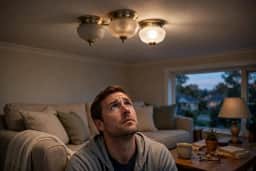 Flickering LightsWhy are the lights in my house flickering?
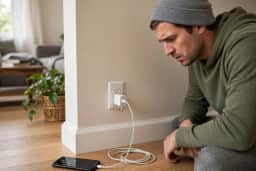 Outlet Not WorkingWhy did my outlet suddenly stop working?
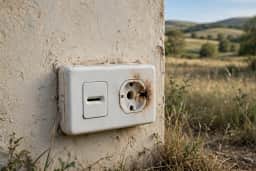 Burnt or Scorched OutletWhat should I do if an outlet has burn marks?
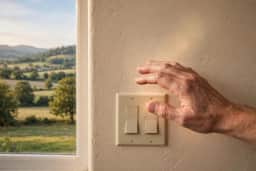 Warm Light SwitchIs it normal for a light switch to feel warm?
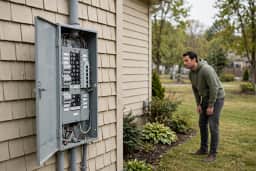 Buzzing Electrical PanelWhy is my electrical panel buzzing?
Same-day help often available
Call an electrician in Philadelphia
Describe the problem and your Philadelphia neighborhood. Your call goes to an independent licensed electrician who works locally.
Call (855) 679-2483Smoke, flames or sparking? Leave the building and call 911 first.
Pronto Electrician is a free referral service. Calls are answered by independent licensed electricians in your area. Pronto Electrician does not perform electrical work, and the electrician you choose sets the price, schedule, permits and warranty.
Free to call · All 50 states + DC
Describe the problem and get connected with an independent licensed electrician who serves your area.