01
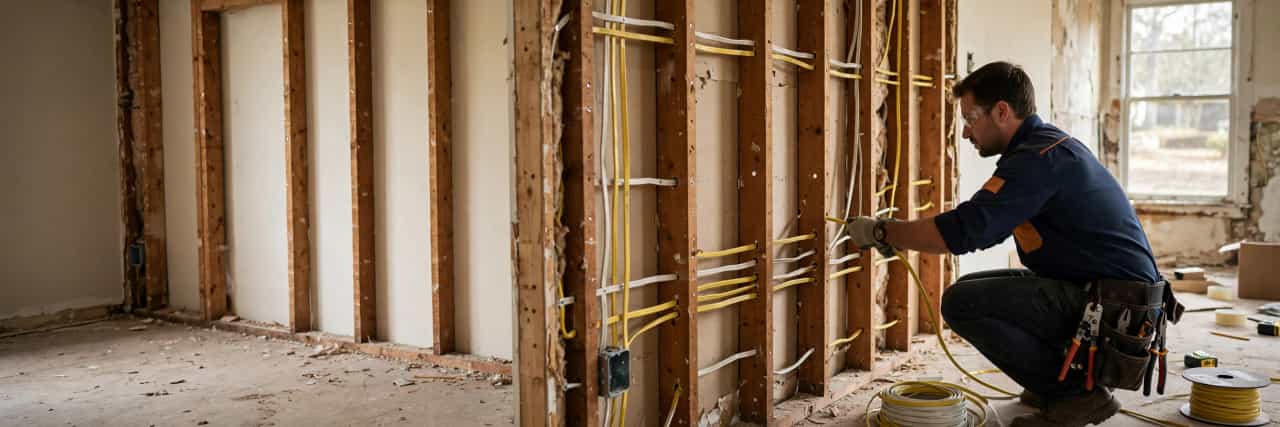
Knob-and-tube in rowhouse walls
Rowhouses from before the 1930s can still have knob-and-tube or cloth-covered cable behind plaster, often extended with later splices. An inspection identifies live sections before walls are opened.
House Rewiring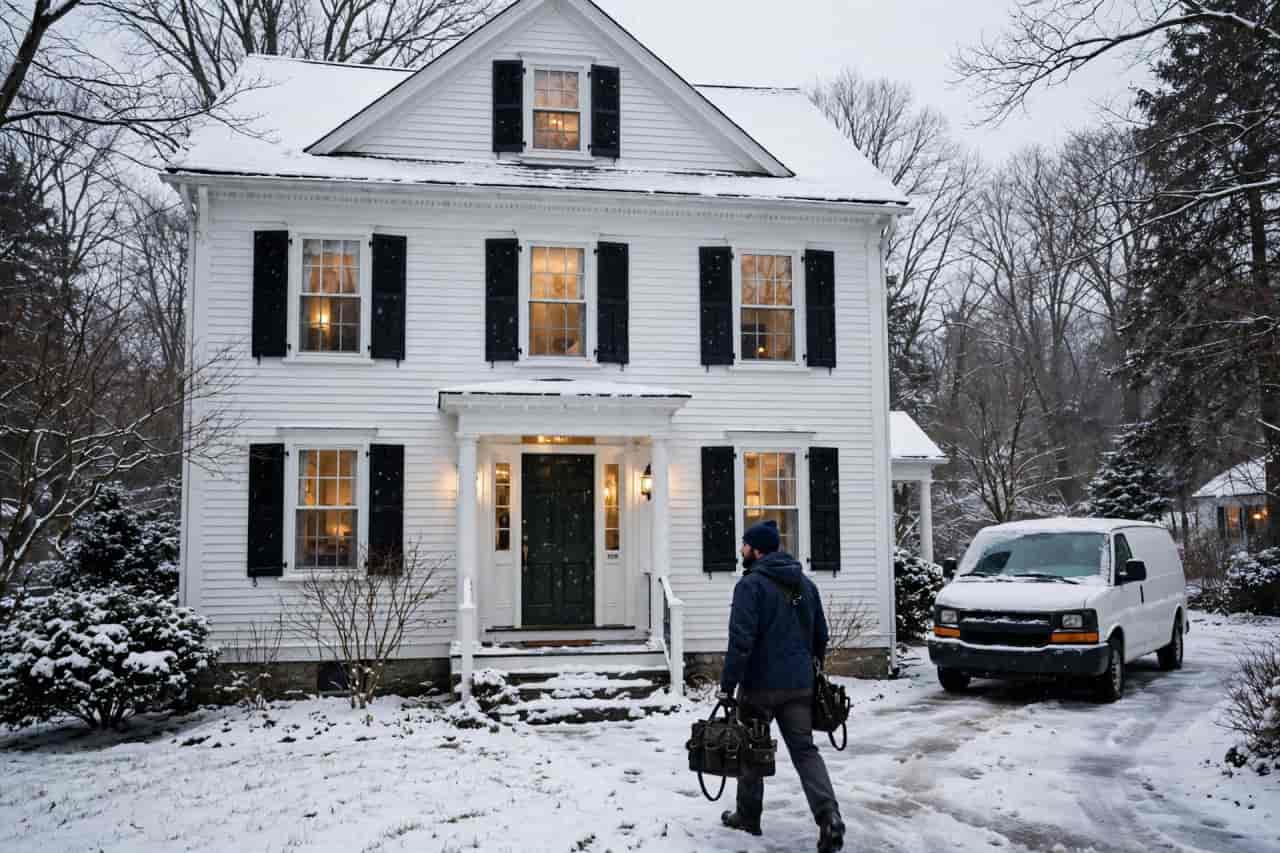
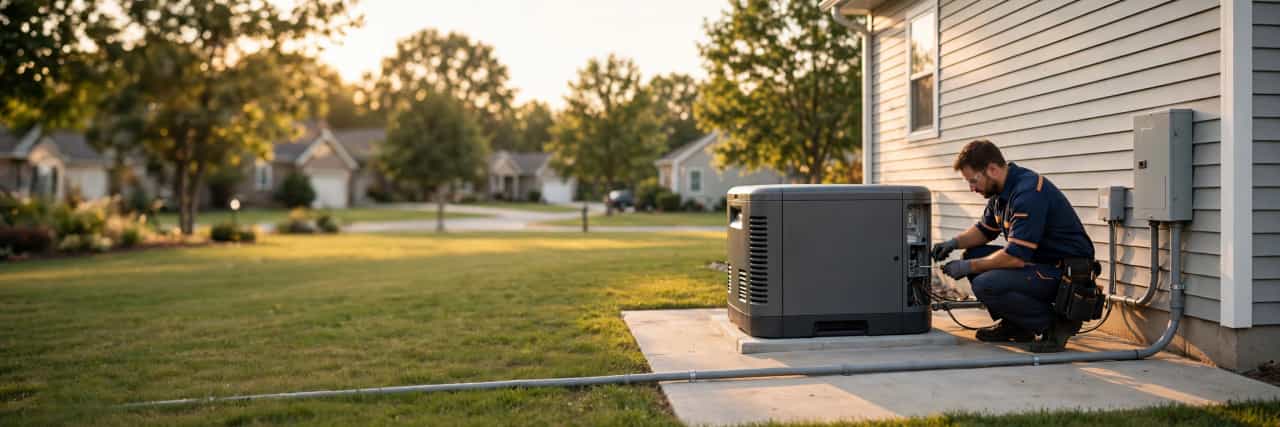
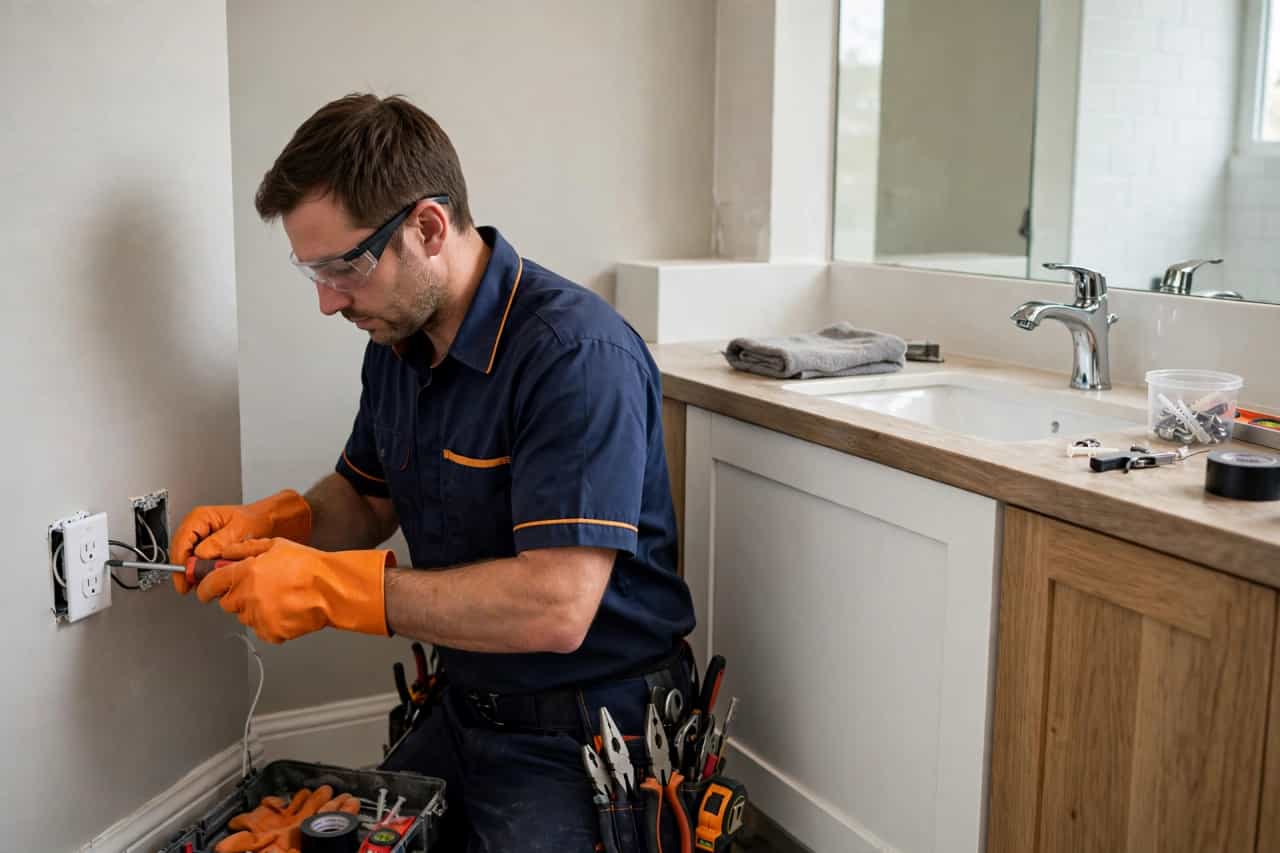
24 hour emergency service, electrical repair, panel upgrades, generator installation and EV chargers in Allentown. Call (855) 679-2483 and get connected with an independent licensed electrician who works locally.
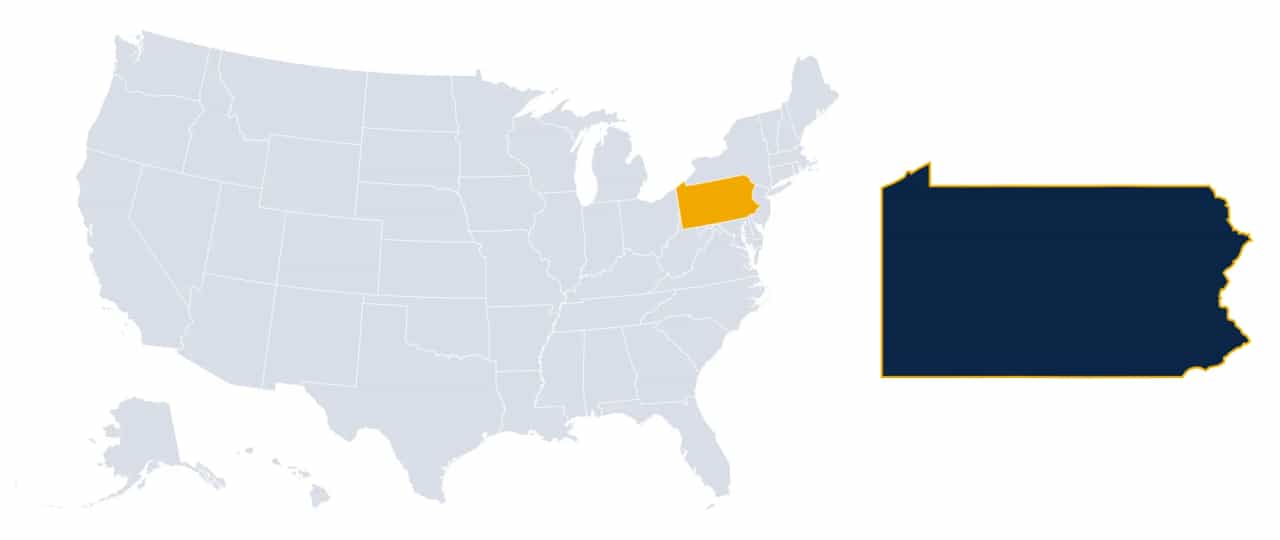
Allentown is Pennsylvania’s third-largest city and the hub of the Lehigh Valley, set where the Jordan Creek and Little Lehigh meet the Lehigh River. PPL Electric Utilities, headquartered downtown, delivers the power. The city is defined by long blocks of brick rowhouses and twins from the late 1800s and early 1900s, with roomier West End homes and postwar neighborhoods toward the edges. Old wiring, shared walls and harsh winters shape most electrical calls here.
Free to call · Independent licensed electricians
By calling, you agree to be connected with an independent electrician, who may call or text you back about your request at the number you call from. Calls may be recorded for quality and routing. Consent is not a condition of any purchase, and you can opt out at any time; message and data rates may apply. Privacy policy.
Serving Old Allentown, West End, East Side, South Side, Center City, Old Fairgrounds and every other Allentown neighborhood.
Allentown at a glance
Electrical services in Allentown
The calls Allentown homeowners make most, followed by every service independent licensed electricians handle here.
Not sure which service you need? Describe the problem and an electrician will tell you.
Call for Electrical Service in AllentownHousing and wiring
Center City, Old Allentown and the Old Fairgrounds district are packed with Victorian and early-1900s brick rowhouses, many divided into apartments. The West End holds larger twins and single homes from the 1910s through the 1930s near Cedar Creek Parkway. The East Side and South Side mix rowhouses with mid-century singles, and newer townhouses and garden apartments sit along the city’s outer edges.
Neighborhoods we cover
Local issues
Problems that come up again and again in local homes, and the service that fixes each one.
Rowhouses from before the 1930s can still have knob-and-tube or cloth-covered cable behind plaster, often extended with later splices. An inspection identifies live sections before walls are opened.
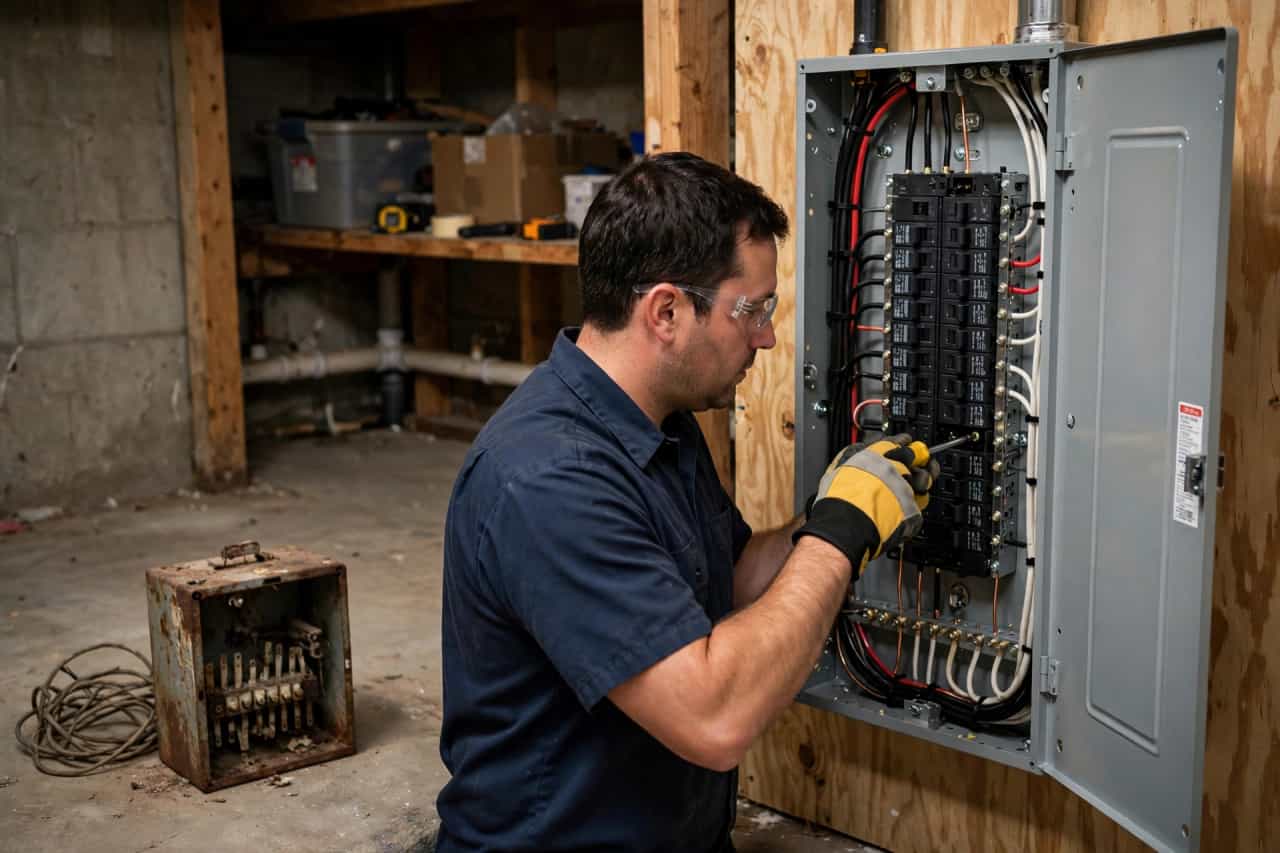
House RewiringConversions added meters and small panels for each unit, sometimes squeezed into basements with little clearance. Adding air conditioning or laundry often means a service rework.
Electrical Panel UpgradeHeavy snow and ice, plus remnants of tropical storms, have knocked out PPL service across the region. Homeowners increasingly add generator inlets with interlocks.
Generator InstallationLocal guide
History, housing, weather and rules that shape electrical work in Allentown, PA.
PPL Corporation has been based in Allentown for generations, and its tower on Hamilton Street remains a downtown landmark. PPL Electric Utilities delivers power to the city, while customers can shop for a competitive generation supplier. Service upgrades, meter relocations and reconnections after a panel swap are coordinated between the electrician, the city inspector and PPL.
The Old Allentown historic district north of Hamilton Street preserves blocks of late-1800s brick rowhouses with ornate cornices and porches. Inside, many have plaster walls, tall ceilings and wiring added in stages over a century. Rewiring here is usually done carefully through basements and attics to protect historic trim, and exterior changes may need review because of the district.
The Old Fairgrounds area takes its name from the Lehigh County Agricultural Society’s fairgrounds, used there from 1852 until the fair moved in 1889 to its current grounds at 17th and Chew streets. The neighborhood is dense with early-1900s rowhouses and twins. Narrow lots and shared party walls mean meters are often clustered in basements, and older homes may still run on 60-amp services.
The West End, around the Allentown Fairgrounds and Cedar Creek Parkway, holds larger brick twins and single homes built in the 1910s through 1930s. They often have finished attics and third floors added later, where wiring can be undersized or spliced without boxes. Owners renovating these spaces benefit from tracing every circuit back to the panel first.
Many Center City rowhouses were divided into two or three apartments, each with a meter and a small panel. Basement clearance in front of panels can be tight, and the house circuits for halls and common lights are sometimes tied into one unit by mistake. Separating loads properly prevents tenant disputes and overheated circuits.
In late October 2011, an unusually early snowstorm dropped heavy wet snow on trees still in leaf across eastern Pennsylvania. Limbs fell on lines throughout the Lehigh Valley and hundreds of thousands of PPL customers lost power, some for days. Many homeowners bought portable generators afterward, and some learned that backfeeding through a dryer outlet is dangerous.
The remnants of Hurricane Ida brought torrential rain to the Lehigh Valley on September 1, 2021. Streams rose fast and basements flooded across the region. Since rowhouse panels and meters are usually in the cellar, water damage there is an electrical issue. Equipment that has been submerged should be inspected and often replaced before power is restored.
The Jordan Creek and the Little Lehigh run through the city’s parklands and can flood nearby low-lying streets during heavy storms. Homes close to the creeks are the most likely to see water in basements. Raising panels and water heaters off the floor, and adding GFCI protection to basement circuits, reduces risk.
Allentown sits on limestone and dolomite bedrock that can dissolve over time, and sinkholes have opened in streets and yards around the Lehigh Valley. Ground movement can stress underground service laterals, buried feeders to garages and conduit entries. Cracked foundations near the service entrance deserve a closer look.
Across the Lehigh River, the East Side mixes older rowhouses with mid-century single homes built for workers at local factories. Postwar houses there often have early breaker panels with limited spaces and few kitchen circuits. Adding counter outlets, a dishwasher or central air usually means expanding the panel.
The South Side climbs toward South Mountain and blends rowhouses, twins and singles. Hilly lots can mean services entering on the uphill side of a house and long runs to a detached garage. Snow and ice weigh on overhead service drops in winter, so a sagging drop or loose mast is worth reporting.
Lehigh Valley winters bring stretches of cold that send residents reaching for space heaters, especially in drafty older rowhouses. Plug-in heaters draw heavy current and can overheat worn outlets or extension cords. Warm cover plates, discoloration or a burning smell mean the heater should be unplugged and the circuit checked.
The Neighborhood Improvement Zone has fueled new office, hotel and apartment construction around PPL Center and Hamilton Street. Older commercial storefronts nearby are being converted for restaurants and offices, often needing new services, emergency lighting and dedicated kitchen circuits. Commercial tenants should plan electrical work before signing a buildout schedule.
Pennsylvania adopted the Uniform Construction Code statewide, and Allentown enforces it through its own code office. Electrical work generally requires a permit and an inspection, and some jobs are inspected in stages before walls are closed. Pennsylvania does not license electricians statewide, so homeowners should ask about local registration, insurance and experience.
Allentown’s Rental Unit Registration & Inspection program requires landlords to register units and hold an annual rental license, and units are inspected periodically. Inspectors look for obvious hazards such as missing cover plates, exposed wiring, nonfunctioning smoke alarms and unsafe extension cord use. Landlords who fix these items before the inspection avoid repeat visits.
Two-prong outlets are still common in older Allentown homes. Swapping them for grounded receptacles is only correct when a ground actually exists; otherwise GFCI protection is the code-recognized alternative. Kitchens, bathrooms, basements and exterior outlets should all have GFCI protection.
Electric vehicle owners in rowhouse areas often lack a driveway, which limits home charging. Homes with rear garages or alley parking can sometimes run a feeder out back. In the West End and outer neighborhoods with driveways, a Level 2 charger is usually straightforward once the service has room.
Keep everyone away from sparking outlets, hot panels or electrical equipment near water. Switch off the main or the circuit only if it is safe and dry to reach. Call 911 for smoke or fire, then call (855) 679-2483 to be connected with a licensed electrician.
Questions
Yes. Call (855) 679-2483 any time, day or night, and you are connected with an independent licensed electrician who covers Allentown, including Old Allentown, West End, East Side. For sparks, smoke or a hot panel, call 911 first.
Licensed electrical contractors working in Lehigh County handle outlet and switch repair, circuit troubleshooting, panel work and standby generator installation. Permits go through City of Allentown Bureau of Building Standards and Safety, City Hall, 435 Hamilton Street.
The City of Allentown’s Bureau of Building Standards and Safety at City Hall handles building and electrical permits for addresses inside the city under the Pennsylvania Uniform Construction Code. Surrounding townships such as Whitehall, Salisbury and South Whitehall have their own code offices.
Report outages to PPL Electric Utilities, which delivers power throughout Allentown. If the rest of the block has power and your home does not, or one area keeps losing power, call (855) 679-2483 to be connected with a licensed electrician.
Not without a professional evaluation, because decades-old insulation can crumble and later splices are often unsafe. An electrician can test which sections are still live and recommend replacing them, often room by room.
Problem guides
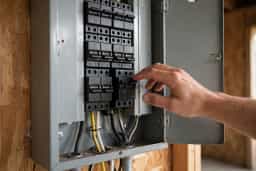 Breaker Keeps TrippingWhy does my circuit breaker keep tripping?
 Flickering LightsWhy are the lights in my house flickering?
 Outlet Not WorkingWhy did my outlet suddenly stop working?
 Buzzing Electrical PanelWhy is my electrical panel buzzing?
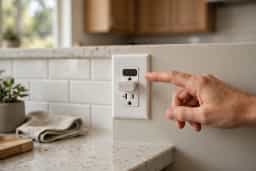 GFCI Won’t ResetWhy won’t my GFCI outlet reset?
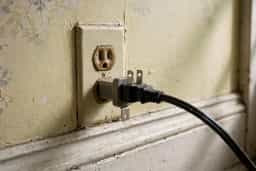 Two-Prong Ungrounded OutletsAre two-prong outlets safe?
Same-day help often available
Call an electrician in Allentown
Describe the problem and your Allentown neighborhood. Your call goes to an independent licensed electrician who works locally.
Call (855) 679-2483By calling, you agree to be connected with an independent electrician, who may call or text you back about your request at the number you call from. Calls may be recorded for quality and routing. Consent is not a condition of any purchase, and you can opt out at any time; message and data rates may apply. Privacy policy.
Smoke, flames or sparking? Leave the building and call 911 first.
Pronto Electrician is a free referral service. The electricians you are connected with are independent contractors, not employees or agents of Pronto Electrician. Pronto Electrician does not perform electrical work, and the electrician you choose sets the price, schedule, permits and warranty.
Free to call · All 50 states + DC
Describe the problem and get connected with an independent licensed electrician who serves your area.
By calling, you agree to be connected with an independent electrician, who may call or text you back about your request at the number you call from. Calls may be recorded for quality and routing. Consent is not a condition of any purchase, and you can opt out at any time; message and data rates may apply. Privacy policy.
Free referral to independent electricians. By calling you consent to a callback or text and call recording. Details