Pittsburgh sits where the Allegheny and Monongahela meet to form the Ohio, and its neighborhoods climb hillsides so steep that hundreds of public stairways link the streets. Duquesne Light delivers the power. The housing is among the oldest of any large American city, built for steel, glass and rail workers, and river floods, hillside landslides and the deluge from Hurricane Ivan’s remnants in 2004 have all left their mark on basements and wiring.
Lawrenceville, the South Side Slopes and Polish Hill are packed with brick and frame rowhouses from the late 1800s, many with one small panel in a damp cellar. The Mexican War Streets and Allegheny West keep Victorian townhouses, Shadyside and Squirrel Hill have larger brick homes from the early 1900s, and Brookline and Beechview grew along streetcar lines in the 1910s and 1920s with modest detached houses on sloping lots.
Problems that come up again and again in local homes, and the service that fixes each one.
01
Panels in stone-walled cellars
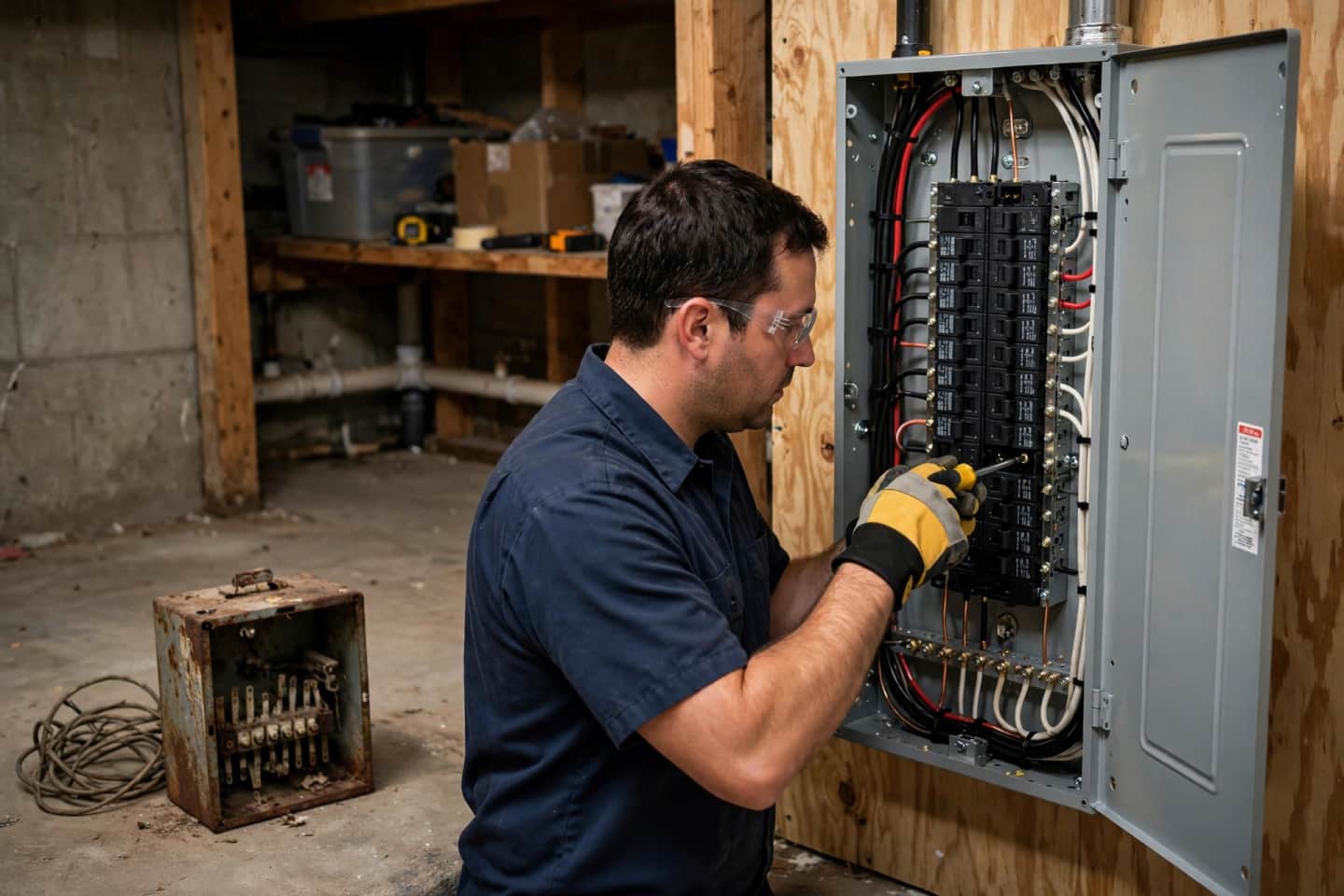
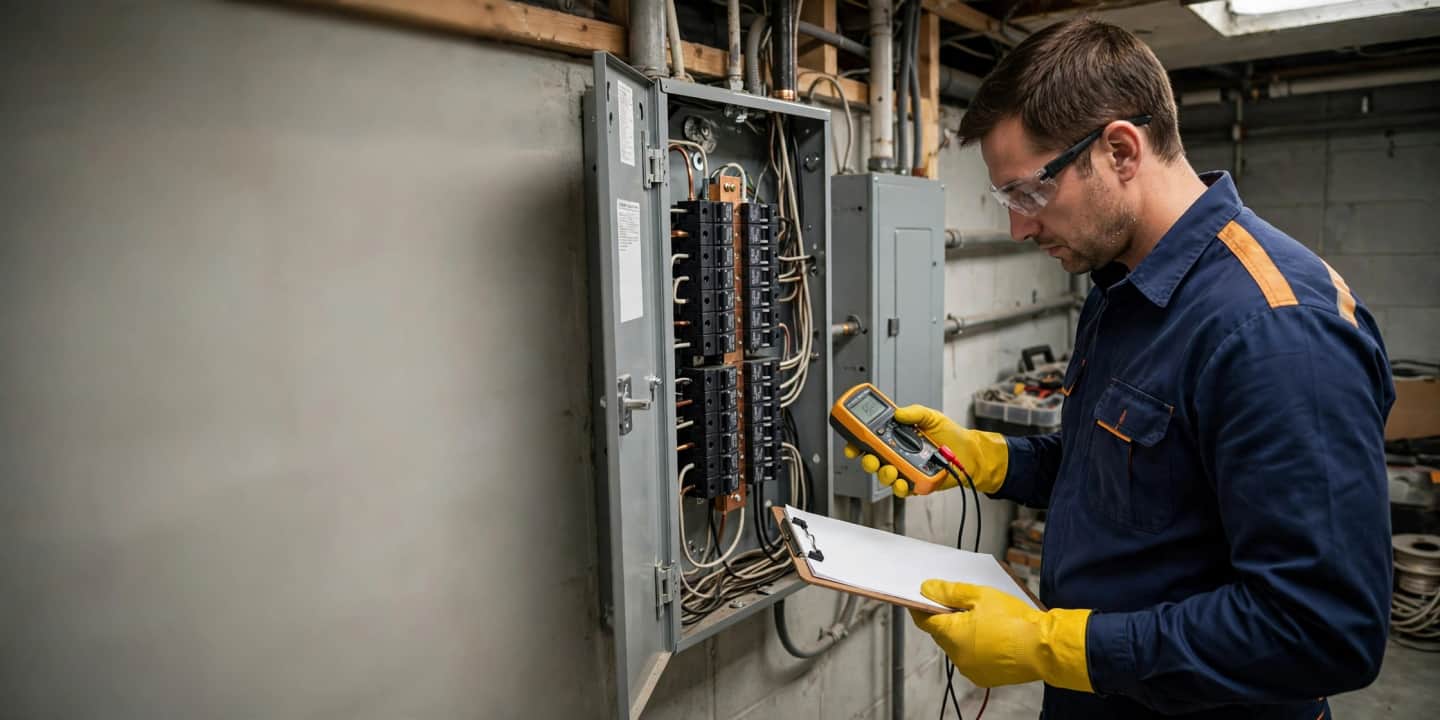
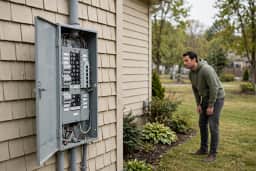
Many Pittsburgh houses keep the panel in a stone or block basement that stays damp all year, and some flooded in 2004. Rusted breakers and corroded neutral bars should be replaced, ideally with the new panel mounted higher and drier.
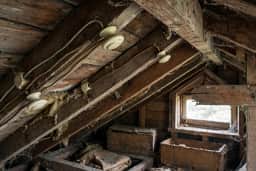
Late-1800s rowhouses in Lawrenceville, Bloomfield and the North Side still turn up original knob-and-tube, often extended with newer cable at hidden splices.
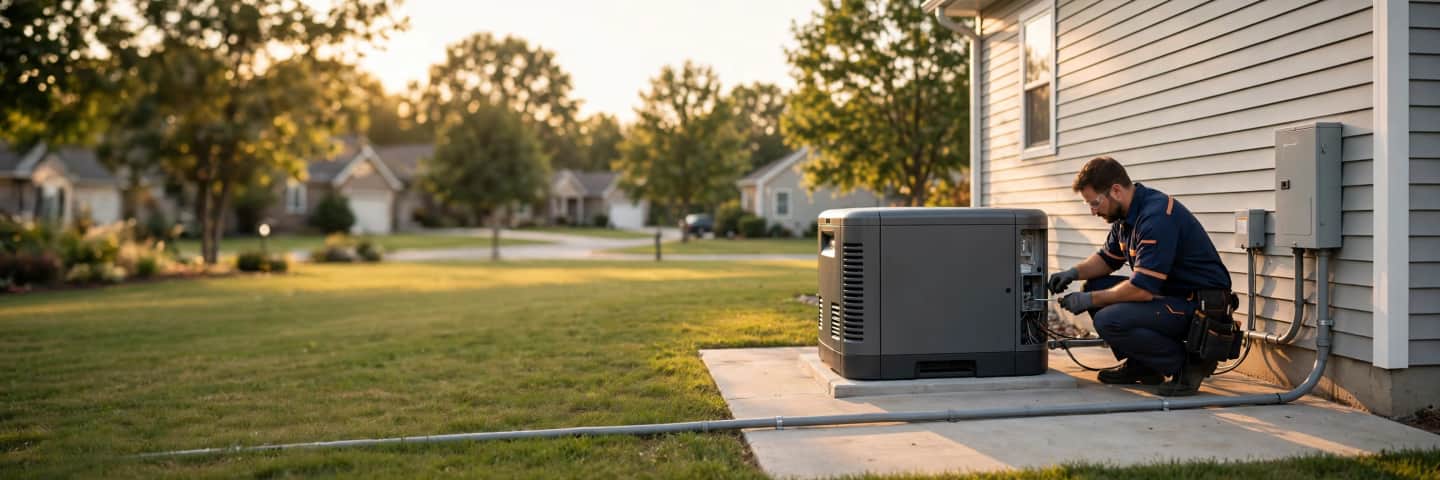
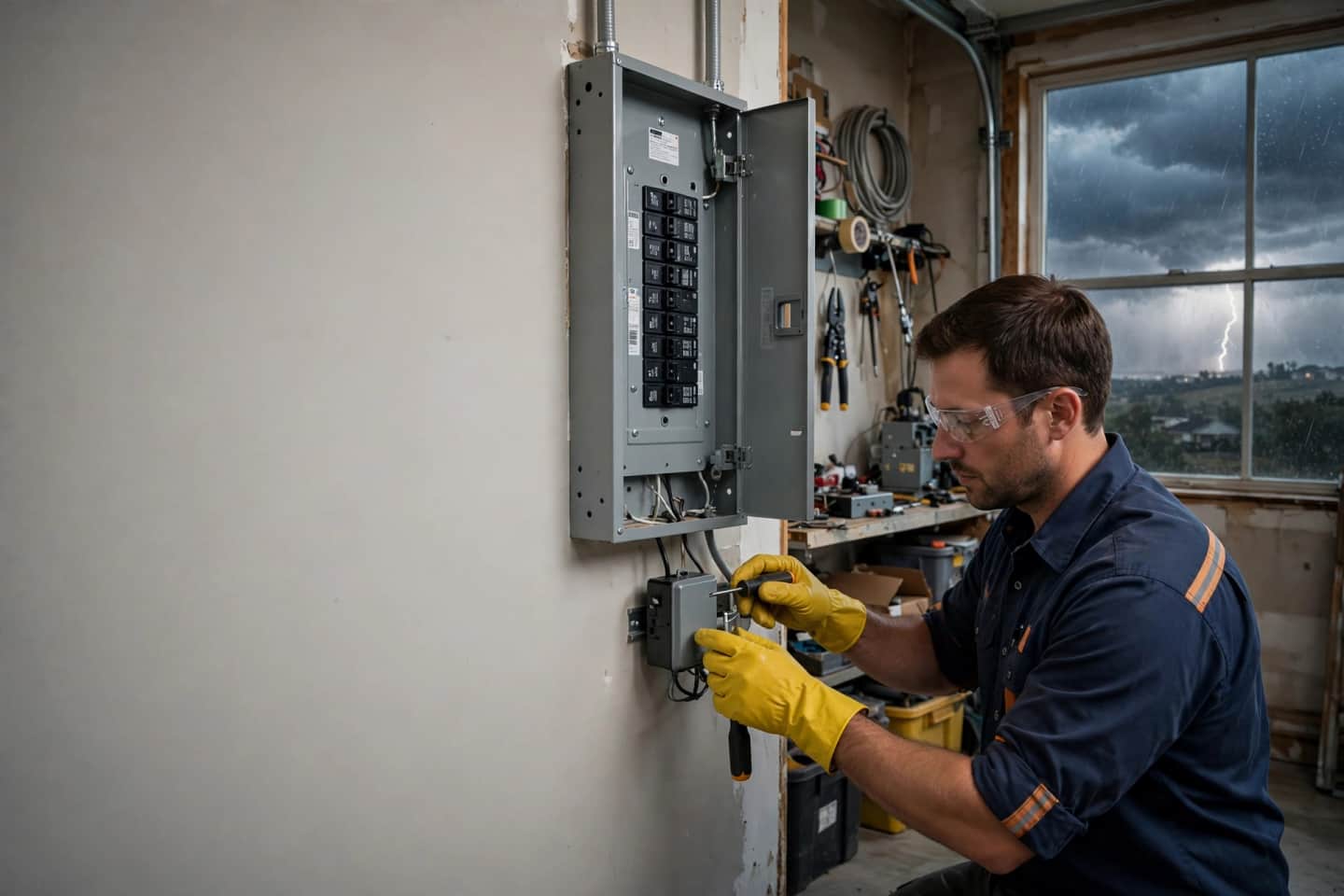
Duquesne Light’s overhead lines thread through wooded hillsides, and heavy wet snow or summer storms bring limbs down on service drops. A generator with a transfer switch or interlock keeps the sump pump and furnace running.
History, housing, weather and rules that shape electrical work in Pittsburgh, PA.
The St. Patrick’s Day flood of 1936
On March 17 and 18, 1936, snowmelt and heavy rain pushed the rivers at the Point to about 46 feet, the highest crest on record, flooding downtown and riverside neighborhoods and knocking out power across much of the city. The disaster led to the upstream reservoirs that now hold back much of the runoff, but cellars in the Strip District and along the North Shore are still the first to take water.
Ivan’s 5.95 inches on September 17, 2004
The remnants of Hurricane Ivan dropped 5.95 inches of rain on Pittsburgh on September 17, 2004, a 24-hour record, barely a week after the remnants of Frances had soaked the ground. Thousands of homes flooded across Allegheny County, and Millvale, just across the Allegheny, was hit especially hard. Many basements that flooded then still hold panels, receptacles and furnaces at the same height.
Landslides during the soaking year of 2018
Pittsburgh’s slopes are built on layers of clay and shale that move when saturated. During the exceptionally wet year of 2018, landslides damaged houses and roads across the city and county, and Mount Washington has since seen slope stabilization work. A creeping hillside can tug on buried feeders to garages, crack conduit and strain the mast where the overhead drop attaches.
Coal seams beneath Allegheny County
The Pittsburgh coal seam that fed the region’s mills runs beneath much of Allegheny County, and abandoned mines lie under some neighborhoods. Pennsylvania’s Department of Environmental Protection runs a Mine Subsidence Insurance program because standard homeowner policies typically exclude that damage. Foundation movement from subsidence or settling can stress the service entrance and underground wiring, so cracks deserve a look.
Lawrenceville rowhouses near the old arsenal
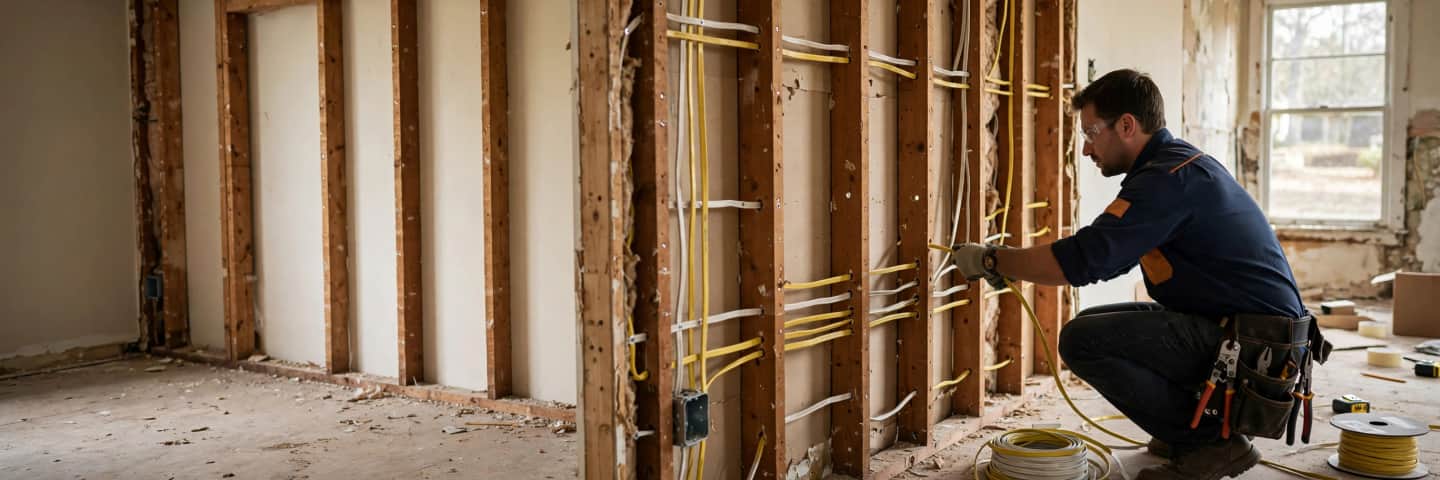
Lawrenceville stretches along the Allegheny with brick rowhouses built in the 1800s for workers at the Allegheny Arsenal, foundries and mills. Its revival since the 2000s brought a steady stream of gut renovations. With walls open to the studs, replacing every circuit costs far less than fishing cable through plaster later, and shared party walls mean one house’s wiring fault can threaten the next.
Mexican War Streets and the 1907 annexation
The North Side was the separate City of Allegheny until Pittsburgh annexed it in 1907. Its Mexican War Streets, named for battles and officers of that war, and Allegheny West hold Victorian rowhouses and townhouses within city historic districts. Exterior changes there may need Historic Review Commission approval, and restorers sometimes find abandoned gas-light piping beside early knob-and-tube, a reminder that these houses were lit by gas before they were wired.
South Side Slopes and the city steps
Above East Carson Street, the South Side Slopes are reached by narrow, twisting streets and long flights of public steps, and some houses can be approached only on foot. Carrying a new panel, cable reels or a generator to the door takes extra time and hands. The frame and brick houses there were built largely for workers at the Jones & Laughlin mills along the Monongahela.
Polish Hill and Troy Hill
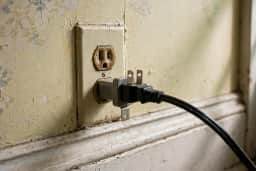
Polish Hill, below the domes of Immaculate Heart of Mary church, and Troy Hill across the Allegheny are compact hilltop neighborhoods of small frame and brick homes built by Polish and German immigrants. Retaining walls and houses cut into the slope often leave the panel in a half-buried cellar. Small services, ungrounded outlets and generations of owner patches are the usual findings.
Squirrel Hill between Frick and Schenley parks
Squirrel Hill grew in the early 1900s with substantial brick and stone houses, duplexes and apartment buildings between Frick and Schenley parks, and it remains the center of Pittsburgh’s Jewish community. Many homes have been updated more than once, yet original armored cable, crowded subpanels added for kitchens and attic wiring buried under insulation still turn up regularly, especially when an older owner sells after decades in the house.
South Oakland houses near Pitt and UPMC
Oakland is home to the University of Pittsburgh, Carnegie Mellon and UPMC’s flagship hospitals, and the blocks of South Oakland and Shadyside hold old houses rented to students and hospital staff. A converted house with five or six bedrooms can overwhelm a small service once space heaters, window air conditioners and gaming computers are running. Owners often add circuits and newer alarms in the summer turnover.
Brookline and Beechview streetcar suburbs
Brookline and Beechview grew in the 1910s and 1920s after streetcar lines climbed into the South Hills, and light rail still runs along Broadway Avenue in Beechview. Houses are mostly modest detached brick and frame homes on sloping lots, often with a garage tucked under the house. That layout puts the panel close to the parking space, which makes adding a car charger simpler than in rowhouse blocks.
Hazelwood Green and Mill 19
The Hazelwood coke works, the last piece of the old Jones & Laughlin operation in the city, closed in 1998, and the riverfront site is being rebuilt as Hazelwood Green, where Mill 19 now houses robotics and manufacturing research. The surrounding neighborhood still has many early-1900s frame homes, often bought by first-time owners who find original wiring and small panels.
Snowmageddon, February 5–6, 2010
About 21 inches of heavy, wet snow fell on Pittsburgh across February 5 and 6, 2010, snapping trees and dragging down lines throughout southwestern Pennsylvania. Some households waited a week or more for power. Storms like that are why owners on wooded streets in Highland Park, Greenfield and the East End consider an inlet and transfer switch so a portable generator can run the essentials safely.
Alley service drops and century-old masts
On many Pittsburgh streets the overhead service runs down a rear alley or squeezes between closely spaced houses, ending at a mast or bracket that may be very old. The utility owns the drop up to the attachment point; the mast, weatherhead, meter socket and everything inside belong to the owner. Rusted masts and loose brackets are common reasons for a service replacement.
Pittsburgh potties and combined sewers
The so-called Pittsburgh potty, a lone toilet standing in the basement, hints at how much daily life in mill-era homes happened downstairs. Most of the city drains through combined sewers to the ALCOSAN treatment plant, and big storms can push water back up floor drains. Washers, freezers, sump pumps and panels in those cellars need ground-fault protection where required and should sit above likely water.
Highland Park and the East Liberty rebuild
East Liberty’s commercial core has been rebuilt since the 2000s, while next-door Highland Park holds large early-1900s houses near the reservoir and the Pittsburgh Zoo. Owners of those big houses often find original wiring, mid-century additions and newer circuits mixed together, and many planning heat pumps, induction ranges or electric water heaters need a larger service first, coordinated with Duquesne Light for the new meter.
Bloomfield plaster and lath
Bloomfield, long known as Pittsburgh’s Little Italy, is mostly brick and frame rowhouses finished with plaster over wood lath. Electricians there fish new cable through baseboards, closets and floors to avoid cutting finished walls, then patch small access holes afterward. Deciding outlet and fixture locations room by room before work begins keeps the patching to a minimum and spares original woodwork and trim.
Robotics labs and garage chargers in the South Hills
Pittsburgh has become a center for robotics and self-driving vehicle research, much of it grown out of Carnegie Mellon. Electric car ownership is rising too, but on-street parking dominates rowhouse neighborhoods, so home charging is most practical where there is a garage or driveway, as in Greenfield, Brookline and the South Hills. A charger there usually needs its own 240-volt circuit and, on a 100-amp service, a load calculation first.
Questions
Questions from Pittsburgh homeowners
Who issues electrical permits in Pittsburgh?+
The City of Pittsburgh’s Department of Permits, Licenses, and Inspections (PLI) issues electrical permits and inspects work inside city limits. Allegheny County contains well over 100 other municipalities, and places such as Mt. Lebanon, Wilkinsburg and Millvale run their own code offices or use third-party inspection agencies, so the exact address decides where to apply.
Are electricians licensed in Pennsylvania?+
Pennsylvania has no statewide electrician license. Inside Pittsburgh, PLI issues an Electrical Trade License that requires a standardized exam, six years of combined experience and education, and eight hours of continuing education each year to renew, and permits are pulled under it. Outside the city, rules vary by municipality, so ask any contractor for license and insurance documents.
Connect with an independent licensed electrician near you
Smoke, flames or sparking? Leave the building and call 911 first.
Pronto Electrician is a free referral service. Calls are answered by independent licensed electricians in your area. Pronto Electrician does not perform electrical work, and the electrician you choose sets the price, schedule, permits and warranty.