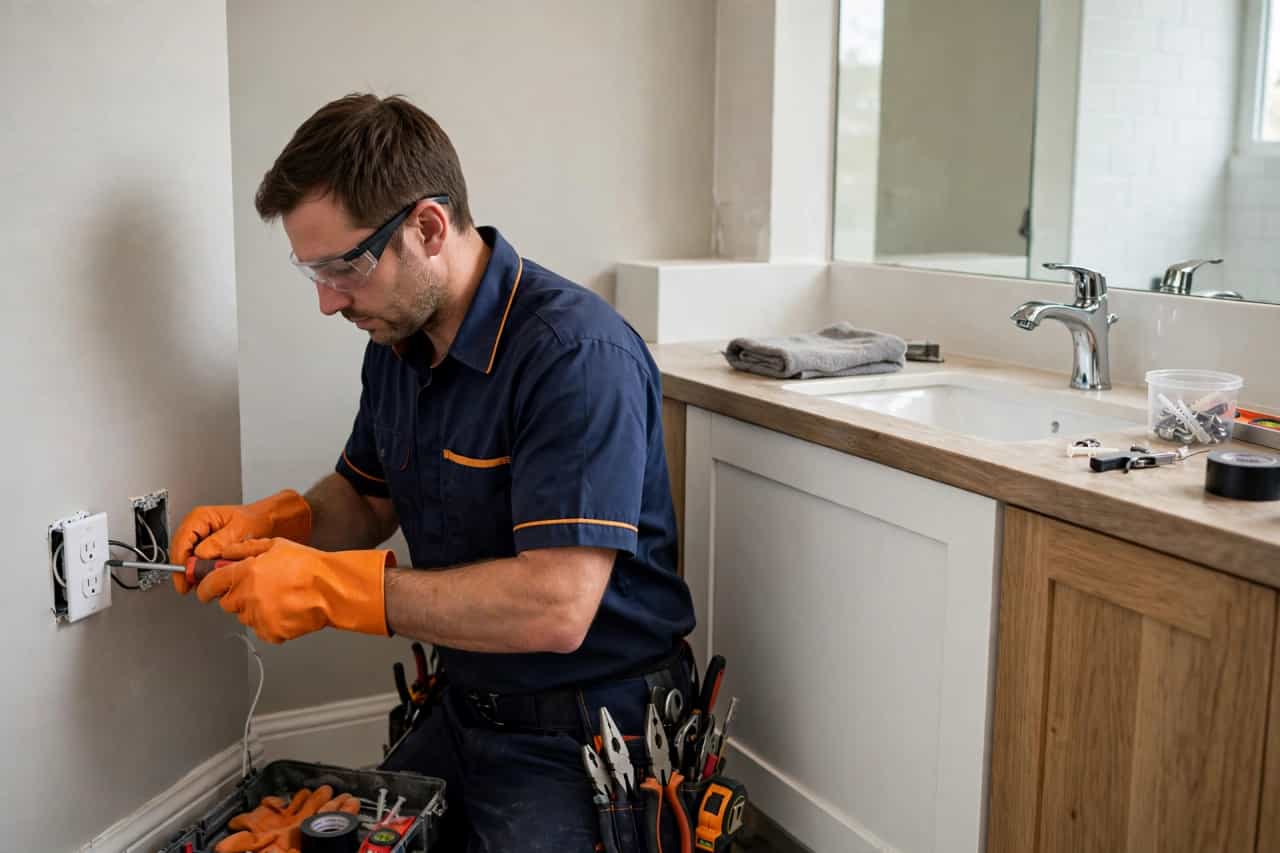
GFCI Outlet Installation
Shock protection near water and outdoors.
- Kitchens, baths, garages, laundry, outdoors
- GFCI receptacles or breakers
- Downstream protection labeling

New outlets, GFCI and AFCI protection, USB, outdoor and 240-volt receptacles reduce reliance on extension cords and protect against shock and arcing faults.
Free to call · Independent licensed electricians
By calling, you agree to be connected with an independent electrician, who may call or text you back about your request at the number you call from. Calls may be recorded for quality and routing. Consent is not a condition of any purchase, and you can opt out at any time; message and data rates may apply. Privacy policy.
Outlet & GFCI Installation at a glance
Independent licensed electricians in all 50 states + DC
Overview
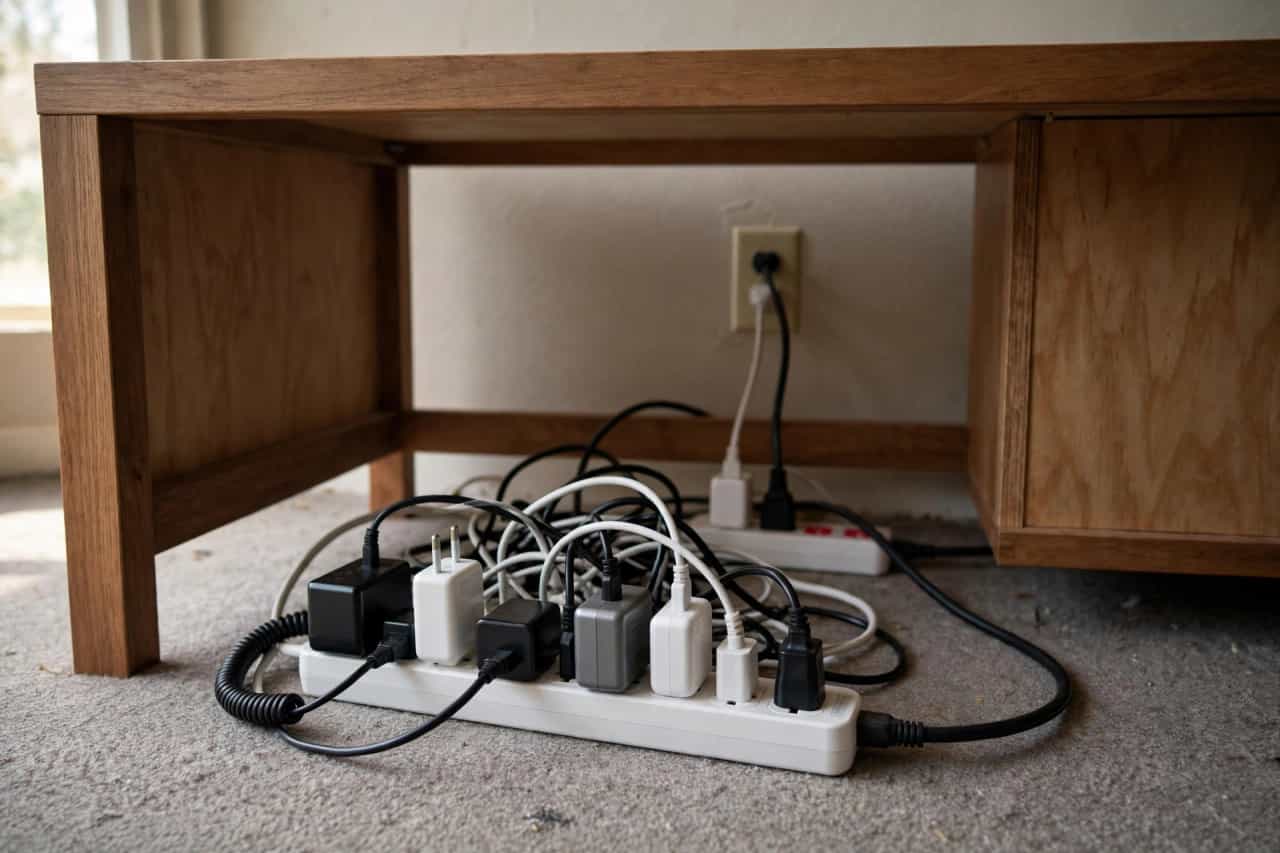
Too few outlets leads to power strips and extension cords — a common cause of overheating. Kitchens, bathrooms, garages, laundry areas and outdoors need GFCI protection against shock, and many living spaces need AFCI protection against arcing faults.

Safety first
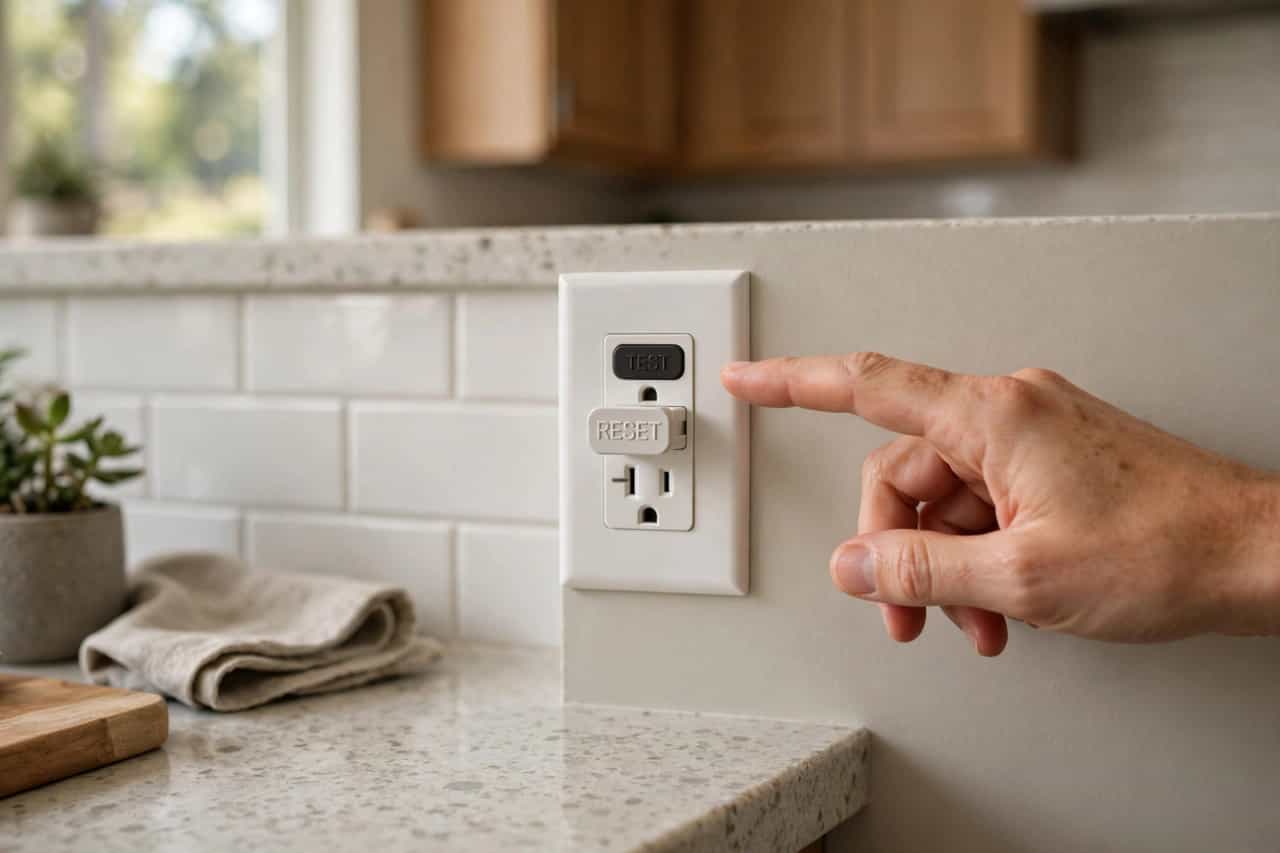
Test GFCI outlets monthly with the TEST button. If one will not reset, have it checked.
Warning signs
Common reasons people call about outlet & gfci installation. If one matches what you are seeing, a licensed electrician should check it.
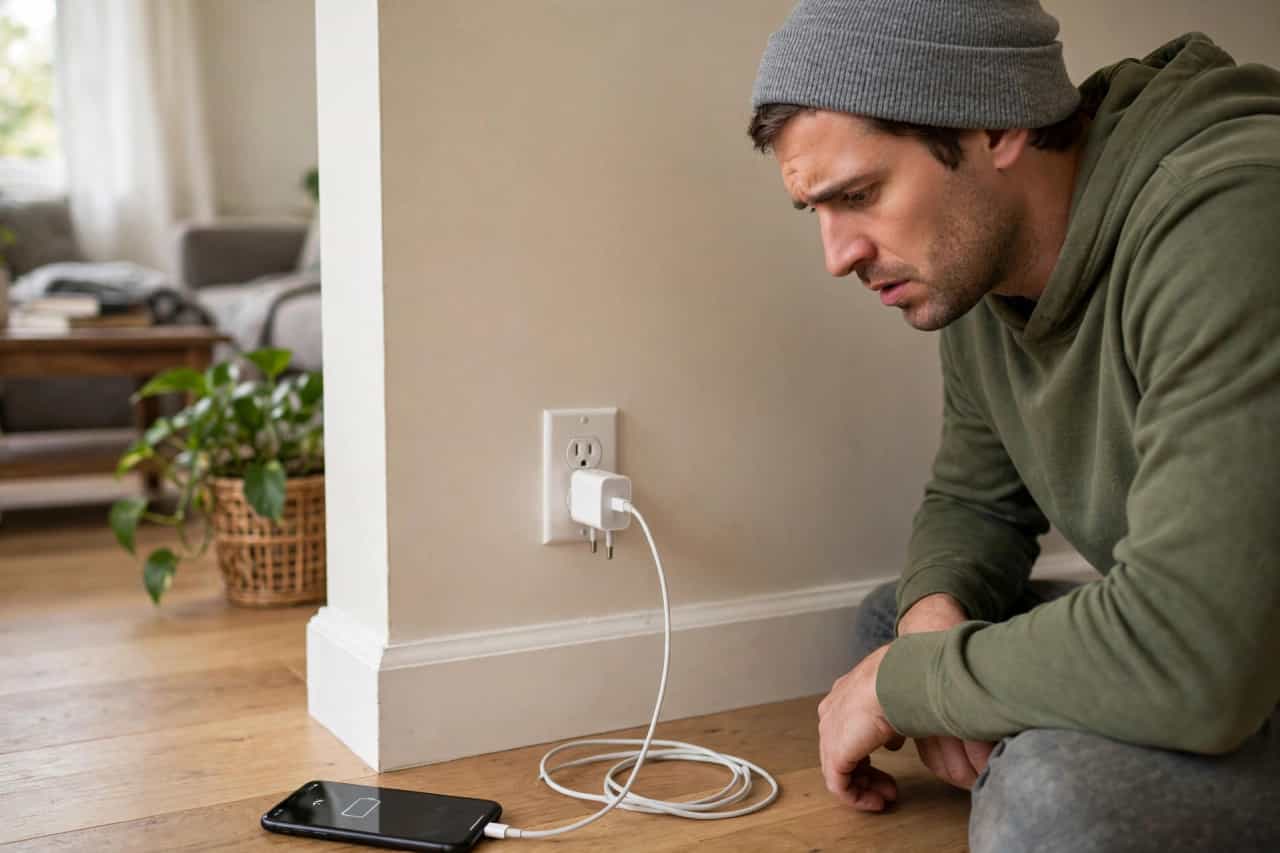
Relying on power strips and extension cords
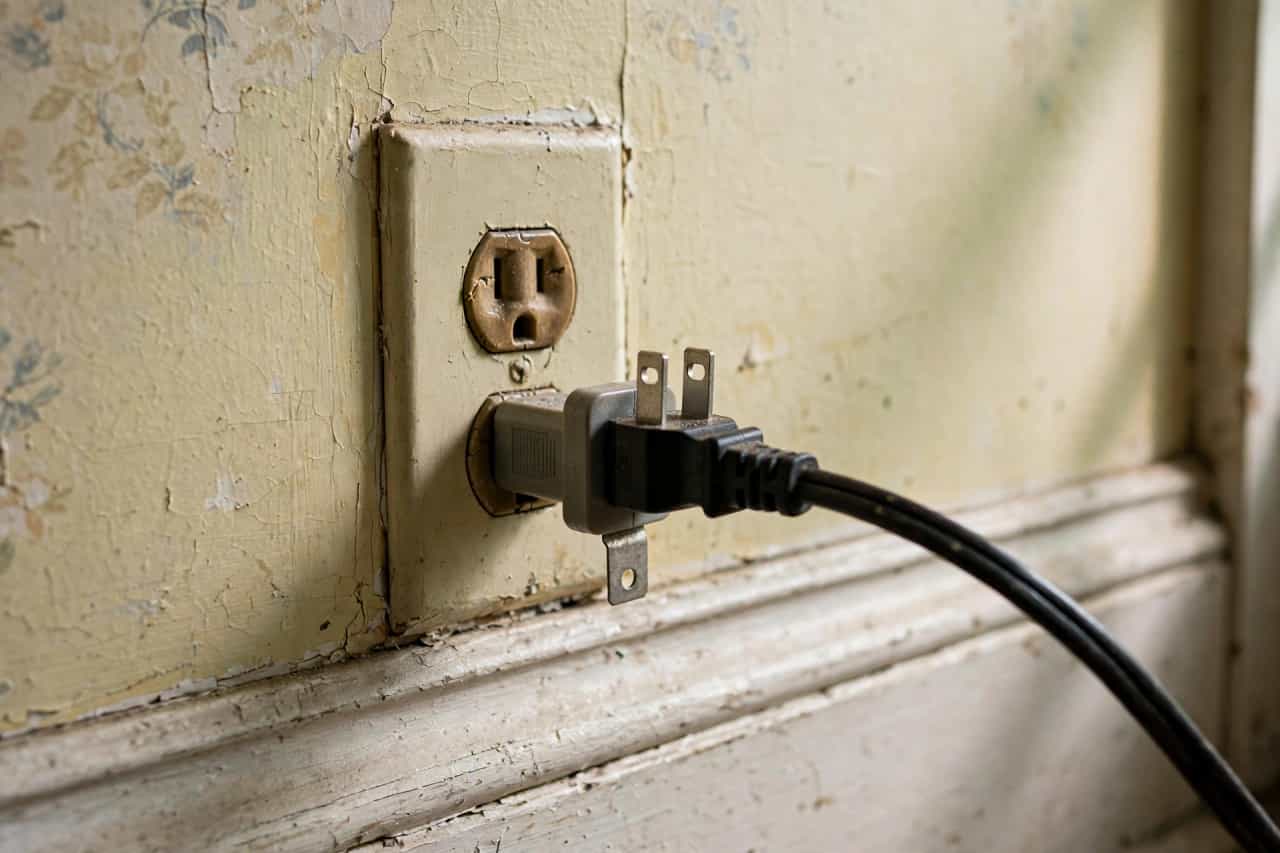
Two-prong outlets
No GFCI near water
Need 240V for a dryer, range or tool
How it works
The usual sequence for outlet & gfci installation, from the first visit to sign-off.
Circuit capacity check
Location planning
Installation with correct protection
Testing of GFCI/AFCI function
Types of work
Shock protection near water and outdoors.
Receptacles with built-in USB-A/USB-C charging.
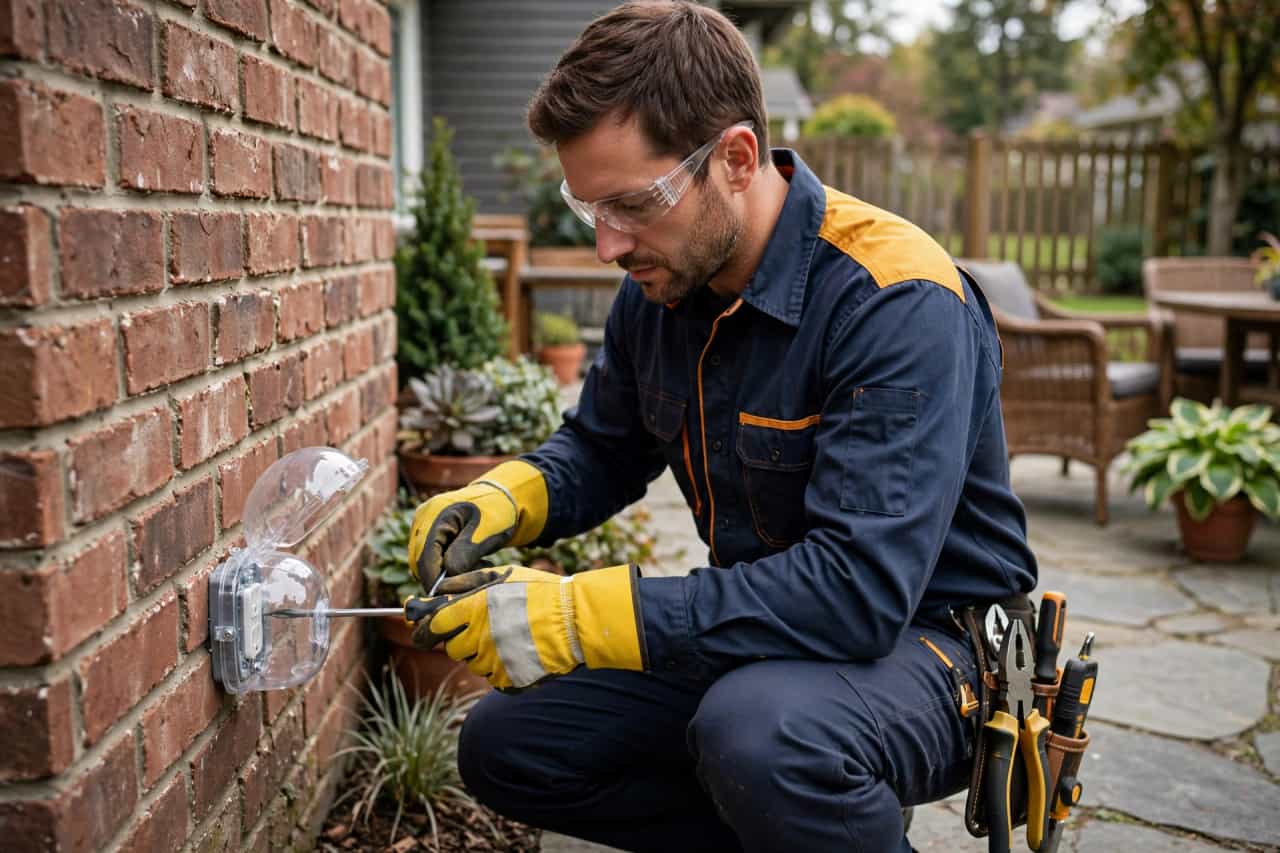
Weather-resistant outlets with in-use covers.
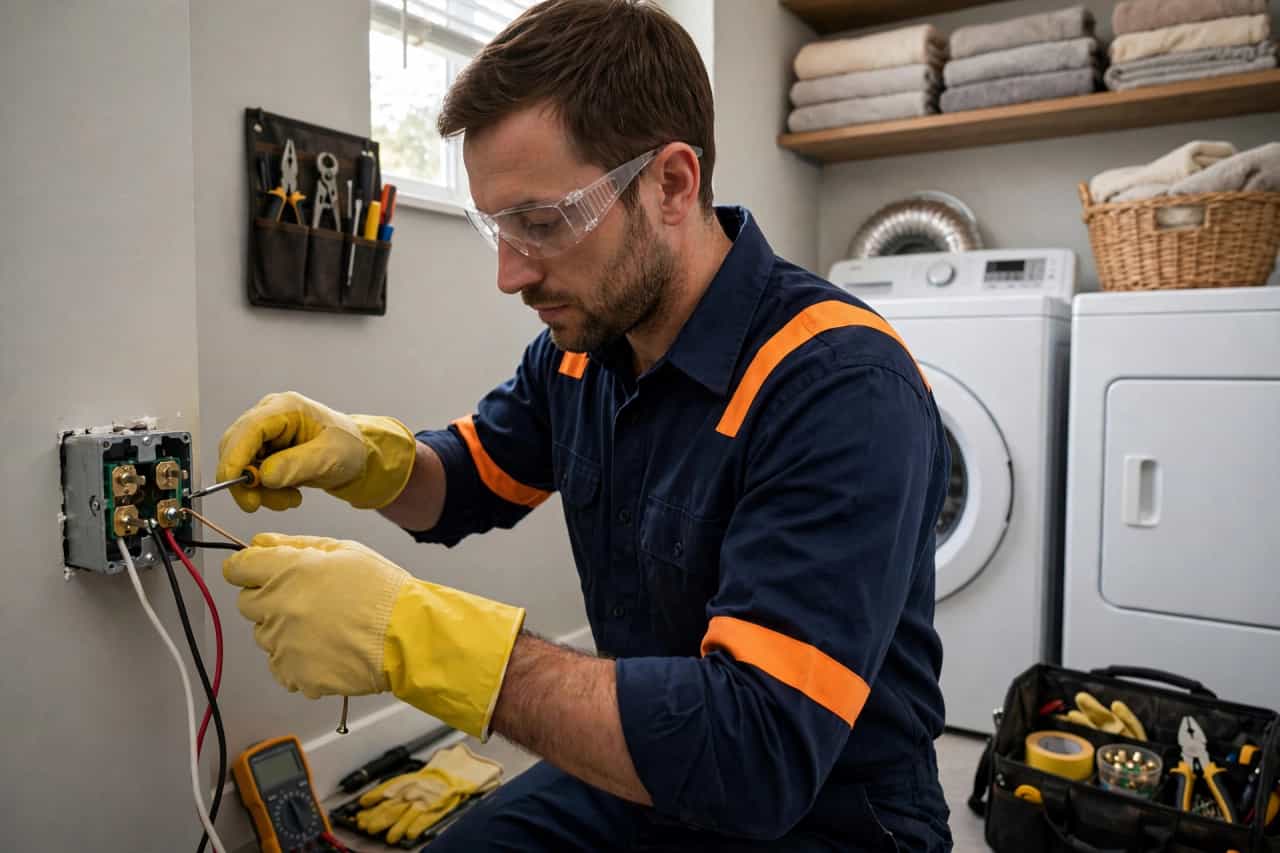
Receptacles for dryers, ranges, welders and EV chargers.
Pricing
The electrician sets the price after seeing the job. For outlet & gfci installation, these factors change it most.
Get a real number
A short visit lets the electrician see your panel, wiring and access, so the quote reflects your actual job.
Call to discuss your jobNumber and location of outlets
New circuit vs. extending one
Wall type and fishing difficulty
GFCI/AFCI protection required
240V receptacle and wire size
DIY vs. pro
Safe for homeowners
Stop and call a pro
Safety: Test GFCI outlets monthly with the TEST button. If one will not reset, have it checked.
Explained
GFCI protection, which trips on current leaking to ground, is required in dwelling locations listed in NEC 210.8, including bathrooms, kitchens, garages, outdoors, unfinished basements, crawlspaces and laundry areas. Recent code editions have expanded the list.
AFCI protection, which detects arcing in damaged wiring, is required for most living-area circuits under NEC 210.12. When an electrician adds or extends a circuit, these protections usually have to be brought up to the current code for that circuit.
Tamper-resistant receptacles have internal shutters that open only when both prongs of a plug press in at the same time, so a child cannot push a key or hairpin into one slot. They are required in most new and replacement dwelling receptacles under NEC 406.12.
They look almost the same as standard outlets and are marked TR on the face.
A general-use outlet in a living room can often extend an existing circuit if that circuit is not already heavily loaded. Kitchen countertops, bathrooms, laundry and any outlet for a large fixed appliance have their own circuit requirements.
For a space heater, window air conditioner, freezer or home office with heavy equipment, a dedicated circuit avoids nuisance trips. The electrician checks which circuit is closest and what it already serves.
Questions
Only if a ground is present, or if it is protected by a GFCI and labeled "No Equipment Ground". A ground cannot be created by the outlet alone.
Current codes require GFCI protection for garage receptacles in most cases. Older homes may not have it yet.
They free up plug spaces and reduce adapters. Choose models with USB-C power delivery for faster charging.
Adding an outlet near an existing circuit in an accessible wall is usually a short job. Running a new circuit from the panel, outdoor outlets, or walls without attic or basement access take longer.
Many jurisdictions require a permit for new outlets and circuits, while replacing an existing outlet like-for-like usually does not. The electrician follows local rules.
Common causes are moisture in outdoor or bathroom outlets, an appliance with a ground fault, or a worn GFCI. If it trips with nothing plugged in, have the circuit checked.
Modern dryers typically use a four-wire NEMA 14-30 and ranges a NEMA 14-50. Older homes may have three-wire outlets, and the appliance cord must match the receptacle installed.
Yes. Countertop outlets need GFCI protection and must be on the kitchen’s small-appliance circuits, with spacing set by code so no point along the counter is far from an outlet.
Note where you need power, what will plug in, and whether those devices draw a lot of current, such as heaters, microwaves or freezers. That tells the electrician whether a new circuit is needed.
Yes, with floor boxes listed for that use. They are common in living rooms with furniture away from walls and need careful planning before floors are finished.
Same-day help often available
Call about outlet & gfci installation
Call (855) 679-2483By calling, you agree to be connected with an independent electrician, who may call or text you back about your request at the number you call from. Calls may be recorded for quality and routing. Consent is not a condition of any purchase, and you can opt out at any time; message and data rates may apply. Privacy policy.
Smoke, flames or sparking? Leave the building and call 911 first.
Pronto Electrician is a free referral service. The electricians you are connected with are independent contractors, not employees or agents of Pronto Electrician. Pronto Electrician does not perform electrical work, and the electrician you choose sets the price, schedule, permits and warranty.
Same-day help often available
Prefer to talk it through?
Your call is answered by an independent licensed electrician who serves your area.
(855) 679-2483By calling, you agree to be connected with an independent electrician, who may call or text you back about your request at the number you call from. Calls may be recorded for quality and routing. Consent is not a condition of any purchase, and you can opt out at any time; message and data rates may apply. Privacy policy.
Service areas
Available across all 50 states and Washington, DC.
Popular in these cities
All states
Related services
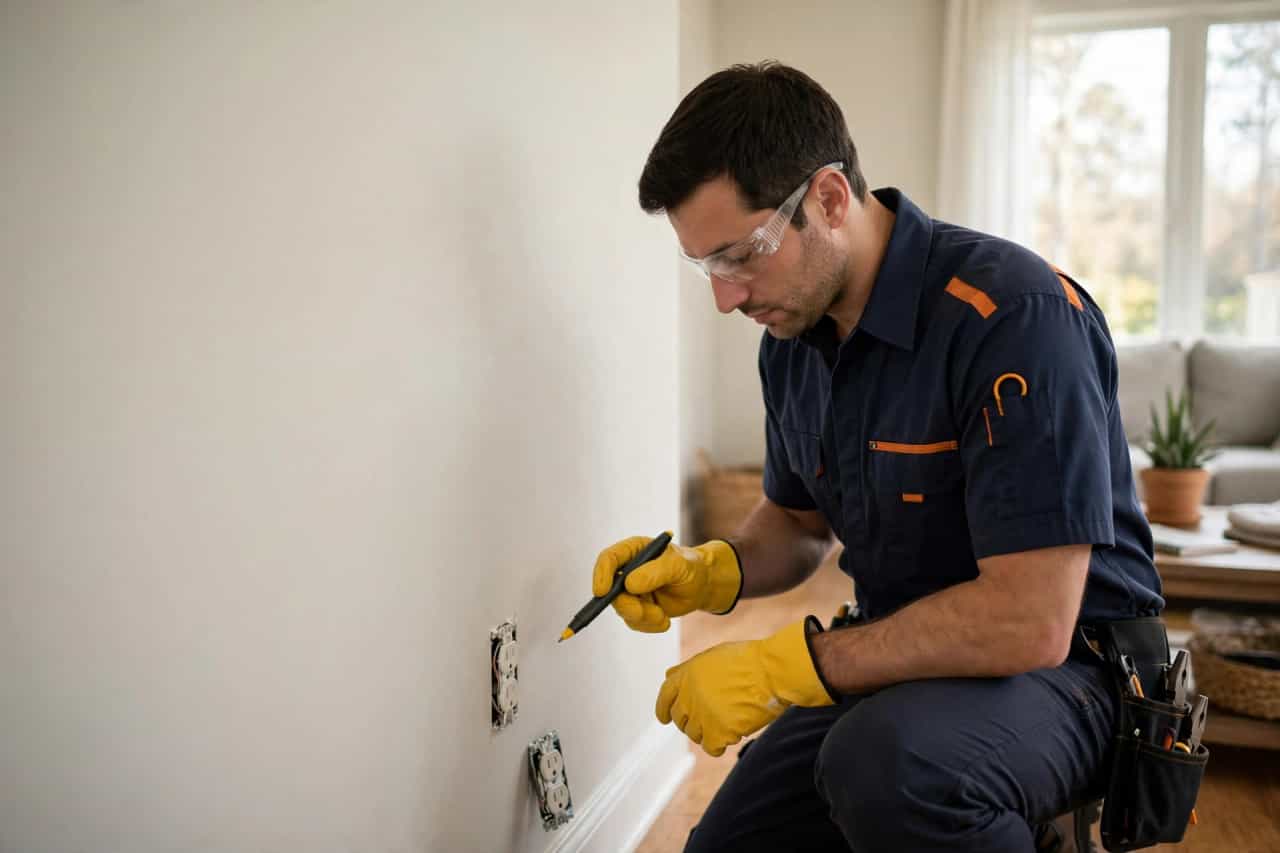
Diagnosis and repair of dead outlets, flickering lights, tripping breakers and faulty wiring.
Explore
Whole-home and partial rewiring for older homes, renovations and unsafe wiring.
Explore
Level 2 home EV charger installation with load calculation and permits.
ExploreSymptoms this service fixes
Free to call · All 50 states + DC
Describe the problem and get connected with an independent licensed electrician who serves your area.
By calling, you agree to be connected with an independent electrician, who may call or text you back about your request at the number you call from. Calls may be recorded for quality and routing. Consent is not a condition of any purchase, and you can opt out at any time; message and data rates may apply. Privacy policy.
Free referral to independent electricians. By calling you consent to a callback or text and call recording. Details