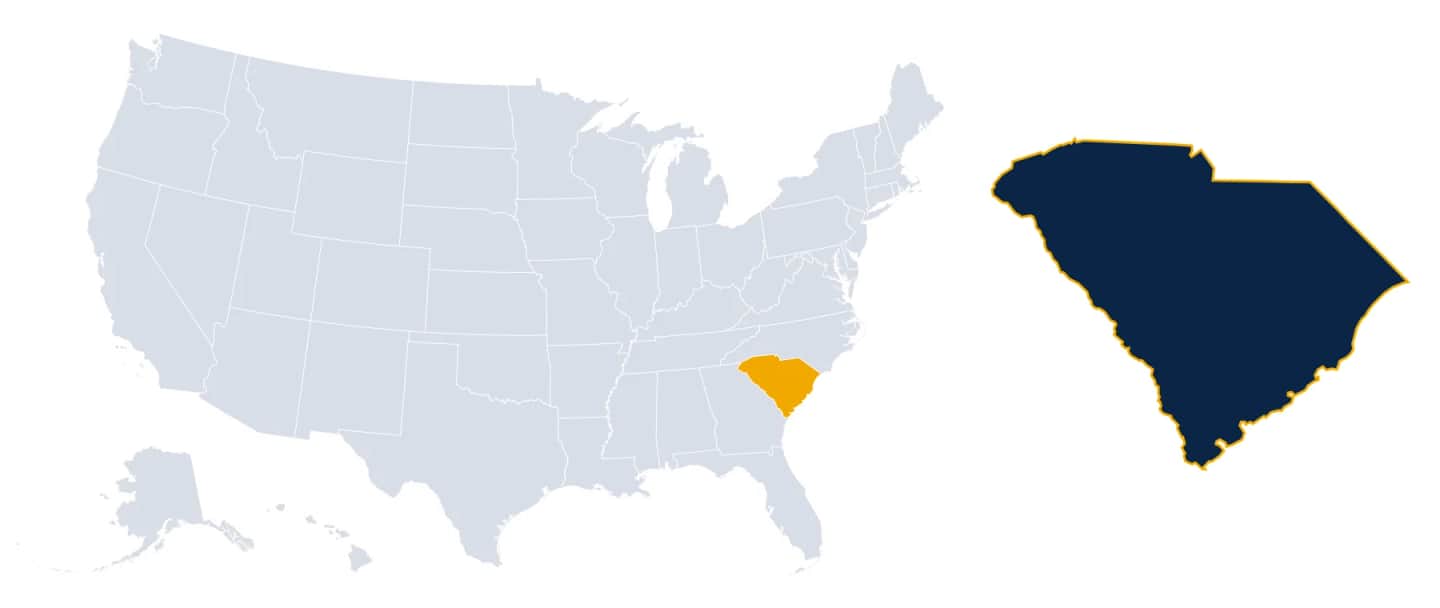
South Carolina’s coast has been shaped by hurricanes — Hugo in 1989 remains the storm that defines Charleston’s memory — and its inland cities have faced historic flooding, as Columbia did in October 2015. Hot, humid summers, frequent lightning and fast population growth along the coast and in the Upstate round out the state’s electrical picture.
What South Carolina weather does to electrical systems
The hazards that drive the most electrical calls here, and how homeowners prepare for them.
Hurricanes and tropical storms
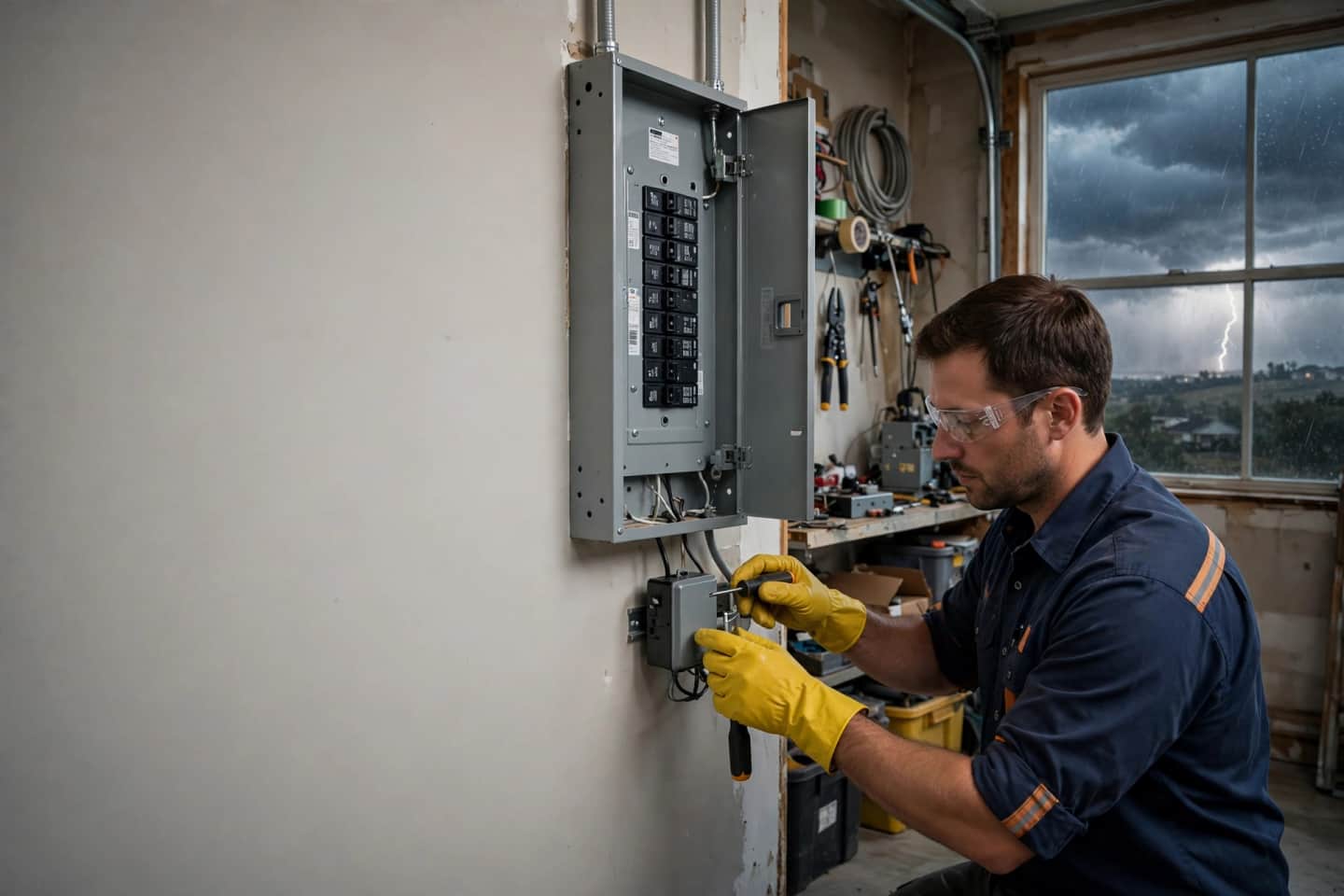
Long outages make backup power a priority. Standby generators with automatic transfer switches, or portable generators connected through a listed interlock, keep refrigeration, sump pumps and medical equipment running. Any equipment that was submerged must be inspected before re-energizing.
Nearby strikes send surges through power and communication lines. A whole-home surge protective device at the panel, a sound grounding system and point-of-use protection for electronics reduce damage to appliances and HVAC controls.
Salt air corrodes exterior meter bases, disconnects, outdoor receptacles and AC disconnects faster than inland. Corrosion-resistant enclosures and periodic inspection of exterior connections extend their life.
Independent licensed electricians serve communities across South Carolina.
Also serving
Charleston
Columbia
North Charleston
Greenville
Myrtle Beach
State guide
Electrical work in South Carolina
South Carolina’s utilities
Dominion Energy South Carolina serves Columbia, Charleston and much of the central and southern state. Duke Energy serves much of the Upstate, including Greenville and Spartanburg, and parts of the Pee Dee region. Santee Cooper, the state-owned utility, serves areas of Horry and Berkeley counties directly and supplies the state’s electric cooperatives, which serve much of rural South Carolina. Several cities run their own utilities.
South Carolina homes cannot choose a retail supplier. Your utility sets the rules for service upgrades, generator connections and solar interconnection.
Licensing and permits
South Carolina licenses contractors through the Department of Labor, Licensing and Regulation, with separate categories for residential and commercial electrical work. You can verify licenses on the LLR website.
South Carolina adopts statewide building codes, including the National Electrical Code, and cities and counties issue permits and inspect work. Panel upgrades, new circuits, generators, EV chargers and solar require permits.
Hurricanes on the coast
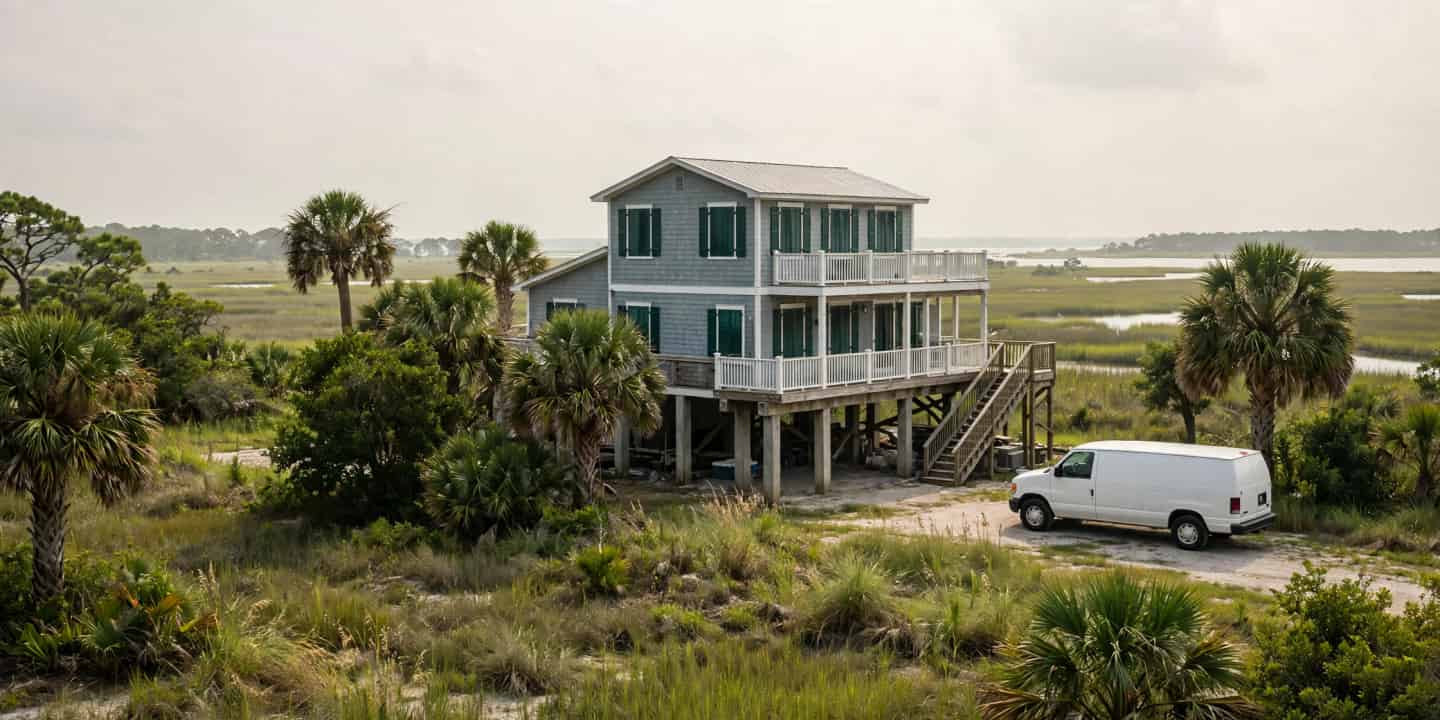
Hurricane Hugo struck Charleston in September 1989, destroying homes, flattening forests and leaving much of the state without power. More recent storms, including Matthew in 2016 and Florence in 2018, brought storm surge and severe flooding, especially in the Pee Dee and along rivers.
Generators with transfer switches or listed interlocks, surge protection, corrosion-resistant exterior equipment and raised equipment in flood zones are common coastal upgrades. Portable generators must run outdoors, away from windows and doors.
The 2015 flood
In early October 2015, a stalled storm dropped extraordinary rainfall on the Midlands and Lowcountry, flooding Columbia neighborhoods and breaking dams. Many homes far from the coast had electrical equipment submerged. Equipment that has been underwater generally must be replaced, and power should stay off until an electrician has inspected it.
Charleston’s historic homes and tidal flooding
Charleston’s historic peninsula is filled with single houses, Charleston’s distinctive narrow homes with side piazzas, along with Victorian and antebellum buildings. Rewiring these homes requires working around plaster, heart pine and historic trim, and exterior changes may need approval from the city’s Board of Architectural Review.
Many peninsula streets flood during king tides and heavy rain, so raising panels, outlets and mechanical equipment during renovation protects them from saltwater.
Earthquakes
The 1886 Charleston earthquake was one of the most damaging in the eastern United States, and small earthquakes still occur in the Lowcountry. After any significant quake, check for meter bases pulled from walls, damaged masts or burning smells, and stay clear of damaged equipment.
Lightning, heat and humidity
South Carolina summers bring frequent thunderstorms and lightning. Surges damage heat pump control boards, pool equipment and electronics, so a whole-home surge protective device at the panel is a practical addition. Humidity causes corrosion and nuisance GFCI trips in crawl spaces, garages and outdoor outlets, and attics get extremely hot, which ages old wiring.
Myrtle Beach and coastal rentals
The Grand Strand around Myrtle Beach has a huge number of vacation rentals and condos. Salt air corrodes outdoor equipment, heavy guest use wears out devices, and pools, hot tubs and outdoor showers need GFCI protection and wet-location wiring. Owners often schedule electrical checks between seasons.
Upstate growth and ice storms
Greenville, Spartanburg and the I-85 corridor are among the fastest-growing areas in the Southeast, with new subdivisions alongside older mill villages. Mill village homes from the early 1900s often have original or partially updated wiring. The Upstate also sees occasional ice storms that bring down trees on lines, making backup power valuable.
Heat pumps and backup heat
Heat pumps are the most common heating system in much of South Carolina. During cold snaps, backup electric heat strips draw large currents, stressing breakers and connections. Checking those circuits helps prevent overheating during the few very cold days each winter.
Manufactured homes and rural service
Manufactured homes are common in rural South Carolina. They are fed from outdoor meter pedestals through feeders that can be damaged by storms, settling or equipment, and should be inspected after severe weather. Rural homes often rely on wells, which need backup power during outages.
Lake homes and docks
Lake Murray, Lake Marion, Lake Keowee, Lake Hartwell and Lake Wylie are lined with homes that have docks and boat lifts. Faulty dock wiring can energize the water and create a risk of electric shock drowning. Docks need ground-fault protection, correct bonding and wet-location wiring, and older docks should be inspected before summer.
Regional differences
The Lowcountry focuses on hurricanes, tidal flooding and historic homes. The Grand Strand deals with rentals and salt air. The Midlands around Columbia faces heat, flooding and growth. The Pee Dee is rural, with river flooding. The Upstate is growing fast, with mill villages, lakes and ice storms.
Common electrical calls in South Carolina
Frequent requests include generator and interlock installations, surge protection, hurricane and flood repairs, panel upgrades for EV chargers and additions, rewiring older homes, dock wiring, corrosion repairs to outdoor equipment and heat pump circuit work.
Hilton Head, Beaufort and the Sea Islands
Hilton Head Island, Beaufort and the surrounding Sea Islands combine resort homes, gated communities and historic properties. Salt marsh and ocean exposure accelerate corrosion of exterior equipment, and many communities have architectural review boards that govern the placement of generators, meters and solar panels. Owners of seasonal homes often schedule inspections before the summer season.
Pools and outdoor living
Backyard pools, outdoor kitchens, screened porches and landscape lighting are common across the state. Pool pumps, heaters and lights require correct bonding and GFCI protection, and outdoor circuits need weather-resistant devices and in-use covers. Older pool installations may not meet current requirements.
Solar and EVs
South Carolina’s 2019 Energy Freedom Act changed how utilities credit rooftop solar, and utilities have since adopted solar choice tariffs with time-of-use rates for new solar customers. That makes batteries more attractive for using stored solar at night and during outages. EV ownership is growing around Charleston, Greenville and Columbia, and older homes may need a load calculation before adding a charger.
Crawl spaces and older homes
Many South Carolina homes sit over crawl spaces where humidity, standing water and pests damage wiring that no one sees. Older homes in Columbia, Charleston and the Upstate may have ungrounded wiring, fuse panels or aluminum branch circuits. A crawl-space and attic inspection by an electrician often uncovers open splices and damaged cable.
Generators and community rules
Standby generators are popular in coastal and Upstate neighborhoods alike. Many HOAs and coastal communities set rules on generator placement and screening, and generators must have clearance from windows, doors and property lines. Installation requires electrical permits and, for gas connections, fuel permits.
Storm-season timing
Hurricane season runs from June through November, and demand for generator installation spikes as soon as a storm threatens the coast. Planning backup power in late winter or spring leaves time for permits, inspections and, for standby units, utility and gas coordination. It also gives time to test the system before the first storm arrives.
Mill villages in the Upstate
Mill villages in Greenville, Spartanburg, Anderson and smaller Upstate towns were built for textile workers in the early 1900s. Many of these small homes are now being renovated, and they frequently need new services, grounded wiring and modern kitchens and baths with proper circuits.
Working with an electrician in South Carolina
Verify the contractor’s LLR license, ask who will pull the permit from your city or county, and get a written scope. For service upgrades and storm repairs, ask how the electrician will coordinate with Dominion Energy, Duke Energy, Santee Cooper or your cooperative. In historic districts and flood zones, ask how the plan meets local requirements.
Electrical licensing and permits in South Carolina are set by state and local authorities. The electrician confirms what applies to your project.
Services
Most requested in South Carolina
Ranked by how many of this state’s climate risks each service addresses.
Connect with an independent licensed electrician near you
Smoke, flames or sparking? Leave the building and call 911 first.
Pronto Electrician is a free referral service. Calls are answered by independent licensed electricians in your area. Pronto Electrician does not perform electrical work, and the electrician you choose sets the price, schedule, permits and warranty.
Free to call · All 50 states + DC
Talk to a licensed electrician in South Carolina
Describe the problem and get connected with an independent licensed electrician who serves your area.