Oregon’s electrical risks have changed quickly. The Labor Day 2020 wildfires destroyed thousands of homes, utilities now cut power during dangerous fire weather, ice storms have shut down Portland twice in recent years, and the 2021 heat dome set all-time records. At the same time, Oregon is moving quickly toward heat pumps, EVs and clean electricity.
The hazards that drive the most electrical calls here, and how homeowners prepare for them.
Wildfire and public safety power shutoffs
Utilities may shut off power during high fire-risk weather. Battery backup or generator systems with proper transfer equipment keep essential circuits running. Exterior electrical equipment and connections should be kept clear of vegetation.
Heavy snow and wind cause outages when heating demand is highest. Generators, dedicated circuits for space heaters, and heat-tape circuits with GFCI protection are common winter projects. Avoid running heaters through extension cords or power strips.
Ground movement can loosen connections and damage service entrances. Securing water heaters and appliances, checking panel connections after significant quakes, and having backup power plans are practical steps.
Portland General Electric serves Portland and much of the Willamette Valley, and Pacific Power serves other parts of Portland, Southern Oregon, Central Oregon and the coast. The Eugene Water & Electric Board and other public utilities, people’s utility districts and cooperatives serve the rest.
Oregon homes generally cannot choose a retail supplier. Your utility sets the rules for service upgrades, solar and battery interconnection and generator connections.
Licensing and permits
Oregon licenses electricians through the Building Codes Division, with journeyman, supervising and limited residential licenses, and electrical contractors must hold both a Construction Contractors Board license and an electrical contractor license. Licenses can be verified online.
Electrical permits are issued by local building departments or, where a local program does not exist, by the state. Panel upgrades, new circuits, heat pumps, EV chargers, generators, solar and batteries require permits.
Wildfires and power shutoffs
The Labor Day 2020 wildfires burned through the Santiam Canyon, the McKenzie River valley and the towns of Talent and Phoenix in Southern Oregon, destroying thousands of homes. Since then, Oregon’s utilities have used public safety power shutoffs during extreme wind and fire conditions.
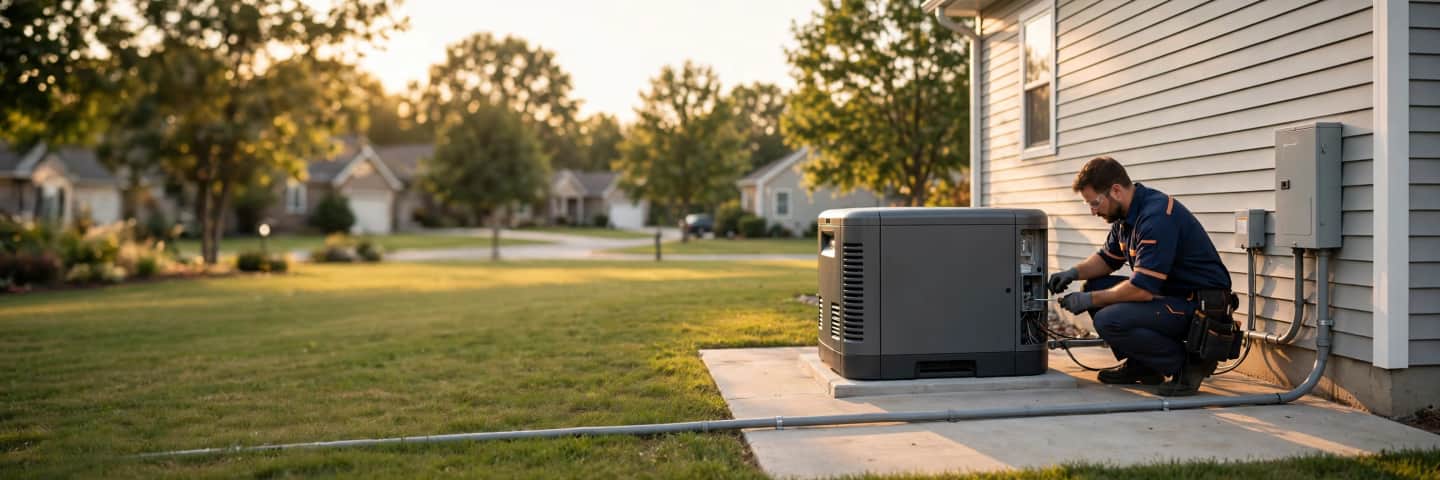
Backup power — generators connected through listed interlocks or transfer switches, or batteries paired with solar — keeps essentials running during shutoffs. Keeping vegetation away from service drops and outdoor equipment reduces ignition risk.
Ice storms
In February 2021, an ice storm brought down trees and lines across the Portland area and Willamette Valley, leaving hundreds of thousands without power, some for more than a week. Another major ice storm struck in January 2024. Ice-laden trees falling on service drops damage masts and meter bases, which must be repaired before reconnection.
The 2021 heat dome
In late June 2021, Portland reached 116°F, an all-time record, and many homes had no air conditioning. Ductless heat pumps that provide both cooling and heating have since become one of the most requested upgrades. Adding them often requires new circuits and a check of panel capacity.
Cascadia and earthquakes
Western Oregon faces the long-term risk of a major Cascadia Subduction Zone earthquake. Securing water heaters and appliances, knowing how to shut off the main breaker, and having backup power are practical preparations. After any significant quake, check for damaged service equipment.
Portland and Willamette Valley housing
Portland’s Laurelhurst, Irvington, Sellwood and Alberta neighborhoods are full of early-1900s Craftsman and Old Portland foursquares, and Salem, Eugene and Albany have similar older homes. Knob-and-tube wiring is common and is often discovered during weatherization projects, when insulation cannot be added until the wiring is addressed.
Electrification, heat pumps and EVs
Oregon has strong incentives for heat pumps and EV chargers, and adoption is high in Portland and Eugene. Adding a heat pump, heat pump water heater and EV charger often exceeds older 100-amp services, so load calculations and load-management devices are common parts of these projects.
The coast
Oregon’s coast faces winter windstorms, heavy rain and salt air. Meter bases, disconnects and outdoor outlets corrode quickly, and long outages after storms make backup power valuable. Vacation rentals see heavy use and benefit from regular inspection.
Central and Eastern Oregon
Bend and Central Oregon have grown rapidly, with many new homes, cold winters and wildfire risk. Eastern Oregon is rural and dry, with farms, wells and long service runs. Backup power for wells and heating is valuable, and wildfire-season shutoffs are a concern.
Southern Oregon
Medford, Ashland and Grants Pass face hot summers, wildfire smoke and the aftermath of the 2020 fires. Rebuilt homes in Talent and Phoenix often include modern services, heat pumps and solar.
Batteries and solar
Home batteries paired with solar have grown in Oregon as a quiet alternative to generators during outages and shutoffs. Battery systems require permits, utility interconnection approval and often a critical-loads panel.
Regional differences
Portland focuses on older homes, ice storms, heat pumps and EVs. The Willamette Valley combines farms, wildfire risk and growing cities. The coast faces wind, rain and salt air. Central Oregon has fast growth and cold winters. Southern Oregon faces heat and fire. Eastern Oregon is rural and dry.
Common electrical calls in Oregon
Frequent requests include ductless heat pump circuits, panel upgrades, EV charger installations, knob-and-tube replacement, generator and battery backup, storm repairs and wildfire rebuild wiring.
Middle housing and ADUs
In 2019, Oregon became the first state to require many cities to allow duplexes and other middle housing in areas zoned for single-family homes, and accessory dwelling units are allowed widely. Adding units to a lot means new subpanels or services, separate meters in some cases, and careful load planning for heat pumps and EV chargers in every unit.
EV charging without a driveway
In Portland’s older neighborhoods, many homes have no driveway, and residents park on the street. Home EV charging then depends on a garage, a rear parking pad or approved curbside options, since running cords across sidewalks is not allowed. Homes with detached garages need a new feeder from the house panel.
Problem panels and aluminum wiring
Oregon home inspections often flag older panels with known reliability concerns, fuse panels and aluminum branch wiring in some homes from the late 1960s and early 1970s. Repairs range from pigtailing aluminum circuits with listed connectors to replacing panels, and should be permitted and inspected.
Wells, irrigation and rural properties
Rural Oregon properties rely on wells, irrigation pumps and outbuildings. Pumps have high starting loads, and they stop during outages and shutoffs. Backup power for the well and properly sized feeders for barns and shops are common needs.
Smoke season and indoor air
Wildfire smoke now fills Oregon skies for days or weeks in many summers, keeping windows closed. Heat pumps with good filtration and portable air cleaners help, and both need adequate circuits. Homes relying on window units or fans often add dedicated circuits for cooling and air cleaning.
Buying an older Oregon home
Inspections of older Oregon homes often find knob-and-tube wiring, ungrounded outlets, small services and amateur basement wiring. Weatherization programs may require knob-and-tube to be addressed before insulation can be installed. An electrician’s written evaluation helps buyers plan repairs.
Generators, batteries and noise rules
Portland and other Oregon cities have noise rules that affect where generators can sit and how loud they can be, and some HOAs restrict them. Batteries are quieter and need no fuel, but cost more for the same backup time. Many households combine a battery for short outages with a portable generator and interlock for long ones.
Rain, moisture and outdoor circuits
Western Oregon’s long rainy season tests outdoor wiring. Outlets, landscape lighting and hot tub circuits need weather-resistant devices, in-use covers and GFCI protection, and moisture in crawl spaces and basements can corrode connections and cause nuisance trips.
Wildfire rebuild planning
Homes rebuilt after the 2020 fires have been an opportunity to design for the next emergency: larger services for heat pumps and EV chargers, battery-ready panels, generator inlets and exterior equipment that is easier to keep clear of vegetation. Building departments in affected areas have streamlined permits, but utility coordination for new services still takes time. Starting that conversation early avoids delays at move-in.
Working with an electrician in Oregon
Verify the contractor’s CCB and electrical contractor licenses and the electrician’s license, ask who will issue the permit, and get a written scope. For heat pumps and EV chargers, ask about incentives and load-management options. For service upgrades, ask how the electrician will coordinate with PGE, Pacific Power or your public utility.
Electrical licensing and permits in Oregon are set by state and local authorities. The electrician confirms what applies to your project.
Services
Most requested in Oregon
Ranked by how many of this state’s climate risks each service addresses.
Connect with an independent licensed electrician near you
Smoke, flames or sparking? Leave the building and call 911 first.
Pronto Electrician is a free referral service. Calls are answered by independent licensed electricians in your area. Pronto Electrician does not perform electrical work, and the electrician you choose sets the price, schedule, permits and warranty.
Free to call · All 50 states + DC
Talk to a licensed electrician in Oregon
Describe the problem and get connected with an independent licensed electrician who serves your area.