
01
Ice storm outages
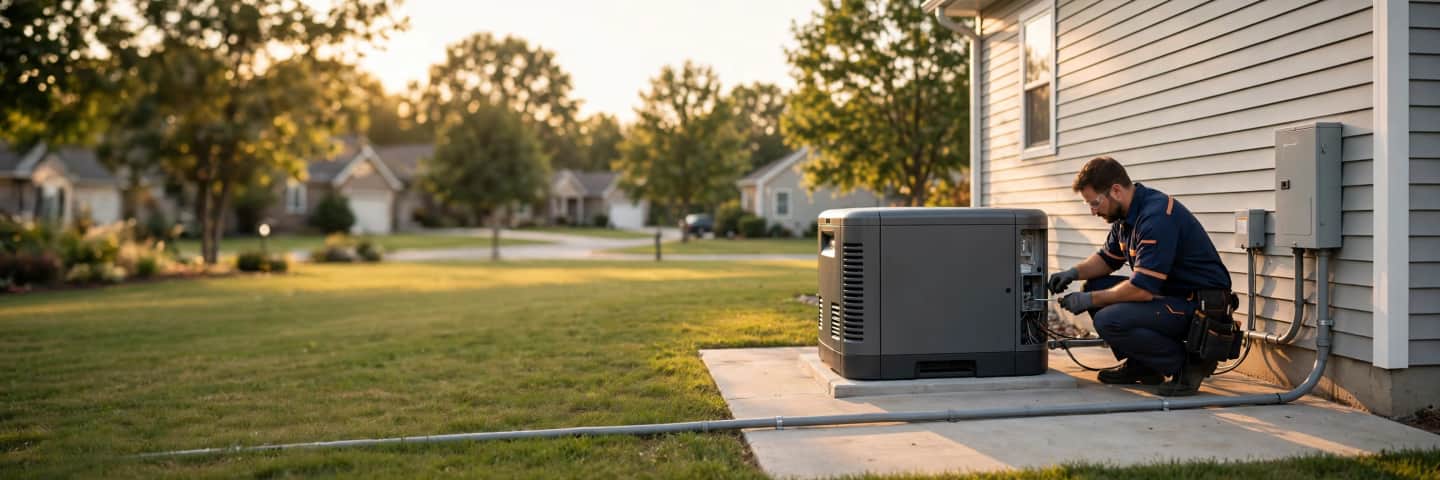
Ice-laden trees fall on lines and service drops. Generators or batteries with transfer equipment, and fast mast repairs, get homes back online.
Generator Installation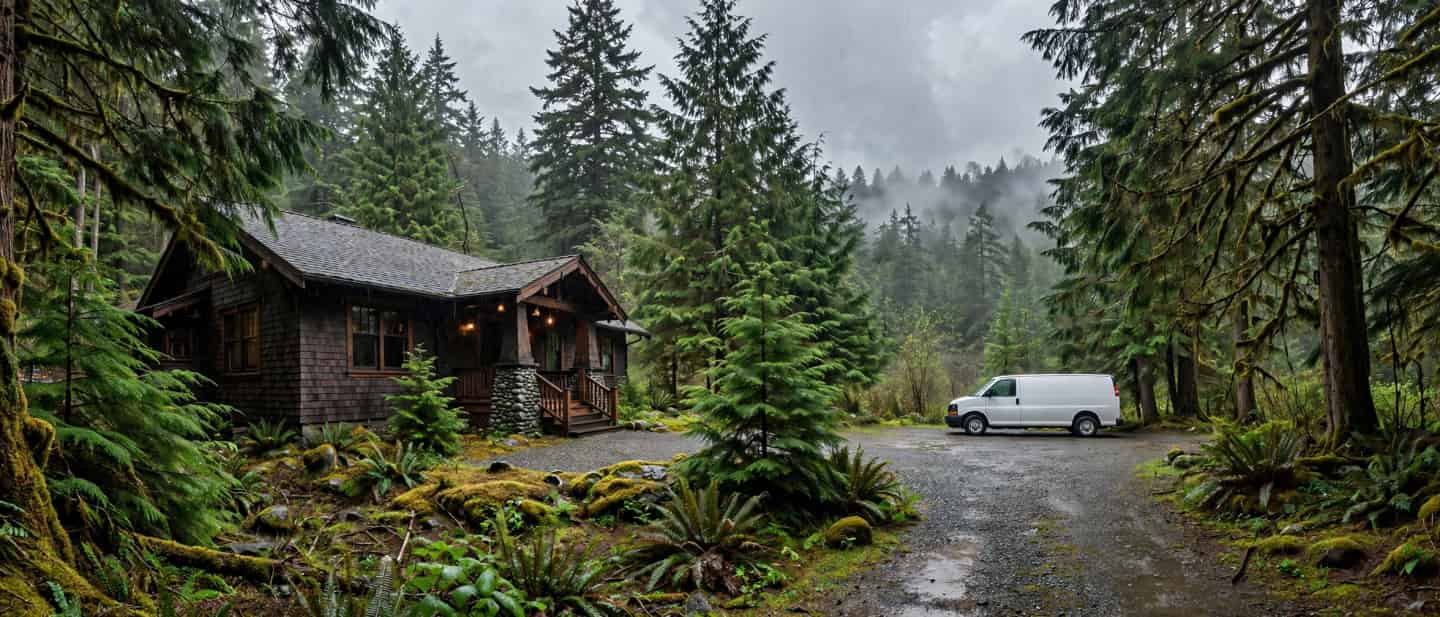
Portland homes are on either PGE or Pacific Power, and the city has been hit hard by ice storms — in February 2021 and again in January 2024 — when ice-laden trees brought down lines across the metro. Combine that with a large stock of century-old homes and a strong push toward heat pumps and EVs, and Portland electrical work centers on backup power, rewiring and service upgrades.
Free to call · Independent licensed electricians
Serving Sellwood, Laurelhurst, Alberta Arts District, Hawthorne, St. Johns, Irvington and every other Portland neighborhood.
Portland at a glance
Electrical services in Portland
The calls Portland homeowners make most, followed by every service independent licensed electricians handle here.
Not sure which service you need? Describe the problem and an electrician will tell you.
Call for Electrical Service in PortlandHousing and wiring
Laurelhurst, Irvington and Sellwood are full of 1900s–20s Craftsman and Old Portland foursquares. Knob-and-tube remains in many attics and walls, and basements have often been finished with circuits added to small services.
Neighborhoods we cover
Local issues
Problems that come up again and again in local homes, and the service that fixes each one.
Ice-laden trees fall on lines and service drops. Generators or batteries with transfer equipment, and fast mast repairs, get homes back online.
Generator InstallationCommon in pre-1940s homes; often discovered during weatherization or insulation projects, where it must be addressed first.
House RewiringElectrification projects frequently require a load calculation and panel upgrade on older services.
Electrical Panel UpgradeLocal guide
History, housing, weather and rules that shape electrical work in Portland, OR.
Most of Portland is served by Portland General Electric, but Pacific Power serves parts of the city, especially in north and northeast Portland. Each utility has different rebate programs, rate options and requirements for service upgrades and solar. Owners should confirm their utility before planning major electrical work.
Laurelhurst and Irvington are known for large early-1900s homes, Sellwood-Moreland and Hawthorne have Craftsman bungalows and Old Portland foursquares, and the Alberta Arts District mixes older homes with new infill. St. Johns has working-class homes from the early 1900s, while outer east Portland neighborhoods are largely mid-century ranch homes.
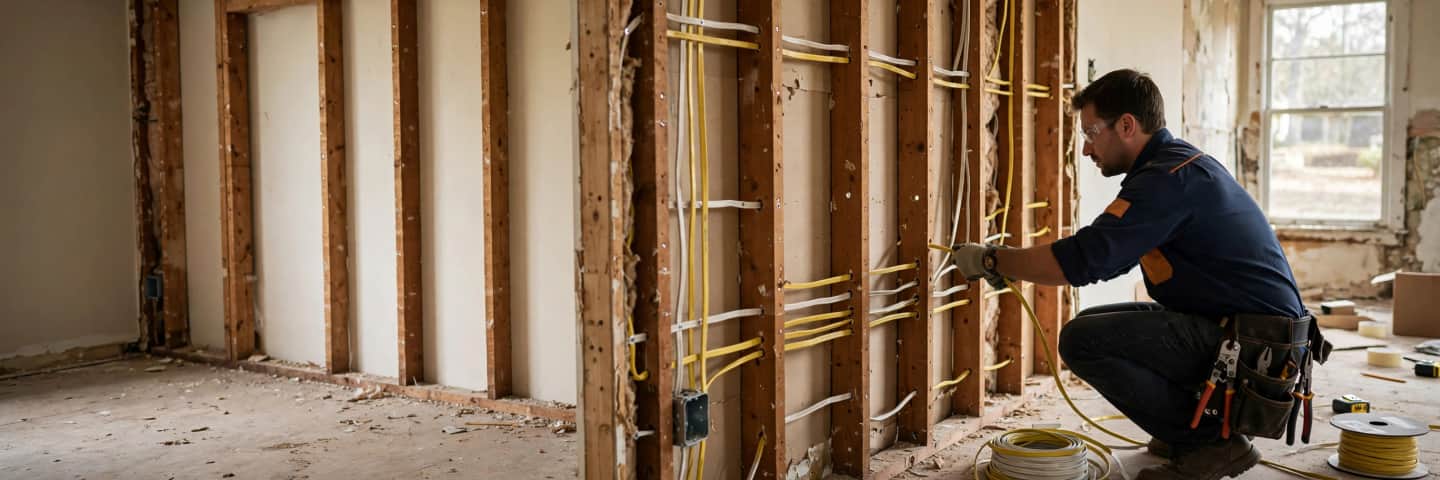
Portland homeowners often discover knob-and-tube wiring when they try to insulate attics and walls through weatherization programs. Because knob-and-tube depends on open air to stay cool, insulation cannot be blown in around active circuits. Replacing the old wiring first makes weatherization safe and lets owners claim incentives.
The February 2021 and January 2024 ice storms coated Portland’s trees in ice and brought down limbs across the city, leaving many homes without power for days. Damaged masts and service drops must be repaired before PGE or Pacific Power will reconnect.
Portland hit 116 degrees in June 2021, an all-time record. Many homes had no air conditioning, and ductless heat pumps have since become the most popular way to add cooling and efficient heating. Portland’s clean energy fund has helped some lower-income households install them.
Portland allows accessory dwelling units and, under state law, duplexes, triplexes and cottage clusters on many residential lots. Adding units requires careful planning for services, meters and panels, coordinated with the utility.
Portland Permitting & Development issues electrical permits inside city limits. Neighboring cities such as Beaverton, Gresham and Lake Oswego, and Washington, Multnomah and Clackamas counties, have their own offices. Electrical work must be done by licensed electricians.
Portland sits within the reach of a future Cascadia Subduction Zone earthquake, and many older homes are being seismically retrofitted. Retrofits can require relocating basement panels and wiring. Strapping water heaters and having backup power are sensible steps.
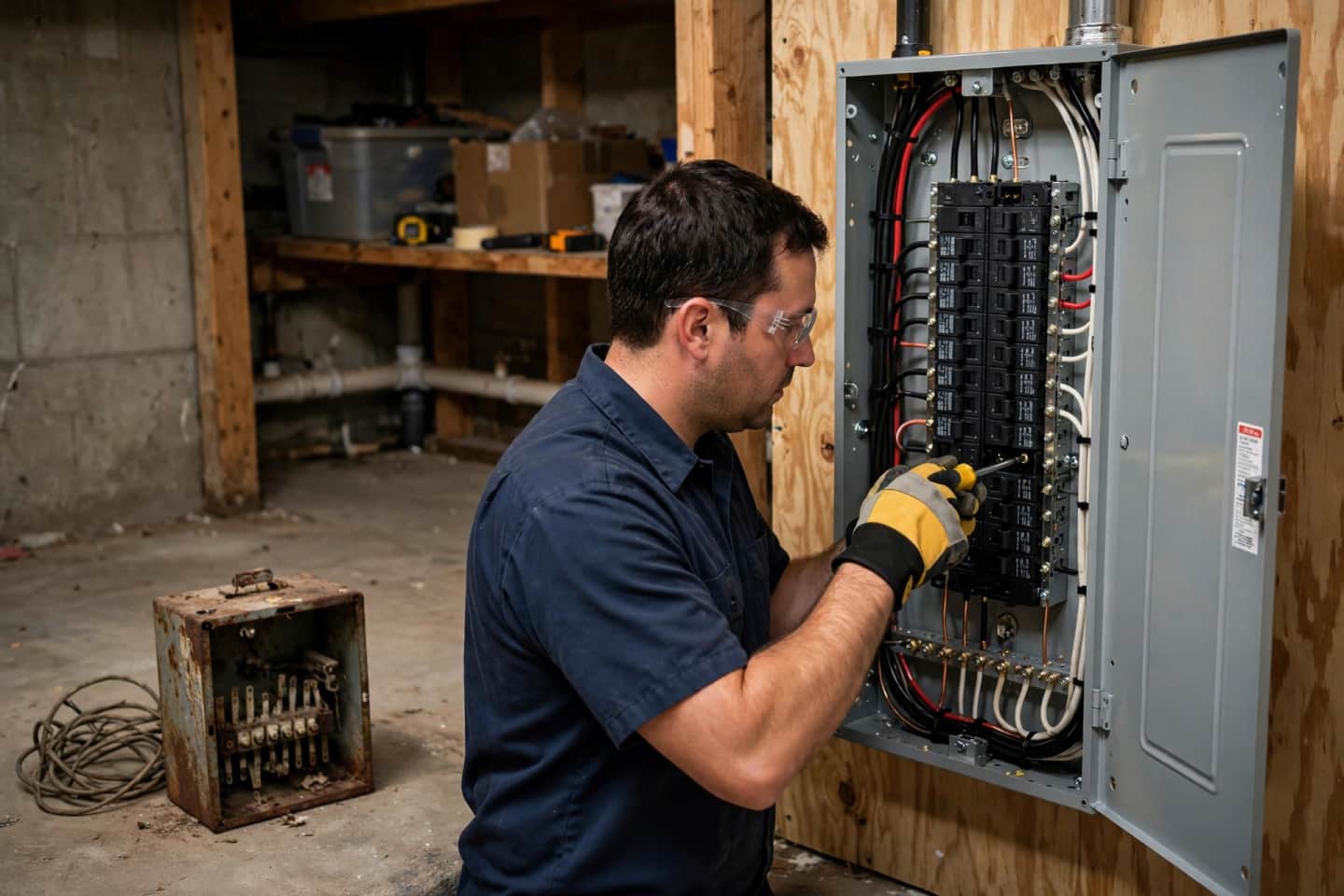
Many Portland homes have basements with panels added decades ago, often alongside original fuse boxes or subpanels. Finished basements frequently include unpermitted wiring that should be evaluated during renovation.
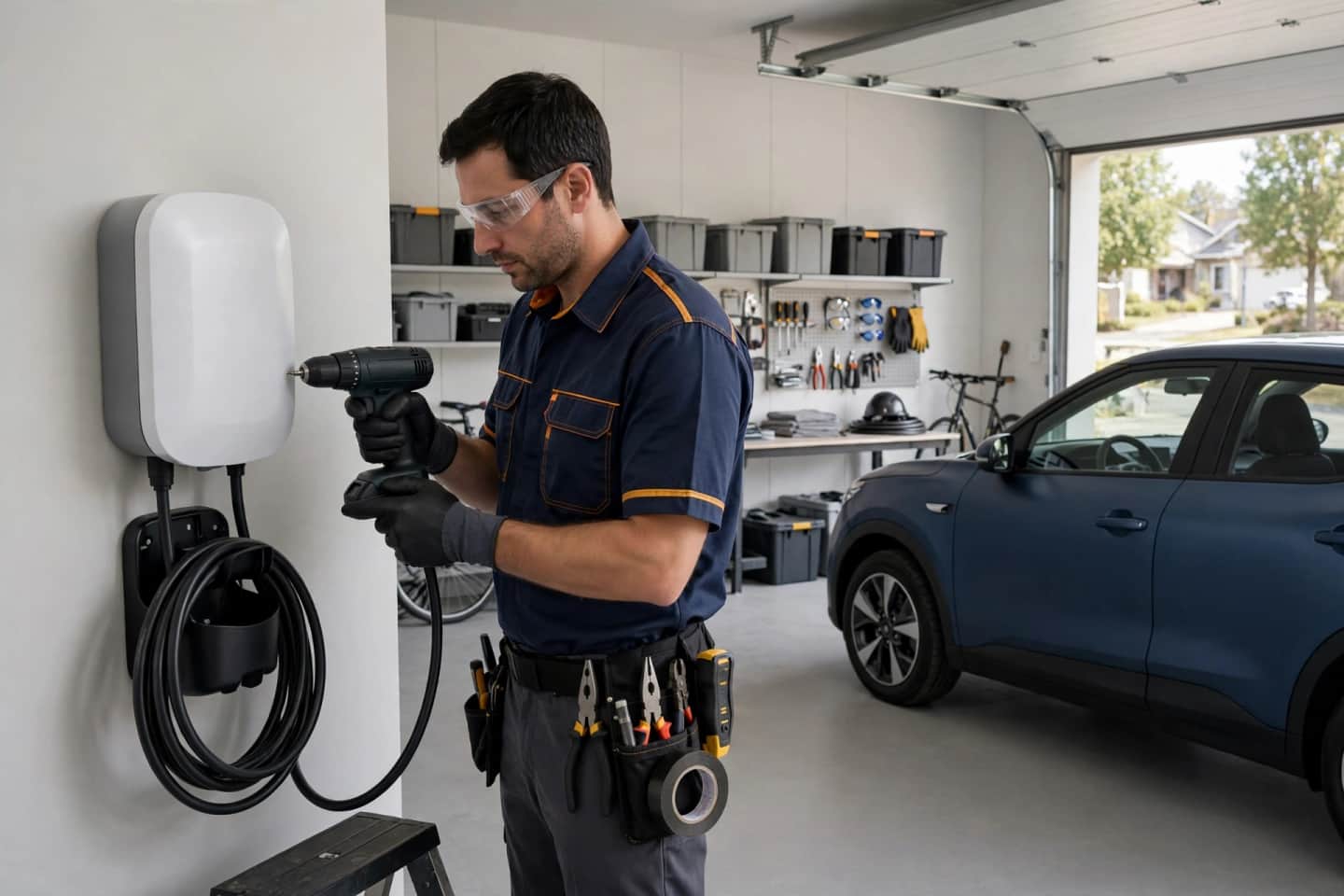
Portland has high EV adoption, and many older homes have detached garages or no off-street parking at all. Adding a charger may require a new feeder to a garage, while street-parking residents rely on public charging.
Common requests include knob-and-tube replacement, ductless heat pump circuits, service upgrades for electrification, ADU wiring, EV chargers, storm repairs and seismic-retrofit electrical work.
Voters created the Portland Clean Energy Community Benefits Fund in 2018, funded by a surcharge on large retailers. It supports projects such as heat pump installations, weatherization and solar for lower-income households and community organizations. Homeowners who qualify can receive help with electrical upgrades tied to these projects.
The Old Portland style, a boxy two-story house from around 1890 to 1915, is common in Northwest, Northeast and Southeast neighborhoods. These homes typically have tall ceilings, plaster walls and basements with panels that were added decades after construction. Rewiring them requires fishing new cable through plaster without damaging trim.
Neighborhoods east of 82nd Avenue were largely built after World War II and annexed later. Many ranch homes there have original panels, electric baseboard heat and limited capacity for modern loads. Ductless heat pumps and panel upgrades are common improvements.
Portland’s long rainy season and mild temperatures keep outdoor equipment damp for months. Moss and moisture affect exterior outlets, light fixtures and hot tub disconnects. Weather-resistant devices, in-use covers and periodic inspection reduce nuisance trips and corrosion.
Many Portland households weigh portable generators against home batteries for outage backup. Generators run longer but are noisy and need fuel; batteries are quiet and often paired with solar. Either needs proper transfer equipment and permits.
Portland has strong renter protections, and landlords must keep electrical systems safe. Common corrections include ground-fault protection, smoke and carbon monoxide alarms and repairs to aging wiring.
Inspections of older Portland homes often flag fuse panels, older panel brands with known concerns, knob-and-tube wiring and amateur basement work. An electrician’s evaluation helps buyers plan.
Homes near the Willamette and Columbia rivers and Johnson Creek can flood during heavy winter rains. Keeping electrical equipment above flood levels and having sump pump backup reduces damage.
Northwest Portland’s Nob Hill neighborhood has Victorian homes and early apartment buildings, while the Pearl District’s former warehouses are now condominiums and lofts. Older homes need careful rewiring, and condo owners need association approval for EV charging and panel changes.
Small jobs can often be scheduled quickly, while service upgrades depend on city permits, inspections and PGE or Pacific Power scheduling. Projects tied to incentive programs may also need pre-approval.
Portland utilities and the Energy Trust of Oregon offer incentives for heat pump water heaters, which use far less electricity than standard electric tanks. They usually need a dedicated circuit and adequate space in a basement or garage.
In older Portland homes with drafty rooms, space heaters often run on old shared circuits. Warm outlets, tripping breakers or melted plugs are signs that a dedicated circuit or permanent heating solution is needed.
St. Johns and the North Portland peninsula have early-1900s homes built for shipyard and mill workers, now popular with buyers seeking older homes at lower prices. Many need panel upgrades, knob-and-tube replacement and new circuits for modern kitchens.
Thunderstorms are uncommon in Portland, but surges from storm-related outages and restoration still damage electronics. Whole-home surge protection is an inexpensive safeguard.
The Hawthorne and Division corridors in Southeast Portland have bungalows and foursquares that are being renovated and densified with ADUs and infill. Renovations often reveal old wiring, and adding units requires careful service planning with PGE.
Eastmoreland’s large early-1900s homes and Westmoreland’s bungalows near Sellwood often have mixed wiring from several eras and panels in basements. Many owners add heat pumps and EV charging at the same time, which usually means a service upgrade.
Questions
Portland Permitting & Development issues permits for work inside city limits.
Not over active knob-and-tube. Have an electrician evaluate it first; it relies on open air to stay cool.
Problem guides
 Breaker Keeps TrippingWhy does my circuit breaker keep tripping?
 Flickering LightsWhy are the lights in my house flickering?
 Buzzing Electrical PanelWhy is my electrical panel buzzing?
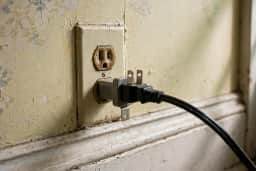 Two-Prong Ungrounded OutletsAre two-prong outlets safe?
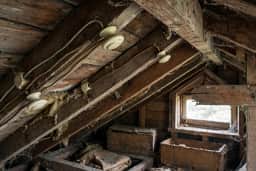 Knob and Tube WiringDo I need to replace knob and tube wiring?
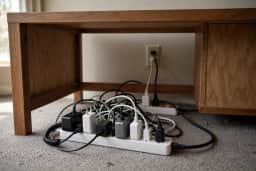 Overloaded Power StripsIs it dangerous to plug a power strip into another power strip?
Same-day help often available
Call an electrician in Portland
Describe the problem and your Portland neighborhood. Your call goes to an independent licensed electrician who works locally.
Call (855) 679-2483Smoke, flames or sparking? Leave the building and call 911 first.
Pronto Electrician is a free referral service. Calls are answered by independent licensed electricians in your area. Pronto Electrician does not perform electrical work, and the electrician you choose sets the price, schedule, permits and warranty.
Nearby
Free to call · All 50 states + DC
Describe the problem and get connected with an independent licensed electrician who serves your area.