
01
Windstorm outages
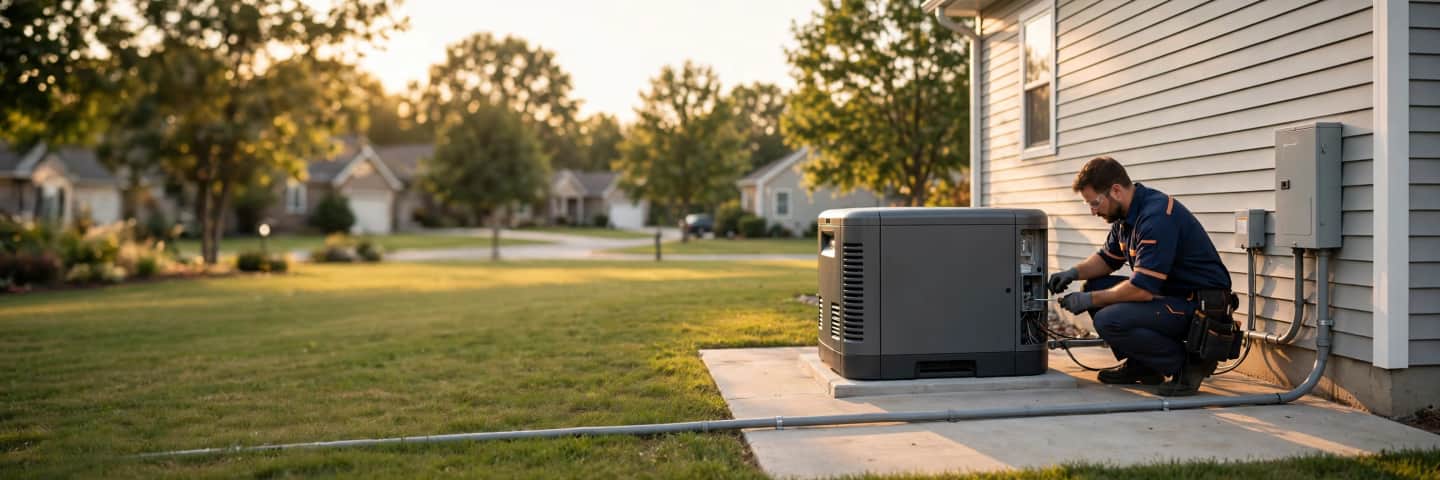
Falling trees damage lines and service drops. Generators or batteries with proper transfer equipment keep essentials running through multi-day outages.
Generator Installation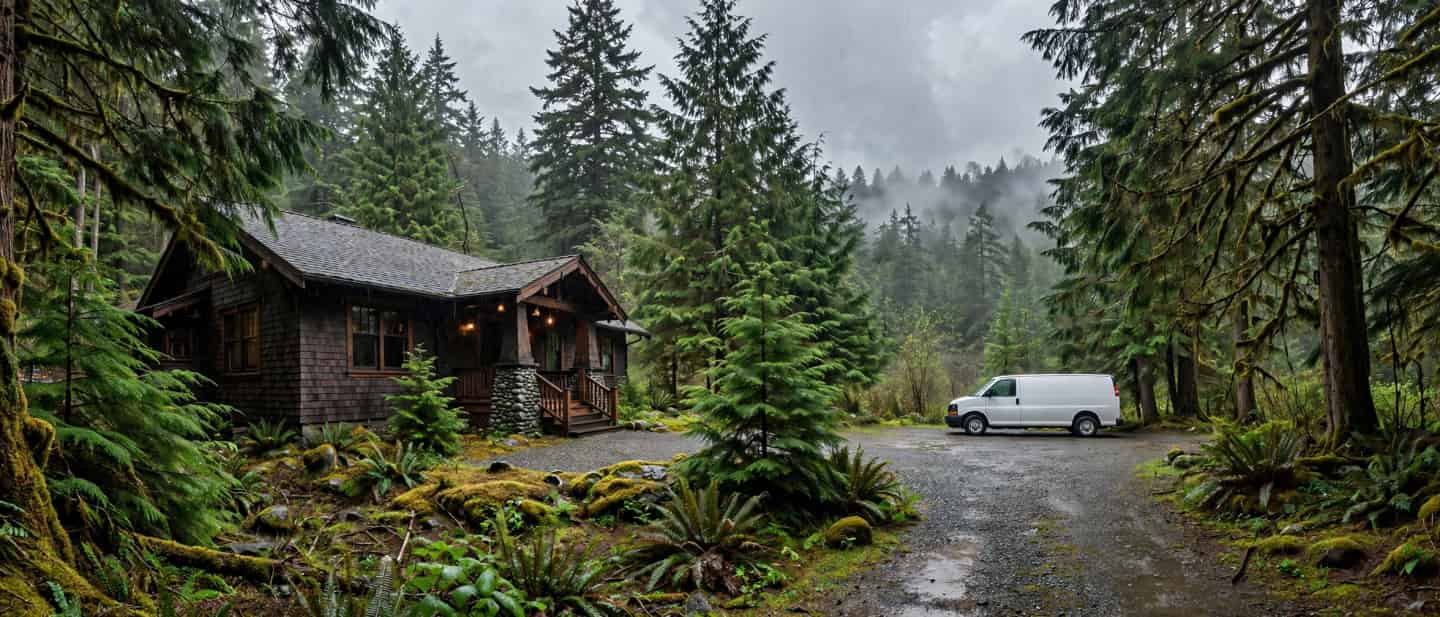
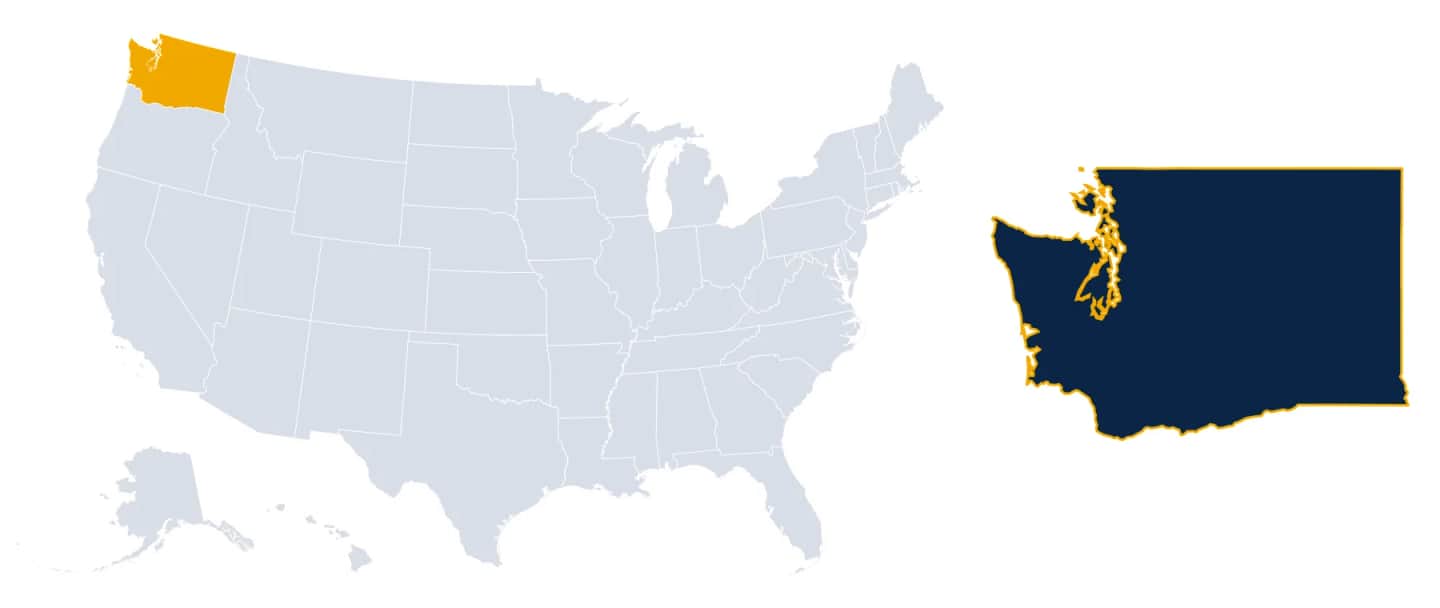
Seattle is served by Seattle City Light, a city-owned utility, and electrical permits inside the city are issued by SDCI. Windstorms that topple the city’s tall evergreens cause most major outages — including the November 2024 bomb cyclone — and the region’s earthquake risk is a constant background concern. Mild winters make heat pumps popular, which often brings a panel review with it.
Free to call · Independent licensed electricians
Serving Ballard, Fremont, Wallingford, Capitol Hill, Columbia City, Green Lake and every other Seattle neighborhood.
Seattle at a glance
Electrical services in Seattle
The calls Seattle homeowners make most, followed by every service independent licensed electricians handle here.
Not sure which service you need? Describe the problem and an electrician will tell you.
Call for Electrical Service in SeattleHousing and wiring
Ballard, Wallingford and Capitol Hill are dense with early-1900s Craftsman homes and “Seattle box” foursquares, many with knob-and-tube in the attic and partially updated circuits elsewhere. Basements are often converted, adding circuits to old services.
Neighborhoods we cover
Local issues
Problems that come up again and again in local homes, and the service that fixes each one.
Falling trees damage lines and service drops. Generators or batteries with proper transfer equipment keep essentials running through multi-day outages.
Generator InstallationSwitching from oil or gas to heat pumps often needs a load calculation and sometimes a service upgrade.
Electrical Panel UpgradeMany older homes still have active knob-and-tube circuits, which insurers often want replaced.
House RewiringLocal guide
History, housing, weather and rules that shape electrical work in Seattle, WA.
Seattle City Light is one of the largest public utilities in the country and gets most of its power from hydroelectric dams. It offers rebates for heat pumps and efficient equipment, supports EV charging, and has its own requirements for service upgrades and solar interconnection. Because it is city-owned, its policies are set by the city rather than state regulators.
Ballard has Craftsman homes and newer townhomes near the old Scandinavian fishing community. Wallingford and Fremont are filled with early-1900s houses on small lots, Capitol Hill has grand older homes and apartment buildings, Columbia City has Craftsman bungalows and a historic business district, and Green Lake and Ravenna have homes from the 1910s through the 1940s. West Seattle and Magnolia have hillside homes with views and steep lots.
The Seattle box, a two-story foursquare built roughly 1900 to 1920, and the Craftsman bungalow are the city’s signature older homes. Many still have knob-and-tube wiring in attics and walls, sometimes partly active, along with basement panels added decades later. Insurers increasingly ask about knob-and-tube, and replacing it is often required before adding insulation.
Seattle has replaced many older homes with townhomes and small apartment buildings, and recent state and city rules allow more units on residential lots. New townhome rows have grouped meters, panels on upper floors and tight garages, which shapes where EV chargers and heat pump units can go.
Since Seattle relaxed its rules in 2019, backyard cottages and basement apartments have multiplied. Each unit needs a subpanel or separate service, heating — typically a ductless heat pump — smoke and carbon monoxide alarms, and inspection by the Seattle Department of Construction and Inspections.
Seattle’s tall Douglas firs, cedars and big-leaf maples fall onto lines during windstorms, including the November 2024 bomb cyclone that left hundreds of thousands in the region without power. A pulled service drop or broken mast must be repaired before reconnection, so keeping trees trimmed away from the drop prevents many outages.
Seattle sits near the Seattle Fault and faces the long-term risk of a Cascadia Subduction Zone earthquake. Many older homes have been seismically retrofitted, and those projects sometimes require relocating basement panels and wiring. Strapping water heaters and knowing how to shut off the main breaker are basic precautions.
During the June 2021 heat dome, Seattle reached 108 degrees, far beyond anything its housing was built for. Since then, ductless heat pumps have become one of the most popular upgrades, providing both cooling and efficient heat. Adding several heads may require a panel upgrade.
Many Seattle homes sit on steep lots with garages at street level and houses above or below, connected by stairs. Running power to a garage EV charger or a backyard cottage on these lots can require long trenches and careful conduit routing through retaining walls.
Seattle has adopted energy code rules that limit fossil-fuel heating in new construction and encourage electrification. Many owners are replacing gas or oil furnaces with heat pumps and gas water heaters with heat pump water heaters, often requiring service upgrades.
Lake Union and Portage Bay have floating homes connected by docks, with shore power feeding each home. Wiring over water needs ground-fault protection, corrosion-resistant fittings and careful maintenance to prevent shock hazards.
Long, wet winters test outdoor outlets, landscape lighting and hot tub circuits. Weather-resistant devices, in-use covers and ground-fault protection reduce nuisance trips and corrosion.
Common requests include knob-and-tube replacement, ductless heat pump circuits, service upgrades for electrification, backyard cottage wiring, EV chargers, storm repairs and earthquake-retrofit electrical work.
Inside Seattle, the Seattle Department of Construction and Inspections issues electrical permits and performs inspections, unlike most of Washington, where the state Department of Labor & Industries handles them. Licensed electrical contractors pull permits online for most jobs, and larger projects may require plan review. Suburbs such as Bellevue, Shoreline and Burien follow their own or the state’s process.
Mid-century homes in Lake City, Northgate, Beacon Hill and parts of West Seattle often have original panels, some of them brands that electricians recommend replacing, along with electric baseboard heat in additions. Switching to ductless heat pumps can lower bills and free up panel space by retiring baseboard circuits.
Some Seattle neighborhoods have alleys and detached garages, making them convenient places for EV chargers. Running a new feeder from the house usually means trenching across the yard, and in areas with tall trees, roots and steep grades add complexity.
Because Seattle neighborhoods restrict noise and generator placement can be difficult on tight lots, many homeowners choose home batteries, sometimes paired with solar, for backup. A battery can keep the refrigerator, lights, internet and a gas furnace blower running through typical windstorm outages.
Seattle requires rental registration and inspection, and landlords must maintain safe electrical systems. Common corrections include ground-fault protection in kitchens and baths, smoke and carbon monoxide alarms, and repairs to damaged devices.
Homes along Lake Washington and Lake Union have docks, boat lifts and lighting over the water. Dock circuits need ground-fault protection and corrosion-resistant fittings, and older docks should be inspected before summer.
Ballard has seen many older homes replaced by townhome clusters and apartment buildings. Owners of remaining Craftsman homes often upgrade services and add heat pumps, while new townhome owners discover that their tandem garages and upper-floor panels limit where EV chargers can go.
Simple repairs can often be scheduled quickly, but service upgrades depend on SDCI permits, inspections and Seattle City Light scheduling, which can take weeks. Starting early helps keep renovations on track.
Thunderstorms are uncommon in Seattle, but windstorms and repeated outage-and-restoration cycles still send surges through home wiring. Whole-home surge protection protects heat pumps and electronics.
Capitol Hill has many early apartment buildings converted to condominiums, along with new mid-rise buildings. Owners adding in-unit laundry, heat pumps or EV charging in shared garages need association approval, and older buildings may have limited capacity per unit.
Rainier Valley and Beacon Hill have a mix of early-1900s homes and mid-century houses, many owned by longtime residents. Outdated panels and knob-and-tube wiring are common, and city and utility programs sometimes help eligible homeowners with upgrades.
Questions
Inside city limits, SDCI issues electrical permits. Most other Washington cities use the state Department of Labor & Industries.
Yes, in many homes built before the 1940s. An inspection shows what is still active.
Problem guides
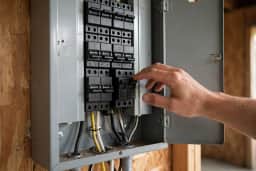 Breaker Keeps TrippingWhy does my circuit breaker keep tripping?
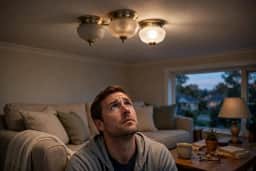 Flickering LightsWhy are the lights in my house flickering?
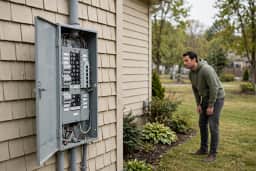 Buzzing Electrical PanelWhy is my electrical panel buzzing?
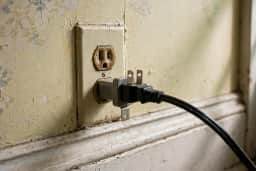 Two-Prong Ungrounded OutletsAre two-prong outlets safe?
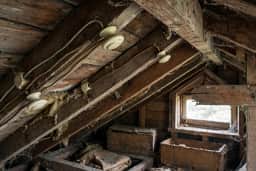 Knob and Tube WiringDo I need to replace knob and tube wiring?
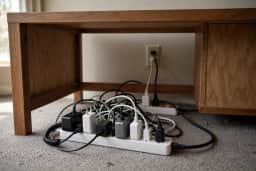 Overloaded Power StripsIs it dangerous to plug a power strip into another power strip?
Same-day help often available
Call an electrician in Seattle
Describe the problem and your Seattle neighborhood. Your call goes to an independent licensed electrician who works locally.
Call (855) 679-2483Smoke, flames or sparking? Leave the building and call 911 first.
Pronto Electrician is a free referral service. Calls are answered by independent licensed electricians in your area. Pronto Electrician does not perform electrical work, and the electrician you choose sets the price, schedule, permits and warranty.
Nearby
Free to call · All 50 states + DC
Describe the problem and get connected with an independent licensed electrician who serves your area.