Washington runs largely on hydropower, which has kept electricity relatively affordable and made electric heat far more common than in most states. That history shapes electrical work here, along with windstorms that topple the region’s tall evergreens, earthquake risk west of the Cascades, wildfire and smoke east of them, and a state energy code that strongly favors heat pumps.
What Washington weather does to electrical systems
The hazards that drive the most electrical calls here, and how homeowners prepare for them.
Winter storms and cold
Heavy snow and wind cause outages when heating demand is highest. Generators, dedicated circuits for space heaters, and heat-tape circuits with GFCI protection are common winter projects. Avoid running heaters through extension cords or power strips.
Utilities may shut off power during high fire-risk weather. Battery backup or generator systems with proper transfer equipment keep essential circuits running. Exterior electrical equipment and connections should be kept clear of vegetation.
Ground movement can loosen connections and damage service entrances. Securing water heaters and appliances, checking panel connections after significant quakes, and having backup power plans are practical steps.
Washington has an unusual mix of providers. Seattle City Light and Tacoma Power are city-owned. Public utility districts serve large areas, including Snohomish County PUD around Everett and Clark Public Utilities around Vancouver. Puget Sound Energy, an investor-owned utility, serves much of the Puget Sound region outside Seattle and Tacoma. Avista serves Spokane and much of Eastern Washington, and Pacific Power serves areas around Yakima and Walla Walla.
Each provider has its own rules for service upgrades, meter changes, solar interconnection and generator connections, and many offer incentives for heat pumps and efficiency upgrades.
Licensing and electrical permits
Washington certifies electricians and licenses electrical contractors through the Department of Labor & Industries. Electricians hold certificates such as journey level or specialty certificates, and contractors must be licensed and bonded. L&I’s online lookup shows license status and bond information.
In most of the state, L&I issues electrical permits and performs inspections. Several cities, including Seattle, Tacoma, Spokane, Bellevue and Everett, run their own electrical permit and inspection programs. Ask your electrician which authority covers your address.
Electric heat and baseboards
Because hydropower made electricity cheap for decades, many Washington homes — especially those built from the 1960s through the 1980s — heat with electric baseboard or electric furnaces. These systems run on 240-volt circuits that work hard all winter. Baseboard thermostats, connections and wall heaters should be checked for heat damage, and baseboards should be kept clear of curtains and furniture.
Replacing baseboards with ductless heat pumps is one of the most common upgrades in the state. Heat pumps use far less electricity for the same heat, but adding one alongside existing baseboards, or as a whole-home replacement, still requires checking panel capacity and circuit sizes.
Windstorms and tree-related outages
Western Washington’s tall Douglas firs and cedars fall on lines during windstorms. The December 2006 Hanukkah Eve storm left more than a million customers in the region without power, and the November 2024 bomb cyclone caused another round of widespread outages. In November 2015, a severe windstorm knocked out power across Spokane for days.
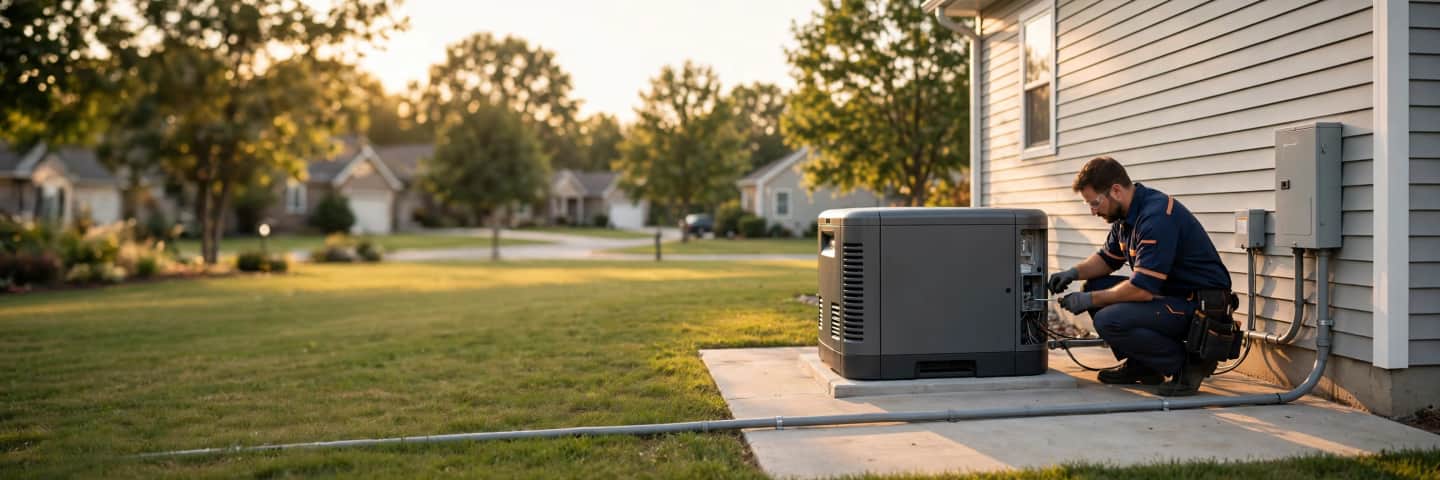
Backup power options include portable generators connected through listed interlocks or transfer switches, standby generators and battery systems, often paired with solar. Damaged masts and service drops must be repaired by an electrician before the utility will reconnect.
Earthquakes
The 2001 Nisqually earthquake damaged buildings around Olympia, Seattle and Tacoma, and the region faces the long-term risk of a Cascadia Subduction Zone earthquake. After any significant quake, check for meter bases pulled from walls, damaged service masts, burning smells and flickering lights, and stay clear of damaged equipment until it has been inspected. Securing water heaters and appliances and having backup power are practical preparations.
Heat waves, wildfire and smoke
The June 2021 heat dome pushed Seattle and Portland to all-time record highs, and many Western Washington homes had no air conditioning at all. Since then, ductless heat pumps that provide both heating and cooling have become even more popular. East of the Cascades, wildfires such as the Labor Day 2020 fires have destroyed homes and towns, and summer smoke drives demand for air purification and cooling.
Wildfire-prone areas may see utility power shutoffs during extreme fire weather, which makes backup power more valuable for rural Eastern Washington homes.
Washington housing
Seattle, Tacoma and Spokane have large stocks of early-1900s Craftsman bungalows, foursquares and Victorians, many with knob-and-tube wiring in attics and walls. Mid-century ramblers and 1970s split-levels fill the suburbs, often with electric baseboard heat and, in some homes from the late 1960s and early 1970s, aluminum branch wiring. Rapid growth has added many new townhomes and accessory dwelling units in the Puget Sound region.
Energy code, EVs and solar
Washington’s energy code strongly favors heat pumps for new construction, and the state has some of the highest EV adoption rates in the country. EV chargers, heat pumps and heat pump water heaters together can exceed older 100- or 150-amp services, so load calculations and load-management devices are common parts of electrification projects. Rooftop solar and batteries are popular in sunnier Eastern Washington and growing west of the Cascades.
Regional differences
The Puget Sound region focuses on windstorms, older Craftsman homes, ADUs and EV charging. The Olympic Peninsula and coast face heavy rain, wind and salt air. The Cascades and foothills have snow, wooded lines and longer outages. Eastern Washington, including Spokane, the Tri-Cities and Yakima, has hotter summers, colder winters, wildfire risk and rural properties with wells and irrigation pumps.
ADUs, backyard cottages and middle housing
Seattle relaxed its rules for backyard cottages and basement units in 2019, and state laws passed in 2023 require many Washington cities to allow accessory dwelling units and more housing types on residential lots. New units usually need a subpanel or separate service, smoke and carbon monoxide alarms, heating — usually a ductless heat pump — and sometimes a separate meter. A load calculation for the main house and the new unit decides whether the existing service is enough.
Island and ferry-served communities
Homes on Bainbridge, Vashon, Whidbey, Camano and the San Juan Islands face wind exposure, long outages and limited contractor availability. Ferry schedules add time and cost to every service visit, so homeowners benefit from planning electrical work in larger, well-defined projects. Backup power is particularly valuable on islands where restoration can take longer after windstorms.
Wells, irrigation and rural Eastern Washington
Across the Columbia Basin, the Palouse and the Okanogan, rural properties depend on wells, irrigation pumps and outbuildings with significant electrical loads. Long service runs, dust and rodents take a toll on wiring, and well pumps stop during outages. Generator plans should account for the well pump’s starting load, and outbuildings need properly sized feeders, disconnects and grounding.
Batteries for outage resilience
Home battery systems are increasingly popular in Western Washington as an alternative to generators, especially in neighborhoods where noise rules, space or fuel storage make generators impractical. A battery can carry essential circuits such as the refrigerator, lights, internet and a gas furnace blower through typical windstorm outages, and pairing it with solar extends that time. Battery systems require permits, utility interconnection approval and often a critical-loads panel.
Mid-century homes and aluminum wiring
Washington built heavily in the late 1960s and early 1970s, when copper prices led some builders to use aluminum branch wiring. Aluminum connections can loosen and overheat at outlets, switches and splices not rated for it, and the problem is often discovered when a device fails or a home inspector notes it. The usual remedies are pigtailing with connectors listed for aluminum-to-copper connections or replacing the circuits, both of which should be permitted and inspected.
Common electrical calls in Washington
Frequent requests include ductless heat pump circuits and panel upgrades, EV charger installations, generator and interlock installations, knob-and-tube replacement, baseboard heater repairs, storm repairs to masts and service drops, and ADU subpanels. Before windstorm season in the fall, many households add generator inlets or battery backup so they are ready for the first big storm.
Working with an electrician in Washington
Verify the contractor’s L&I license and bond and the electrician’s certificate, ask whether the permit comes from L&I or your city, and get a written scope. For heat pumps and EV chargers, ask about your utility’s rebates and whether a load-management device could avoid a service upgrade. If you are replacing baseboard heat, ask whether the old baseboard circuits can be reused for the new equipment, which can save panel space and wiring.
Electrical licensing and permits in Washington are set by state and local authorities. The electrician confirms what applies to your project.
Services
Most requested in Washington
Ranked by how many of this state’s climate risks each service addresses.
Connect with an independent licensed electrician near you
Smoke, flames or sparking? Leave the building and call 911 first.
Pronto Electrician is a free referral service. Calls are answered by independent licensed electricians in your area. Pronto Electrician does not perform electrical work, and the electrician you choose sets the price, schedule, permits and warranty.
Free to call · All 50 states + DC
Talk to a licensed electrician in Washington
Describe the problem and get connected with an independent licensed electrician who serves your area.