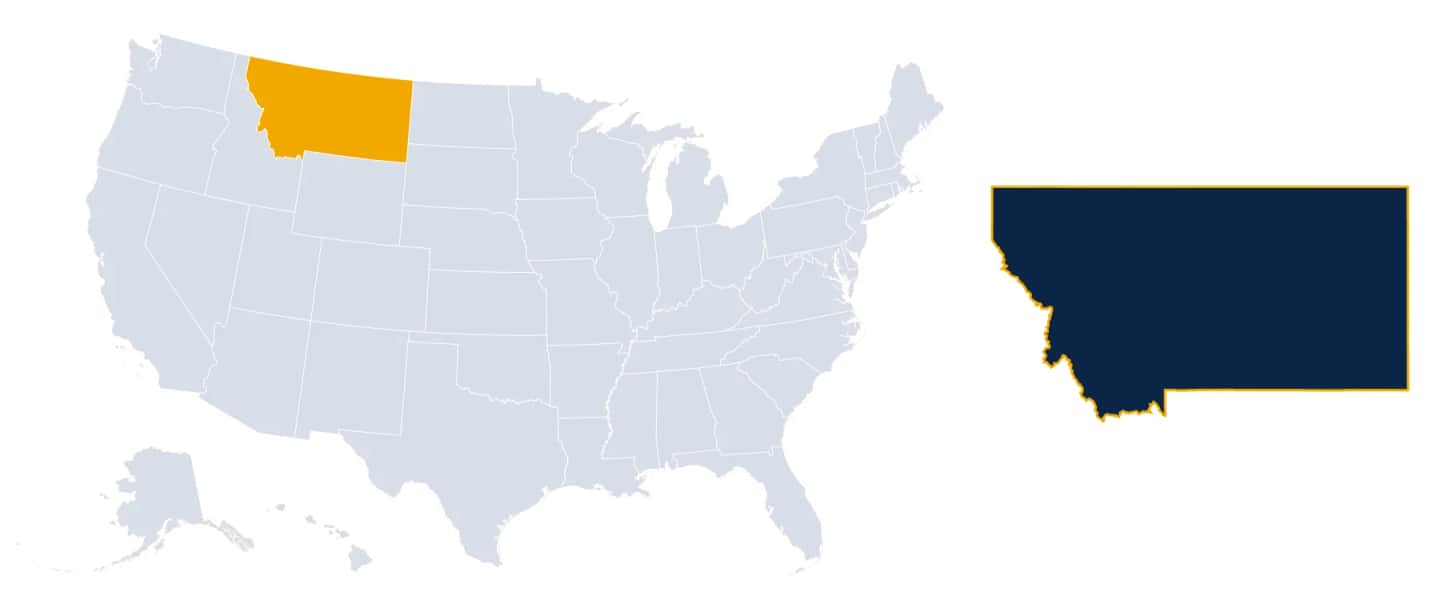
Montana stretches from Glacier’s peaks to the eastern plains, and its electrical systems face deep cold, long distances, wildfire smoke and, as the June 2022 Yellowstone River flood showed, sudden disasters in mountain valleys. Bozeman, Missoula and the Flathead Valley are growing fast, while ranches and remote cabins depend on long lines and reliable backup power.
The hazards that drive the most electrical calls here, and how homeowners prepare for them.
Winter storms and cold
Heavy snow and wind cause outages when heating demand is highest. Generators, dedicated circuits for space heaters, and heat-tape circuits with GFCI protection are common winter projects. Avoid running heaters through extension cords or power strips.
Utilities may shut off power during high fire-risk weather. Battery backup or generator systems with proper transfer equipment keep essential circuits running. Exterior electrical equipment and connections should be kept clear of vegetation.
Independent licensed electricians serve communities across Montana.
Also serving
Billings
Missoula
Great Falls
Bozeman
Helena
State guide
Electrical work in Montana
Montana’s utilities
NorthWestern Energy serves most of western and central Montana, including Billings, Bozeman, Butte, Helena and Missoula. Montana-Dakota Utilities serves parts of eastern Montana, and electric cooperatives — including Flathead Electric in the Kalispell area — serve much of the rural state. Your utility sets the rules for service upgrades, solar interconnection and generator connections.
Licensing and inspections
The Montana State Electrical Board licenses journeyman, master and residential electricians and electrical contractors. Licenses can be checked online.
Some cities run their own electrical permit and inspection programs, and the state Building Codes Program inspects work elsewhere. In much of rural Montana, permits are still required for electrical work even where there is no local building department.
Deep cold
Arctic air masses regularly push temperatures far below zero, especially along the Hi-Line and in the north-central plains. Furnaces, boilers and heat pump air handlers all need electricity, and pipes in crawl spaces and well houses freeze quickly when the heat stops. Backup power wired through a transfer switch or interlock, sized for the heating system and well pump, is a core part of living in Montana.
The 2022 Yellowstone flood
In June 2022, heavy rain on melting snow sent the Yellowstone, Stillwater and Clarks Fork rivers to record levels, washing out roads and homes in Gardiner, Red Lodge, Fromberg and Livingston and closing Yellowstone National Park. Homes in narrow mountain valleys can flood with little warning. Electrical equipment that has been underwater must be replaced, and rebuilding is the time to place panels and meters above flood levels.
Wildfire and smoke
Wildfire seasons bring smoke across the state for weeks and threaten homes on forest edges around Missoula, Helena, the Bitterroot and the Flathead. Utilities may de-energize lines during extreme conditions. Clearing vegetation from service equipment and having backup power help homes through fire season, and air cleaners and cooling need their own circuits when windows stay shut.
Earthquakes
The 1959 Hebgen Lake earthquake, magnitude 7.3, triggered a massive landslide near West Yellowstone, and southwestern Montana remains seismically active. Securing water heaters and checking service equipment after any strong quake are sensible precautions.
Bozeman and Missoula growth
Bozeman, Belgrade, Missoula, Kalispell and Whitefish have grown rapidly, with new subdivisions, accessory units and remote workers moving in. New homes typically have 200-amp services, while older neighborhoods near downtown Missoula and Bozeman have early-1900s homes with outdated wiring.
Butte and historic mining towns
Butte’s Uptown is one of the largest National Historic Landmark districts in the country, filled with brick buildings and miners’ homes from the late 1800s and early 1900s. Anaconda, Helena and Virginia City have similar historic housing. Rewiring these homes often uncovers knob-and-tube and small services, and exterior work in historic districts may need review.
Ranches and outbuildings
Montana ranches run shops, calving barns, stock tank heaters, welders and irrigation pumps, often at the end of long cooperative lines. Each outbuilding needs a properly sized feeder, a disconnect and grounding, and calving barns need dependable power during spring storms. Generators sized for wells and tank heaters are essential.
Cabins and second homes
Cabins around Flathead Lake, Seeley Lake, Big Sky and the Paradise Valley sit empty for much of the year. Mice, freezing and long vacancies damage wiring, and heat tape and well-house heaters need regular checks. Big Sky homes add heated driveways, hot tubs and snowmelt systems that draw heavy current.
Wind and long distances
Chinook winds along the Rocky Mountain Front can gust to hurricane force, damaging service masts and lines. Long distances between towns mean slower outage restoration and higher travel costs for electrical work, so planning projects in well-defined visits saves money.
Common electrical calls in Montana
Frequent requests include generator and transfer switch installations, shop and barn feeders, heat tape and well-house circuits, panel upgrades in growing towns, EV chargers, flood and fire rebuilds, and rewiring historic homes.
Billings and eastern Montana
Billings, Montana’s largest city, has older neighborhoods near downtown with early-1900s homes, along with sprawling newer subdivisions on the West End and the Heights. Hailstorms regularly hit the area, damaging roofs, solar panels and outdoor equipment. Farther east, towns such as Miles City, Glendive and Sidney are served by Montana-Dakota Utilities and cooperatives, with long distances between electricians.
Accessory dwellings in growing cities
Laws passed in 2023 require Montana’s larger cities to allow accessory dwelling units, and owners in Bozeman, Missoula, Whitefish and Kalispell are adding them to ease housing costs. Each unit needs a subpanel or separate service, alarms and heating — often a heat pump or electric baseboard — and the combined load must fit the property’s service.
Heat tape and well houses
Rural Montana homes frequently have well houses, stock waterers and water lines that must be kept from freezing with heat tape or small heaters. These should be on dedicated, ground-fault-protected circuits and checked each fall, since worn heat tape and overloaded extension cords are a common cause of winter fires.
Generators and propane
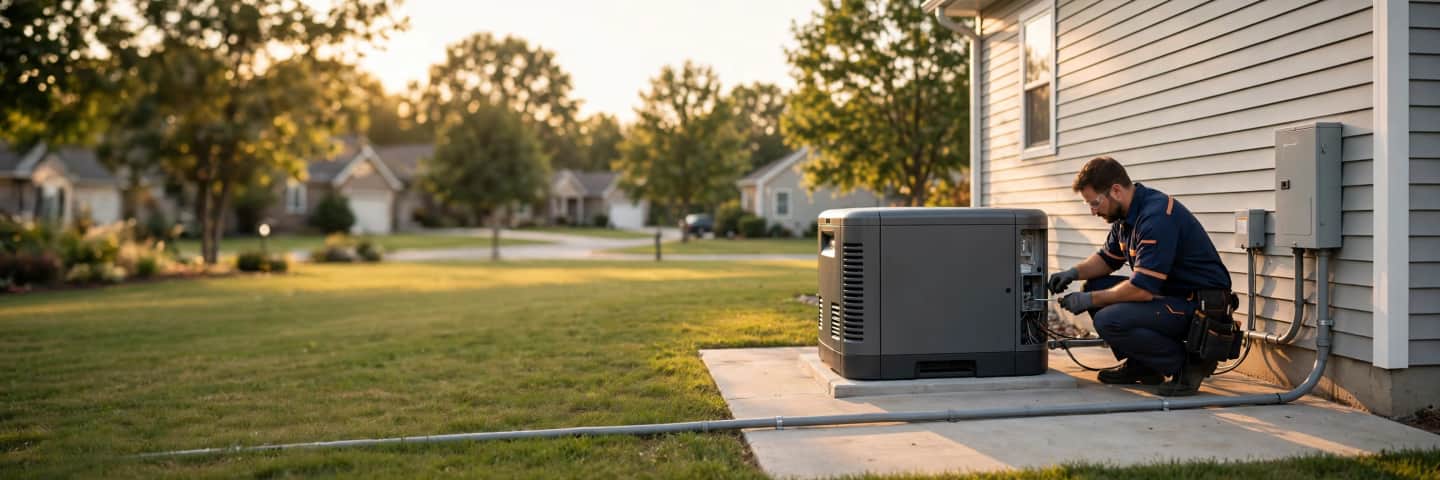
Propane generators are common across rural Montana, where natural gas lines do not reach. Portable generators connected through an interlock serve many households. Generators must be sheltered from drifting snow but kept outdoors with exhaust directed away from the home.
Solar, batteries and off-grid cabins
Montana’s sunny days make rooftop solar practical, and remote cabins often run entirely on solar, batteries and a backup generator. Off-grid systems need properly sized inverters, battery protection from cold, disconnects and grounding, and are best designed by an electrician familiar with them.
The Hi-Line and farm country
Along the Hi-Line, from Havre to Glasgow, farms and small towns face fierce winter cold, wind and long distances. Grain bins, shops and farmhouses depend on cooperative lines, and generators are essential for winter storms.
Buying an older Montana home
Inspections of older homes in Butte, Helena, Great Falls and Missoula often turn up knob-and-tube wiring, fuse panels and small services. An electrician’s written evaluation helps buyers plan repairs before closing.
Dry lightning and range fires
Summer storms over Montana often produce lightning with little rain, igniting fires on grasslands and forests and sending surges into homes. A surge protective device at the panel protects well controls, furnace boards and electronics.
Basements and spring runoff
Many Montana homes have basements that take on water during spring runoff. Sump pumps need power exactly when storms and flooding knock it out, so battery backup or a generator circuit is a practical upgrade.
Great Falls and Helena
Great Falls and Helena have older neighborhoods with early-1900s homes, many with outdated wiring, along with newer subdivisions. Helena’s historic districts and Great Falls’ older housing near downtown often need panel upgrades and rewiring when renovated.
Moving to Montana
Many newcomers to the Gallatin and Flathead valleys buy homes or land without realizing how far they are from utility lines. Extending service to a remote building site can be expensive, so it pays to ask the utility or cooperative about line extension costs before buying, and to compare that with a well-designed solar and battery system.
Snow load on mountain homes
In Big Sky, Whitefish and other snowy towns, heavy snow sliding off roofs can rip service masts and bury meters, so masts should be braced and equipment placed where avalanching roof snow will not reach it.
Working with an electrician in Montana
Verify the electrician’s and contractor’s licenses with the State Electrical Board, ask whether your city or the state will inspect the work, and get a written scope. For service changes, ask how the electrician will coordinate with NorthWestern Energy, Montana-Dakota Utilities or your cooperative.
Electrical licensing and permits in Montana are set by state and local authorities. The electrician confirms what applies to your project.
Services
Most requested in Montana
Ranked by how many of this state’s climate risks each service addresses.
Connect with an independent licensed electrician near you
Smoke, flames or sparking? Leave the building and call 911 first.
Pronto Electrician is a free referral service. Calls are answered by independent licensed electricians in your area. Pronto Electrician does not perform electrical work, and the electrician you choose sets the price, schedule, permits and warranty.
Free to call · All 50 states + DC
Talk to a licensed electrician in Montana
Describe the problem and get connected with an independent licensed electrician who serves your area.