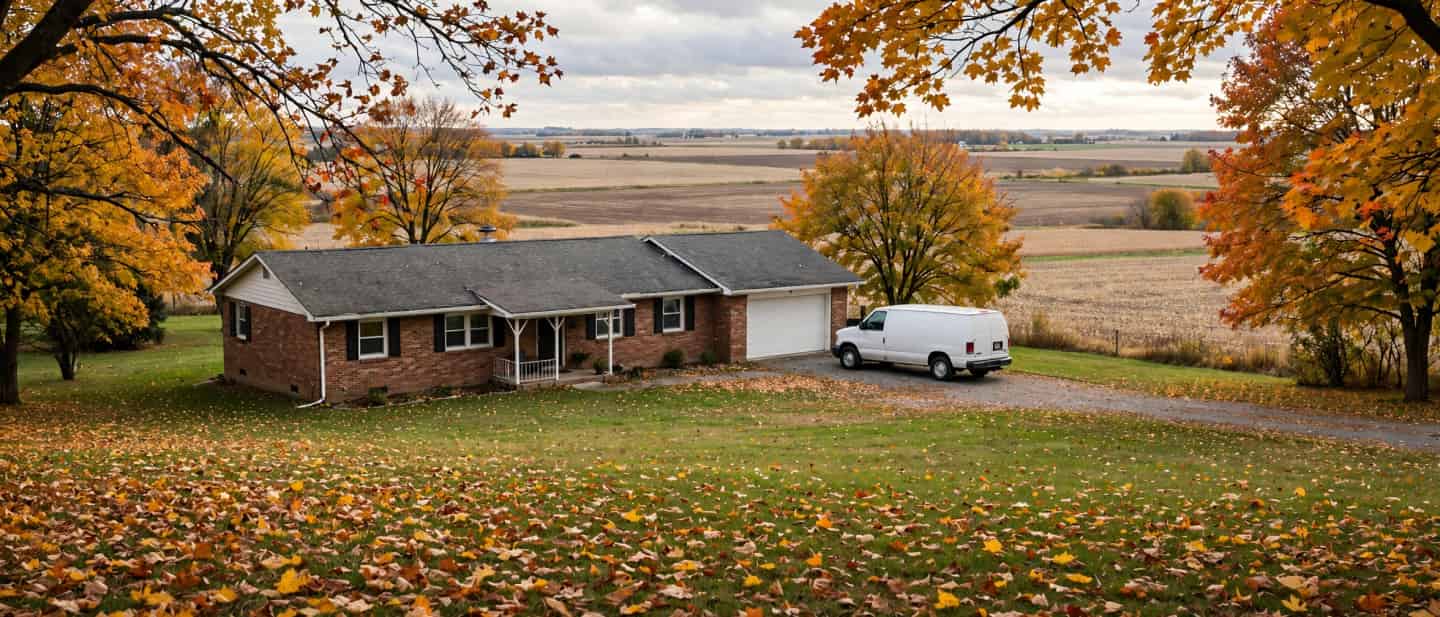
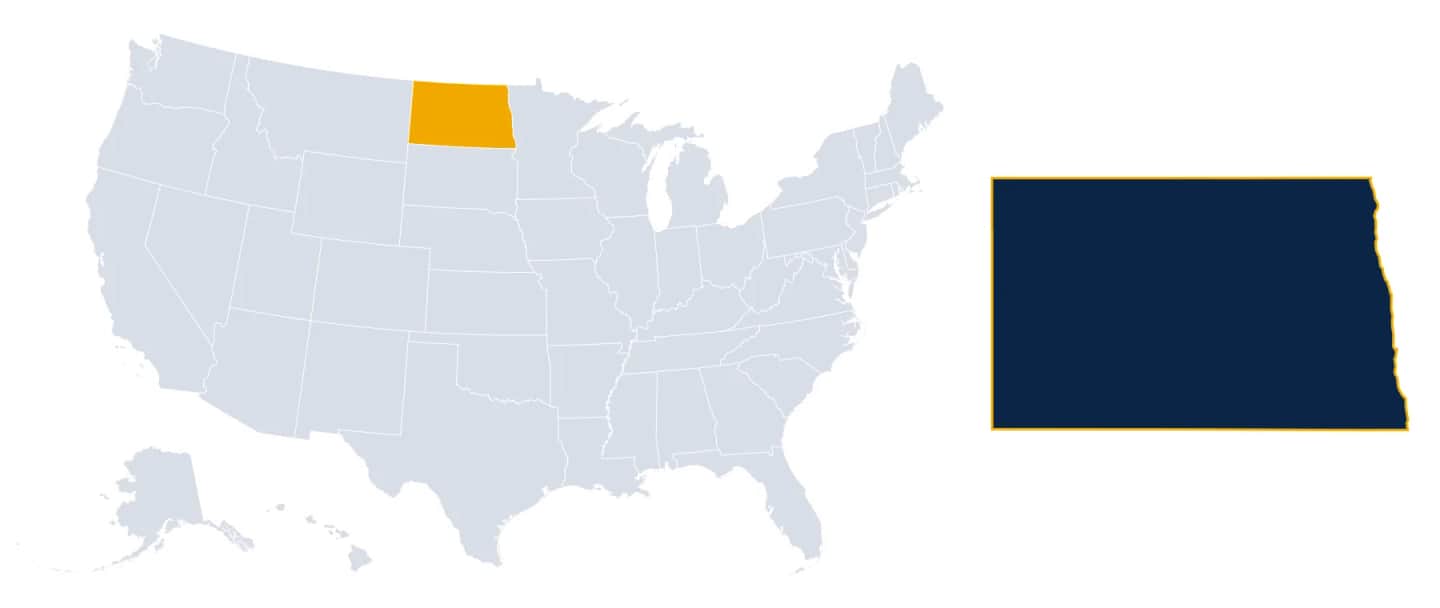
North Dakota’s winters are among the coldest in the lower 48, its rivers have produced some of the most devastating floods in modern U.S. history, and the Bakken oil boom transformed towns like Williston and Watford City almost overnight. Electrical systems here have to handle subzero cold, spring floods and fast-changing communities.
What North Dakota weather does to electrical systems
The hazards that drive the most electrical calls here, and how homeowners prepare for them.
Winter storms and cold
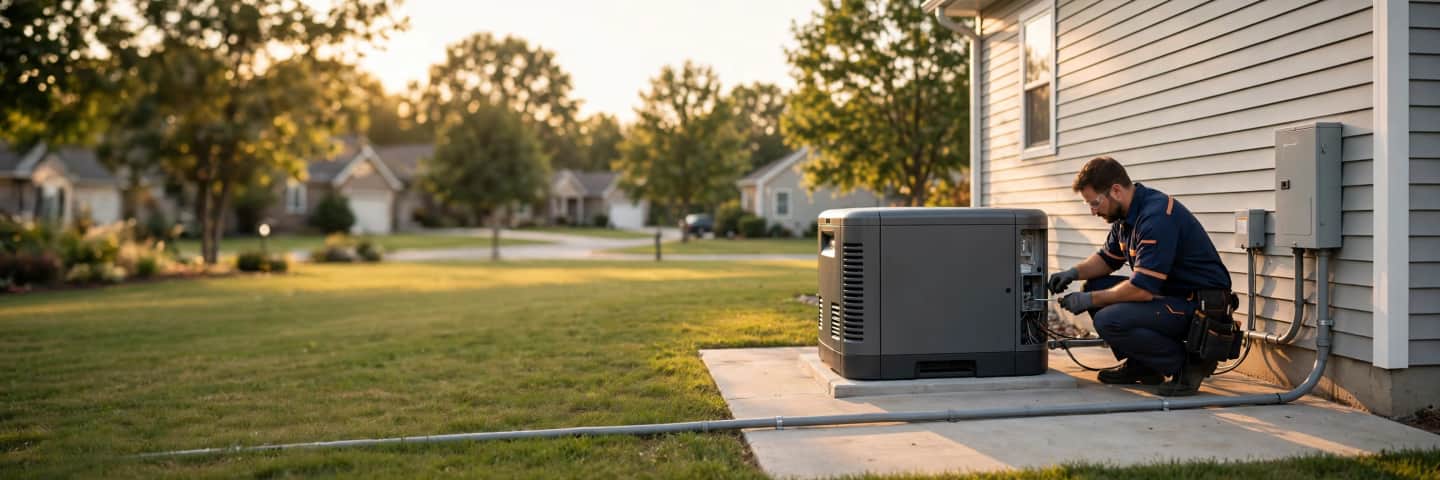
Heavy snow and wind cause outages when heating demand is highest. Generators, dedicated circuits for space heaters, and heat-tape circuits with GFCI protection are common winter projects. Avoid running heaters through extension cords or power strips.
Electrical equipment that has been underwater — panels, outlets, breakers, appliances — generally must be replaced, not dried and reused. Do not re-energize a flooded home until an electrician has inspected it.
Independent licensed electricians serve communities across North Dakota.
Also serving
Fargo
Bismarck
Grand Forks
Minot
State guide
Electrical work in North Dakota
North Dakota’s utilities
Xcel Energy serves Fargo and Grand Forks. Montana-Dakota Utilities serves Bismarck, Dickinson, Williston and much of western North Dakota, and Otter Tail Power serves many towns in the east. Rural electric cooperatives, such as Cass County Electric and Mountrail-Williams Electric, serve large areas, including much of the oil patch.
Licensing and inspections
The North Dakota State Electrical Board licenses master and journeyman electricians and electrical contractors, and its inspectors cover much of the state. Some cities also run local permit programs. Electrical work generally must be performed by licensed electricians and inspected.
The great river floods
In April 1997, the Red River flooded Grand Forks and East Grand Forks, forcing nearly the entire city to evacuate while fire destroyed part of downtown. Fargo fought back record crests in 2009 with sandbags and temporary levees, and in June 2011 the Souris River flooded a large part of Minot. Spring snowmelt makes flooding a recurring risk across the state.
Electrical equipment that has been submerged has to be replaced, and power should stay off to flooded basements until inspected. Many rebuilt homes in flood-prone neighborhoods keep panels and mechanical equipment off the basement floor.
Blizzards and subzero winters
North Dakota winters bring blizzards that close interstates and stretches of temperatures far below zero. Furnaces and boilers depend on electricity, so outage plans should keep heat running. Vehicles need block heaters, and outdoor outlets used for them should be on sturdy, weather-resistant GFCI devices with circuits sized for overnight use.
The Bakken oil boom
The Bakken boom of the 2010s brought tens of thousands of workers to Williston, Watford City, Tioga and surrounding towns, along with crew camps, RV parks, apartments and new subdivisions built in a hurry. Some quickly built housing and temporary wiring need updating, and RV and manufactured home connections should be properly rated and protected.
Farms and grain
North Dakota leads the country in several crops, and farms run grain bins, dryers, augers and shops on long rural lines. Dust and rodents damage farm wiring, and grain dryers run hard during harvest. Periodic inspection and surge protection for dryer controls prevent fires and downtime.
Fargo and Bismarck housing
Fargo, Bismarck, Grand Forks and Minot have older neighborhoods with early- and mid-1900s homes alongside rapid new construction. Older homes may have small services and outdated wiring, while newer homes fill panels with finished basements and EV chargers.
Tornadoes and summer storms
The June 1957 Fargo tornado was one of the deadliest in state history, and summer thunderstorms bring hail, wind and lightning. Storm damage to service masts and meter bases must be repaired before reconnection, and surge protection helps protect furnaces and electronics.
Basements and sump pumps
Almost every North Dakota home has a basement, and many rely on sump pumps during spring melt. Battery backup pumps or generator circuits keep basements dry when storms cut power.
Wind energy
North Dakota has strong, steady winds and a large wind power industry, alongside coal and natural gas generation. Many farmers lease land for turbines.
Common electrical calls in North Dakota
Frequent requests include generator installations, block-heater outlets, sump pump backup, panel upgrades, farm and grain bin wiring, flood repairs and storm repairs.
Grand Forks after 1997
After the 1997 flood, Grand Forks bought out hundreds of homes in the floodplain, built a flood wall and levee system and created the Greenway along the Red River. Many homes rebuilt elsewhere in the city were built to newer standards, while older neighborhoods outside the buyout zone still have mid-century homes with original panels.
The Fargo-Moorhead diversion
Fargo and Moorhead are building a large flood diversion channel to carry Red River floodwater around the metro area, a project meant to reduce the need for emergency sandbagging. Until it is complete, homeowners in low areas still plan for spring flooding, including keeping electrical equipment off basement floors and backing up sump pumps.
Oil patch housing and RV hookups
During the Bakken boom, many workers lived in RVs and crew camps, and some homeowners added RV pedestals and temporary wiring. Permanent RV hookups need properly rated 30- or 50-amp outlets, ground-fault protection where required and correctly sized feeders, not adapters on dryer outlets or extension cords run from the garage.
Generators and fuel
North Dakota households on natural gas often choose standby generators, while rural homes rely on propane units or portable generators with an interlock. In deep cold, generators need block heaters or battery warmers to start, and they must be kept clear of drifting snow while venting away from the house.
Heat tape and frozen pipes
Water lines in crawl spaces, mobile home skirting and outbuildings freeze easily in North Dakota winters. Heat tape should be on dedicated GFCI-protected circuits and inspected each fall.
Manufactured homes
Manufactured homes are common in North Dakota, especially in the oil patch and small towns. Their meter pedestals and feeders face frost heave and plows, and should be inspected after winter.
Minot and Bismarck neighborhoods
Minot rebuilt hundreds of homes after the 2011 Souris River flood, and Bismarck and Mandan have older neighborhoods near downtown alongside new growth. Older homes may need panel upgrades and grounding improvements.
EVs in extreme cold
EV ownership is still modest in North Dakota, partly because extreme cold reduces range. Owners benefit from a Level 2 charger in an attached or heated garage so the battery can be warmed while plugged in.
Surge protection
Summer storms bring lightning and power fluctuations that damage furnace boards and grain dryer controls. A surge protective device at the panel is inexpensive protection.
Shelterbelts, wind and service drops
Farmsteads across North Dakota are protected by shelterbelts — rows of trees planted to block wind and snow. As those trees age, limbs fall on service drops during storms. Trimming trees near lines and checking the mast and drop each spring prevent outages on long rural lines.
Basement storm shelters
North Dakota basements double as storm shelters during summer tornado warnings. Reliable lighting and an outlet for a weather radio and phone charging, on a circuit with backup power, make those spaces safer.
Older farmhouses
Many North Dakota farmhouses were built in the early 1900s and wired, rewired and extended over generations. Mixed wiring types, fuse panels and amateur additions are common. An inspection before a renovation or sale identifies what needs to be replaced.
Ice storms and spring blizzards
Late-season ice storms and spring blizzards can coat lines and bring down poles just as farmers prepare for planting. Checking masts, drops and outdoor equipment after the last storm of the season prevents surprises.
Rural water systems
Many rural North Dakota homes are served by regional rural water systems rather than private wells, but those still on wells need backup power for the pump during outages.
Grain dryers at harvest
During harvest, grain dryers and aeration fans run day and night. A failure at the wrong moment can spoil a crop, so farmers often have electrical systems checked before harvest begins, including connections, motor starters and surge protection.
Surge protection on farms
Grain dryer controls, livestock waterers and well pumps on North Dakota farms are vulnerable to surges from summer lightning. Surge protection at the farm’s main panel and at sensitive equipment limits costly damage.
Working with an electrician in North Dakota
Verify the electrician’s license with the State Electrical Board, ask whether the state or your city will inspect the work, and get a written scope. For service changes, ask how the electrician will coordinate with Xcel, Montana-Dakota Utilities, Otter Tail or your cooperative.
Electrical licensing and permits in North Dakota are set by state and local authorities. The electrician confirms what applies to your project.
Services
Most requested in North Dakota
Ranked by how many of this state’s climate risks each service addresses.
Connect with an independent licensed electrician near you
Smoke, flames or sparking? Leave the building and call 911 first.
Pronto Electrician is a free referral service. Calls are answered by independent licensed electricians in your area. Pronto Electrician does not perform electrical work, and the electrician you choose sets the price, schedule, permits and warranty.
Free to call · All 50 states + DC
Talk to a licensed electrician in North Dakota
Describe the problem and get connected with an independent licensed electrician who serves your area.