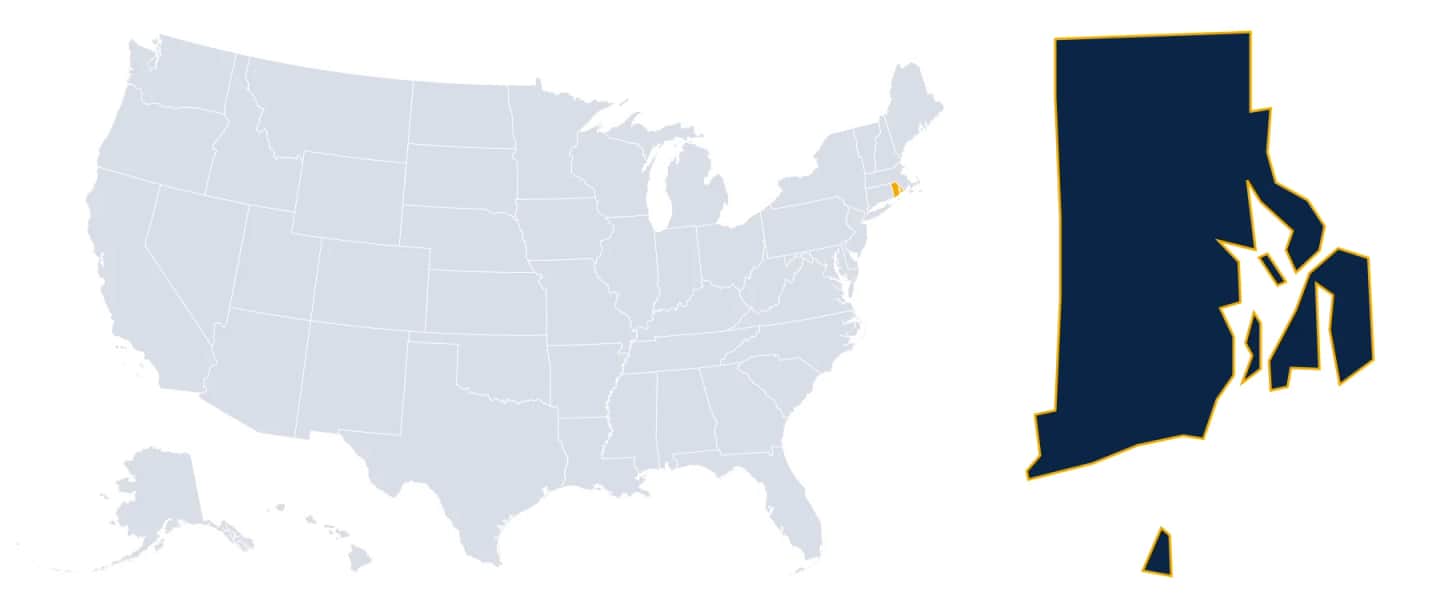
Rhode Island is small, old and surrounded by water. Providence’s hurricane barrier exists because the 1938 hurricane and Hurricane Carol in 1954 flooded downtown, the 2010 floods set records on the Pawtuxet River, and triple-deckers and colonial-era homes give the state some of the oldest wiring in the country. It is also home to the first offshore wind farm in the United States.
What Rhode Island weather does to electrical systems
The hazards that drive the most electrical calls here, and how homeowners prepare for them.
Hurricanes and tropical storms
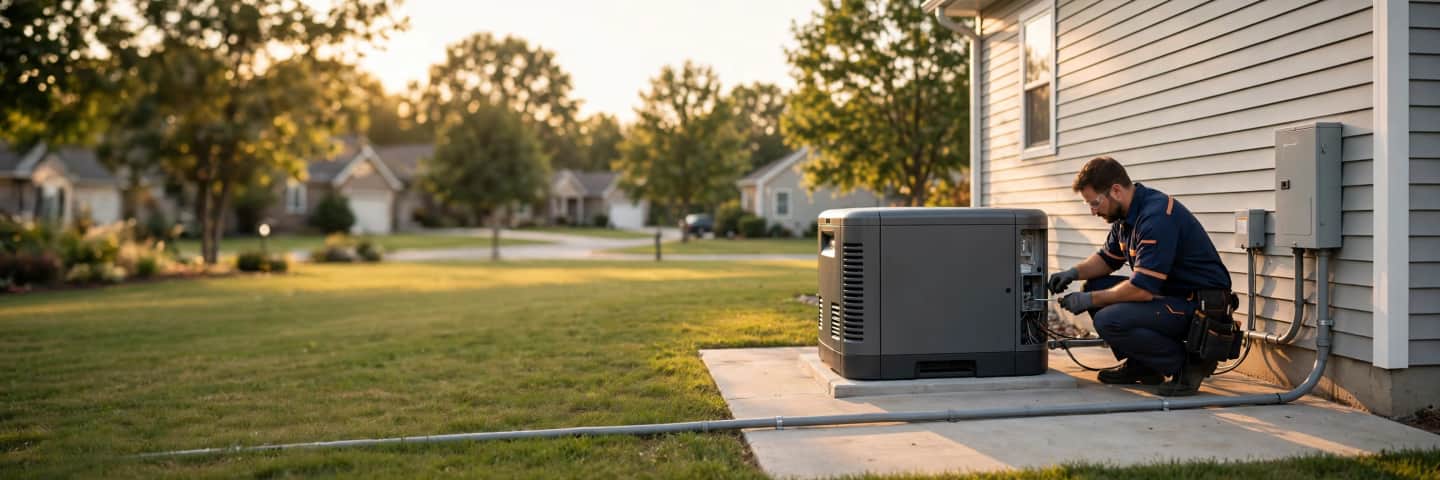
Long outages make backup power a priority. Standby generators with automatic transfer switches, or portable generators connected through a listed interlock, keep refrigeration, sump pumps and medical equipment running. Any equipment that was submerged must be inspected before re-energizing.
Heavy snow and wind cause outages when heating demand is highest. Generators, dedicated circuits for space heaters, and heat-tape circuits with GFCI protection are common winter projects. Avoid running heaters through extension cords or power strips.
Salt air corrodes exterior meter bases, disconnects, outdoor receptacles and AC disconnects faster than inland. Corrosion-resistant enclosures and periodic inspection of exterior connections extend their life.
Independent licensed electricians serve communities across Rhode Island.
Also serving
Providence
Warwick
Cranston
Pawtucket
State guide
Electrical work in Rhode Island
Rhode Island’s utilities
Rhode Island Energy, owned by PPL since 2022 after decades under National Grid, serves nearly all of the state. Block Island and the Pascoag area have their own small utilities. Customers can buy supply from competitive suppliers, but Rhode Island Energy owns the wires and meters and sets the requirements for service upgrades, solar interconnection and storm reconnection.
Licensing and permits
Rhode Island licenses electricians through the Department of Labor and Training’s Board of Examiners of Electricians, with Class A licenses for electrical contractors and Class B licenses for journeymen. Licenses can be verified online.
Each city and town issues electrical permits through its building official under the state building code, which adopts the National Electrical Code. Panel upgrades, new circuits, heat pumps, generators, EV chargers and solar require permits.
Hurricanes and the Providence barrier
The Great New England Hurricane of 1938 and Hurricane Carol in 1954 pushed storm surge into downtown Providence, leading to construction of the Fox Point Hurricane Barrier, completed in 1966. Hurricane Bob in 1991 and Superstorm Sandy in 2012 caused outages and coastal flooding along Narragansett Bay and the South County shore.
Coastal homes benefit from raised electrical equipment, corrosion-resistant enclosures and backup power. Equipment that has been underwater must be replaced.
The 2010 floods
In March 2010, heavy rains on saturated ground sent the Pawtuxet River to record levels, flooding homes and businesses in Cranston, Warwick and West Warwick. Basements flooded across the state. Keeping power off to flooded areas until an electrician has inspected them, and moving panels out of flood-prone basements during renovation, reduce danger and damage.
Triple-deckers and mill villages
Providence, Pawtucket, Central Falls and Woonsocket are filled with triple-deckers and multifamily houses built for mill workers between about 1880 and 1930. The Blackstone Valley’s mill villages have small homes from the same era. Each unit in a triple-decker usually has its own meter and panel, and old wiring, fuse panels and small services are common.
Converting a triple-decker to heat pumps or adding laundry and kitchens often means upgrading all three services and the meter bank in one project.
Newport and historic homes
Newport, Bristol, Warren and Providence’s College Hill contain some of the oldest houses in the country, from colonial homes to Gilded Age mansions. Rewiring them requires care around plaster, paneling and historic trim, and exterior changes in historic districts may need review by local commissions.
Nor’easters and outages
Nor’easters bring heavy snow, wind and coastal flooding, and wooded suburbs see tree-related outages. Generators connected through listed interlocks or transfer switches, and standby generators where natural gas is available, keep heat and sump pumps running.
Offshore wind and clean energy
The Block Island Wind Farm, which began operating in 2016, was the first offshore wind farm in the United States, and Rhode Island has set a goal of meeting all its electricity demand with renewable energy by 2033. For homeowners, the state offers incentives for heat pumps, EV chargers and rooftop solar.
Heat pumps and old houses
Replacing oil and gas heat with heat pumps is a growing trend. In older Rhode Island homes, the electrical service is often the limiting factor, so a load calculation should come first. Many projects pair the heat pump installation with a service upgrade.
Block Island and coastal summer homes
Block Island and the South County beaches have many seasonal homes exposed to salt air and wind. Exterior equipment corrodes quickly, and homes left empty through winter benefit from an electrical check before reopening.
Common electrical calls in Rhode Island
Frequent requests include triple-decker service upgrades, knob-and-tube replacement, heat pump circuits, generator installations, storm repairs, EV chargers and flood-damaged equipment replacement.
Smoke and carbon monoxide at sale
Rhode Island requires smoke and carbon monoxide alarm compliance when a home changes hands, typically verified by the local fire department before closing. Requirements depend on the home’s age and renovations, and many older houses need new hardwired or long-life alarms. Sellers often schedule an electrician early so the certificate does not hold up the sale.
Accessory units and three-family conversions
Rhode Island’s 2024 housing laws made it easier to add accessory dwelling units, and many owners are also restoring or converting multifamily houses. Each new unit needs its own panel or subpanel, alarms, and often its own meter, and the building’s service must be sized for everyone. Planning the electrical work with the utility early avoids delays.
EV charging without a driveway
In Providence, Pawtucket and Newport, many residents park on the street, which makes home EV charging difficult. Homes with a driveway, rear lot or garage can add a Level 2 charger, often after a load calculation for an older service. Running cords across sidewalks is not a safe or legal option.
Salt air in the Ocean State
With Narragansett Bay reaching deep into the state, salt air affects homes well inland, not just on the beach. Meter sockets, outdoor disconnects and air conditioner whips corrode, and outdoor outlets fail. Corrosion-resistant equipment and periodic inspection keep exterior electrical gear reliable.
Basement panels in flood-prone neighborhoods
Many Rhode Island homes have panels in basements that have flooded before — along the Pawtuxet, the Blackstone and in low-lying coastal neighborhoods. Relocating the panel to a higher floor during renovation, and adding a battery backup sump pump, reduce both damage and danger in the next flood.
Generators and neighborhood rules
Standby generators are common in suburban Rhode Island where natural gas is available, and portable generators with interlocks are common elsewhere. Dense neighborhoods may have setback and noise rules for generator placement, and installations need electrical and, for gas, fuel permits.
Older panels and buyer inspections
Rhode Island home inspections commonly flag fuse panels, older panels with known concerns, knob-and-tube wiring and ungrounded outlets. An electrician’s evaluation clarifies what must be fixed before closing.
Mill lofts and converted buildings
Many of Rhode Island’s 19th-century textile mills in Pawtucket, Providence, Woonsocket and the Blackstone Valley have been converted into lofts and condominiums. Their heavy timber or masonry construction, high ceilings and shared electrical rooms shape how individual owners can add circuits, EV chargers or heat pumps, usually with association approval.
Rising seas and the hurricane barrier
The Fox Point barrier protects downtown Providence from storm surge, but neighborhoods outside it and coastal towns face rising tides and more frequent nuisance flooding. Homeowners renovating in low areas increasingly move panels, meters and mechanical equipment upward.
Heat tape and older plumbing
Older Rhode Island homes with pipes in unheated basements and crawl spaces are vulnerable to freezing. Heat tape should be on a GFCI-protected circuit and checked each fall.
Newport mansions and summer cottages
Newport’s Gilded Age “cottages” and the shingled summer houses of Jamestown, Little Compton and Watch Hill have extensive, layered wiring added over a century of use. Updating them takes planning around historic interiors and, in many cases, seasonal occupancy schedules.
Lightning and surges
Summer thunderstorms and repeated outage-and-restoration cycles send surges through home wiring. A whole-home surge protective device at the panel is an inexpensive way to protect heat pumps, boilers and electronics.
Planning around the summer season
Coastal contractors are busiest before Memorial Day, so owners of beach houses often book electrical work in the fall or early spring.
Working with an electrician in Rhode Island
Verify the electrician’s license with the Department of Labor and Training, confirm a permit will be filed with your town’s building official, and get a written scope. For service upgrades, ask how the electrician will coordinate with Rhode Island Energy.
Electrical licensing and permits in Rhode Island are set by state and local authorities. The electrician confirms what applies to your project.
Services
Most requested in Rhode Island
Ranked by how many of this state’s climate risks each service addresses.
Connect with an independent licensed electrician near you
Smoke, flames or sparking? Leave the building and call 911 first.
Pronto Electrician is a free referral service. Calls are answered by independent licensed electricians in your area. Pronto Electrician does not perform electrical work, and the electrician you choose sets the price, schedule, permits and warranty.
Free to call · All 50 states + DC
Talk to a licensed electrician in Rhode Island
Describe the problem and get connected with an independent licensed electrician who serves your area.