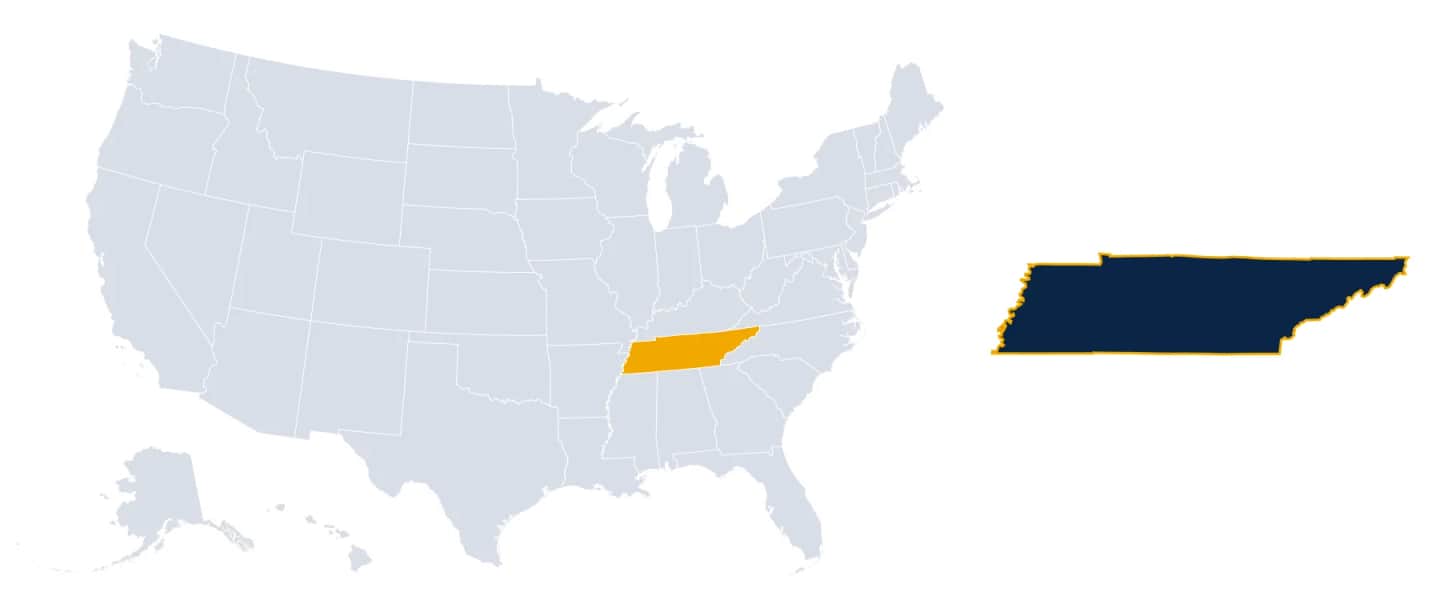
Tennessee’s power system is unlike almost any other state’s. Nearly all of it comes from the Tennessee Valley Authority, delivered by more than a hundred local power companies and cooperatives. Tornadoes, ice storms and floods regularly test that system, and in December 2022 TVA used rolling blackouts for the first time in its history. Rapid growth around Nashville and new auto and battery plants across the state add to the demand.
The hazards that drive the most electrical calls here, and how homeowners prepare for them.
Severe storms and tornadoes
Storm damage can tear service masts and meter bases from the home. After a storm, look for a leaning mast or pulled service cable and keep clear — the utility side stays energized. Repairs to the mast and meter base are usually the homeowner’s responsibility.
Ice accumulation brings down lines and trees across wide areas, often for days. Backup power planning matters, and overhead service drops near trees should be checked for damage after ice events.
Nearby strikes send surges through power and communication lines. A whole-home surge protective device at the panel, a sound grounding system and point-of-use protection for electronics reduce damage to appliances and HVAC controls.
The Tennessee Valley Authority generates and transmits power, but it does not serve homes directly. Instead, local power companies buy TVA power and deliver it: Nashville Electric Service in Nashville, Memphis Light, Gas and Water in Memphis, Knoxville Utilities Board in Knoxville and EPB in Chattanooga, along with dozens of city utilities and electric cooperatives such as Middle Tennessee Electric. A few areas in the northeast corner are served by other utilities.
Your local power company sets the requirements for service upgrades, meter changes, generator connections and solar interconnection, and its crews restore power after storms. Requirements can differ noticeably from one company to the next.
Licensing and electrical inspections
Tennessee licenses electrical contractors through the Board for Licensing Contractors. Contractors bidding larger projects need a contractor license with an electrical classification, while smaller jobs can be done by a limited licensed electrician registered with the state. You can verify both through the state’s license search.
Electrical permits and inspections are handled by large cities and counties that run their own programs — such as Metro Nashville, Memphis and Shelby County, Knoxville and Chattanooga — and, across most of the rest of the state, by the State Fire Marshal’s Office electrical inspection program. Ask your electrician which authority covers your address and who will request the inspection.
Tornadoes
Tennessee sees frequent tornadoes, including at night and in winter. In March 2020 a tornado tore through North Nashville, Germantown and East Nashville and continued into Putnam County, and in December 2023 tornadoes struck Clarksville and the Nashville suburbs. Wind and debris tear service drops off houses, bend masts and break meter bases.
After a storm, stay away from downed lines. Your power company repairs its lines, but the mast, weatherhead and meter base on your house must be repaired by an electrician, and often inspected, before reconnection.
Floods
The May 2010 flood swamped Nashville and much of Middle Tennessee, and in September 2024 Hurricane Helene caused catastrophic flooding in East Tennessee towns such as Erwin and Newport. Flash flooding is a recurring hazard throughout the state.
Electrical equipment that has been underwater — panels, breakers, outlets and appliances — generally must be replaced. Keep power off to flooded areas until an electrician has inspected the system, and consider raising equipment above flood levels during repairs.
Ice storms and winter peaks
Ice storms bring down trees and lines across Tennessee, and Memphis endured a damaging ice storm in February 2023 with widespread outages. On December 23 and 24, 2022, during Winter Storm Elliott, extreme demand led TVA to direct rolling outages for the first time.
Many Tennessee homes heat with heat pumps that rely on electric backup strips in hard freezes, which draw large currents. Checking the circuits and connections that feed backup heat, and having a plan for backup power, makes winter outages safer.
Heat, humidity and lightning
Long, humid summers keep air conditioners running, and thunderstorms bring frequent lightning. Surges damage heat pump control boards, appliances and electronics, so a whole-home surge protective device at the panel is a practical addition. Humidity causes corrosion and nuisance GFCI trips in crawl spaces, garages and outdoor outlets.
Tennessee housing
East Nashville, Germantown and Sylvan Park have early-1900s bungalows and Victorians, while Memphis neighborhoods such as Midtown, Cooper-Young and Central Gardens have large numbers of homes from the 1910s through the 1940s with original or partially updated wiring. Knoxville and Chattanooga have similar older neighborhoods near downtown.
Fast-growing suburbs around Nashville — Murfreesboro, Franklin, Spring Hill, Lebanon and others — are dominated by newer construction. Manufactured homes are common in rural counties, and many older homes sit over crawl spaces where moisture and rodents can damage wiring.
Growth, EVs and new industry
Tennessee has become a center of auto and battery manufacturing, and EV ownership is growing around Nashville, Chattanooga and Knoxville. EPB in Chattanooga built one of the country’s most advanced smart grids, which helps it isolate faults and restore power more quickly.
A Level 2 charger is straightforward in a newer home with a 200-amp service, but older homes with 100-amp panels and electric heat may need a load calculation and possibly a service upgrade.
West Tennessee and the New Madrid zone
West Tennessee, including Memphis, lies near the New Madrid seismic zone. A major earthquake is rare but possible, and after any significant quake, homeowners should check for meter bases pulled from walls, damaged masts, flickering lights or burning smells. The region’s flat farmland also exposes homes to severe straight-line winds.
East Tennessee mountains
In the Smoky Mountain foothills and the Cumberland Plateau, steep terrain and wooded rights-of-way make outages longer and service runs more complicated. Cabins and rental properties around Gatlinburg and Pigeon Forge see heavy use, and their hot tubs, outdoor lighting and decks need proper wet-location wiring and GFCI protection. Wildfire is also a risk, as the 2016 Gatlinburg fires showed.
Lakes and docks
TVA’s reservoirs — including Norris, Watts Bar, Chickamauga, Douglas and Kentucky Lake — and Corps of Engineers lakes like Percy Priest and Old Hickory are lined with homes that have docks and boat lifts. Faulty dock wiring can energize the water and create a risk of electric shock drowning. Dock circuits need ground-fault protection, correct bonding and wet-location wiring, and older docks should be inspected before summer.
Wells, crawl spaces and rural homes
Many rural Tennessee homes use private wells, and pumps stop when the power goes out. Generator plans should include the well pump’s starting load. Crawl spaces hide wiring that may be damaged by moisture or animals, and manufactured homes depend on outdoor meter pedestals and feeders that should be checked after storms.
Regional differences
West Tennessee combines Memphis’s older neighborhoods, flat farmland, ice storms and seismic risk. Middle Tennessee is growing fastest, with Nashville’s renovations, tornado exposure and new suburbs. East Tennessee has mountains, cabins, lakes, flood risk and long outage restoration in rural areas.
Common electrical calls in Tennessee
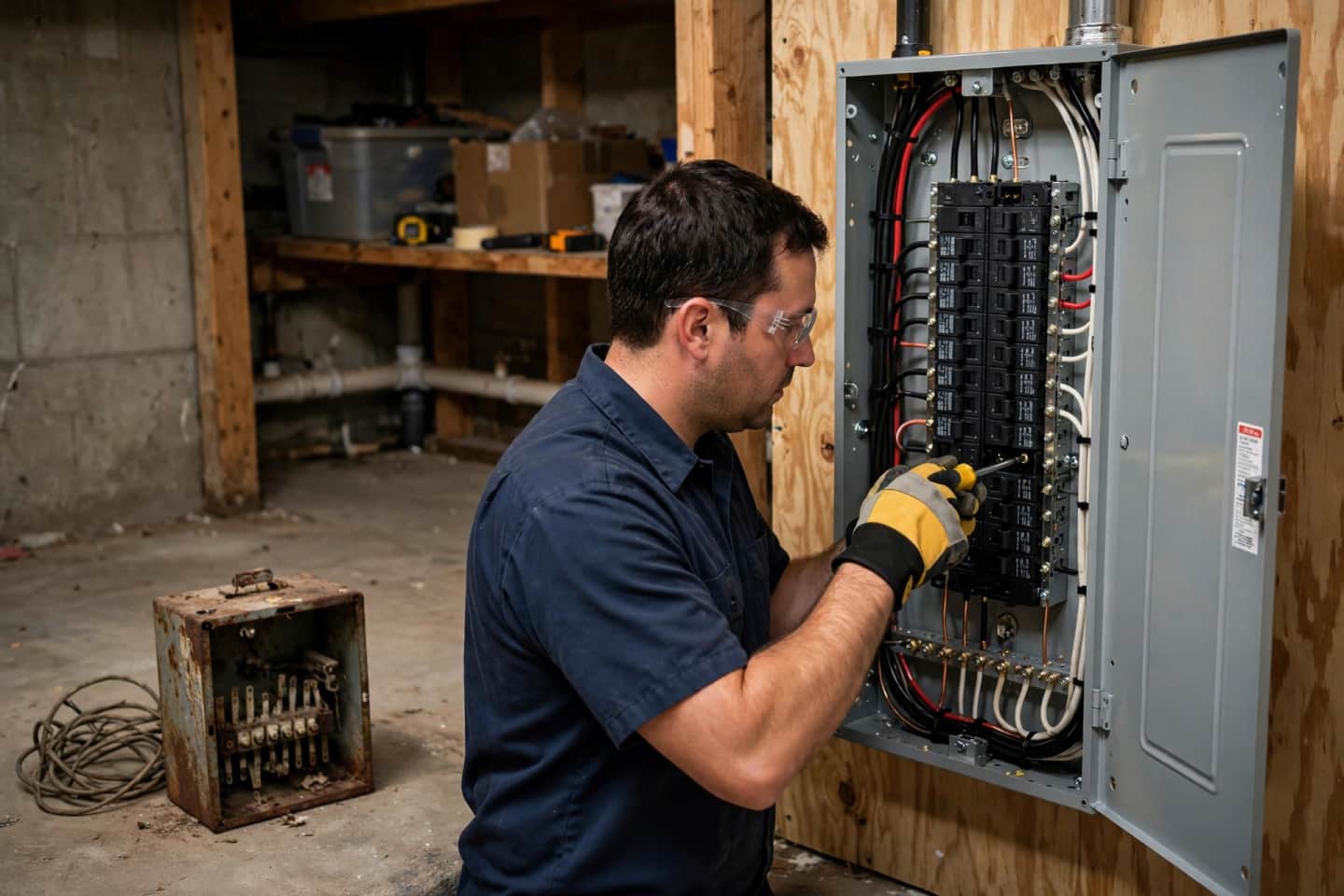
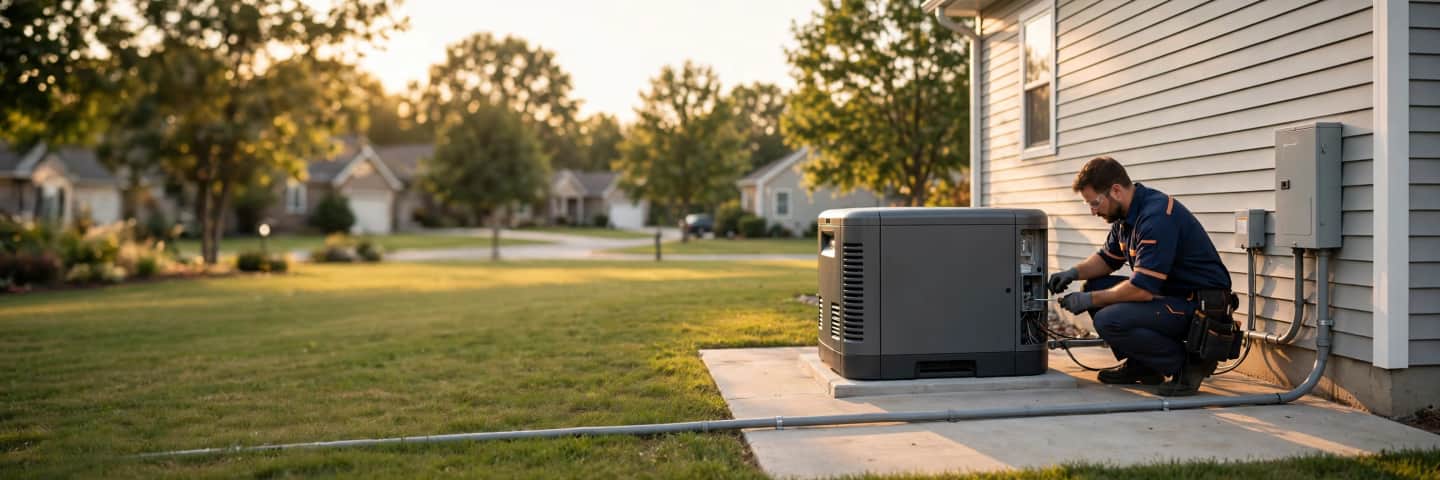
Frequent requests include generator and interlock installations, storm repairs to masts and meter bases, surge protection, panel upgrades for EV chargers and additions, rewiring older homes, heat pump backup heat circuits, dock wiring and flood-damaged equipment replacement. Spring storm season and early winter are the busiest times.
Short-term rentals in Nashville and the Smokies
Nashville and the Gatlinburg–Pigeon Forge area have large numbers of short-term rentals, many hosting big groups. Heavy use wears out outlets, switches and outdoor equipment, and hot tubs, string lights and outdoor kitchens add circuits that need GFCI protection and wet-location ratings. Metro Nashville requires short-term rental permits, and owners often schedule electrical checks between busy seasons to catch problems before guests do.
Buying an older Tennessee home
Home inspections in Memphis, Nashville, Knoxville and Chattanooga often flag ungrounded outlets, fuse panels, crawl-space wiring problems, missing GFCI protection and amateur additions. An electrician’s written evaluation separates urgent hazards from items that can be planned, and gives buyers a firm number to negotiate with before closing.
Surge protection in storm country
Because Tennessee storms so often bring both lightning and repeated outage-and-restoration cycles, a whole-home surge protective device is a sensible addition whenever an electrician is already working at the panel.
Working with an electrician in Tennessee
Verify the contractor license or limited licensed electrician registration, ask whether your city, county or the State Fire Marshal’s Office will inspect the work, and get a written scope. For service upgrades and storm repairs, ask how the electrician will coordinate with your local power company, whether that is NES, MLGW, KUB, EPB or a cooperative.
Electrical licensing and permits in Tennessee are set by state and local authorities. The electrician confirms what applies to your project.
Services
Most requested in Tennessee
Ranked by how many of this state’s climate risks each service addresses.
Connect with an independent licensed electrician near you
Smoke, flames or sparking? Leave the building and call 911 first.
Pronto Electrician is a free referral service. Calls are answered by independent licensed electricians in your area. Pronto Electrician does not perform electrical work, and the electrician you choose sets the price, schedule, permits and warranty.
Free to call · All 50 states + DC
Talk to a licensed electrician in Tennessee
Describe the problem and get connected with an independent licensed electrician who serves your area.