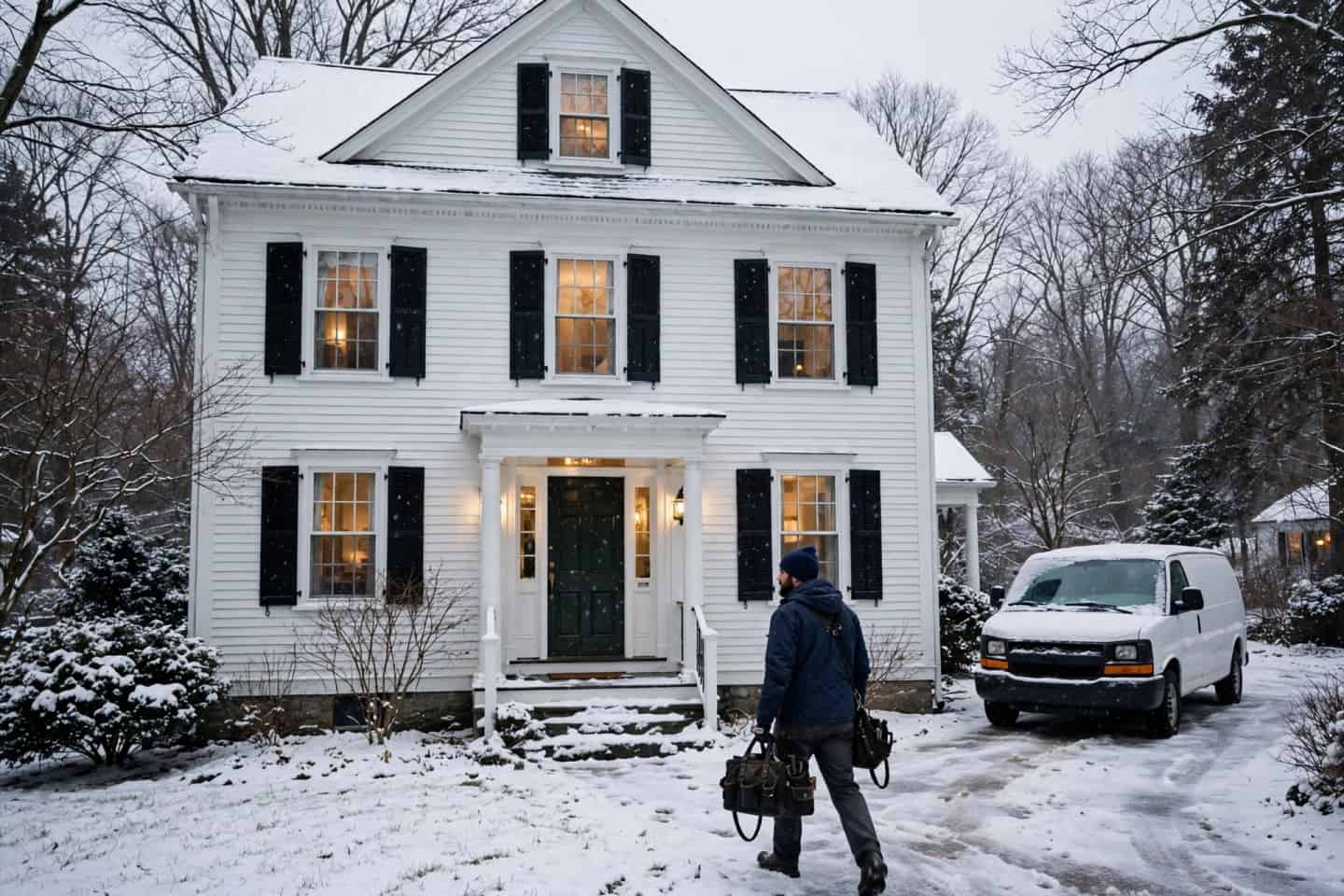
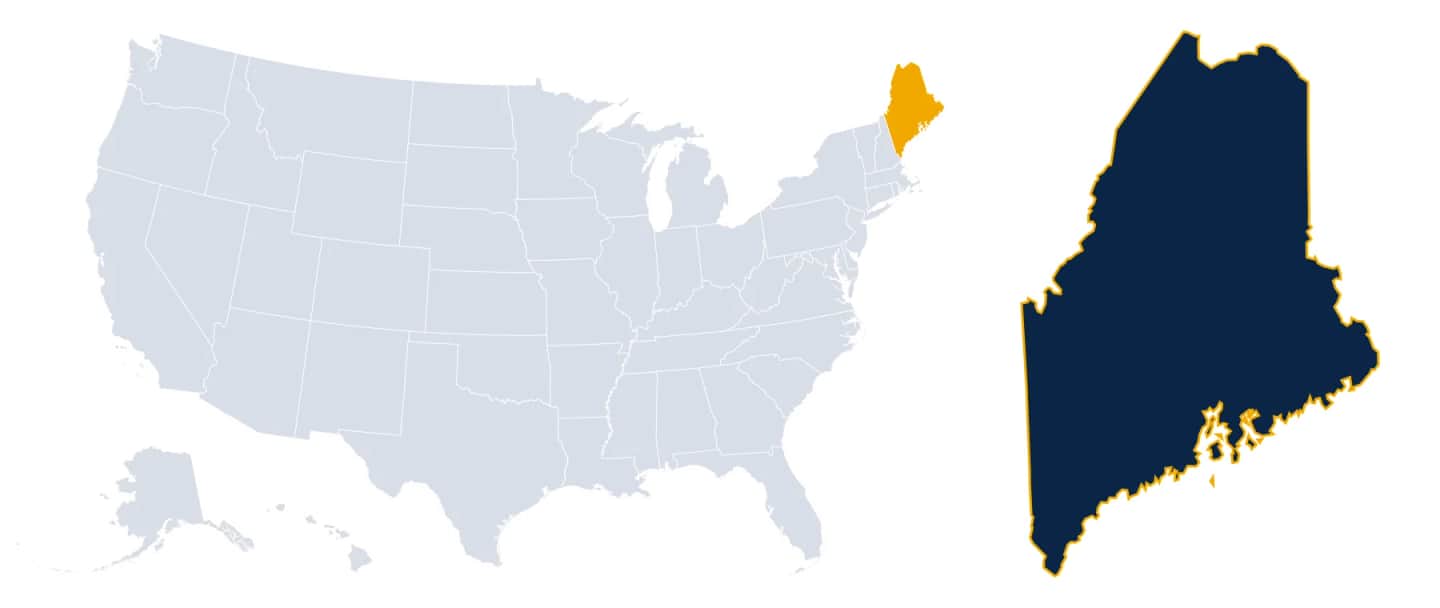
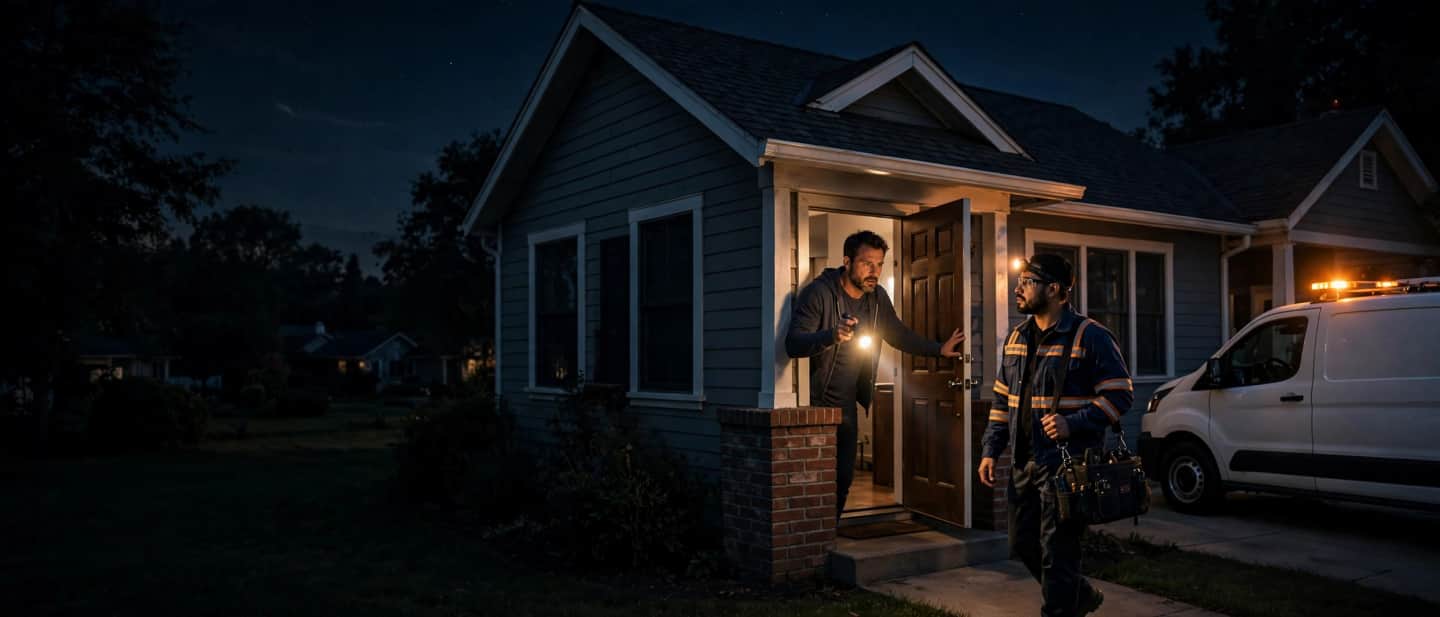
Maine has embraced heat pumps faster than almost anywhere in the country, even as it holds onto some of the oldest housing in the nation and some of its longest outages. The 1998 ice storm left parts of the state dark for weeks, and the December 2023 windstorm and the January 2024 coastal storms brought widespread outages, river flooding and damaged waterfronts.
The hazards that drive the most electrical calls here, and how homeowners prepare for them.
Winter storms and cold
Heavy snow and wind cause outages when heating demand is highest. Generators, dedicated circuits for space heaters, and heat-tape circuits with GFCI protection are common winter projects. Avoid running heaters through extension cords or power strips.
Ice accumulation brings down lines and trees across wide areas, often for days. Backup power planning matters, and overhead service drops near trees should be checked for damage after ice events.
Salt air corrodes exterior meter bases, disconnects, outdoor receptacles and AC disconnects faster than inland. Corrosion-resistant enclosures and periodic inspection of exterior connections extend their life.
Independent licensed electricians serve communities across Maine.
Also serving
Portland
Lewiston
Bangor
South Portland
Auburn
State guide
Electrical work in Maine
Maine’s utilities
Central Maine Power serves southern and central Maine, including Portland, Lewiston and Augusta, while Versant Power serves Bangor and northern and eastern Maine. A few municipal utilities and cooperatives serve individual towns and islands. Maine customers can choose an electricity supplier, but the delivery utility sets requirements for service upgrades, solar interconnection and storm reconnection.
Licensing and inspections
Electricians in Maine are licensed by the Electricians’ Examining Board, with master and journeyman licenses among others. Licenses can be checked online.
Electrical permits and inspections depend on the community: larger municipalities require permits and inspect work, while many small towns have no local electrical inspection. Where no one inspects, hiring a licensed electrician who follows the National Electrical Code is the homeowner’s safeguard.
The heat pump state
With strong rebates from Efficiency Maine, Maine reached its goal of 100,000 new heat pumps years ahead of schedule and set a higher one. Ductless mini-splits now warm living rooms from York to Aroostook County, often alongside an oil or propane boiler that handles the coldest nights.
Each heat pump needs its own circuit, and adding several units, a heat pump water heater and an EV charger can exceed an older 100-amp service. A load calculation tells whether a service upgrade is needed.
Ice storms and windstorms
The January 1998 ice storm coated much of Maine in thick ice and left hundreds of thousands of customers without power, some for weeks. On December 18, 2023, a powerful storm brought wind and heavy rain that knocked out power to a large share of the state and flooded the Kennebec and Androscoggin valleys. Falling trees on service drops are the root of most Maine outages.
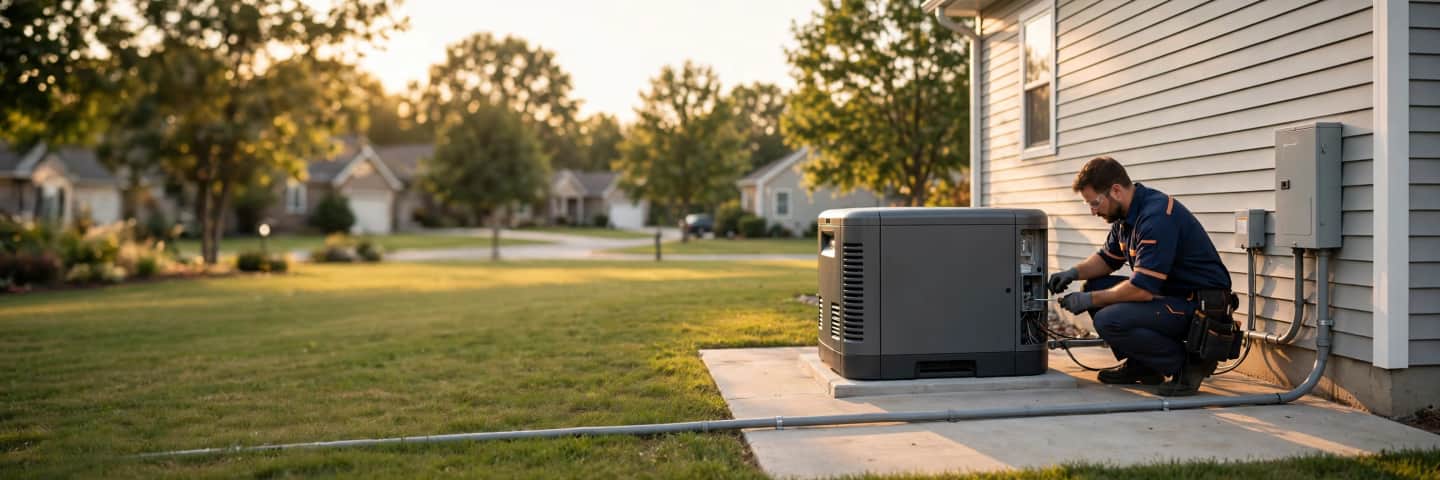
Generators are common, and must be connected through a listed interlock or transfer switch, never back-fed through an outlet.
Coastal storms and working waterfronts
In January 2024, back-to-back storms with record high tides damaged wharves, fish houses and waterfront homes along the coast. Electrical equipment on piers and in waterfront buildings faces salt, spray and flooding. Raising equipment, using corrosion-resistant enclosures and protecting dock circuits with ground-fault devices reduce damage and shock hazards.
Connected farms and old houses
Maine’s classic “big house, little house, back house, barn” farmsteads link the home to sheds and barns, and wiring often runs through all of them, sometimes on old cable that has been extended for generations. Maine has one of the oldest housing stocks in the country, and knob-and-tube wiring, fuse panels and small services are common.
Camps and lake homes
Thousands of seasonal camps line Maine’s lakes and ponds. Many have wiring added piecemeal over the decades, and they sit empty through winter. Opening camp is a good time to check for mouse damage, corroded outlets and failing GFCI devices, and docks need ground-fault protection.
Wood heat, oil boilers and power
Many Maine homes heat with oil or propane boilers and wood stoves. Boilers need electricity for burners, pumps and controls, so a generator plan should include the heating system. Wood stoves keep homes warm during outages but are not a substitute for keeping pipes from freezing in distant rooms.
Rural wells and long service runs
Most rural Maine homes rely on wells, and many sit at the end of long driveways with long service runs. When power fails, the water stops. A generator sized for the well pump’s starting load is one of the most valuable upgrades.
EVs and solar
EV adoption is growing in southern Maine, and rooftop and community solar have expanded under state programs. Cold winters reduce EV range, which makes home charging more important.
Common electrical calls in Maine
Frequent requests include heat pump circuits and service upgrades, generator and interlock installations, storm repairs, knob-and-tube replacement, camp wiring updates, waterfront electrical repairs and EV chargers.
Island electric service
Maine’s inhabited islands get power through undersea cables or local generation, and some have their own cooperatives, such as the Fox Islands Electric Cooperative serving Vinalhaven and North Haven. Getting an electrician and materials to an island means planning around ferry schedules and weather, and outages on islands can last longer than on the mainland. Backup power is especially valuable there.
Aroostook and the North Woods
Aroostook County and the North Woods have the coldest winters and the longest distances in Maine. Farms growing potatoes and other crops depend on storage buildings with ventilation and climate control, and homes sit at the end of long lines that are slow to restore. Generators sized for heat, wells and refrigeration are standard equipment.
Portland’s older neighborhoods
Portland’s Munjoy Hill, West End and Parkside neighborhoods are full of Victorian homes and multifamily buildings from the late 1800s and early 1900s. Many have been converted to condominiums and apartments, with old wiring, small services and shared meter banks. Adding heat pumps or EV chargers often means coordinating with other owners and upgrading the building’s service.
Snow load and ice dams
Heavy snow loads damage service masts and weatherheads, and ice dams form on poorly insulated roofs. Roof heating cables need GFCI-protected circuits and proper controls, and service masts should be braced to handle snow sliding off metal roofs.
Mobile homes and rural housing
Manufactured homes are common in rural Maine. They are typically fed from an outdoor meter post through a feeder that is exposed to frost heave, plows and storms. Inspecting the post and feeder after winter, and updating older panels, prevents failures.
Frozen pipes and heat tape
Pipes in crawl spaces, mobile home skirting and exterior walls freeze during Maine cold snaps. Heat tape on dedicated GFCI-protected circuits, installed as the manufacturer directs and checked each fall, is safer than improvised solutions.
Insurance and old wiring
Some insurers ask about knob-and-tube wiring and fuse panels in older Maine homes, and buyers often negotiate repairs before closing. An electrician’s written assessment shows exactly which circuits remain and what replacement involves.
Lewiston, Biddeford and mill towns
Lewiston-Auburn, Biddeford-Saco, Waterville and other river mill towns have tenement buildings and multifamily homes built for mill workers. Many have been renovated into apartments, while others still carry century-old wiring. Landlords commonly need panel upgrades, alarms and GFCI protection.
Generators and fuel
Generators are found in a large share of Maine homes. Propane standby units are popular where there is no natural gas, and portable generators connected through an interlock are common on a budget. In winter, generators must be cleared of snow and kept well away from windows and doors.
Solar in a cold climate
Rooftop solar works well in Maine’s cold, clear weather, though snow covers panels for parts of the winter. Many homeowners pair solar with heat pumps to offset winter electric heating costs.
Lightning and surges
Summer thunderstorms bring lightning to inland Maine, and restoration after storms produces surges. A surge protective device at the panel protects heat pumps, boiler controls and well pumps.
Mud season and outdoor work
Spring mud season makes driveways and yards hard to dig, so trenching for garage feeders or EV charger runs is best planned for summer or early fall, before the ground freezes again.
Waterfront camps and docks
Docks at lake camps and coastal cottages need ground-fault protection so a wiring fault cannot energize the water around swimmers.
Working with an electrician in Maine
Confirm the electrician’s license, ask whether your town requires a permit and inspection, and get a written scope. For heat pumps, ask about Efficiency Maine rebates. For service upgrades, ask how the electrician will coordinate with Central Maine Power, Versant Power or your local utility.
Electrical licensing and permits in Maine are set by state and local authorities. The electrician confirms what applies to your project.
Services
Most requested in Maine
Ranked by how many of this state’s climate risks each service addresses.
Connect with an independent licensed electrician near you
Smoke, flames or sparking? Leave the building and call 911 first.
Pronto Electrician is a free referral service. Calls are answered by independent licensed electricians in your area. Pronto Electrician does not perform electrical work, and the electrician you choose sets the price, schedule, permits and warranty.
Free to call · All 50 states + DC
Talk to a licensed electrician in Maine
Describe the problem and get connected with an independent licensed electrician who serves your area.