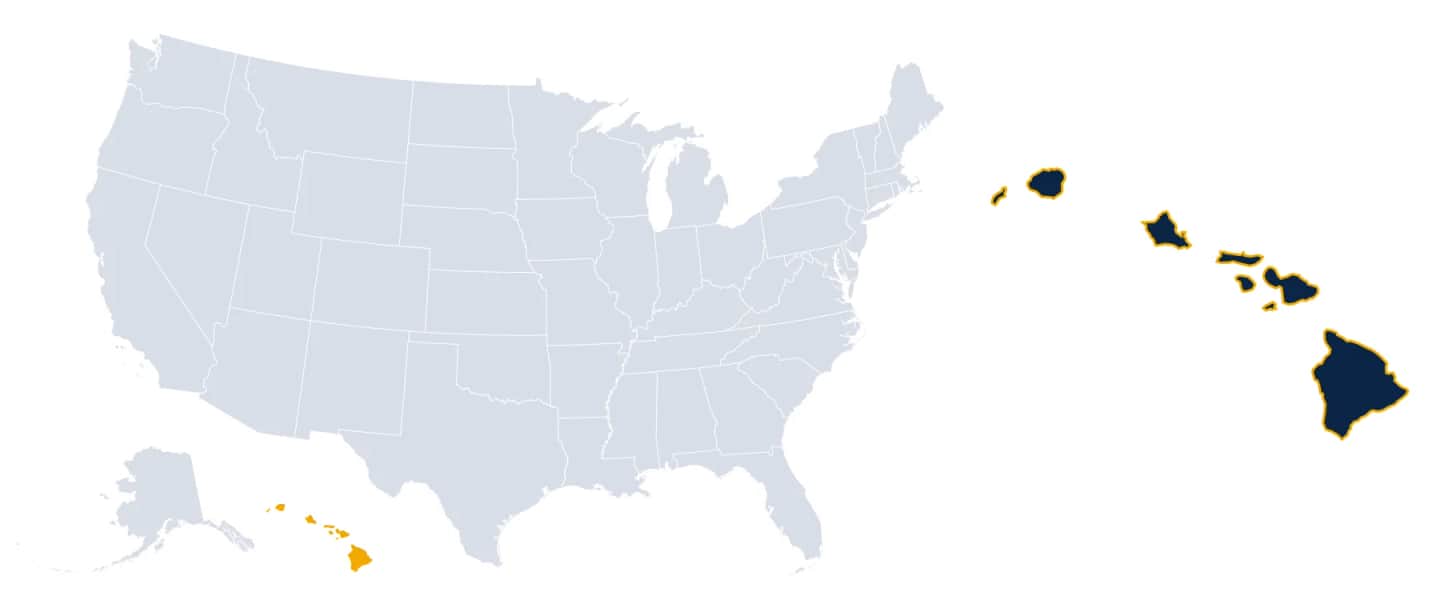
Hawaii pays the highest electricity prices in the country, runs separate grids on each island, and has a state law requiring 100 percent renewable electricity by 2045. Rooftop solar and home batteries are everywhere, salt air corrodes everything metal, and the August 2023 Lahaina fire changed how the islands think about wildfire and power lines.
The hazards that drive the most electrical calls here, and how homeowners prepare for them.
Hurricanes and tropical storms
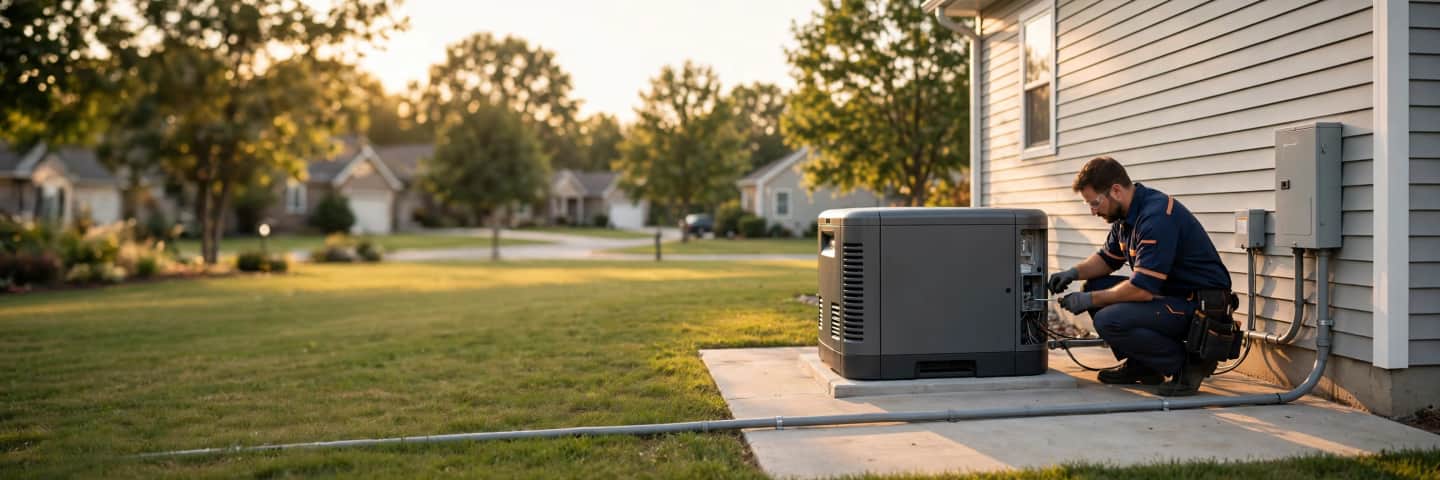
Long outages make backup power a priority. Standby generators with automatic transfer switches, or portable generators connected through a listed interlock, keep refrigeration, sump pumps and medical equipment running. Any equipment that was submerged must be inspected before re-energizing.
Salt air corrodes exterior meter bases, disconnects, outdoor receptacles and AC disconnects faster than inland. Corrosion-resistant enclosures and periodic inspection of exterior connections extend their life.
Hawaiian Electric serves Oahu, Maui County and Hawaii Island, while the Kauai Island Utility Cooperative, owned by its members, serves Kauai. Each island has its own isolated grid with no connection to the others, which means each must balance supply and demand on its own. That isolation is one reason electricity costs so much and one reason the utilities pay close attention to how much solar is exported to their grids.
Licensing and permits
Hawaii licenses electricians through the Board of Electricians and Plumbers, and electrical contractors through the Contractors License Board. You can check both on the Department of Commerce and Consumer Affairs website.
Each county — Honolulu, Maui, Hawaii and Kauai — issues building and electrical permits through its own permitting office. Solar, batteries, panel upgrades and new circuits require permits, and solar and battery systems also require utility approval.
Solar, batteries and the 2045 goal
Hawaii was the first state to set a 100 percent renewable electricity goal, and its rooftop solar adoption is among the highest in the country. The original net metering program closed to new customers years ago, and newer programs credit exported solar differently or encourage batteries that discharge to the grid in the evening. Today, most new solar systems are installed with batteries.
Battery systems require careful electrical design, a permit, and utility interconnection approval. Many include a backup panel that powers essential circuits during an outage.
The Lahaina fire and power shutoffs
On August 8, 2023, a wind-driven wildfire destroyed most of Lahaina and killed more than one hundred people, the deadliest U.S. wildfire in over a century. Since then, Hawaiian Electric has begun shutting off power in high-risk areas during extreme wind and dry conditions. Homes in those areas benefit from battery backup and from keeping dry vegetation away from service equipment.
Rebuilding in Lahaina and Kula involves new services, panels and wiring designed to current codes, often with solar and batteries from the start.
Salt air and humidity
Constant trade winds carry salt across every island, and corrosion attacks meter bases, panels, outdoor disconnects, air conditioning equipment and outlets. Green or white corrosion, sticky breakers and nuisance GFCI trips are common symptoms. Stainless or corrosion-resistant enclosures, sealed fittings and regular inspection extend equipment life, especially near the ocean.
Single-wall homes and exposed wiring
Many older Hawaii homes, especially plantation-era houses, were built with single-wall construction — wooden walls without wall cavities. Wiring in these homes often runs on the surface in raceways or through the ceiling, and adding circuits means planning neat surface runs. Termites can damage wood framing that supports panels and boxes, which is worth checking during any renovation.
Hurricanes and storms
Hurricane Iniki devastated Kauai in 1992, and Hurricane Lane brought record rainfall and flooding to Hawaii Island in 2018. Kona storms bring heavy rain and wind in winter. Flash floods damage ground-level equipment, and high winds damage service drops. Battery backup and secure service equipment help homes through storms.
Volcanoes and tsunamis
The 2018 Kilauea eruption destroyed hundreds of homes in lower Puna on Hawaii Island, and vog from volcanic activity contributes to corrosion. Coastal homes on every island sit in tsunami evacuation zones. Knowing how to shut off power before evacuating, and having backup power for return, are practical preparations.
Air conditioning in a warming climate
Many island homes were built without air conditioning, relying on trade winds. As summers have grown hotter, split systems and window units have become common, often added to homes with small services. A load calculation helps size new cooling against the existing panel, and pairing new AC with solar and batteries offsets Hawaii’s high rates.
EVs on the islands
Short driving distances and high gasoline prices make EVs popular in Hawaii. A Level 2 charger is often enough, and many owners schedule charging during the day to use their own solar. Condominium owners need association approval and often shared charging plans.
Condominiums in Honolulu
A large share of Oahu residents live in condominiums, where solar, EV chargers and panel changes involve the association and the building’s electrical capacity. Older high-rises may need building-wide upgrades before many owners can add chargers.
Common electrical calls in Hawaii
Frequent requests include solar and battery installations, panel upgrades, corrosion repairs, new air conditioning circuits, EV chargers, ceiling fans, surge protection and rewiring of older plantation-era homes.
Kauai’s solar-plus-storage grid
The Kauai Island Utility Cooperative has built one of the most renewable island grids in the world, relying heavily on large solar-plus-battery projects and hydropower. For Kauai homeowners, the cooperative’s rules on rooftop systems and export determine how new solar and batteries should be configured, so it is worth confirming current programs before buying equipment.
Rural Hawaii Island and catchment homes
In Puna, Ka‘u and other rural parts of Hawaii Island, many homes collect rainwater in catchment tanks and pump it into the house, and some are off-grid entirely. Pumps, UV filters and off-grid solar systems need dependable wiring, grounding and protection from humidity and vog-driven corrosion. Long drives also make it wise to plan electrical work in well-defined visits.
Termites and wood framing
Drywood and subterranean termites are a constant problem in Hawaii, and they can weaken the wood that supports panels, boxes and fixtures. During renovations, electricians often find damaged framing behind panels and in walls. Treating termite damage before installing new electrical equipment keeps boxes and panels solidly mounted.
Ceiling fans and trade-wind cooling
Many island homes rely on ceiling fans and cross-ventilation rather than full air conditioning. Fans must hang from fan-rated boxes, and adding them to single-wall homes takes careful surface wiring. Fans paired with modest split systems keep homes comfortable without the high cost of running air conditioning all day.
Generators versus batteries
Generators are less common in Hawaii than on the mainland because fuel is costly, noise carries in dense neighborhoods and batteries pair naturally with the islands’ abundant solar. For homes in power shutoff areas or with medical needs, a battery backup panel covering refrigeration, lights, communications and medical equipment is often the preferred choice.
Buying an older island home
Inspections of older Hawaii homes often find corroded panels and meter sockets, ungrounded circuits, undersized services, termite-damaged framing and DIY additions. An electrician’s written evaluation helps buyers plan repairs and decide whether solar and batteries should be part of the update.
Ohana units and multigenerational homes
Multigenerational living is common in Hawaii, and counties allow ohana and accessory units on many residential lots. Each added unit needs its own circuits and often a subpanel or separate meter, along with smoke alarms, and the combined load of two households, air conditioning and EV charging must fit the service.
Vog and corrosion
Volcanic emissions on Hawaii Island, carried by winds to other islands at times, add acidic moisture to the salt in the air, speeding corrosion of exposed copper and steel. Regular cleaning and inspection of outdoor panels, disconnects and solar wiring is part of island maintenance.
Hurricane season planning
Hawaii’s hurricane season runs from June through November. Before it starts, check that battery systems are charged and set to reserve capacity, confirm how to shut off the main breaker, and secure outdoor equipment that could become a projectile in high winds.
Working with an electrician in Hawaii
Verify the electrician’s and contractor’s licenses, ask who will obtain the county permit and utility approval, and get a written scope. For solar and batteries, ask which utility program the system will use and how it will perform during an outage.
Electrical licensing and permits in Hawaii are set by state and local authorities. The electrician confirms what applies to your project.
Services
Most requested in Hawaii
Ranked by how many of this state’s climate risks each service addresses.
Connect with an independent licensed electrician near you
Smoke, flames or sparking? Leave the building and call 911 first.
Pronto Electrician is a free referral service. Calls are answered by independent licensed electricians in your area. Pronto Electrician does not perform electrical work, and the electrician you choose sets the price, schedule, permits and warranty.
Free to call · All 50 states + DC
Talk to a licensed electrician in Hawaii
Describe the problem and get connected with an independent licensed electrician who serves your area.