
01
Salt air corrosion
Trade winds carry salt across the city, corroding meters, panels, outdoor outlets, condensers and solar connections far faster than on the mainland.
Electrical Repair & Troubleshooting
Honolulu sits on the south shore of Oahu between the Koolau mountains and the Pacific. Hawaiian Electric supplies power on an island grid with no connection to the mainland, and Hawaii pays some of the highest electricity rates in the country. Salt air, tropical storms, single-wall plantation-style homes, high-rise condos and one of the highest rates of rooftop solar anywhere shape electrical work here.
Free to call · Independent licensed electricians
Serving Kaimuki, Manoa, Makiki, Kalihi, Kahala, Waikiki and every other Honolulu neighborhood.
Honolulu at a glance
Electrical services in Honolulu
The calls Honolulu homeowners make most, followed by every service independent licensed electricians handle here.
Not sure which service you need? Describe the problem and an electrician will tell you.
Call for Electrical Service in HonoluluHousing and wiring
Kaimuki, Manoa, Makiki and Kalihi have single-wall and plantation-style homes from the 1920s through the 1950s, many on post-and-pier foundations. Kahala and Hawaii Kai have larger homes from the 1950s onward, and Waikiki, Ala Moana and Kakaako are dominated by high-rise condominiums.
Neighborhoods we cover
Local issues
Problems that come up again and again in local homes, and the service that fixes each one.
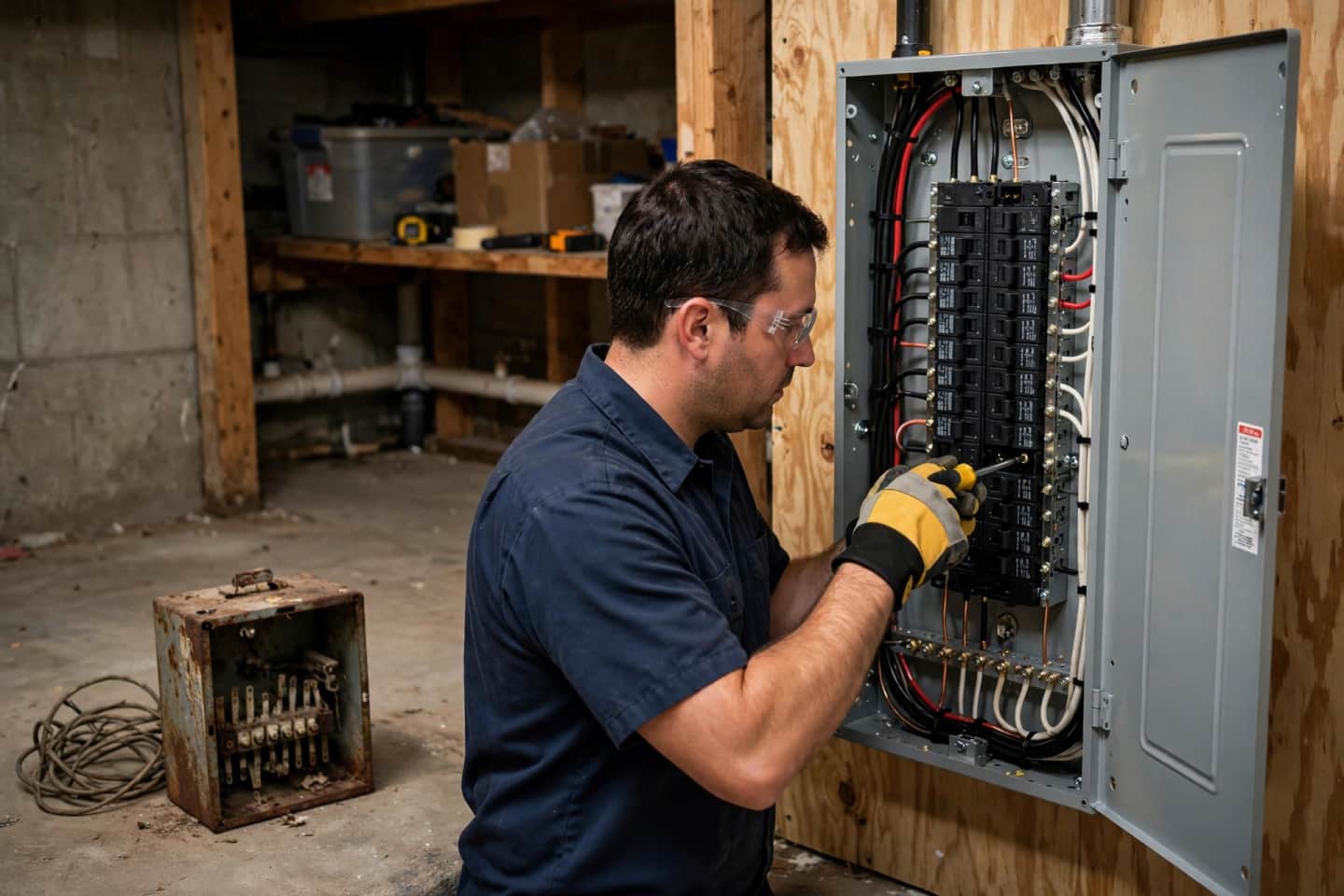
Trade winds carry salt across the city, corroding meters, panels, outdoor outlets, condensers and solar connections far faster than on the mainland.
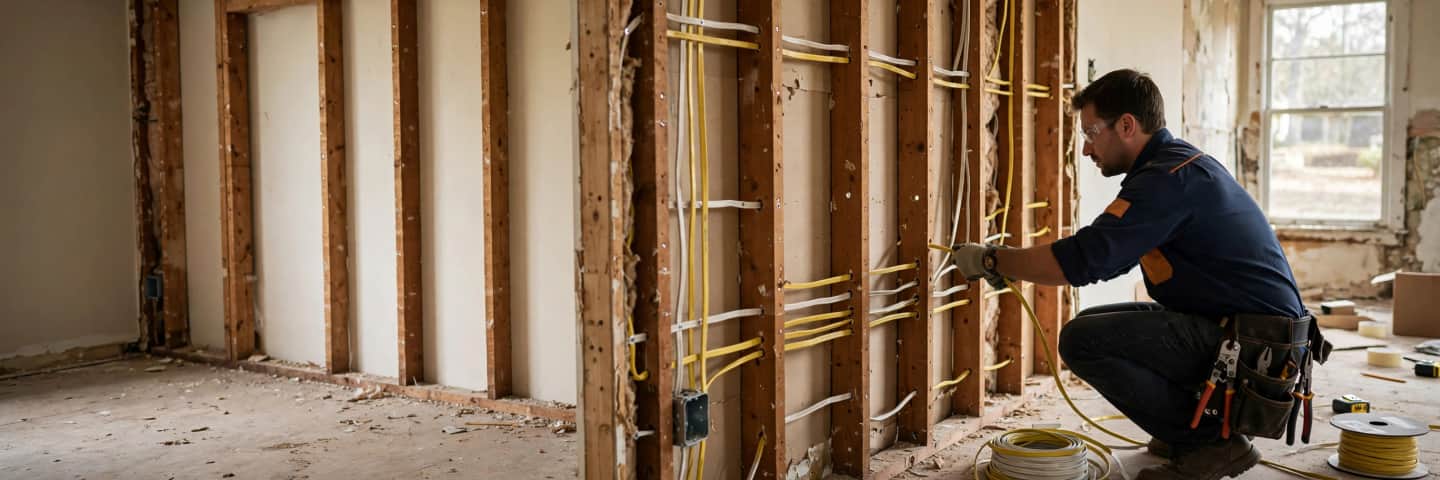
Electrical Repair & TroubleshootingMany older homes have single-wall construction with no wall cavities, so wiring runs in surface raceway or through the crawl space and attic.
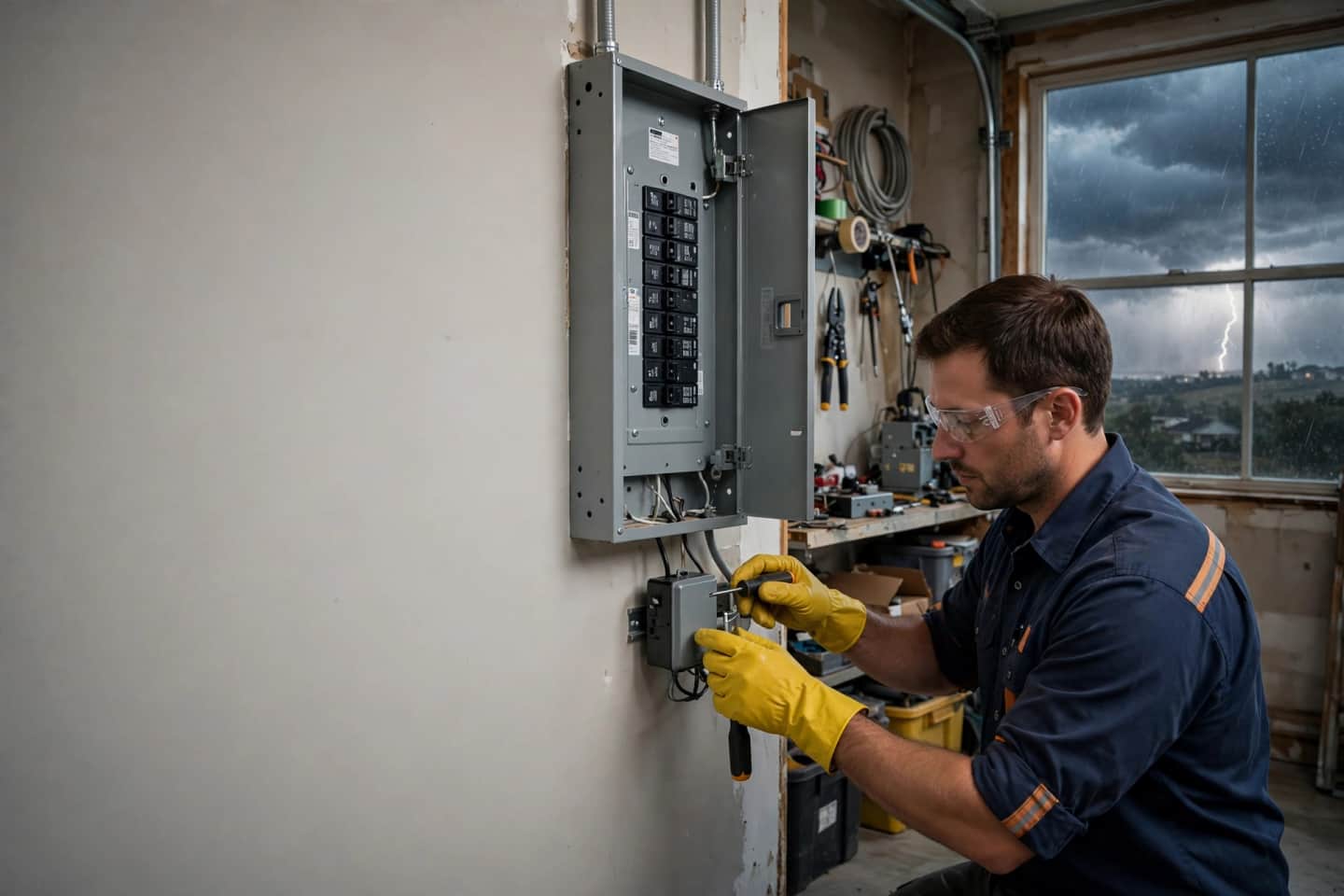
House RewiringRooftop solar is everywhere in Honolulu, and new systems commonly include batteries under Hawaiian Electric’s current programs. Older panels often need upgrades first.
Electrical Panel UpgradeLocal guide
History, housing, weather and rules that shape electrical work in Honolulu, HI.
Oahu’s electric grid stands alone, with no connection to other islands or the mainland. Hawaiian Electric has historically relied on imported oil, which is a major reason Hawaii’s electricity rates are among the highest in the country. The state has set a goal of 100 percent renewable electricity by 2045, and rooftop solar, utility-scale solar and battery storage are central to that plan. For homeowners, high rates make efficient equipment, solar and batteries especially valuable.
The City and County of Honolulu covers the entire island of Oahu, from urban Honolulu to the North Shore. A single department, Planning and Permitting, handles building and electrical permits for the whole island. Long permit waits have been a frequent complaint, so homeowners planning panel upgrades, solar or renovations should build permit time into their schedules.
Many older Honolulu homes were built with single-wall construction, in which vertical boards form both the exterior and interior walls without a stud cavity. Without hollow walls, wiring cannot be hidden in the usual way. Electricians run circuits in surface-mounted raceway, through the crawl space beneath raised floors or across the attic, and must protect wiring from termites and moisture.
Kaimuki, on the slopes above Diamond Head, has bungalows and cottages from the 1920s through the 1940s along Waialae Avenue. Many have been expanded with additions and ohana units. Original wiring, small panels and surface-mounted circuits are common, and remodels often require service upgrades.
Manoa Valley, home of the University of Hawaii, gets far more rain than the coast, keeping the valley green and damp. Moisture is hard on outdoor electrical equipment and crawl space wiring. In October 2004, a flash flood surged through lower Manoa and the university campus, damaging homes and the university library. Homes near streams should keep equipment elevated.
Makiki, between downtown and the mountains, mixes older homes with walk-up apartment buildings from the 1950s through the 1970s. Kalihi, west of downtown, has some of the city’s most densely settled older neighborhoods, home to many immigrant and multigenerational families. Older homes there often have overloaded circuits serving large households, and panel upgrades and new circuits improve safety.
Kahala, east of Diamond Head, has large homes near the beach, and Hawaii Kai, developed by Henry J. Kaiser from the 1960s, has homes along marinas and canals. Waterfront homes face constant salt exposure, and docks and boat lifts need wet-location wiring and ground-fault protection.
Waikiki, Ala Moana and Kakaako are dominated by high-rise condos and hotels. Owners need association approval for electrical changes, and older buildings may have limited capacity for added air conditioning or EV charging. Many condo associations are updating electrical systems to support chargers in shared garages.
Trade winds carry salt spray across Honolulu, and constant sun breaks down plastic covers and cable jackets. Meters, outdoor disconnects, condensers and solar connections corrode quickly. Corrosion-resistant equipment, sealed enclosures and regular inspection extend the life of outdoor electrical systems.
Hawaii has one of the highest shares of homes with rooftop solar in the country, and Honolulu neighborhoods are covered with panels. Early systems were installed under net metering programs that have since closed to new customers. Newer programs encourage batteries so homes can store solar power and use or export it when it is most valuable. Older homes may need panel upgrades to add solar and storage.
Many older Honolulu homes were designed to stay cool with trade winds, jalousie windows and ceiling fans. As summers have grown hotter, more homeowners are adding split air conditioning systems. Each unit needs a dedicated circuit, and older panels often need upgrades to handle the new load.
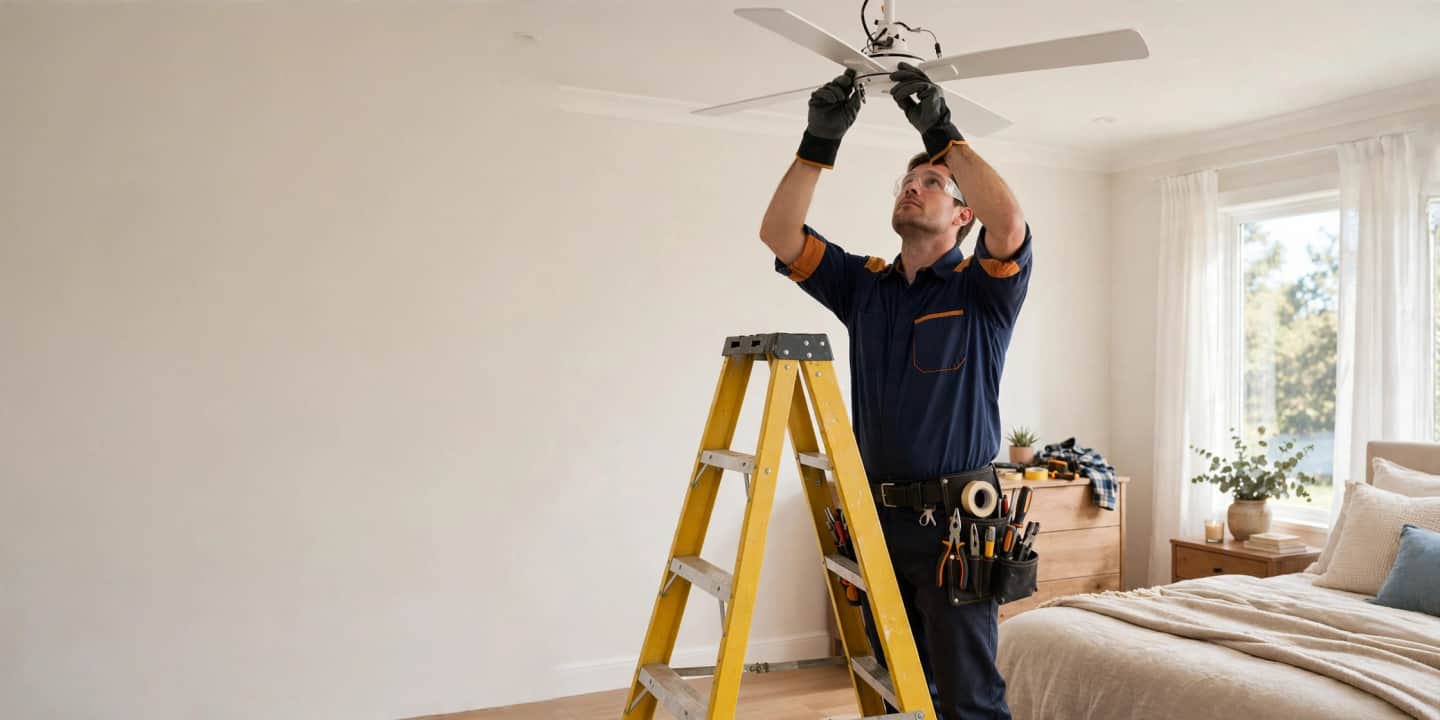
Ceiling fans remain the most efficient way to stay comfortable in Honolulu. Fans need properly rated boxes, and in single-wall homes the wiring often runs across the ceiling in raceway. Outdoor lanai fans must be rated for damp or wet locations.
Hurricane Iwa in 1982 and Hurricane Iniki in 1992 caused major damage in Hawaii, and close calls such as Hurricane Lane in 2018 brought heavy rain. Kona storms from the south can also bring flooding and wind. Batteries, generators connected through proper transfer equipment and surge protection help households ride out outages.
Honolulu allows ohana units and accessory dwelling units on many lots, helping families house relatives in an expensive market. Each unit needs adequate electrical capacity, often a subpanel and sometimes a separate meter, all permitted through the city.
Joint Base Pearl Harbor-Hickam and other installations bring many military families to Honolulu. Frequent moves create a large rental market, and landlords regularly update outlets, alarms and ground-fault protection between tenants.
Short driving distances and high gasoline prices make EVs popular in Honolulu. Homes with carports can add weather-rated chargers, while condo residents depend on association-approved charging in shared garages.
Inspection reports for older Honolulu homes commonly note corroded panels and meters, ungrounded outlets, surface wiring added without permits, termite damage near wiring and outdated panels unable to accept solar.
Typical work includes corrosion repairs, panel upgrades for solar and batteries, rewiring single-wall homes, split air conditioning circuits, ceiling fans, ohana unit subpanels and surge protection.
Formosan subterranean termites are a constant threat in Honolulu, and homes are periodically tented for fumigation. Termite damage to posts, beams and sill plates can loosen boxes and conduit straps, and fumigation crews may disturb exterior equipment. A quick electrical check after major termite repairs makes sure wiring is still secure and protected.
Because electricity is expensive, Honolulu homeowners pay close attention to efficiency. Heat pump water heaters cut water heating costs dramatically compared with older electric tanks, and induction cooktops are replacing gas ranges in some homes. Both need correct circuits, and a panel upgrade may be needed when adding several new loads at once.
Nuuanu, rising from downtown toward the Pali, is cooler and wetter than the coast, with older estates, cottages and mature trees. Heavy rain, falling branches and damp crawl spaces are the main electrical concerns there, and long service drops through dense vegetation are prone to storm damage.
Questions
The City and County of Honolulu Department of Planning and Permitting issues building and electrical permits for all of Oahu. Permit processing times can be long, so plan projects early.
Yes. Hawaii’s Board of Electricians and Plumbers, part of the Department of Commerce and Consumer Affairs, licenses electricians, and contractors are licensed separately.
Problem guides
 Breaker Keeps TrippingWhy does my circuit breaker keep tripping?
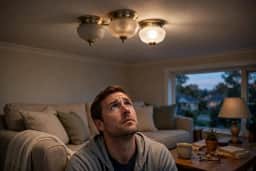 Flickering LightsWhy are the lights in my house flickering?
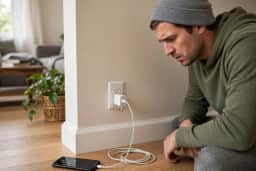 Outlet Not WorkingWhy did my outlet suddenly stop working?
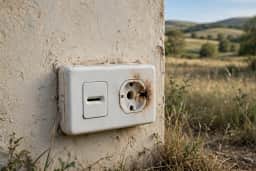 Burnt or Scorched OutletWhat should I do if an outlet has burn marks?
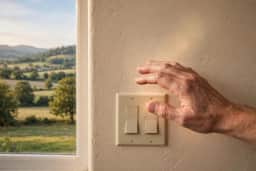 Warm Light SwitchIs it normal for a light switch to feel warm?
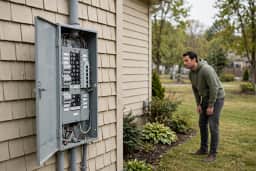 Buzzing Electrical PanelWhy is my electrical panel buzzing?
Same-day help often available
Call an electrician in Honolulu
Describe the problem and your Honolulu neighborhood. Your call goes to an independent licensed electrician who works locally.
Call (855) 679-2483Smoke, flames or sparking? Leave the building and call 911 first.
Pronto Electrician is a free referral service. Calls are answered by independent licensed electricians in your area. Pronto Electrician does not perform electrical work, and the electrician you choose sets the price, schedule, permits and warranty.
Free to call · All 50 states + DC
Describe the problem and get connected with an independent licensed electrician who serves your area.