01
Knob-and-tube and tiny services
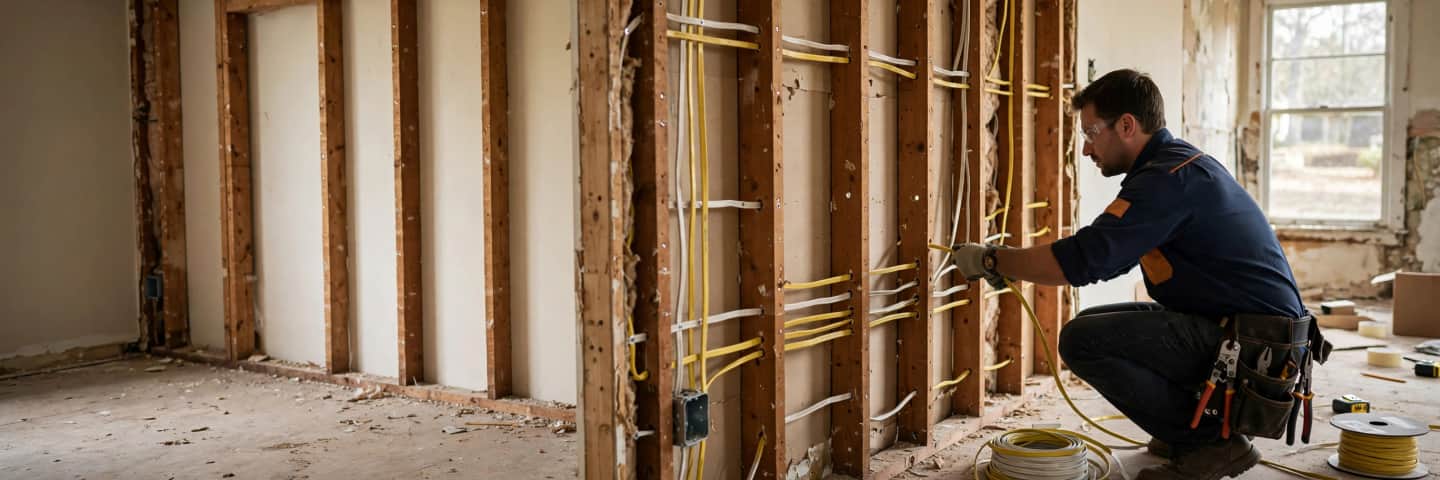
Many Victorians and Edwardians still have knob-and-tube wiring and services of 60 amps or less. Electrification projects almost always start with a service upgrade.
House Rewiring
San Francisco’s housing was largely rebuilt after the 1906 earthquake and fire, and its Victorians, Edwardians and 1920s–1940s row homes now house a city pushing hard toward all-electric buildings. Earthquake retrofits, knob-and-tube wiring, tiny electrical services and garages converted to living space are everyday electrical issues here.
Free to call · Independent licensed electricians
Serving Mission, Noe Valley, Haight-Ashbury, Richmond District, Sunset, Bernal Heights and every other San Francisco neighborhood.
San Francisco at a glance
Electrical services in San Francisco
The calls San Francisco homeowners make most, followed by every service independent licensed electricians handle here.
Not sure which service you need? Describe the problem and an electrician will tell you.
Call for Electrical Service in San FranciscoHousing and wiring
The Mission, Noe Valley, the Haight and the Western Addition have Victorian and Edwardian flats and single-family homes, many divided into units. The Sunset and Richmond districts are filled with 1920s–1940s row homes built on sand dunes, including thousands of Doelger homes in the Sunset. Most buildings share walls with their neighbors.
Neighborhoods we cover
Local issues
Problems that come up again and again in local homes, and the service that fixes each one.
Many Victorians and Edwardians still have knob-and-tube wiring and services of 60 amps or less. Electrification projects almost always start with a service upgrade.
House RewiringSan Francisco required seismic retrofits for many wood-frame buildings with weak ground floors. Retrofits often require moving meters and wiring in garages.
Electrical Panel UpgradeThe city has a program to legalize existing in-law units and allows new accessory units. Each needs proper circuits, alarms and often a separate meter.
Electrical Panel UpgradeLocal guide
History, housing, weather and rules that shape electrical work in San Francisco, CA.
Most San Francisco homes buy electricity from CleanPowerSF, the city’s community choice program run by the Public Utilities Commission, which emphasizes renewable sources. PG&E still owns most of the distribution system, meters and service connections, so service upgrades and solar interconnection go through PG&E. Some new developments are served directly by the city’s Hetch Hetchy power system instead.
San Francisco’s painted ladies and Edwardian flats are famous, but behind their facades many still run on knob-and-tube wiring, early cloth-insulated cable and services sized for a few light bulbs. Converting a gas furnace, water heater and stove to electric — plus adding an EV charger — usually requires a full service upgrade, new panel and substantial rewiring. Because many buildings have multiple units, those projects often involve every unit at once.
The Outer Sunset and Richmond districts were built largely in the 1920s through the 1940s, often as nearly identical row homes over ground-floor garages. Developer Henry Doelger built thousands in the Sunset. These homes typically have small services in the garage, wiring that runs through narrow walls, and garages being converted to in-law units, all of which shape electrical work.
After the 1989 Loma Prieta earthquake exposed the danger of buildings with weak ground floors, San Francisco adopted a mandatory soft-story retrofit program in 2013 for many multi-unit wood-frame buildings. Retrofitting the garage level frequently requires relocating meters, panels and wiring attached to walls being strengthened. Coordinating the electrician with the engineer and contractor saves time.
San Francisco has a program to legalize existing unpermitted units and allows new accessory dwelling units in many buildings. Legalization usually requires proper circuits, smoke and carbon monoxide alarms, adequate light and ventilation, and sometimes a separate meter. Older garage conversions often have wiring that does not meet code.
Many San Francisco buildings are owned as tenancies in common or condominiums, so electrical upgrades affecting shared services require agreement among co-owners. Upgrading a building’s service often makes sense for everyone at once rather than unit by unit.
San Francisco sits near the San Andreas and Hayward faults. Beyond structural retrofits, practical electrical preparation includes knowing how to shut off the main breaker, securing water heaters and appliances, and having battery backup for communications and medical devices.
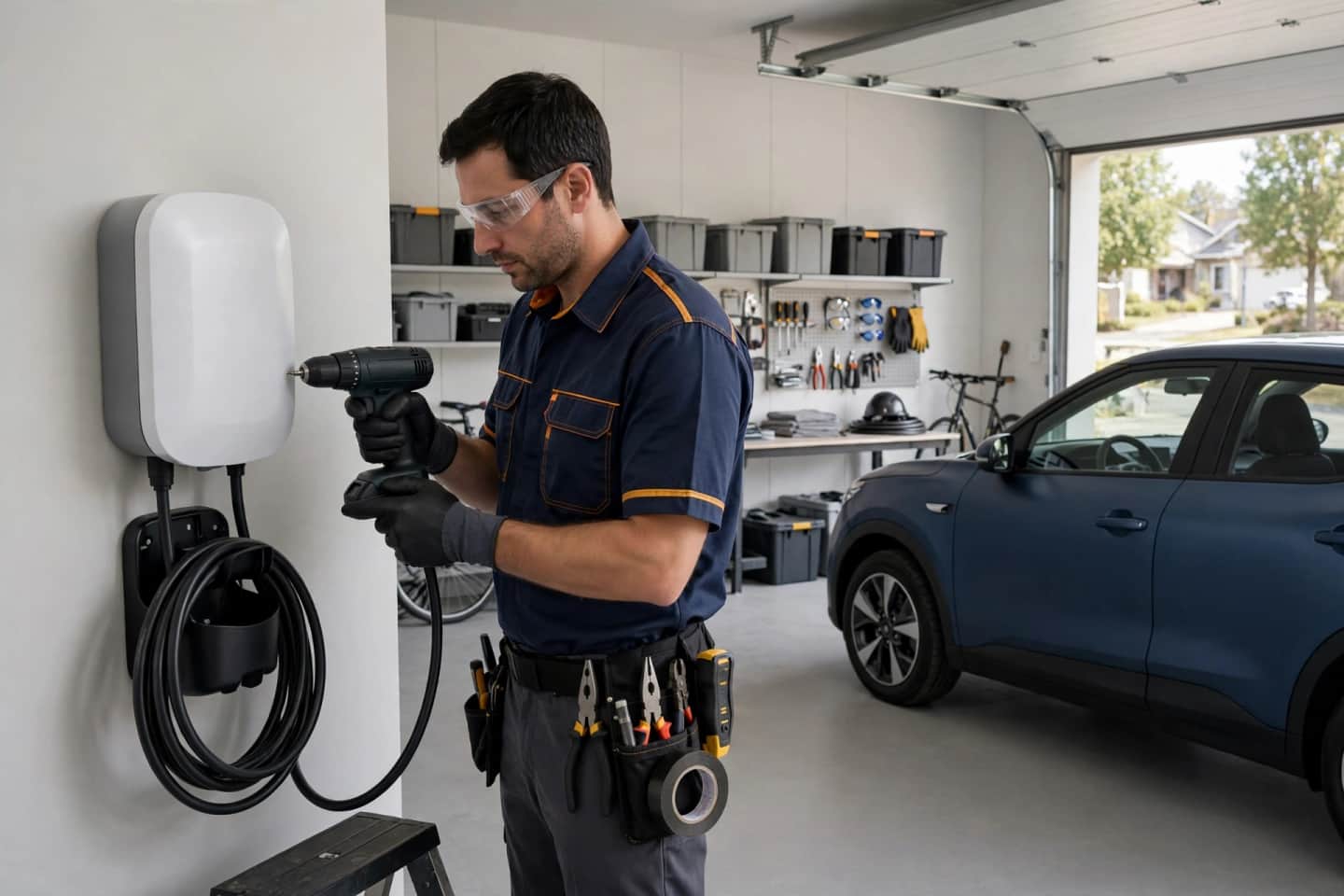
San Francisco’s hills mean many homes have garages at street level beneath living space, with meters and panels in the garage. EV chargers usually go there, but small services and tight spaces require planning. Street-parking residents rely on public chargers.
San Francisco’s mild climate makes heat pumps efficient year-round, and many homes are adding them to replace old gas wall heaters or furnaces. Ductless units suit the city’s small rooms, but each needs a circuit.
Common requests include service upgrades and rewiring, soft-story retrofit electrical work, in-law unit legalization, heat pump circuits, EV chargers, lighting upgrades and smart home wiring.
Bernal Heights and Noe Valley are filled with Victorian and Edwardian cottages and flats on steep streets, many expanded with rear additions and dug-out lower levels. Expansions add circuits that small original services cannot carry, and excavated lower floors often house new in-law units or family rooms that need their own panels. Renovations there typically include a service upgrade coordinated with PG&E and complete rewiring of the original house.
The Mission’s Victorian flats and apartment buildings house many renters, and buildings often have several meters crowded into a small space. Upgrading services in occupied buildings requires planning around tenants, following city rules on notice, and scheduling short shutdowns. Window units and space heaters on old circuits are common hazards in older flats.
Pacific Heights and Presidio Heights have large homes and mansions with extensive lighting, elevators, wine cellars and smart home systems. These homes often have multiple panels and services and require careful load planning during renovations.
The Outer Sunset and Outer Richmond, near Ocean Beach, are foggy and salty much of the year. Moisture and salt corrode exterior meters, outdoor outlets and solar connections, so corrosion-resistant equipment and periodic inspection help.
Many San Francisco row homes have flat or gently sloped roofs suitable for solar. Installers must account for fire setbacks, neighboring walls and historic district rules, and every system needs DBI permits and PG&E interconnection approval.
Simple jobs can often be permitted over the counter, but service upgrades depend on PG&E engineering and scheduling, which can take months. Planning early is essential for electrification projects.
The Haight and Cole Valley are lined with Victorian and Edwardian homes and flats, many divided into apartments in the twentieth century. Restoring or reconverting them usually means consolidating meters, upgrading the service and rewiring each unit. These buildings often share walls, so fire-safe wiring protects neighbors as well.
Instead of furnaces, many older San Francisco apartments use electric or gas wall heaters. Old electric wall heaters can overheat and should be inspected or replaced, while replacing gas wall heaters with ductless heat pumps is a popular electrification step.
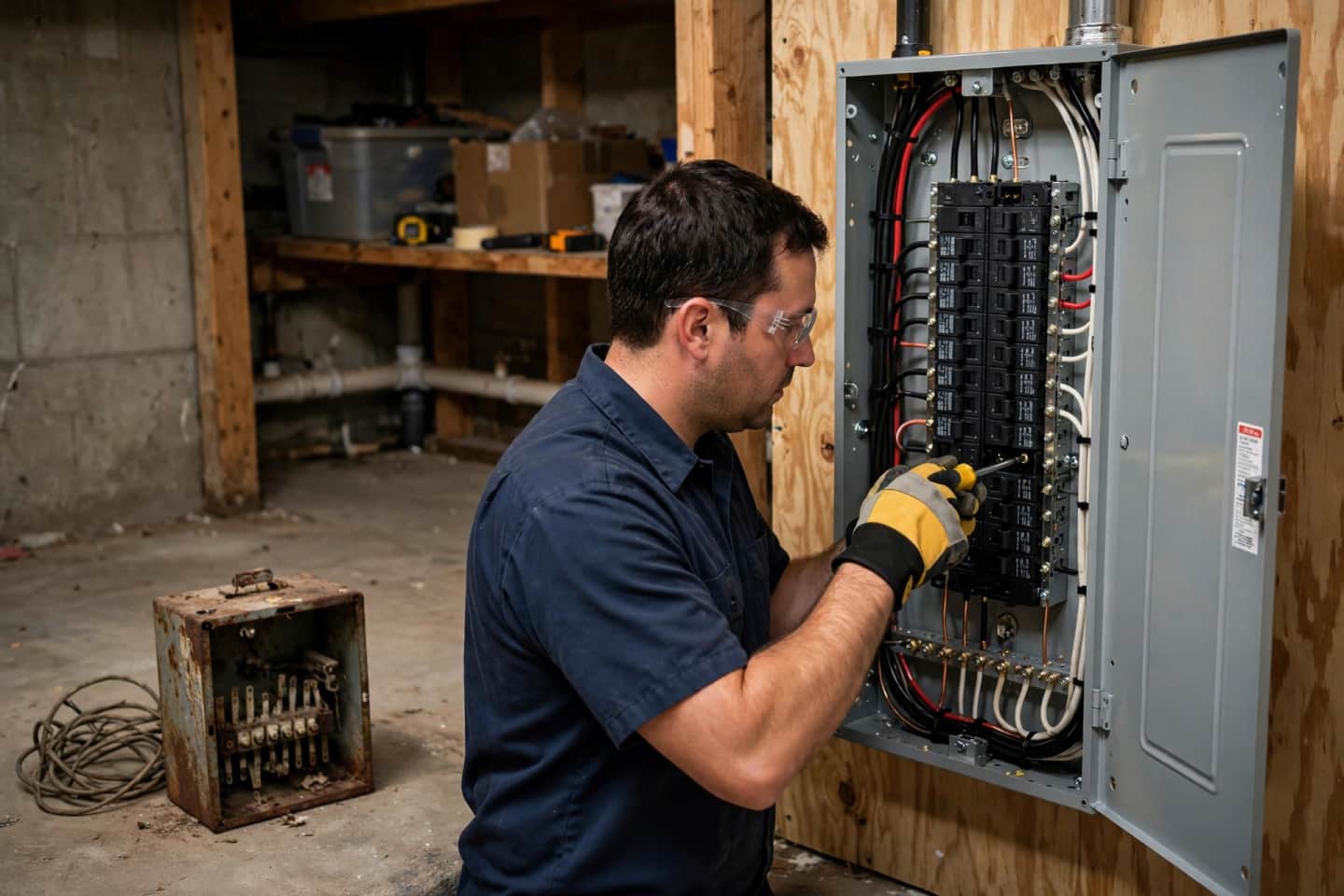
Many San Francisco buildings from the 1950s through the 1970s have Zinsco or Federal Pacific panels, which electricians often recommend replacing. Replacement is commonly combined with a service upgrade.
Bayview-Hunters Point and Visitacion Valley in the southeast have post-war homes and older housing, along with large new developments. Older homes often need panel upgrades and rewiring, and some low-lying areas near the bay face flooding and rising groundwater concerns.
A typical project starts with a DBI electrical permit filed by a licensed contractor, often over the counter. Larger renovations need building permits and plan review, and work in historic buildings may need Planning Department review. Inspections follow at rough-in and final.
Glen Park’s older cottages and Diamond Heights’ 1960s homes and townhouses sit on steep hillsides. Older homes need rewiring and service upgrades, and hillside lots complicate service runs and garage EV charging. Homes from the 1960s may have original panels that electricians recommend replacing during renovation.
Questions
The San Francisco Department of Building Inspection issues electrical permits, many over the counter or online, and its electrical inspectors check the work.
New construction must be all-electric under rules adopted in 2021. Existing homes are not required to convert, but many owners are electrifying voluntarily.
Problem guides
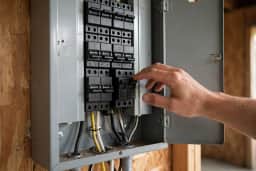 Breaker Keeps TrippingWhy does my circuit breaker keep tripping?
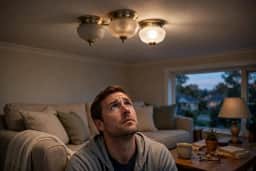 Flickering LightsWhy are the lights in my house flickering?
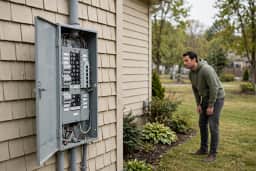 Buzzing Electrical PanelWhy is my electrical panel buzzing?
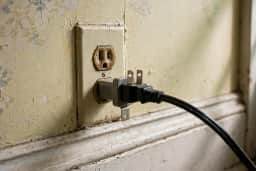 Two-Prong Ungrounded OutletsAre two-prong outlets safe?
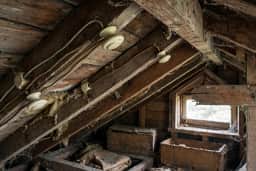 Knob and Tube WiringDo I need to replace knob and tube wiring?
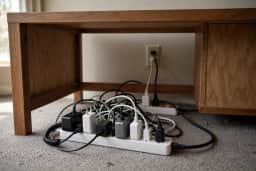 Overloaded Power StripsIs it dangerous to plug a power strip into another power strip?
Same-day help often available
Call an electrician in San Francisco
Describe the problem and your San Francisco neighborhood. Your call goes to an independent licensed electrician who works locally.
Call (855) 679-2483Smoke, flames or sparking? Leave the building and call 911 first.
Pronto Electrician is a free referral service. Calls are answered by independent licensed electricians in your area. Pronto Electrician does not perform electrical work, and the electrician you choose sets the price, schedule, permits and warranty.
Nearby
Free to call · All 50 states + DC
Describe the problem and get connected with an independent licensed electrician who serves your area.