California’s capital sits at the confluence of the Sacramento and American rivers, protected by levees and shaded by one of the densest urban tree canopies in the country. Unlike most of Northern California, Sacramento gets its power from SMUD, a community-owned utility with its own rates, rebates and rules. Flood risk, falling trees, summer heat waves and strong electrification incentives all shape local electrical work.
Midtown, Boulevard Park and Alkali Flat have Victorian and early-1900s homes. East Sacramento, Land Park and Curtis Park have bungalows, Tudors and Spanish Revival homes from the 1910s through the 1940s. Oak Park is one of the city’s oldest suburbs, and Natomas and the suburbs grew rapidly from the 1990s onward.
Problems that come up again and again in local homes, and the service that fixes each one.
01
Trees and winter storms
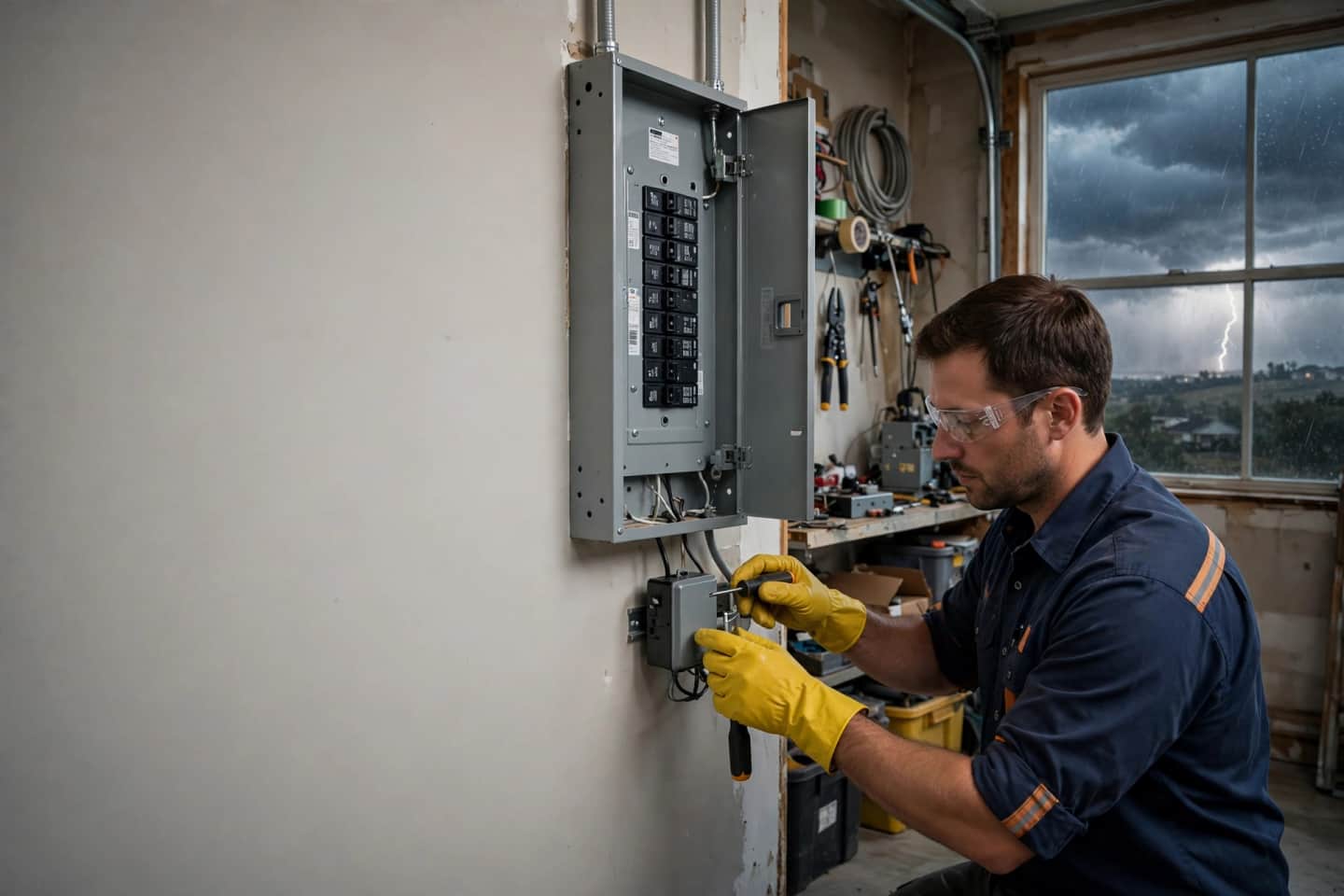
Sacramento’s huge trees bring down limbs and service drops during winter storms, as in January 2023, when hundreds of thousands of SMUD customers lost power. Damaged masts must be repaired before SMUD reconnects.
History, housing, weather and rules that shape electrical work in Sacramento, CA.
SMUD, a public utility
SMUD has supplied electricity to Sacramento since 1946, when it took over from PG&E after a long legal battle. As a community-owned utility governed by an elected board, it sets its own rates, which have generally been lower than neighboring PG&E territory, and it runs extensive incentive programs. SMUD has set a goal of eliminating carbon emissions from its power supply by 2030 and actively encourages customers to electrify their homes.
Rivers, levees and flood risk
Sacramento is considered one of the most flood-prone large cities in the country, protected by hundreds of miles of levees along the Sacramento and American rivers. The 1986 and 1997 floods tested those levees, and billions of dollars have since gone into improvements. Homeowners in low-lying areas, especially Natomas and the Pocket, should know their flood risk, keep electrical equipment above expected water levels where possible and never re-energize anything that has been submerged without an inspection.
The urban forest
Sacramento is known as the City of Trees, with a canopy of elms, oaks, sycamores and London plane trees planted over more than a century. Those trees shade homes and lower cooling costs, but they also drop limbs on service drops during winter storms. In January 2023, a series of atmospheric river storms brought down trees across the city, leaving hundreds of thousands of SMUD customers without power. Repairing damaged masts and meter bases is the homeowner’s responsibility before SMUD can reconnect.
Midtown and Boulevard Park
Midtown and Boulevard Park, just east of downtown, have Victorian homes and early-1900s houses, many converted to apartments or offices and now being restored. Restoring these homes typically involves consolidating meters, upgrading services and rewiring. Historic districts require review of exterior changes, so meters and conduits are placed carefully.
East Sacramento and the Fabulous Forties
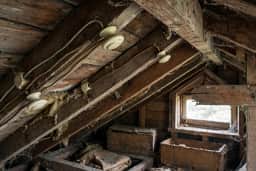
East Sacramento, including the Fabulous Forties streets near McKinley Park, has large homes from the 1910s through the 1930s, many in Tudor, Craftsman and Spanish styles. These homes are frequently remodeled with modern kitchens, additions and heat pumps, which often require service upgrades. Many still have knob-and-tube wiring hidden in walls and attics.
Land Park and Curtis Park
Land Park and Curtis Park have charming storybook homes, bungalows and Tudors from the 1920s through the 1940s, along with mature trees. Renovations commonly replace fuse panels and original wiring, add circuits for modern appliances and move to all-electric systems with SMUD incentives.
Oak Park
Oak Park, one of Sacramento’s first streetcar suburbs, has homes from the early 1900s and has seen renewed investment in recent decades. Older homes there often need complete rewiring and new services, and longtime residents sometimes qualify for repair assistance programs.
Natomas and newer suburbs
North Natomas grew rapidly from the late 1990s through the 2000s, and for several years building was restricted while its levees were upgraded. Homes there have newer wiring and 200-amp services, but owners adding EV chargers, solar and batteries may still need load management or upgrades.
Heat waves
Sacramento summers are hot and dry, and heat waves can be extreme. On September 6, 2022, downtown Sacramento reached 116 degrees, an all-time record. During heat waves, air conditioning runs continuously, panels and connections heat up, and SMUD may ask customers to conserve. Checking air conditioning circuits before summer prevents failures.
Going all-electric with SMUD
SMUD offers rebates for heat pump heating and cooling, heat pump water heaters, induction cooktops and, in many cases, panel upgrades needed to support them. Many Sacramento homes have 100-amp services, which can make full electrification difficult without a larger service. Load management devices and smart panels sometimes allow electrification without a full service upgrade.
Solar and batteries
Sacramento’s sunny climate suits rooftop solar, and California rules generally require solar on new homes. SMUD sets its own interconnection rules and rates for solar customers. Batteries provide backup during storm outages and help manage time-of-day rates.
EV charging
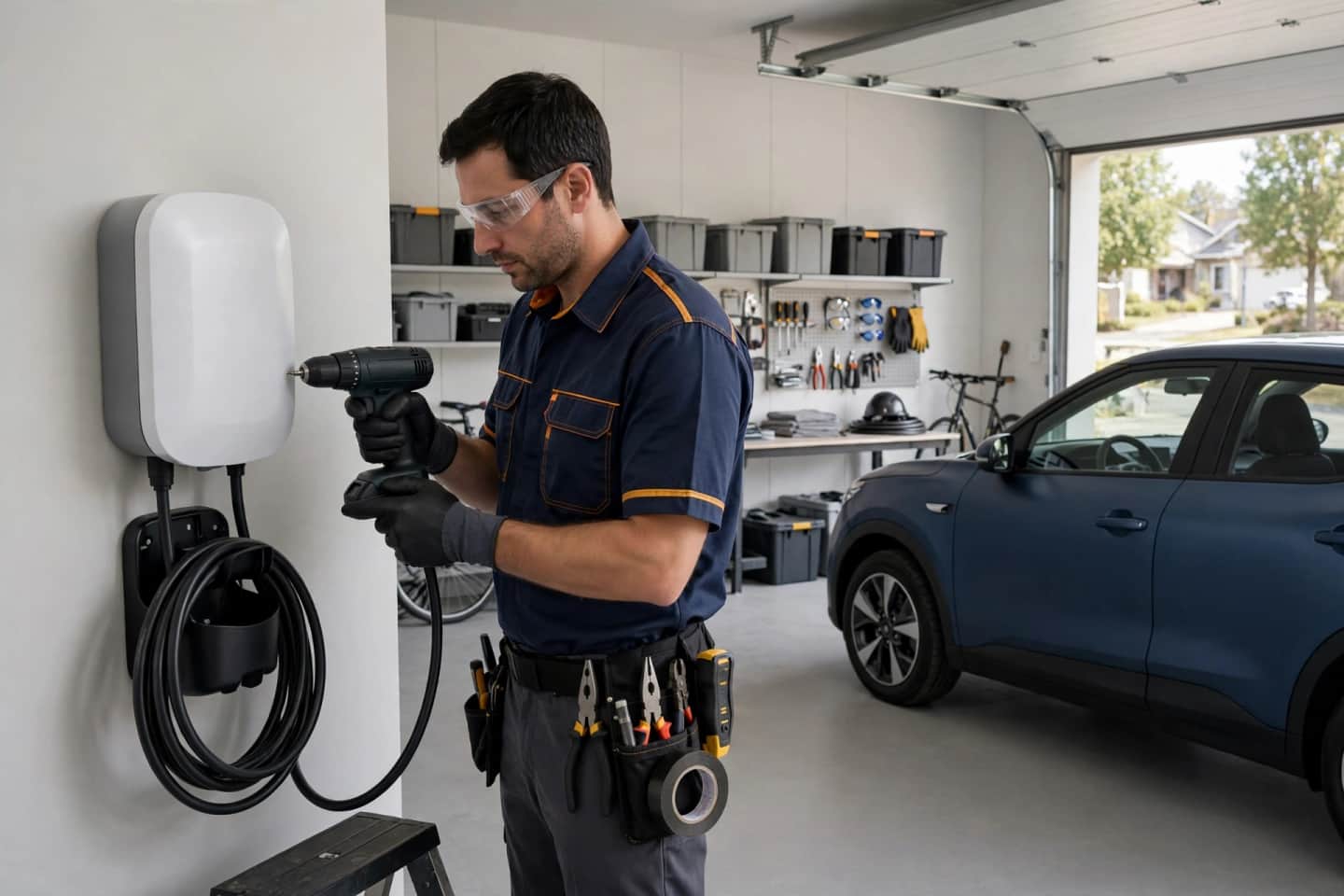
Sacramento has strong EV adoption, encouraged by SMUD rebates for home chargers. Many older homes have detached garages at the rear of the lot, which may need new feeders for chargers. A load calculation shows whether the service can support a charger.
Older panels at inspection
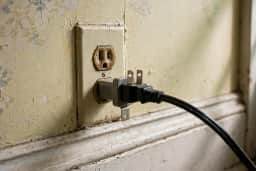
Inspections of older Sacramento homes frequently flag fuse panels, outdated panel brands, knob-and-tube wiring and ungrounded outlets. An electrician’s evaluation helps buyers before closing.
Typical Sacramento electrical jobs
Common requests include service upgrades for electrification, heat pump circuits, older home rewiring, storm repairs, EV chargers, solar and battery connections and surge protection.
Arden-Arcade, Carmichael and the county
Large parts of the Sacramento area, including Arden-Arcade, Carmichael, Fair Oaks and Rosemont, are unincorporated and fall under Sacramento County’s building department rather than the city. These neighborhoods grew in the 1950s and 1960s with ranch homes on generous lots, often shaded by oaks. Many still have original panels and, in some homes, aluminum branch wiring. Electrification, pools and EV chargers frequently prompt panel replacements.
South Sacramento and Meadowview
South Sacramento, including Meadowview, Parkway and Valley Hi, has post-war and 1960s through 1980s homes and diverse communities. Older homes often need panel replacements and grounded circuits, and SMUD offers programs that can help income-qualified households with electrification upgrades.
The capital’s rental market
Sacramento has many rental homes and apartments, including student housing near Sacramento State. Landlords commonly update outlets, ground-fault protection and alarms between tenants and replace failing air conditioning circuits before summer.
Typical timelines
Small repairs can usually be scheduled quickly. Service upgrades depend on city or county permits, inspections and SMUD scheduling, and after major storms electricians prioritize make-safe repairs to damaged masts and meters.
Delta breezes and outdoor living
On many summer evenings, cool breezes from the Sacramento–San Joaquin Delta drop temperatures quickly, and residents head outdoors to patios, porches and backyards. Outdoor lighting, ceiling fans on covered patios, hot tubs and outdoor kitchens are popular additions. Each needs weather-rated equipment, ground-fault protection and circuits sized for the load, and hot tubs require a dedicated disconnect within sight of the tub.
Generators and battery backup
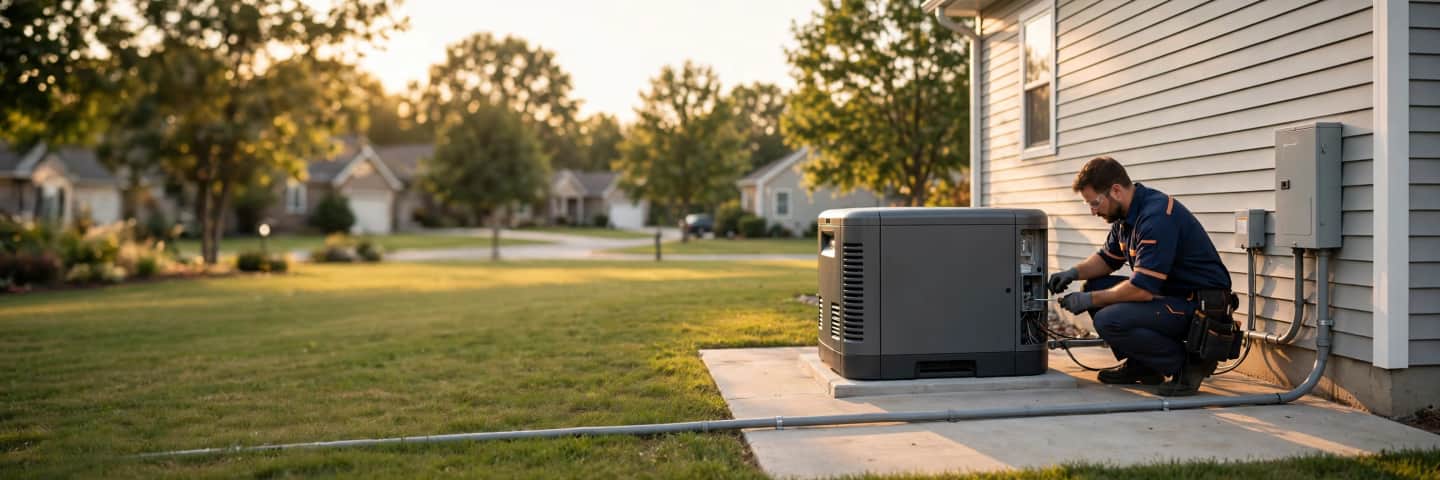
Winter storms and falling trees cause most Sacramento outages. Portable generators must connect through a listed interlock or transfer switch, never through a dryer outlet, and battery systems paired with solar can keep refrigerators, internet and medical devices running quietly.
Questions
Questions from Sacramento homeowners
Who supplies electricity in Sacramento?+
SMUD, a community-owned utility, provides electricity to Sacramento County and a small part of Placer County. Service upgrades, solar interconnection and rebates go through SMUD rather than PG&E.
Who issues electrical permits in Sacramento?+
The City of Sacramento’s Building Division issues permits inside city limits. Unincorporated areas such as Arden-Arcade and Carmichael are permitted by Sacramento County, and Elk Grove, Citrus Heights, Folsom and Rancho Cordova have their own offices.
Connect with an independent licensed electrician near you
Smoke, flames or sparking? Leave the building and call 911 first.
Pronto Electrician is a free referral service. Calls are answered by independent licensed electricians in your area. Pronto Electrician does not perform electrical work, and the electrician you choose sets the price, schedule, permits and warranty.