Anaheim began as a German winemaking colony in 1857, became an orange-growing town, and changed forever when Disneyland opened in 1955. Unlike most of Orange County, it runs its own electric utility, Anaheim Public Utilities, which has spent decades moving power lines underground. Post-war tract homes, wildfire risk in Anaheim Hills, Santa Ana winds and California’s electrification push shape local electrical work.
The Anaheim Colony historic district downtown has homes from the 1880s through the 1930s. West and central Anaheim filled with single-story tract homes in the 1950s and 1960s as the city’s population exploded after Disneyland opened. Anaheim Hills, east of the 55 freeway, grew from the 1970s onward with larger hillside homes, and the Platinum Triangle near Angel Stadium is filling with high-density apartments.
Problems that come up again and again in local homes, and the service that fixes each one.
01
Tract homes from the 1950s and 1960s
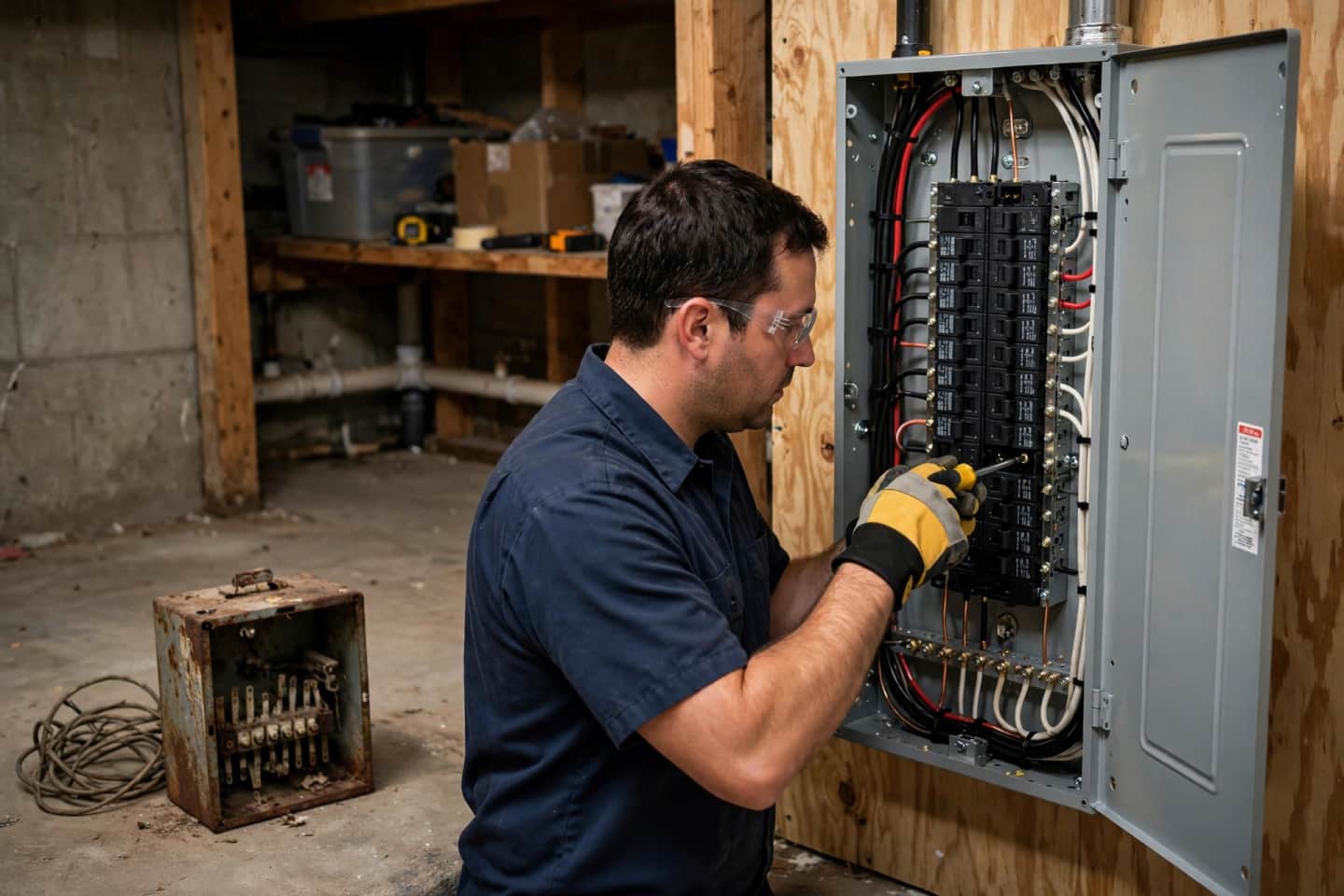
Thousands of post-war homes still have original 100-amp services and panels, some from manufacturers electricians recommend replacing, which limits heat pumps, chargers and kitchen remodels.
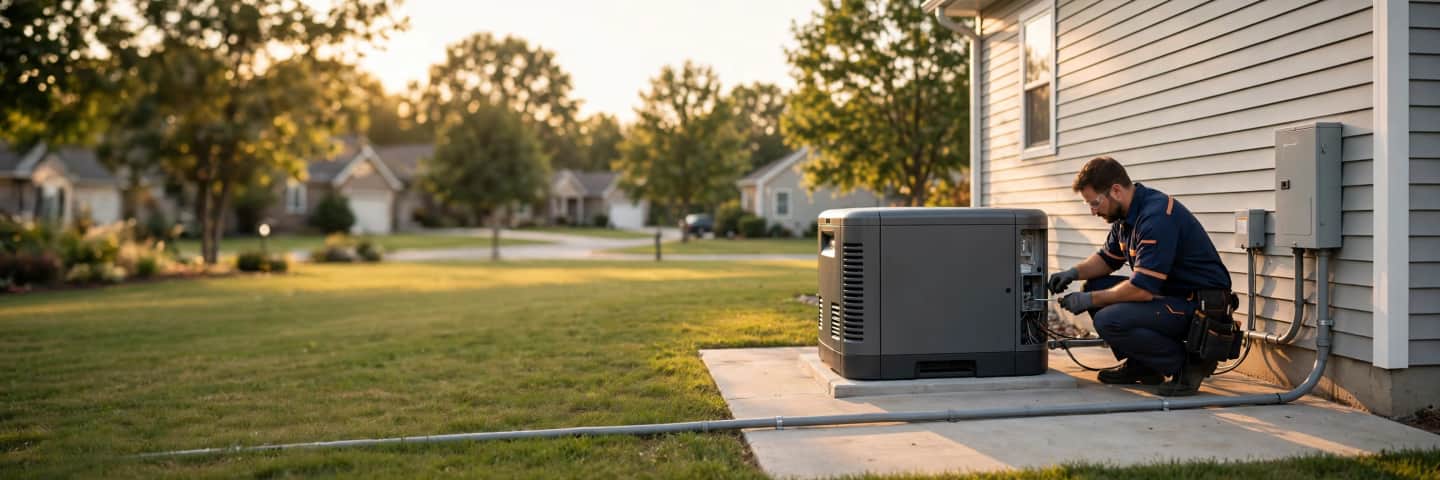
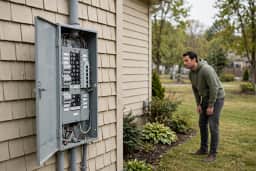
The 2008 Freeway Complex Fire and the 2017 Canyon Fire 2 burned into Anaheim Hills. Hillside homes benefit from backup power and well-maintained exterior equipment.
History, housing, weather and rules that shape electrical work in Anaheim, CA.
A city-owned utility
Anaheim has owned its electric system since 1895, making it the only city in Orange County with its own electric utility. Anaheim Public Utilities sets its own rates, rebates and rules for service upgrades and solar. For homeowners, that means a panel upgrade, new meter or solar interconnection is coordinated with APU, whose requirements differ in places from those of Southern California Edison in surrounding cities.
Undergrounding the lines
Since the early 1990s, Anaheim has steadily moved overhead power lines underground, funded in part by a small charge on utility bills. Neighborhoods that have been converted see fewer outages from wind and fallen palm fronds. When a street is undergrounded, homeowners sometimes need their service entrance modified so it can connect to the new underground system, work that requires an electrician and a permit.
The Anaheim Colony
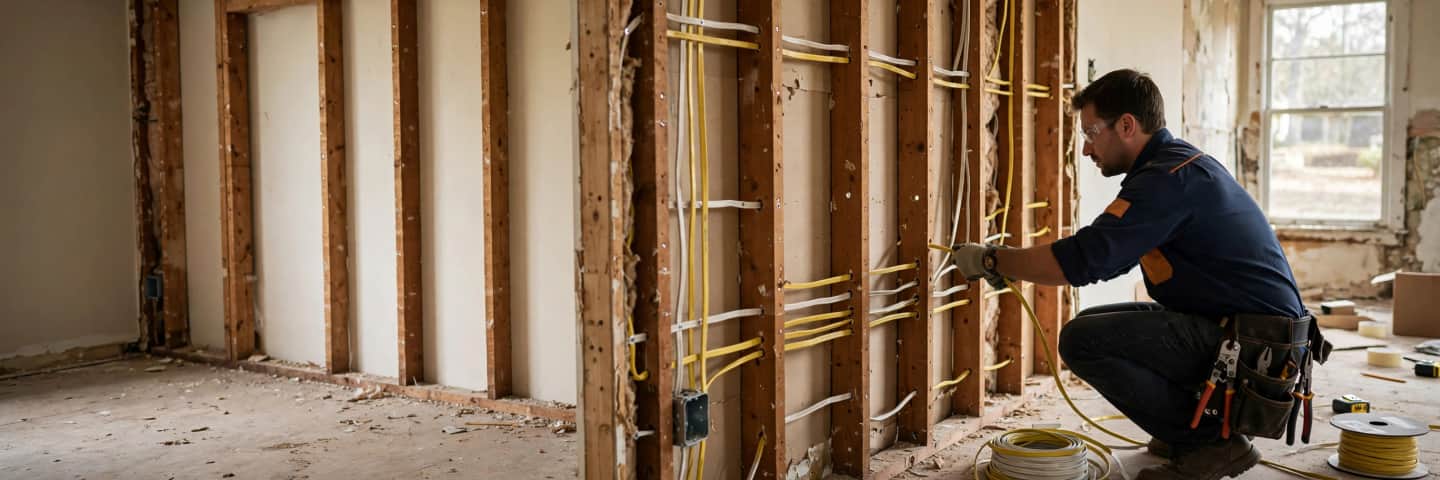
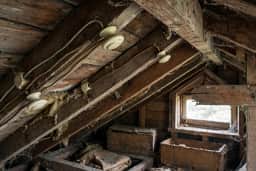
The original 1857 colony, settled by German immigrants who planted vineyards, is now a historic district of Victorian, Craftsman and Spanish Revival homes around downtown. Restoring these homes typically means replacing knob-and-tube wiring and fuse panels, adding grounded circuits for kitchens and baths and routing new wiring carefully to protect original plaster and trim. Exterior changes may be reviewed under historic guidelines.
The Disneyland boom
When Disneyland opened in 1955, Anaheim’s population grew from about 15,000 to more than 100,000 in roughly a decade. Orange groves gave way to tract homes across west and central Anaheim. Those homes, now sixty to seventy years old, make up much of the city’s housing, and many still have original electrical systems that were never designed for central air, EV chargers or electric heat pumps.
West Anaheim
West Anaheim, near Beach Boulevard and Brookhurst Street, is filled with single-story homes on slab foundations from the late 1950s and 1960s. Because wiring runs through the attic and slab, rewiring and adding circuits is done mostly from above. Many families here have added rooms and garage conversions over the years, and some of that wiring was never permitted.
Anaheim Hills
Anaheim Hills, in the Santa Ana Mountains foothills, grew from the 1970s onward with larger homes on hillside lots, many with pools, view decks and extensive landscape lighting. These homes often have long service runs and multiple subpanels. Their location next to open brush also makes wildfire preparation a priority.
Freeway Complex and Canyon Fire 2
In November 2008, the Freeway Complex Fire burned through Anaheim Hills, Yorba Linda and nearby areas, destroying hundreds of homes. In October 2017, Canyon Fire 2, driven by Santa Ana winds, burned more homes in Anaheim Hills and forced large evacuations. Clearing vegetation away from meters and outdoor equipment, maintaining ember-resistant vents and having backup power for evacuation warnings are practical steps for hillside residents.
Santa Ana winds
Hot, dry Santa Ana winds blow from the desert through the canyons each fall and winter, bringing down palm fronds and tree limbs and raising fire danger. Overhead service drops in neighborhoods not yet undergrounded are most at risk, and damaged masts must be repaired before APU restores power.
The Platinum Triangle
The area around Angel Stadium and the Honda Center, known as the Platinum Triangle, has been rezoned for dense apartments and mixed-use buildings. Residents there work with building management for electrical changes, and new buildings are designed with EV charging and modern electrical capacity.
The resort district
Neighborhoods near the Disneyland Resort see heavy traffic, short-term rentals and nightly fireworks. Homeowners near the resort sometimes convert garages or add units to house family members, and each conversion needs proper circuits, alarms and permits.
Garage conversions and ADUs
California law encourages accessory dwelling units, and Anaheim has seen many garage conversions and backyard units. Each one needs adequate capacity, usually a subpanel fed from the main service, and sometimes a separate meter from APU. A load calculation early in design shows whether the main service must be upgraded.
Electrification and heat pumps
California is encouraging homeowners to replace gas furnaces, water heaters and stoves with electric heat pumps and induction cooking. In 1950s Anaheim homes with 100-amp services, that transition often requires a panel or service upgrade, or load-management devices that let new appliances share capacity.
Summer heat inland
Anaheim is farther from the coast than Long Beach or Huntington Beach and gets noticeably hotter in summer. Many older homes never had central air, and owners are adding ducted or ductless heat pumps. Each system needs a dedicated circuit sized to its nameplate.
Solar with APU
Rooftop solar is popular in Anaheim, and APU reviews interconnection applications and sets its own rates for solar customers. Batteries help households keep power during outages, and older panels may need upgrades to connect solar and storage.
EV charging
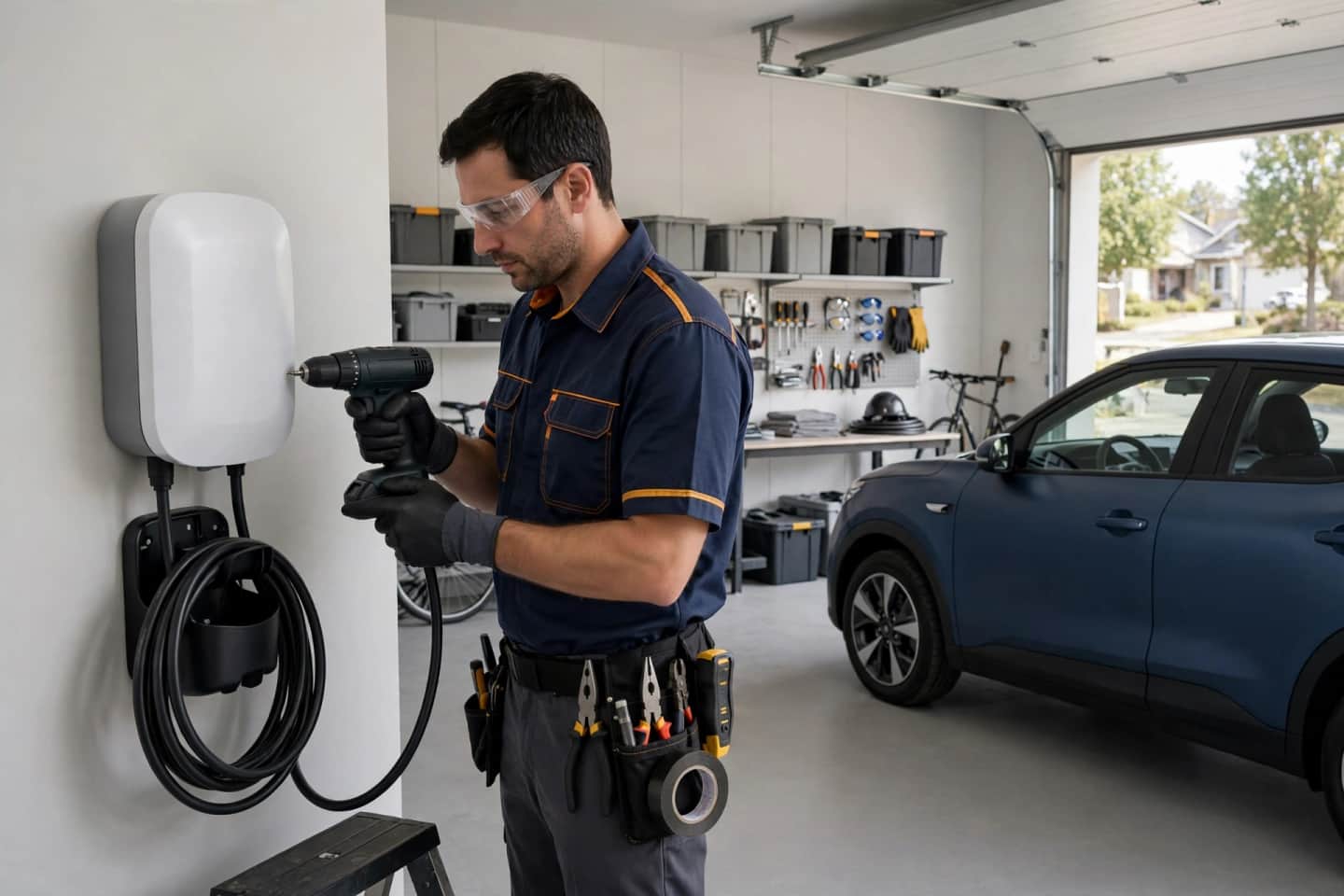
EV ownership is high across Orange County. Most Anaheim homes have attached garages, making Level 2 chargers practical once capacity is confirmed. APU has offered rebates for home chargers at times.
Earthquake readiness
Anaheim lies in an active seismic region. Strapped water heaters, flexible gas connections and knowing how to switch off the main breaker are simple steps that make a home safer after a strong earthquake.
What Anaheim inspections reveal
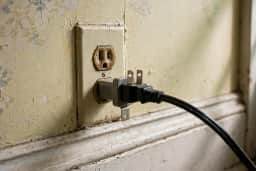
Inspection reports for Anaheim homes commonly note outdated panels in post-war tract homes, ungrounded outlets, unpermitted garage conversions and patio wiring, and sun-damaged exterior fixtures.
Common Anaheim projects
Typical work includes panel and service upgrades, EV chargers, ADU subpanels, heat pump circuits, historic home rewiring, landscape lighting in the hills and solar and battery connections.
East Anaheim and the canyon neighborhoods
East Anaheim, between the 57 freeway and Anaheim Hills, has 1960s and 1970s homes and some of the city’s older apartment complexes along the Santa Ana River. Many of these homes have panels from the era when Zinsco and Federal Pacific equipment was common. Replacing those panels, adding grounded circuits and correcting garage wiring are typical first projects for new owners in the area.
Large families and heavy circuits
Many Anaheim households are large or multigenerational, with several refrigerators, freezers, window air conditioners and space heaters running on circuits sized for a smaller family. Adding dedicated circuits for appliances and reviewing panel capacity prevents nuisance tripping and overheating.
Holiday displays
Some Anaheim streets go all out with holiday lights each December. Large displays should run on outdoor-rated outlets with ground-fault protection, spread across circuits rather than chained from one outlet.
Questions
Questions from Anaheim homeowners
Who supplies electricity in Anaheim?+
Anaheim Public Utilities, owned by the city, supplies electricity and water. Service upgrades, meter work and solar interconnection go through APU rather than Southern California Edison, which serves most neighboring cities.
Who issues electrical permits in Anaheim?+
The City of Anaheim Planning and Building Department issues permits and inspects work inside city limits.
Connect with an independent licensed electrician near you
Smoke, flames or sparking? Leave the building and call 911 first.
Pronto Electrician is a free referral service. Calls are answered by independent licensed electricians in your area. Pronto Electrician does not perform electrical work, and the electrician you choose sets the price, schedule, permits and warranty.