Extreme heat
Air conditioning runs near continuously, stressing panels, breakers and connections. Heat pumps, pool equipment and EV chargers add to the load, making load calculations and panel capacity checks important before adding equipment.
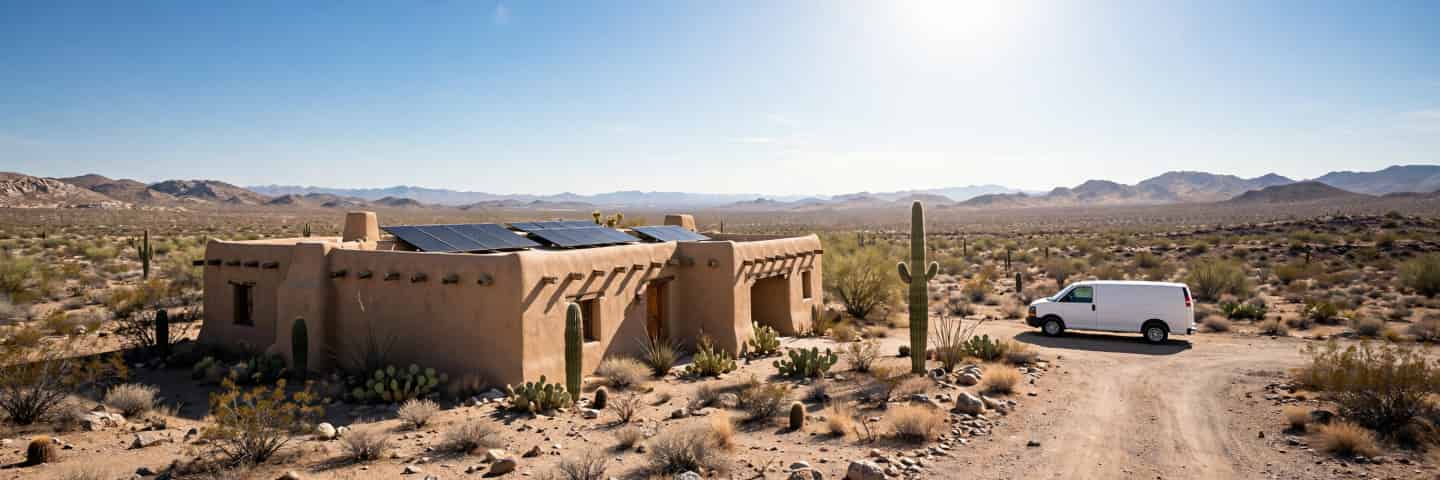
New Mexico’s electrical needs are shaped by high desert and mountains: wildfire seasons that have produced the largest fires in state history, monsoon lightning and flash floods, hot summers in the south and cold winters in the north. Adobe and pueblo-style homes, abundant sunshine and a state law setting a path to carbon-free electricity add their own considerations.
Free to call · Independent licensed electricians
Climate risks
The hazards that drive the most electrical calls here, and how homeowners prepare for them.
Air conditioning runs near continuously, stressing panels, breakers and connections. Heat pumps, pool equipment and EV chargers add to the load, making load calculations and panel capacity checks important before adding equipment.
Utilities may shut off power during high fire-risk weather. Battery backup or generator systems with proper transfer equipment keep essential circuits running. Exterior electrical equipment and connections should be kept clear of vegetation.
Nearby strikes send surges through power and communication lines. A whole-home surge protective device at the panel, a sound grounding system and point-of-use protection for electronics reduce damage to appliances and HVAC controls.
Cities
Open a city guide for local utilities, permit offices, neighborhoods and the problems electricians see most.
Also serving
State guide
PNM serves Albuquerque, Santa Fe and much of north-central New Mexico. El Paso Electric serves Las Cruces and southern New Mexico, and Southwestern Public Service, part of Xcel Energy, serves eastern New Mexico. Electric cooperatives serve much of rural New Mexico, and cities such as Farmington and Los Alamos run their own utilities. On the Navajo Nation, the Navajo Tribal Utility Authority provides service, and many remote homes there still lack grid electricity.
New Mexico homes cannot choose a retail supplier. Your utility sets the rules for service upgrades, solar interconnection and generator connections.
New Mexico licenses electrical contractors and journeyman electricians through the Construction Industries Division of the Regulation and Licensing Department. Licenses can be verified online.
Albuquerque, Santa Fe, Las Cruces and other cities issue their own permits and inspect work, while the Construction Industries Division handles permits and inspections in many other areas. Panel upgrades, new circuits, solar, batteries, EV chargers and generators require permits.
In 2022, the Hermits Peak/Calf Canyon Fire became the largest wildfire in New Mexico history, burning homes across Mora and San Miguel counties. In June 2024, the South Fork and Salt fires destroyed hundreds of homes around Ruidoso. Utilities may de-energize lines during extreme fire weather.
Keeping vegetation clear of service drops and exterior equipment reduces ignition risk, and backup power — generators with listed interlocks or batteries with solar — keeps essentials running during shutoffs and long outages. Rebuilding after fire is an opportunity to install modern services and wiring.
From July through September, monsoon storms bring frequent lightning, strong winds and flash flooding, especially below burn scars, where floods can be severe. Lightning surges damage evaporative cooler controls, heat pumps, well pump controllers and electronics. A whole-home surge protective device at the panel is an inexpensive layer of protection.
Adobe and pueblo-revival homes, common in Santa Fe, Taos, Albuquerque’s older neighborhoods and rural villages, have thick earthen or masonry walls and flat roofs. Adding wiring means surface raceways, routing through attics or ceilings where they exist, or carefully cutting channels and plastering over them. Flat roofs with parapets can trap water near rooftop equipment and penetrations, so rooftop electrical work needs careful sealing.
Many New Mexico homes use evaporative coolers, which work well in dry air. They need a properly installed circuit, a disconnect and maintenance each spring and fall. As summers grow hotter and monsoon humidity reduces cooler effectiveness, many homeowners are adding heat pumps, which require 240-volt circuits and enough panel capacity.
New Mexico’s 2019 Energy Transition Act set a path toward carbon-free electricity, and abundant sunshine makes rooftop solar popular. Solar paired with batteries provides backup during outages and shutoffs. Solar and battery systems require permits and utility interconnection approval.
Santa Fe, Taos, Los Alamos and the northern mountains have cold, snowy winters. Furnaces need electricity to run, and heat tape on pipes should be on dedicated, GFCI-protected circuits. Snow and ice pull on service drops in mountain communities.
Albuquerque’s Nob Hill, Huning Highlands and Barelas have homes from the early and mid-1900s with older wiring, and much of the city was built from the 1950s through the 1980s. Las Cruces has grown quickly with newer construction. Manufactured homes are common throughout the state.
Rural New Mexico homes often rely on wells, long service runs and cooperatives, and some are off-grid with solar and batteries. Well pumps stop during outages, so backup power should include them. Off-grid systems need careful design, grounding and maintenance.
Albuquerque and the middle Rio Grande focus on heat, monsoon storms and solar. Santa Fe and northern New Mexico have adobe homes, snow and wildfire. Southern New Mexico, including Las Cruces, is hot and fast-growing. Eastern New Mexico is windy plains served by Xcel and cooperatives. The Four Corners region has Farmington’s utility and tribal communities.
Frequent requests include solar and battery panel work, surge protection, heat pump and cooler circuits, panel upgrades, wildfire rebuild wiring, generator installations, and repairs to older adobe and mid-century homes.
Thousands of homes on the Navajo Nation and in remote parts of the state have never been connected to the grid, because line extensions across long distances are expensive. The Navajo Tribal Utility Authority and partner utilities have worked through projects such as Light Up Navajo to extend lines to families, while others rely on off-grid solar systems. Off-grid setups need careful battery, inverter and grounding design to be safe.
March through May brings strong, persistent winds across much of New Mexico, raising dust, toppling trees and damaging overhead lines. Wind can loosen a weathered service mast or strip the cover from an outdoor disconnect. After a windy spring, a quick look at the mast, weatherhead and outdoor equipment catches problems before monsoon storms add rain and lightning.
Santa Fe’s historic districts protect the look of adobe and territorial-style buildings, and exterior changes — a relocated meter, new conduit on a street-facing wall, rooftop solar visible from the street — can require review by the city’s historic preservation staff and board. Electricians who work there plan routes through roofs, closets and portals that keep equipment out of sight.
Flat or low-slope roofs are common on New Mexico homes, and evaporative coolers, heat pump condensers and solar panels often sit on them. Every conduit, disconnect and penetration on a flat roof must be sealed so monsoon rains do not pond and leak into walls or wiring. Rooftop equipment also needs a properly located service disconnect.
Albuquerque and Las Cruces have many homes from the 1950s through the 1970s with two-prong outlets, small services and, in some cases, aluminum branch wiring. An electrician’s evaluation before closing helps buyers plan whether to rewire, add grounding or simply update outlets and the panel.
New Mexico’s long drives between towns make reliable home charging especially important for EV owners. A Level 2 charger lets a car leave every morning with a full battery. In older Albuquerque or Santa Fe homes, a load calculation comes first; in rural areas, the distance from the panel to the parking spot often determines the cost.
Monsoon lightning frequently damages well pump controllers and pressure switches in rural New Mexico, leaving homes without water. A surge protective device at the panel, a sound grounding electrode and, for some wells, a surge arrester at the pump control reduce those failures.
Each spring and fall, swamp coolers are started up and drained. Corroded pump wiring, cracked cords and worn switches turn up during those changeovers, and a dedicated, properly protected circuit with a nearby disconnect makes the job safer for homeowners and service techs alike.
Verify the contractor’s Construction Industries Division license, ask whether your city or the state will issue the permit, and get a written scope. For solar and service upgrades, ask how the electrician will coordinate with PNM, El Paso Electric, Xcel, your cooperative or your city utility. For adobe homes, ask how wiring will be routed with minimal damage to walls.
Electrical licensing and permits in New Mexico are set by state and local authorities. The electrician confirms what applies to your project.
Services
Ranked by how many of this state’s climate risks each service addresses.
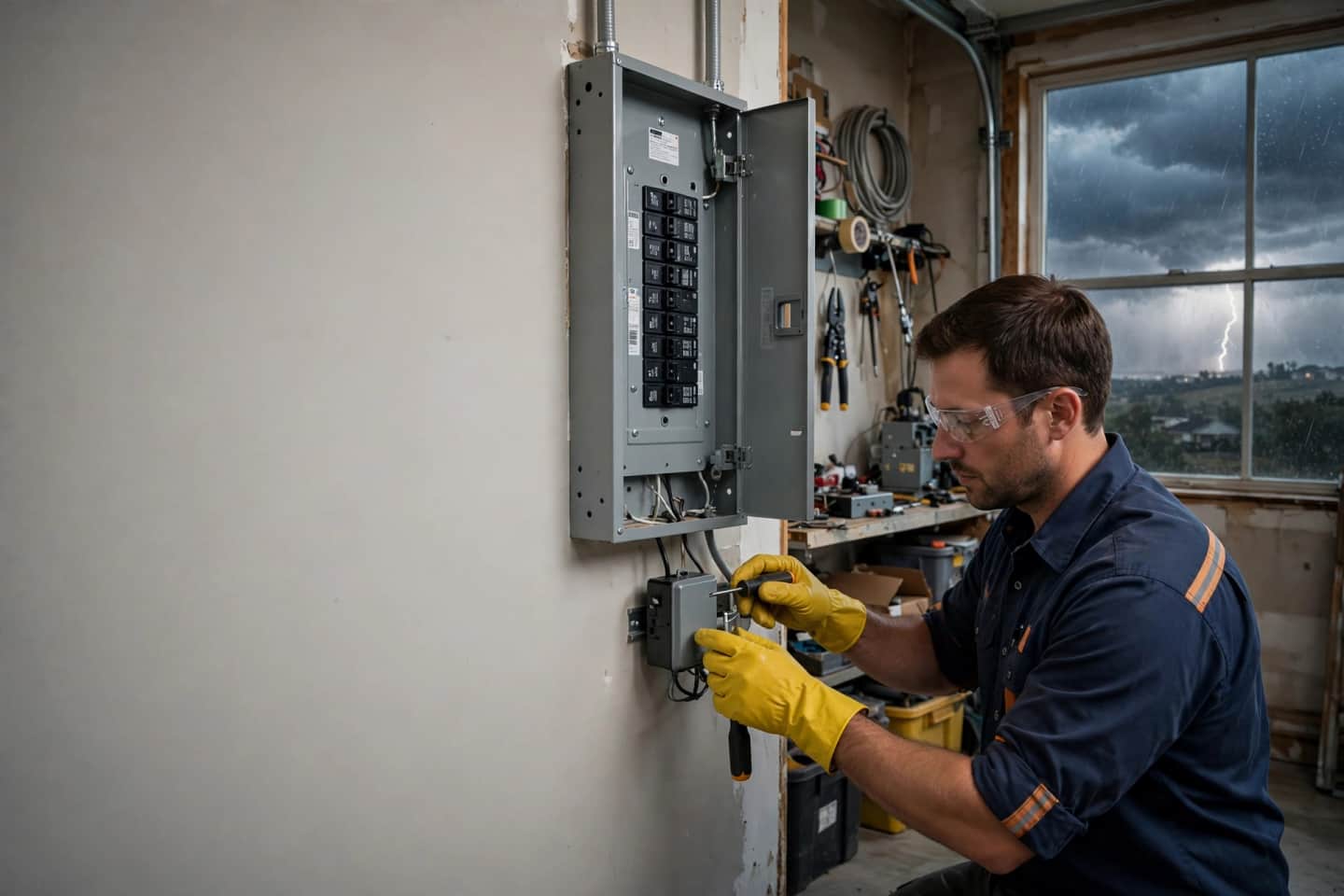
Panel-mounted surge protective devices for the whole home.
Explore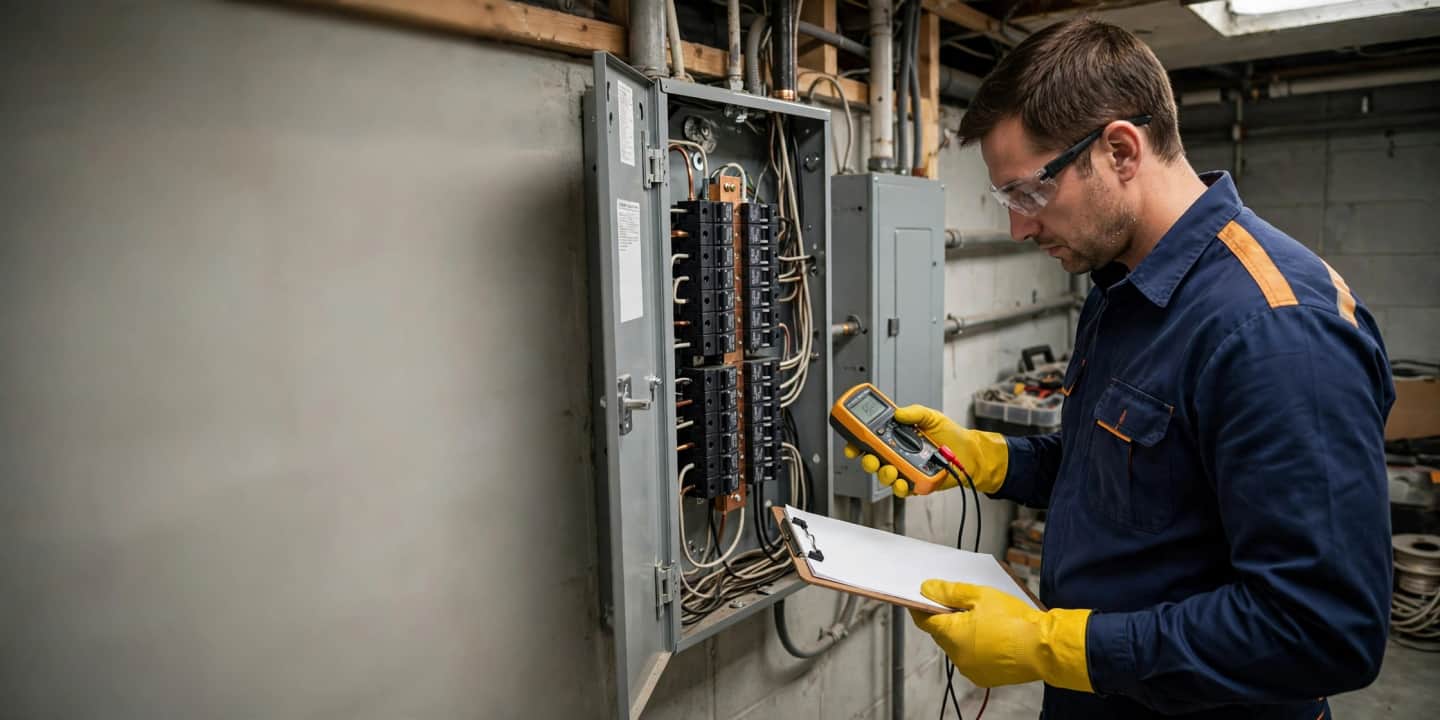
Home-purchase, insurance and safety inspections of electrical systems.
Explore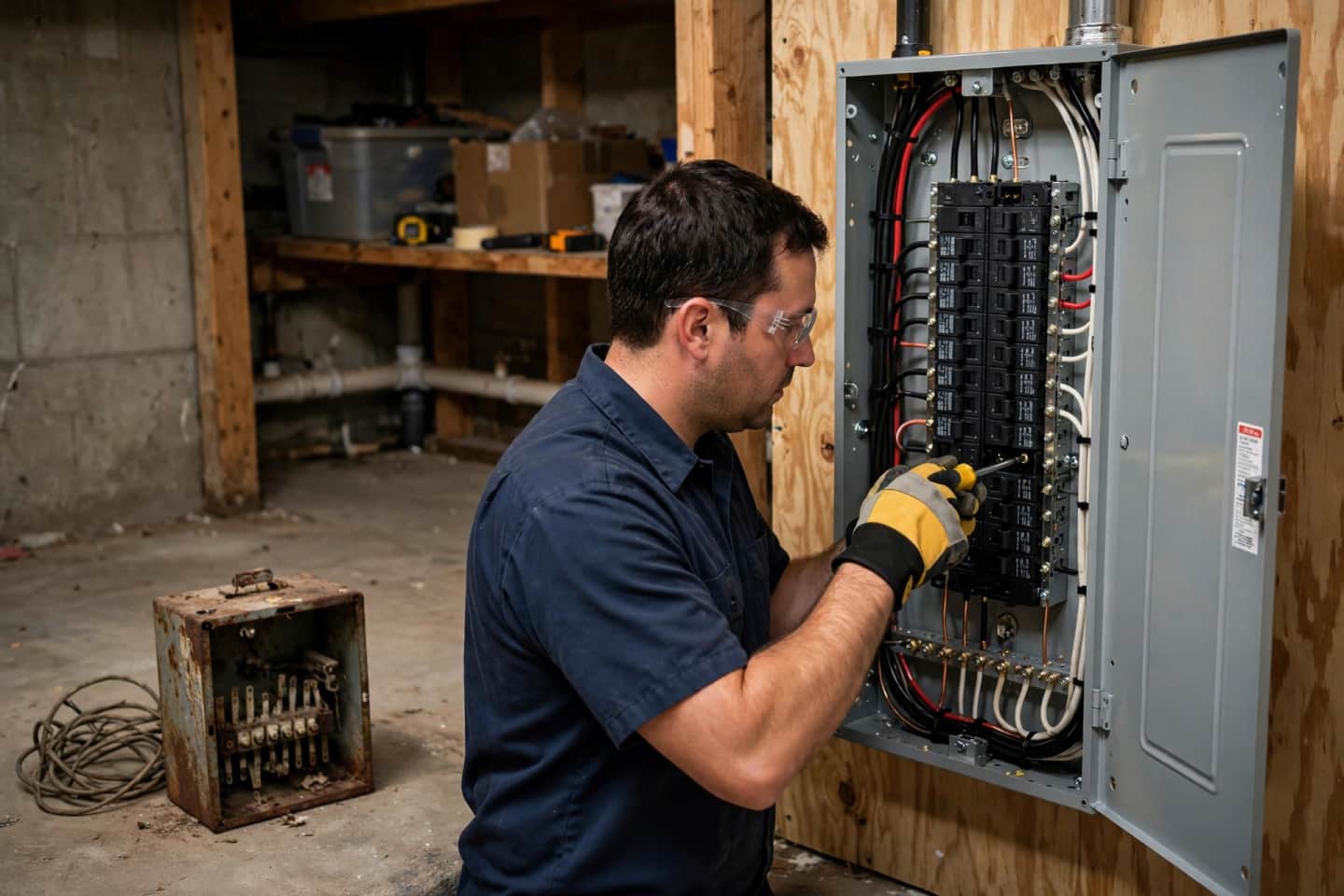
Panel replacements and service upgrades for modern loads, EV chargers and heat pumps.
ExploreGet started
One call connects you with an independent licensed electrician who serves your part of the state.
Same-day help often available
Call for electrical help in New Mexico
Tell the electrician what is happening and your city. Calls go to independent licensed electricians who serve your area.
Call (855) 679-2483Smoke, flames or sparking? Leave the building and call 911 first.
Pronto Electrician is a free referral service. Calls are answered by independent licensed electricians in your area. Pronto Electrician does not perform electrical work, and the electrician you choose sets the price, schedule, permits and warranty.
Free to call · All 50 states + DC
Describe the problem and get connected with an independent licensed electrician who serves your area.