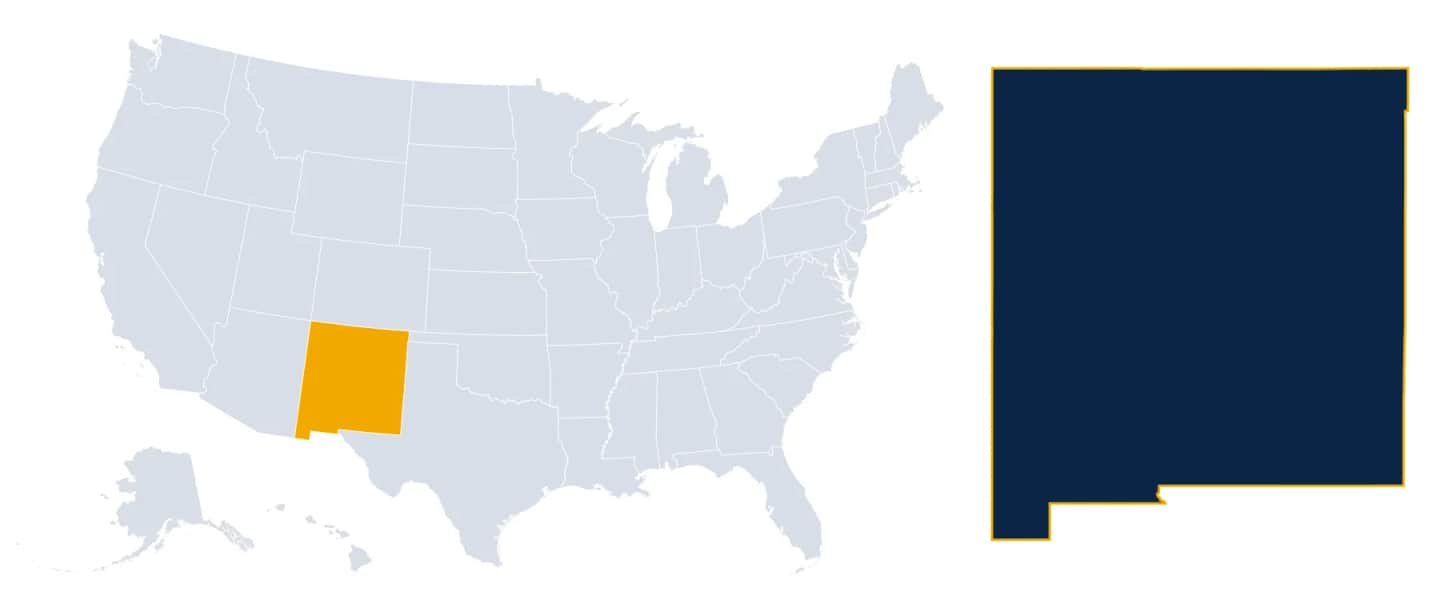
Albuquerque stretches from the cottonwood bosque along the Rio Grande up to the foot of the Sandia Mountains, at an elevation of roughly 5,000 feet. PNM supplies power. Intense sun, spring windstorms, cold winter nights, summer monsoon downpours and the popularity of rooftop coolers and solar panels all shape electrical work in the Duke City.
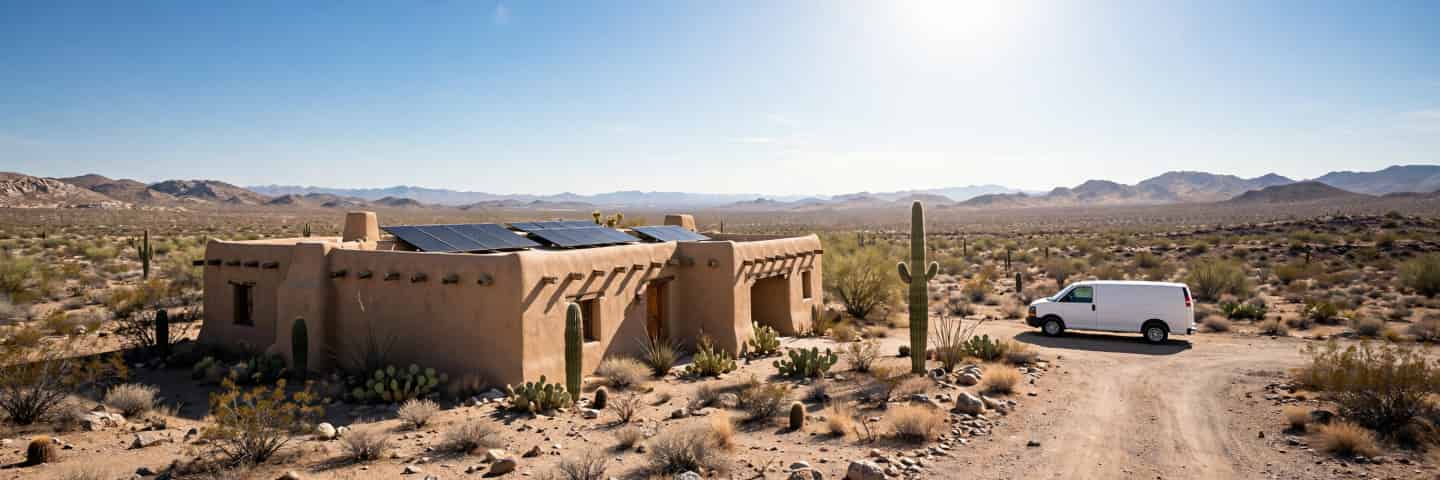
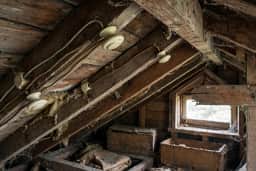
Old Town and Barelas include adobe homes from the 1800s and early 1900s. Huning Highlands and the Downtown neighborhoods have Victorian and Territorial-style homes, Nob Hill and Ridgecrest have Pueblo Revival and Spanish-style homes from the 1920s through the 1940s, and the Northeast Heights filled with flat-roofed stucco ranches after World War II as Sandia and Kirtland grew.
Problems that come up again and again in local homes, and the service that fixes each one.
01
Rooftop coolers and refrigerated air
Many homes rely on swamp coolers mounted on flat roofs, fed by circuits that have baked in the sun for decades. Switching to refrigerated air or heat pumps adds 240-volt loads that older panels may not carry.
History, housing, weather and rules that shape electrical work in Albuquerque, NM.
City, county and state jurisdictions
Albuquerque’s city limits do not cover the whole urban area. Large parts of the North Valley and South Valley are unincorporated Bernalillo County, Los Ranchos de Albuquerque is its own village, and Rio Rancho across the river is a separate city in Sandoval County. Each handles permits differently, and the state Construction Industries Division handles inspections in some areas. Confirming the jurisdiction before scheduling inspections saves time and frustration.
Old Town and Barelas
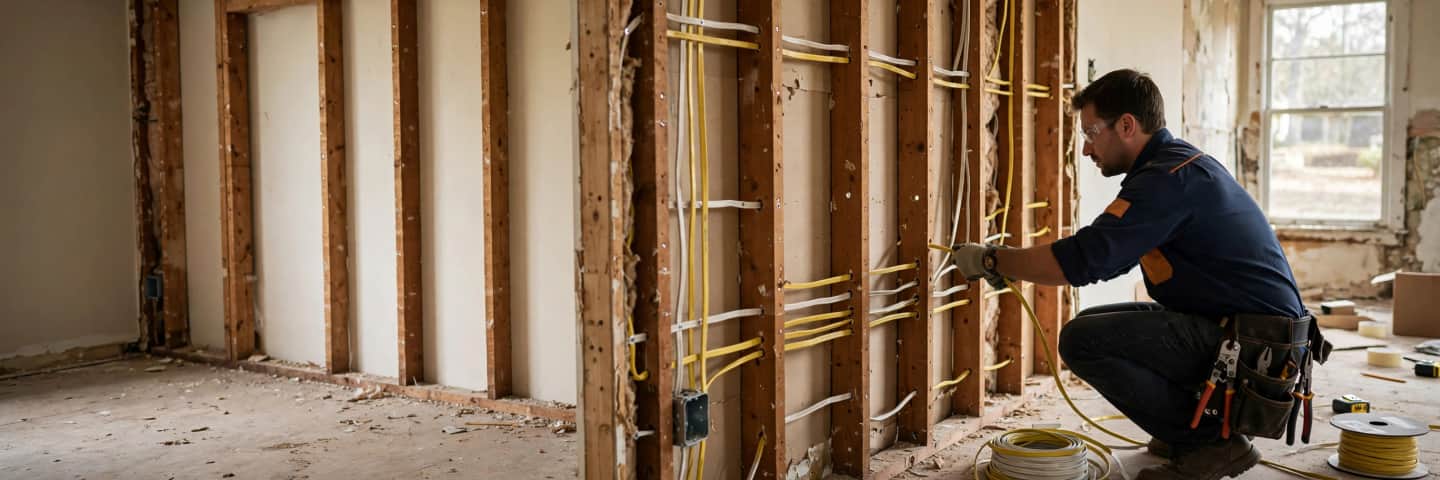
Old Town, founded in 1706, and Barelas, the historic neighborhood south of downtown along the old railroad, include adobe homes whose walls can be two feet thick. Electrical upgrades in these homes are slow, careful work. Electricians often route new circuits through vigas and ceilings, beneath wood floors or in neat surface raceway rather than cutting deep chases through historic walls.
Huning Highlands and the railroad era
When the railroad arrived in 1880, a New Town grew around the depot, and neighborhoods such as Huning Highlands and the Downtown Neighborhoods filled with Victorian, Queen Anne and Territorial homes. Many have been restored, and restorations typically replace fuse panels and original wiring while preserving the character of the interiors.
Nob Hill and Route 66
Nob Hill grew along Central Avenue, the old Route 66, in the 1930s and 1940s, with Pueblo Revival and Spanish-style homes on streets near the University of New Mexico. Its neon signs echo the highway era. Homes here are frequently remodeled, and remodels often call for service upgrades, new kitchen circuits and conversion from rooftop coolers to refrigerated air.
Northeast Heights ranches
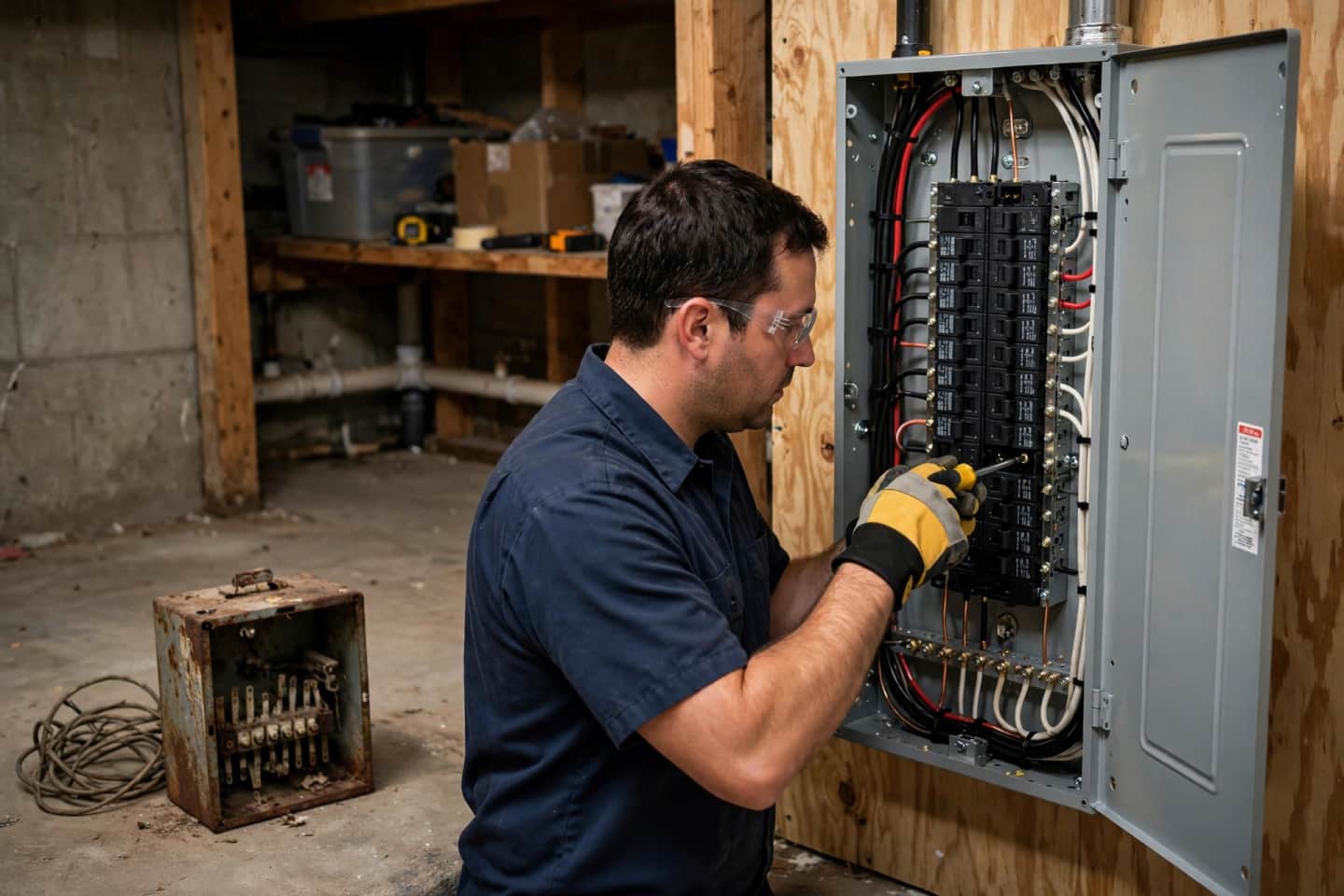
The Northeast Heights expanded rapidly in the 1950s through the 1970s, driven by jobs at Sandia National Laboratories and Kirtland Air Force Base. Thousands of flat-roofed stucco ranch homes from that era still have original panels and, in some cases, aluminum branch wiring. Owners updating these homes commonly replace panels, remediate aluminum connections with approved methods and add circuits for modern appliances.
The North Valley and acreage
The North Valley, along the Rio Grande, has larger lots with horses, orchards and irrigation ditches called acequias. Homes often have barns, workshops and well pumps that need properly sized feeders, grounding and weatherproof equipment. Long service runs and older outbuildings are common sources of electrical problems.
Flat roofs and the cooler question
Evaporative coolers work well in Albuquerque’s dry air for much of the summer, and many flat-roofed homes have one perched above the hallway. A cooler needs a dedicated circuit and a weatherproof disconnect within sight, and roof penetrations must be sealed against monsoon rain. When owners switch to refrigerated air or ducted heat pumps, the new condenser usually sits on the ground and needs a heavier 240-volt circuit.
Sun, altitude and outdoor equipment
At high elevation, ultraviolet light is strong, and it breaks down plastic outlet covers, cable jackets, light fixtures and conduit faster than in many places. Replacing cracked covers and sun-damaged exterior wiring is routine maintenance in Albuquerque.
Spring wind
March through May brings Albuquerque’s windiest weather, with strong gusts that blow dust, topple trees along the river and stress service drops and rooftop equipment. Loose masts and damaged weatherheads should be repaired promptly, since PNM cannot reconnect a damaged service until an electrician makes it safe.
Monsoon season
From July through September, monsoon storms bring lightning, sudden downpours and flash flooding in arroyos. Lightning surges damage cooler motors, heat pump boards and electronics, and water can enter rooftop equipment through failed seals. Whole-home surge protection and annual checks of rooftop wiring are wise.
Winter nights
Albuquerque days are often sunny in winter, but nights regularly drop below freezing. Exposed pipes may need heat tape on ground-fault-protected circuits, and space heaters used in older homes can overload circuits not meant for them.
Solar in a sunny city
With roughly 300 days of sunshine, Albuquerque is well suited to rooftop solar, and flat roofs make mounting straightforward. Systems need permits and PNM interconnection approval, and older panels may need upgrades to accept a solar breaker. Battery storage is growing in popularity for outage backup.
Balloon Fiesta and temporary power
Every October, the Albuquerque International Balloon Fiesta draws huge crowds, and many households host guests or set up RVs and outdoor events. RV hookups and temporary lighting should use properly rated outlets and ground-fault protection, not extension cords run through windows.
EV charging
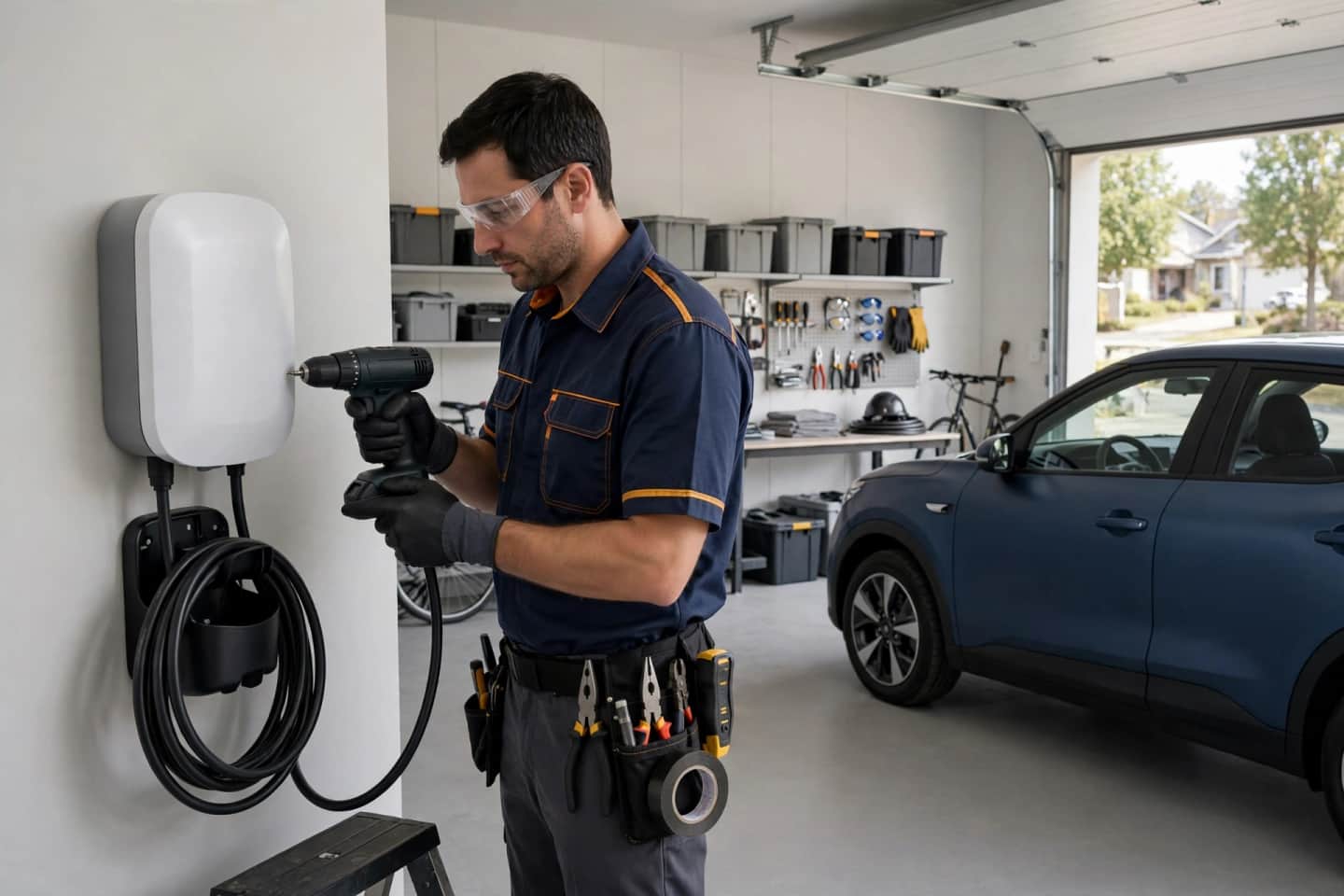
EV ownership is growing in Albuquerque, and New Mexico has offered incentives for chargers. Many older ranch homes have carports rather than garages, so chargers must be weather-rated. A load calculation determines whether the existing service can support one.
Older panels at inspection
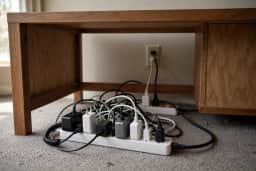
Inspections of older Albuquerque homes frequently flag fuse panels, panels from manufacturers with known concerns, ungrounded outlets, sun-damaged rooftop wiring and cooler circuits added without permits. An electrician’s evaluation helps buyers budget for repairs before closing.
Typical Albuquerque electrical jobs
Common requests include panel upgrades, circuits for refrigerated air and heat pumps, cooler wiring repairs, adobe home rewiring, solar interconnection, EV chargers, surge protection and repairs after wind or monsoon storms.
The South Valley and Atrisco
The South Valley, much of it unincorporated, holds some of the oldest Hispanic farming communities in the region, including land once part of the Atrisco grant. Properties mix family compounds, mobile homes, adobe houses and newer builds on long narrow lots that reach back toward irrigation ditches. Electrical needs there include feeders to secondary dwellings, well pumps, livestock waterers with heaters in winter and grounding for metal outbuildings, all of which must be permitted through the proper county or state office.
Westside growth and newer subdivisions
West of the river, neighborhoods along Coors Boulevard, Paradise Hills and Ventana Ranch grew rapidly from the 1980s onward. These homes generally have 200-amp services and newer wiring, but owners adding hot tubs, backyard casitas, EV chargers and battery storage can still run out of capacity. Homeowners association rules sometimes govern exterior lighting and solar placement.
Military and lab housing turnover
Kirtland Air Force Base and Sandia National Laboratories bring steady turnover of families renting and buying homes in the Southeast and Northeast Heights. Rental owners commonly refresh ground-fault protection, smoke and carbon monoxide alarms and damaged devices between tenants, and buyers often order an electrical evaluation as part of relocating.
Questions
Questions from Albuquerque homeowners
Who issues electrical permits in Albuquerque?+
The City of Albuquerque’s Building Safety section issues permits inside city limits. Unincorporated parts of Bernalillo County, including much of the South Valley, fall under county or state permitting, and Rio Rancho has its own office.
Does New Mexico license electricians?+
Yes. The Construction Industries Division of the New Mexico Regulation and Licensing Department licenses electrical contractors and journeyman electricians.
Connect with an independent licensed electrician near you
Smoke, flames or sparking? Leave the building and call 911 first.
Pronto Electrician is a free referral service. Calls are answered by independent licensed electricians in your area. Pronto Electrician does not perform electrical work, and the electrician you choose sets the price, schedule, permits and warranty.