Georgia’s electrical needs follow its weather and its growth. Hot, humid summers keep air conditioners running for months, thunderstorms bring frequent lightning, hurricanes reach inland — as Helene did in 2024 — and ice storms occasionally bring down trees across the dense canopy of metro Atlanta. At the same time, fast-growing suburbs and a wave of new manufacturing are adding demand across the state.
The hazards that drive the most electrical calls here, and how homeowners prepare for them.
Frequent lightning
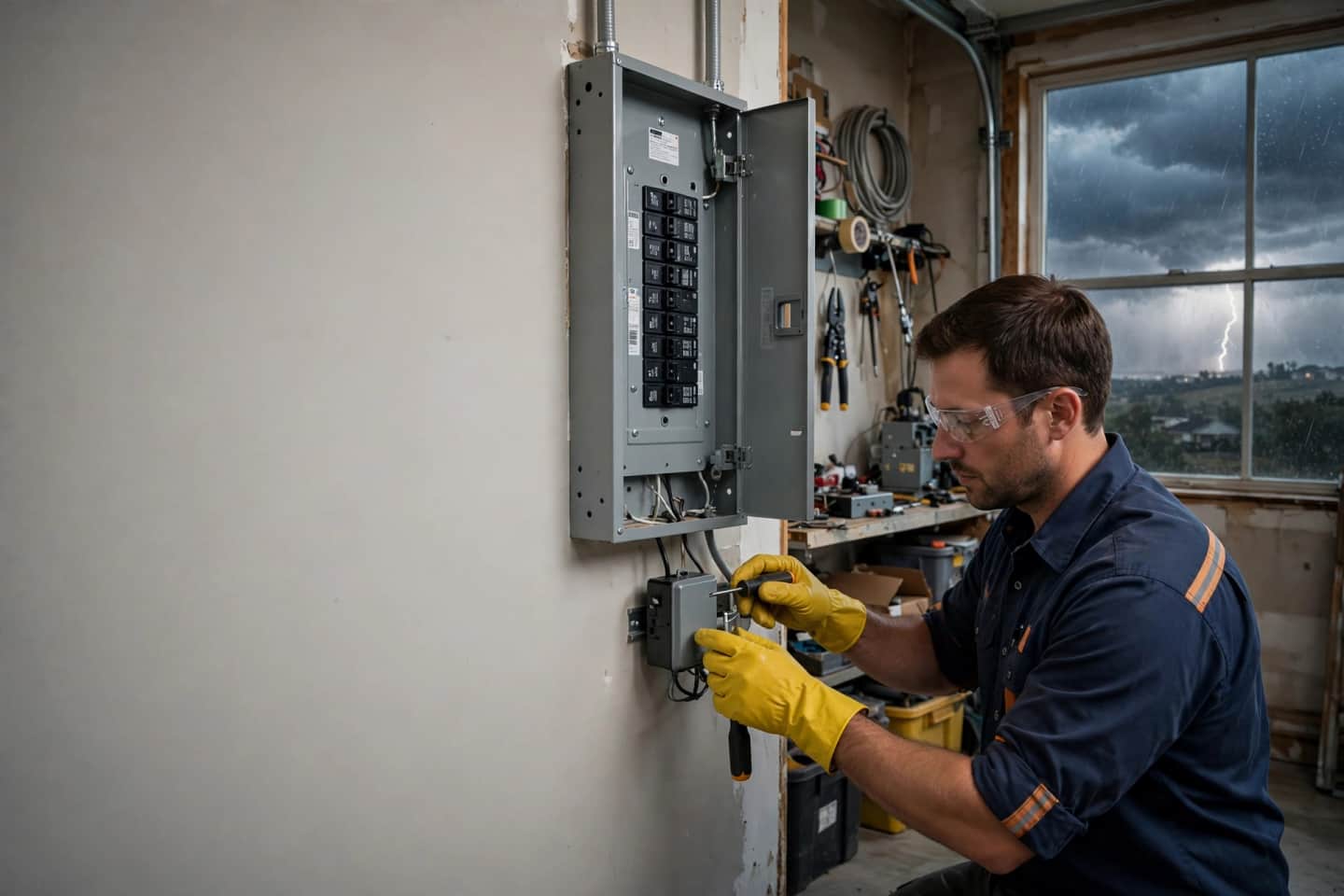
Nearby strikes send surges through power and communication lines. A whole-home surge protective device at the panel, a sound grounding system and point-of-use protection for electronics reduce damage to appliances and HVAC controls.
Long outages make backup power a priority. Standby generators with automatic transfer switches, or portable generators connected through a listed interlock, keep refrigeration, sump pumps and medical equipment running. Any equipment that was submerged must be inspected before re-energizing.
Storm damage can tear service masts and meter bases from the home. After a storm, look for a leaning mast or pulled service cable and keep clear — the utility side stays energized. Repairs to the mast and meter base are usually the homeowner’s responsibility.
Georgia Power is the largest utility in the state, serving most of metro Atlanta and many other cities. Much of Georgia, however, is served by electric membership corporations — member-owned cooperatives — which cover large suburban and rural areas, including fast-growing counties around Atlanta. Dozens of cities, such as Marietta, LaGrange and Dalton, run their own municipal electric systems.
Georgia does not have retail electric choice for homes, so your provider is determined by your address. Each has its own requirements for service upgrades, generator connections and solar interconnection.
Licensing and permits
Electrical contractors in Georgia are licensed by the State Construction Industry Licensing Board through its Division of Electrical Contractors. A Class I license is restricted to smaller single-phase work, while a Class II license is unrestricted. You can verify a license on the Secretary of State’s website.
Georgia adopts statewide minimum standard codes, including the National Electrical Code with state amendments, and cities and counties issue permits and perform inspections. Panel upgrades, new circuits, generators, EV chargers and solar generally require a permit.
Hurricanes reach inland
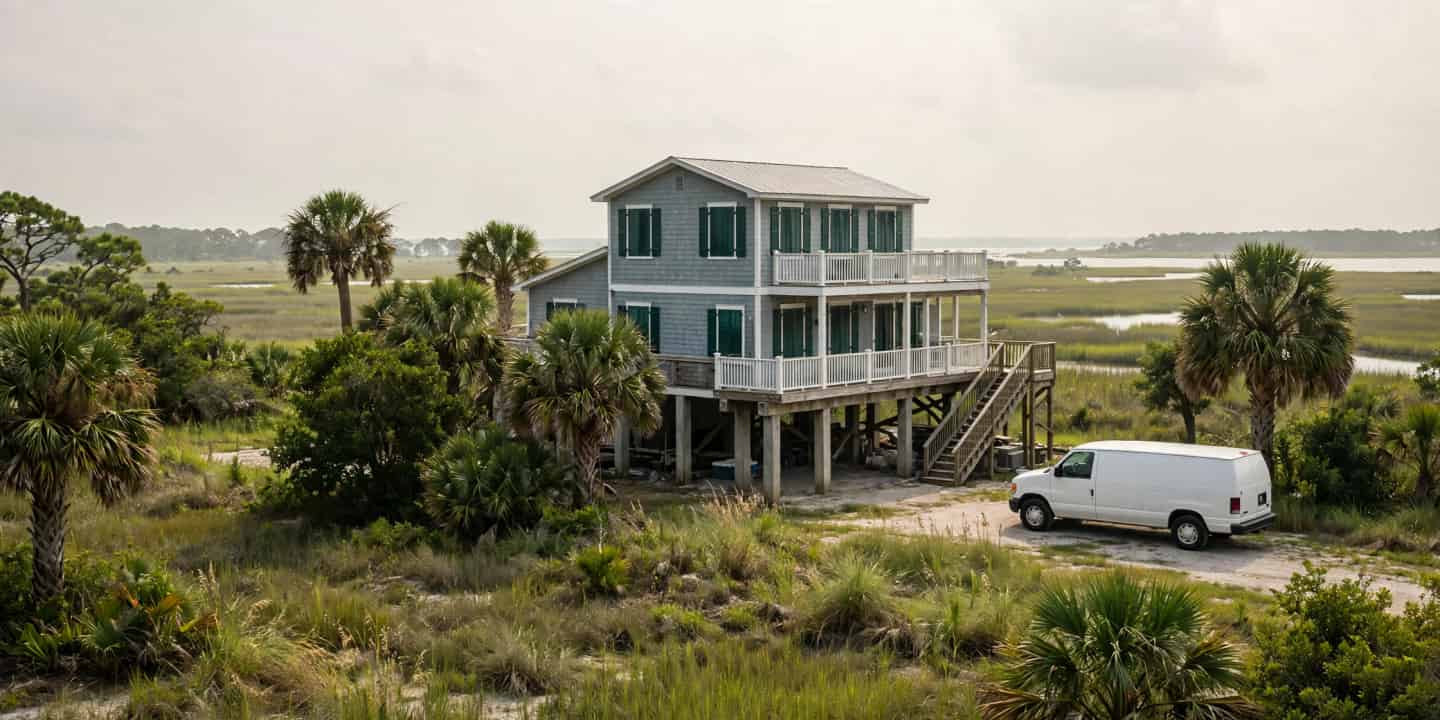
Georgia’s coastline is short, but hurricanes regularly cause damage far inland. Hurricane Michael in 2018 tore through Southwest Georgia, and Hurricane Helene in 2024 brought destructive winds across East Georgia, including the Augusta area, leaving many homes without power for extended periods. Coastal Savannah and Brunswick face storm surge and salt air.
Generators with listed transfer equipment, surge protection and post-storm inspection of masts and meter bases are common upgrades. Portable generators must run outdoors, away from windows and doors.
Lightning, heat and humidity
Afternoon thunderstorms are frequent from late spring through summer, and lightning surges damage air conditioning control boards, appliances and electronics. Whole-home surge protection at the panel, combined with point-of-use protection, reduces that risk.
Long cooling seasons stress breakers and connections, especially in older homes with undersized panels. Humidity causes corrosion and nuisance GFCI trips in garages, crawl spaces and outdoor outlets.
Trees, ice and metro Atlanta
Metro Atlanta has one of the densest urban tree canopies in the country. Falling limbs during thunderstorms and the occasional ice storm — such as the February 2014 storm that caused major outages around Augusta and east Georgia — damage service drops and masts. Keeping limbs trimmed away from the service drop and repairing a pulled mast promptly are practical steps.
Georgia housing
In-town Atlanta neighborhoods such as Inman Park, Grant Park, Kirkwood and Virginia-Highland have Victorian homes and early-1900s bungalows with original or partially updated wiring. Mill villages in towns across the Piedmont have small homes with old wiring. Much of metro Atlanta, however, was built after 1970, and newer suburbs around Atlanta, Savannah and Augusta continue to grow quickly.
Crawl spaces are common in older homes, and they hide wiring that may have been damaged by moisture or rodents. Manufactured homes are common in rural areas.
Growth, EVs and solar
Georgia has attracted major EV and battery manufacturing investment, and EV ownership is growing around Atlanta. Rooftop solar has grown more slowly than in some states, partly because of utility compensation rules, but batteries for backup are increasingly common. A load calculation should come before adding an EV charger, especially to older homes with 100- or 150-amp panels.
Regional differences
Metro Atlanta focuses on in-town renovations, tree damage and fast-growing suburbs. North Georgia mountain areas have cooler winters, ice and longer outage restoration. Middle Georgia around Macon combines older housing and storms. Southwest Georgia is agricultural, rural and exposed to Gulf hurricanes. Coastal Georgia deals with salt air, surge and hurricane evacuation.
Lake homes, docks and pools
Georgia’s large reservoirs — Lake Lanier, Lake Oconee, Lake Sinclair, Lake Hartwell and others — are lined with homes that have boat docks, lifts and dock lighting. Faulty dock wiring can energize the surrounding water, creating a risk of electric shock drowning for swimmers. Dock circuits need proper ground-fault protection, correct bonding and wiring suited to wet locations, and older docks should be checked by an electrician before swimming season.
Backyard pools are common across metro Atlanta and South Georgia, and pumps, heaters and lights require correct bonding and GFCI protection.
Crawl spaces, split-levels and aluminum wiring
Many Georgia homes sit over crawl spaces, where humidity, standing water and rodents can damage wiring that no one sees for years. Suburbs built in the 1960s and 1970s in DeKalb, Cobb and Gwinnett counties include split-levels and ranches with original panels, and some homes from that era have aluminum branch wiring that needs special connectors. Home inspections before a purchase often reveal these issues, along with ungrounded outlets in older in-town homes.
Attic heat and wiring
Georgia attics can reach extreme temperatures in summer, and many homes have their air handlers, ductwork and a large share of their wiring running through the attic. Heat speeds up the aging of old insulation, and overloaded circuits run hotter still. Attic fans, HVAC equipment and recessed lights in insulated ceilings all need correctly rated equipment and connections. When an electrician is in the attic for another job, it is a good time to look for brittle insulation, loose splices and open junction boxes.
In-town Atlanta renovations
Neighborhoods near the Atlanta BeltLine, such as Old Fourth Ward, Reynoldstown, Cabbagetown and West End, have seen intensive renovation of century-old homes and replacement with new construction. Renovations frequently uncover knob-and-tube wiring, undersized services and unpermitted additions. The City of Atlanta Office of Buildings issues permits inside city limits, and a renovation is usually the right moment to upgrade service, add surge protection and plan for an EV charger.
Winter weather in North Georgia
North Georgia’s mountains and foothills see more snow and ice than the rest of the state, and outages there can last longer because of terrain and wooded rights-of-way. Homes with heat pumps lose heat during outages, so backup power plans should account for heating, well pumps and refrigeration.
Historic districts in Savannah and beyond
Savannah’s historic district, along with historic neighborhoods in Macon, Augusta, Athens and Atlanta, contains homes from the 1800s and early 1900s. Interior rewiring follows normal permits, but exterior changes such as relocating a meter or adding conduit to a visible facade may need historic preservation review. Electricians who work in these districts plan routes that preserve plaster, trim and exterior character.
Manufactured homes and rural service
Manufactured homes are common in rural Georgia and are usually fed from an outdoor meter pedestal through an underground or overhead feeder. Storms, settling and lawn equipment can damage these feeders, and older homes may have panels and wiring that need updating. After severe weather, the pedestal, feeder and the connection at the home should be checked before relying on them.
Common electrical calls in Georgia
Frequent requests include surge protection, generator and interlock installations, storm repairs to masts and meter bases, panel upgrades for EV chargers and additions, rewiring older in-town homes, and fixing corroded outdoor outlets and AC disconnects.
Working with an electrician in Georgia
Check the state license class, ask who will pull the permit, and get a written scope. For service upgrades and storm repairs, ask how the electrician will coordinate with Georgia Power, your EMC or your city utility, and how long the power will be off. If you live on one of the state’s lakes, ask the electrician to check dock and boat lift circuits for ground-fault protection while they are on site.
Electrical licensing and permits in Georgia are set by state and local authorities. The electrician confirms what applies to your project.
Services
Most requested in Georgia
Ranked by how many of this state’s climate risks each service addresses.
Connect with an independent licensed electrician near you
Smoke, flames or sparking? Leave the building and call 911 first.
Pronto Electrician is a free referral service. Calls are answered by independent licensed electricians in your area. Pronto Electrician does not perform electrical work, and the electrician you choose sets the price, schedule, permits and warranty.
Free to call · All 50 states + DC
Talk to a licensed electrician in Georgia
Describe the problem and get connected with an independent licensed electrician who serves your area.