
01
Tree damage to service drops
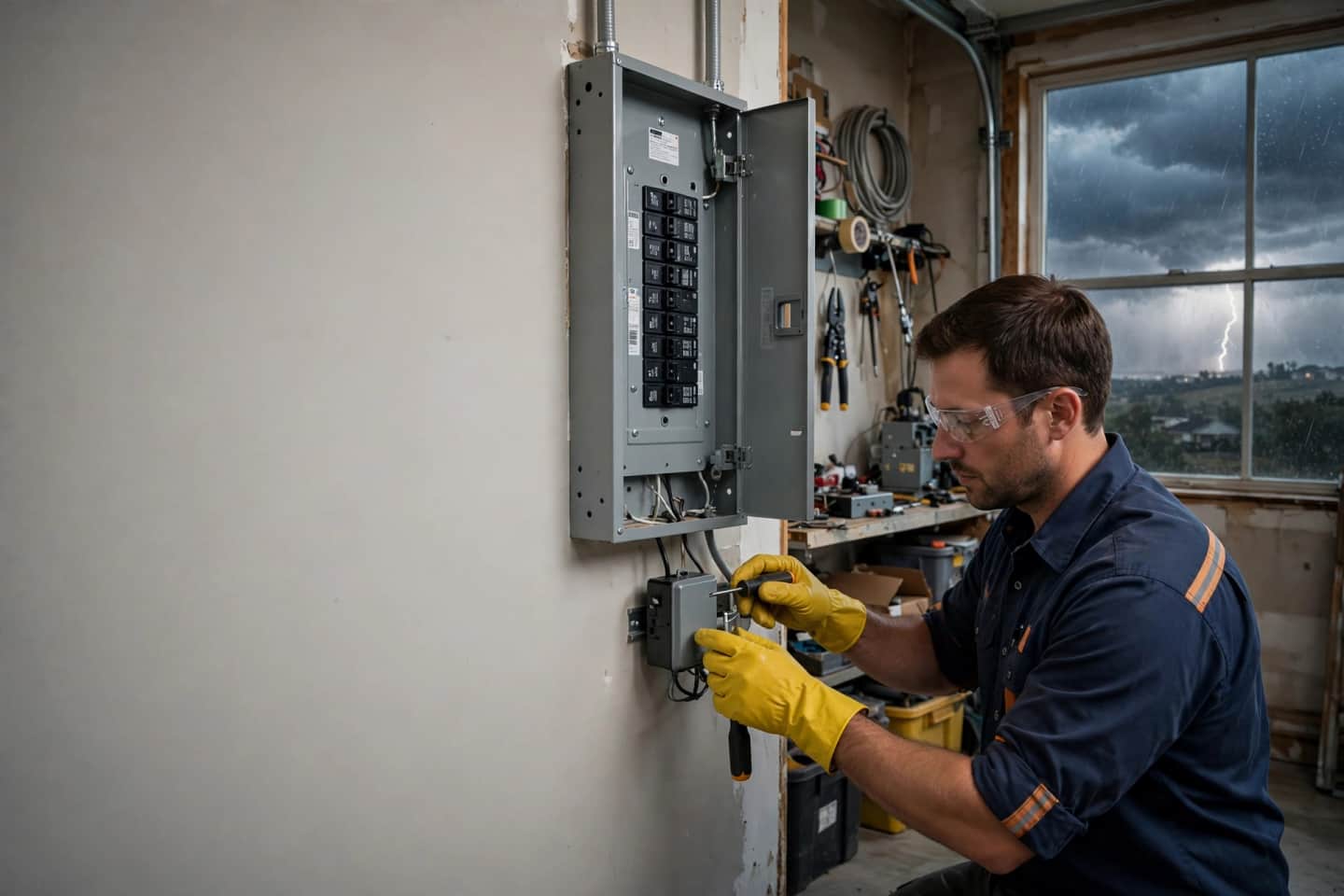
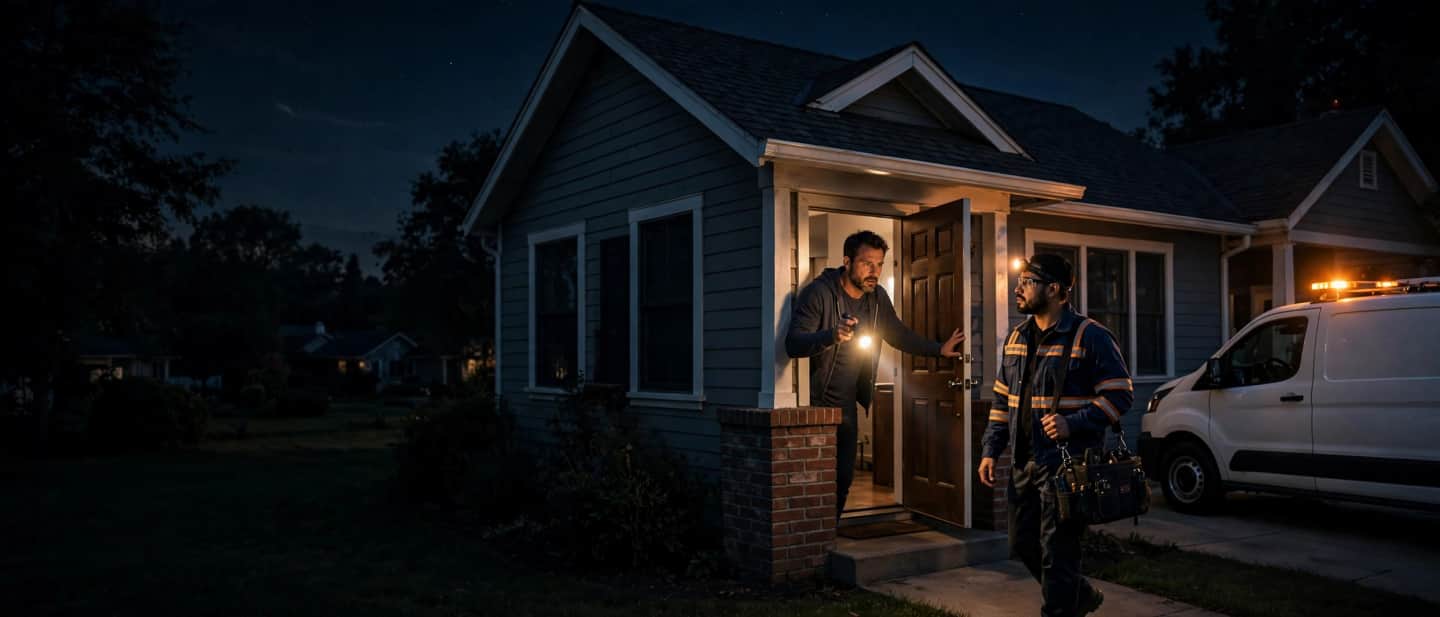
Storm-felled limbs pull service cables and bend masts. Keep clear of downed lines; the mast and meter base repair is usually the homeowner’s responsibility.
Emergency Electrician
Atlanta’s tree canopy is one of the densest of any large U.S. city, and that is the root of many local electrical calls: limbs falling on overhead service drops during summer thunderstorms and the occasional ice storm. Georgia Power restores its lines, but damaged masts and meter bases on the house need an electrician first. Frequent lightning and humid summers round out the picture.
Free to call · Independent licensed electricians
Serving Virginia-Highland, Inman Park, Grant Park, Kirkwood, Midtown, West End and every other Atlanta neighborhood.
Atlanta at a glance
Electrical services in Atlanta
The calls Atlanta homeowners make most, followed by every service independent licensed electricians handle here.
Not sure which service you need? Describe the problem and an electrician will tell you.
Call for Electrical Service in AtlantaHousing and wiring
Inman Park has Victorian homes from the 1880s–1900s, while Virginia-Highland, Grant Park and Kirkwood are full of 1910s–30s bungalows with original or partially updated wiring. Many have been renovated more than once, leaving mixed wiring behind the walls.
Neighborhoods we cover
Local issues
Problems that come up again and again in local homes, and the service that fixes each one.
Storm-felled limbs pull service cables and bend masts. Keep clear of downed lines; the mast and meter base repair is usually the homeowner’s responsibility.
Emergency ElectricianSurge protection at the panel reduces damage to HVAC boards, appliances and electronics during Atlanta’s thunderstorm season.
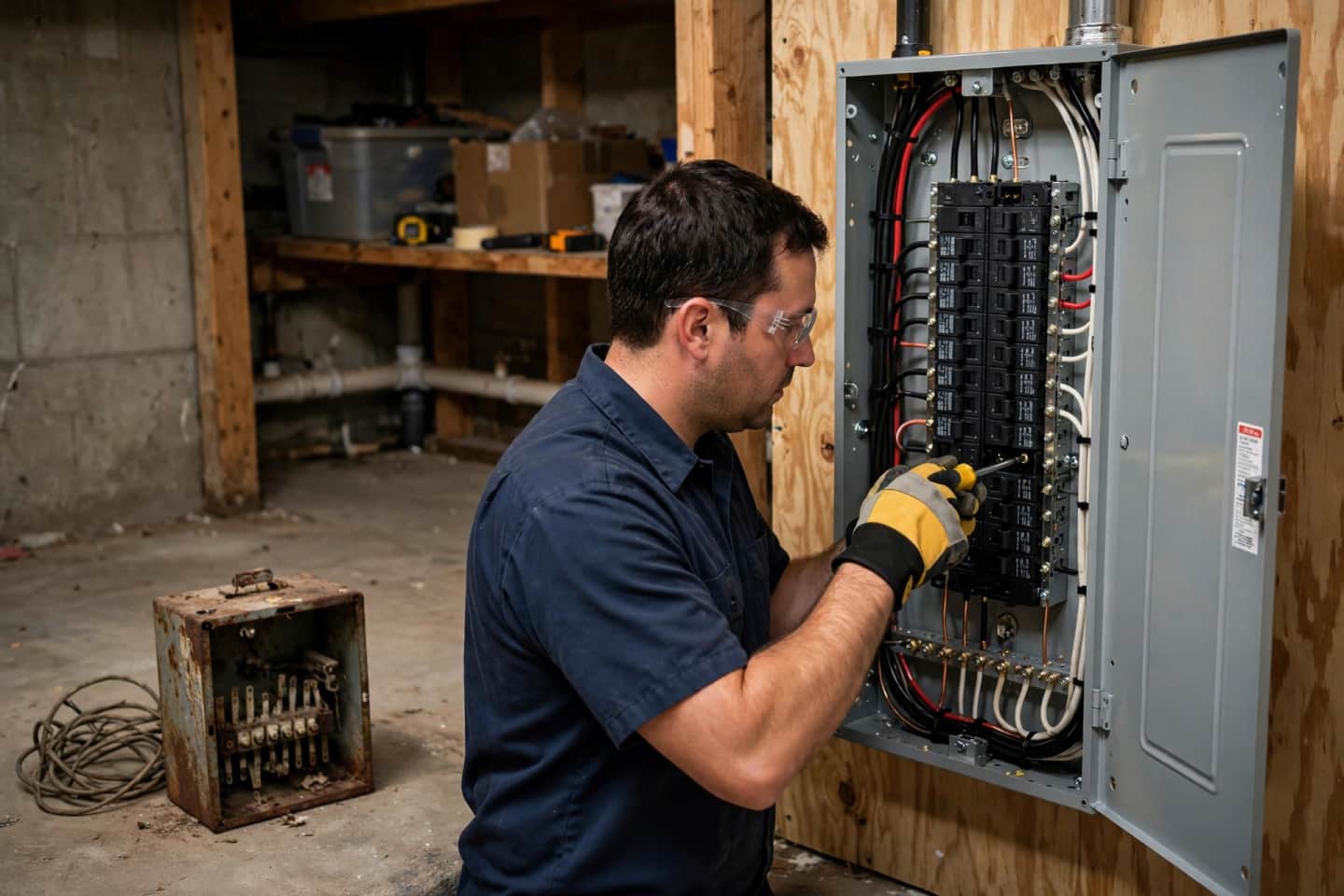
Whole-Home Surge ProtectionKitchen and bath renovations in older homes often require new dedicated circuits and replacing ungrounded wiring.
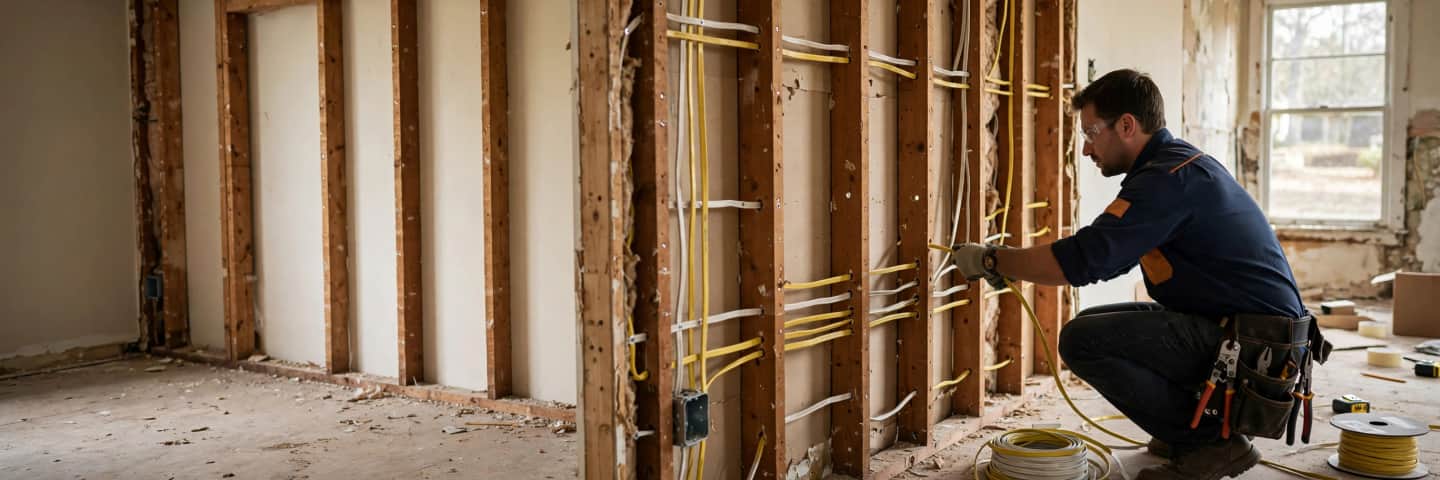
House RewiringLocal guide
History, housing, weather and rules that shape electrical work in Atlanta, GA.
The City of Atlanta’s Office of Buildings issues electrical permits for addresses inside city limits, but many metro addresses with an Atlanta mailing address are actually in other cities or unincorporated counties, such as Sandy Springs, Brookhaven, Decatur or unincorporated DeKalb. Each has its own permit process, so confirming the jurisdiction is the first step.
Inman Park, Atlanta’s first planned suburb, has Victorian homes from the late 1800s. Virginia-Highland, Grant Park, Kirkwood and Ormewood Park are full of Craftsman bungalows from the 1910s and 1920s. West End and Adair Park have older homes being restored, Buckhead has large estates and new construction, and East Atlanta and Edgewood mix bungalows with infill.
Atlanta is often called a city in a forest, and its oaks, pines and poplars tower over homes and power lines. Summer thunderstorms and the occasional ice storm bring limbs down on service drops, pulling masts off houses. Georgia Power trims its lines, but limbs near the house-side drop are the owner’s to manage.
The Atlanta BeltLine, built on old rail corridors, has driven redevelopment in Old Fourth Ward, Reynoldstown, Westside neighborhoods and beyond. New townhomes and apartments sit next to century-old houses, and renovations often reveal undersized services and old wiring that must be replaced.
Many Atlanta bungalows sit over crawl spaces, where humidity, standing water and animals degrade wiring. Electricians often find old splices without boxes, damaged cable and amateur additions under these homes. Encapsulating crawl spaces is popular, and it is a good time to fix wiring underneath.
Atlanta’s summer storms bring frequent lightning, and surges damage HVAC control boards, appliances and electronics. A whole-home surge protective device at the panel is an inexpensive layer of protection.
Atlanta rarely gets snow, but when it does, the city struggles, as during the January 2014 storm that stranded drivers on highways. Ice storms bring limbs onto lines and can cause long outages. Backup power is useful for heat pumps, refrigeration and medical needs.
Metro Atlanta has one of the larger EV markets in the Southeast. Homes with garages can add Level 2 chargers, but older in-town homes may need a panel upgrade first. Condo and apartment residents need building approval for charging.
Atlanta’s historic and landmark districts, including Inman Park, Grant Park and others, review exterior changes. Meter relocations and visible conduit may require approval from the Urban Design Commission.
Atlanta’s hilly terrain means many homes have walk-out basements, which are often finished into living space or rental units. Basement wiring added without permits is common, and moisture can affect panels and connections.
Common requests include storm repairs to masts and drops, surge protection, panel upgrades in older homes, rewiring bungalows, basement finishing, EV chargers and generator installations.
Home inspections in Atlanta frequently flag fuse panels, older panels with known reliability concerns, aluminum branch wiring in some suburban homes from the late 1960s and early 1970s, and ungrounded outlets in older in-town houses. Because Atlanta’s market moves quickly, buyers often have little time to evaluate these findings. Bringing in a licensed electrician during the due diligence period gives a clear picture of what must be fixed and what it will cost.
Atlanta has eased rules on accessory dwelling units in many neighborhoods, and basement apartments and backyard cottages are increasingly common. Each unit needs a properly sized feeder or separate meter, its own circuits, smoke alarms and inspection. Older walk-out basements converted without permits often have overloaded circuits and missing ground-fault protection that should be corrected before renting.
Backyard pools, screened porches and outdoor kitchens are popular in Atlanta’s suburbs and in-town neighborhoods alike. Pool equipment requires proper bonding and ground-fault protection, and outdoor circuits need weather-resistant devices. With frequent thunderstorms, surge protection for pool automation and outdoor electronics is worth adding.
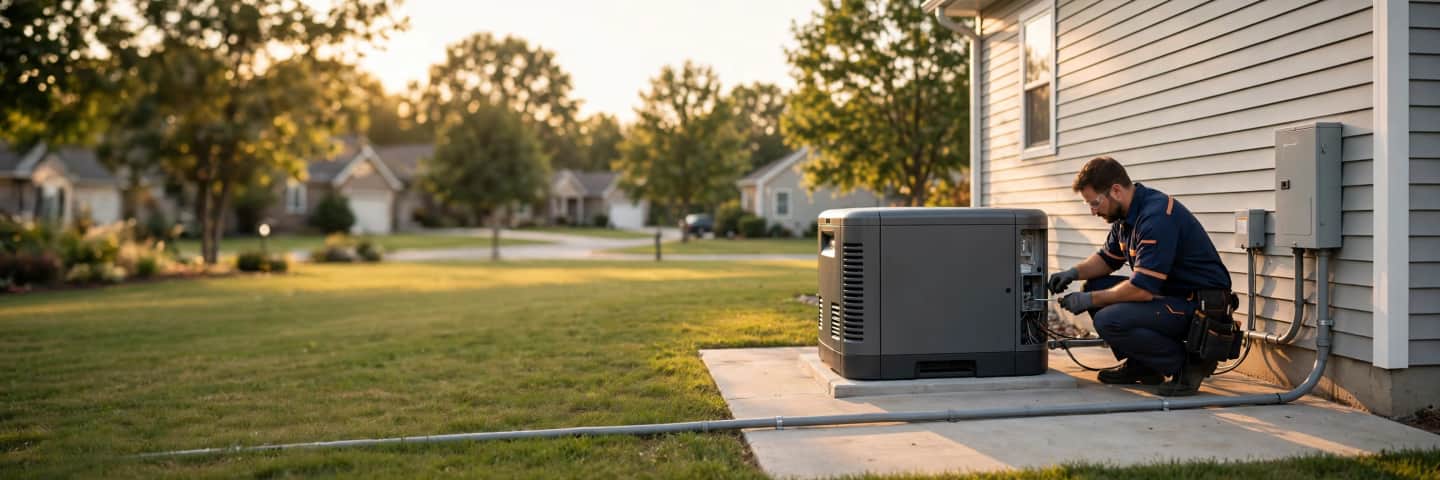
Because tree-related outages are common, many Atlanta homeowners install standby generators powered by natural gas or portable generators connected through a listed interlock. Generators must be placed outdoors with proper clearances, and standby units require electrical and gas permits. Some homeowners choose batteries paired with solar as a quieter alternative.
Many older Atlanta homes still use aging air conditioners and gas furnaces, while newer homes increasingly rely on heat pumps. Replacing an old system with a heat pump can lower bills, but the electrician should confirm that circuit sizes and panel capacity can handle the new equipment and its backup heat.
Southwest Atlanta neighborhoods such as Cascade Heights, Collier Heights and the West End include mid-century homes and older bungalows owned by longtime residents. Outdated panels and wiring are common, and city and nonprofit programs sometimes help eligible homeowners with repairs.
East-side neighborhoods such as Kirkwood, Edgewood, East Lake and the City of Decatur combine 1910s and 1920s bungalows with new infill homes. Renovations there routinely upgrade services from 100 to 200 amps, replace original wiring and add circuits for modern kitchens and EV chargers. Decatur, as a separate city, issues its own permits and has its own historic review for some districts.
Simple electrical repairs in Atlanta can often be scheduled quickly, but service upgrades depend on permits, inspections and Georgia Power scheduling. Projects in historic districts can take longer because of design review, so owners planning exterior changes should build that time into their schedule.
Buckhead and the Northside have large homes with multiple HVAC systems, pools, elaborate landscape lighting, standby generators and EV chargers. These homes often have 400-amp services or multiple panels, and renovations require careful load planning. Generators for large homes must be sized for several air conditioning systems if the owners expect full cooling during outages.
Midtown and downtown Atlanta have condo towers and converted lofts where unit owners need association approval for panel changes and EV charging. Loft conversions of older industrial buildings may have unusual electrical layouts worth reviewing before renovation, including shared feeders, old commercial-grade panels and exposed conduit that owners want to keep as a design feature.
Questions
The City of Atlanta Office of Buildings handles permits within city limits. DeKalb County and nearby cities like Decatur have their own offices.
Georgia Power handles the line to your house. The mast, weatherhead and meter base are typically yours, and an electrician must repair them before reconnection.
Problem guides
 Breaker Keeps TrippingWhy does my circuit breaker keep tripping?
 Flickering LightsWhy are the lights in my house flickering?
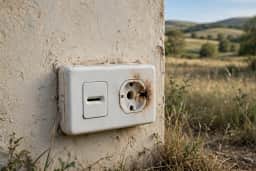 Burnt or Scorched OutletWhat should I do if an outlet has burn marks?
 Burning Smell From OutletIs a burning smell from an outlet dangerous?
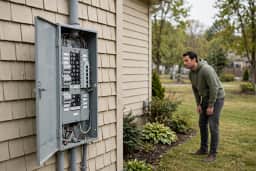 Buzzing Electrical PanelWhy is my electrical panel buzzing?
 Power Out in Part of the HouseWhy is the power out in only part of my house?
Same-day help often available
Call an electrician in Atlanta
Describe the problem and your Atlanta neighborhood. Your call goes to an independent licensed electrician who works locally.
Call (855) 679-2483Smoke, flames or sparking? Leave the building and call 911 first.
Pronto Electrician is a free referral service. Calls are answered by independent licensed electricians in your area. Pronto Electrician does not perform electrical work, and the electrician you choose sets the price, schedule, permits and warranty.
Free to call · All 50 states + DC
Describe the problem and get connected with an independent licensed electrician who serves your area.