01
Lightning capital surges
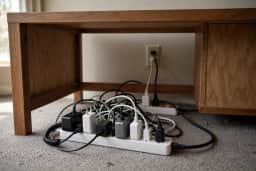
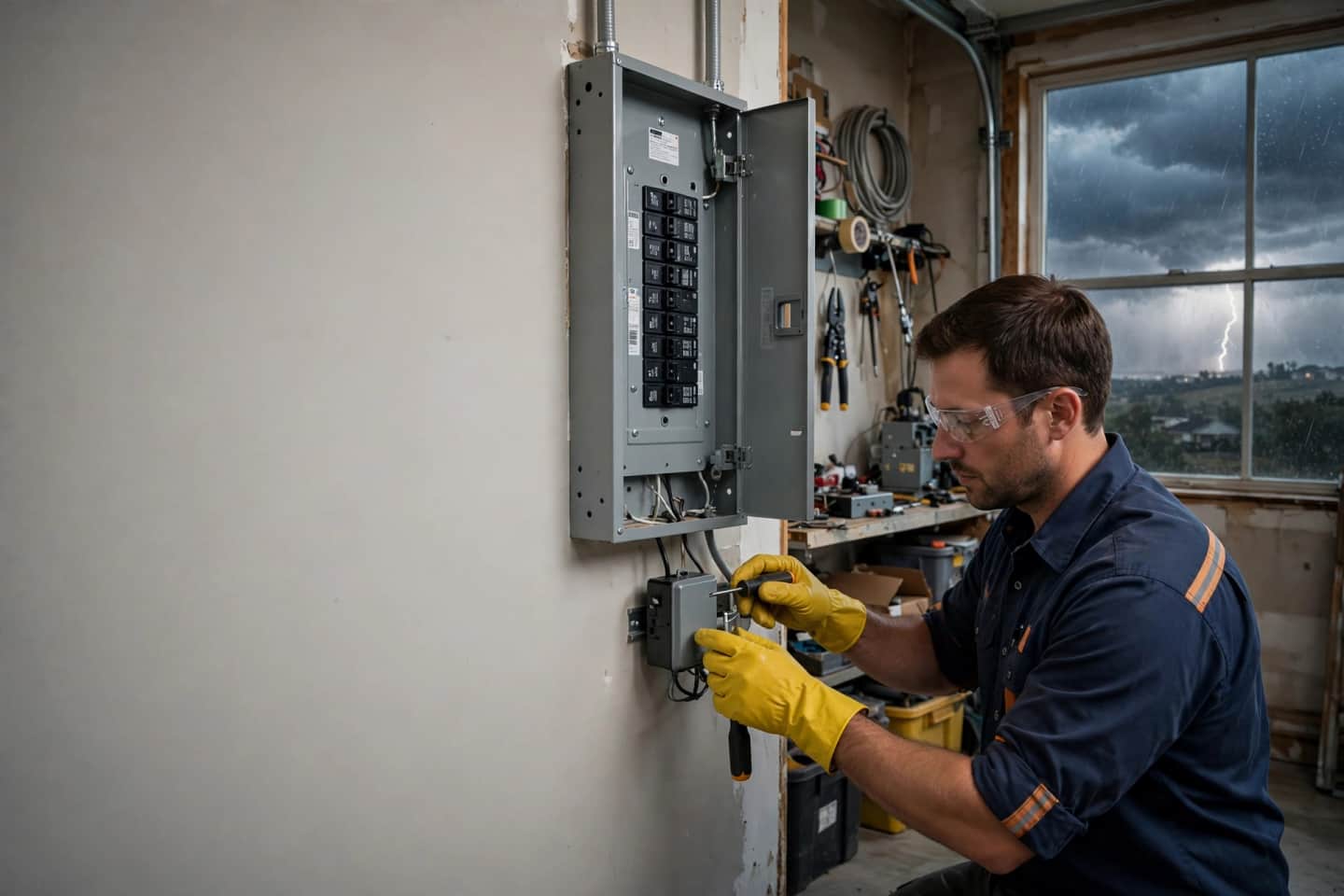
Frequent strikes send surges through power and cable lines. Whole-home surge protection plus point-of-use strips protect HVAC and electronics.
Whole-Home Surge Protection
The Tampa Bay area has some of the most frequent lightning in the United States, and the 2024 back-to-back hurricanes, Helene and Milton, brought storm surge and widespread outages to the region. For Tampa homeowners, that makes surge protection, backup power and post-storm inspections the electrical upgrades that matter most.
Free to call · Independent licensed electricians
Serving Seminole Heights, Hyde Park, Ybor City, South Tampa, Tampa Heights, Westshore and every other Tampa neighborhood.
Tampa at a glance
Electrical services in Tampa
The calls Tampa homeowners make most, followed by every service independent licensed electricians handle here.
Not sure which service you need? Describe the problem and an electrician will tell you.
Call for Electrical Service in TampaHousing and wiring
Seminole Heights and Hyde Park have 1910s–30s bungalows with original wiring and small services. Much of the rest of the city is mid-century block construction, along with newer homes in Westshore and New Tampa.
Neighborhoods we cover
Local issues
Problems that come up again and again in local homes, and the service that fixes each one.
Frequent strikes send surges through power and cable lines. Whole-home surge protection plus point-of-use strips protect HVAC and electronics.
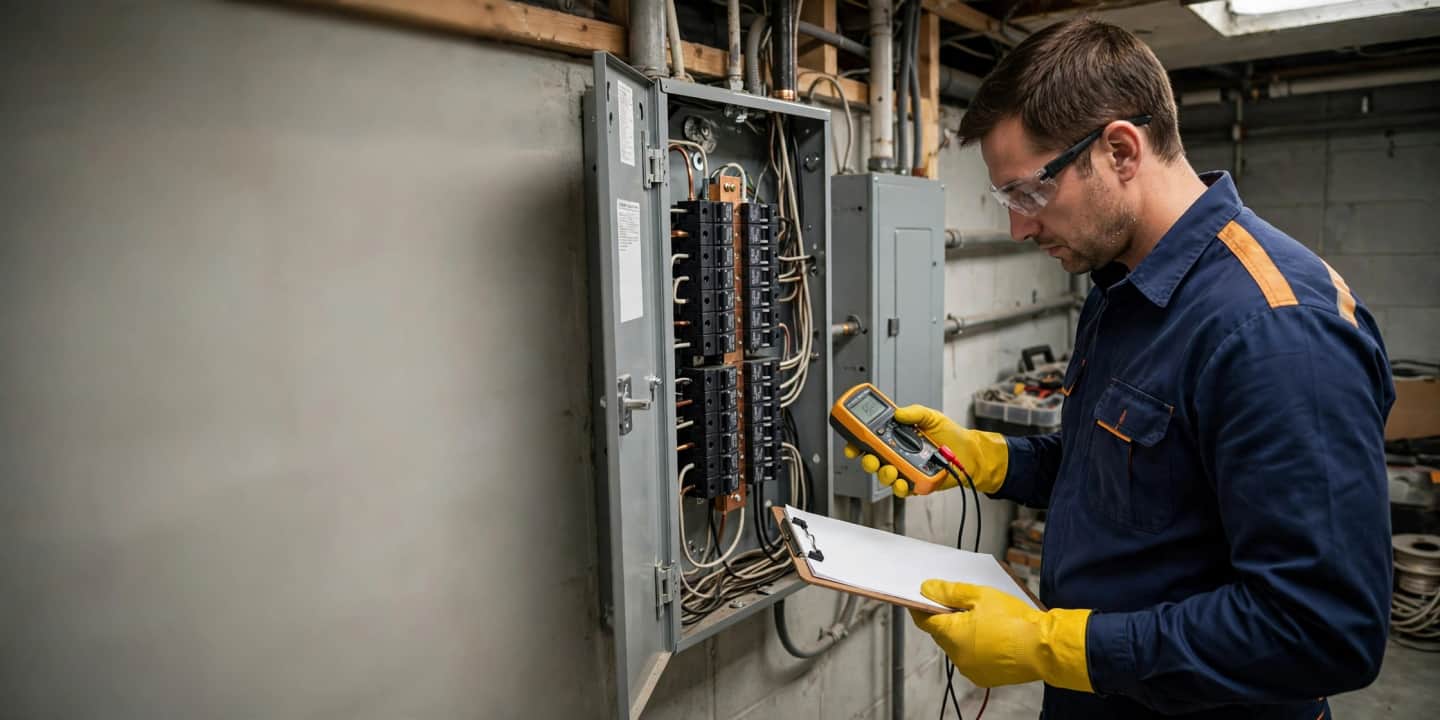
Whole-Home Surge ProtectionAfter the 2024 storms, many low-lying homes needed electrical inspection before power could be restored. Flooded panels and outlets generally need replacement.
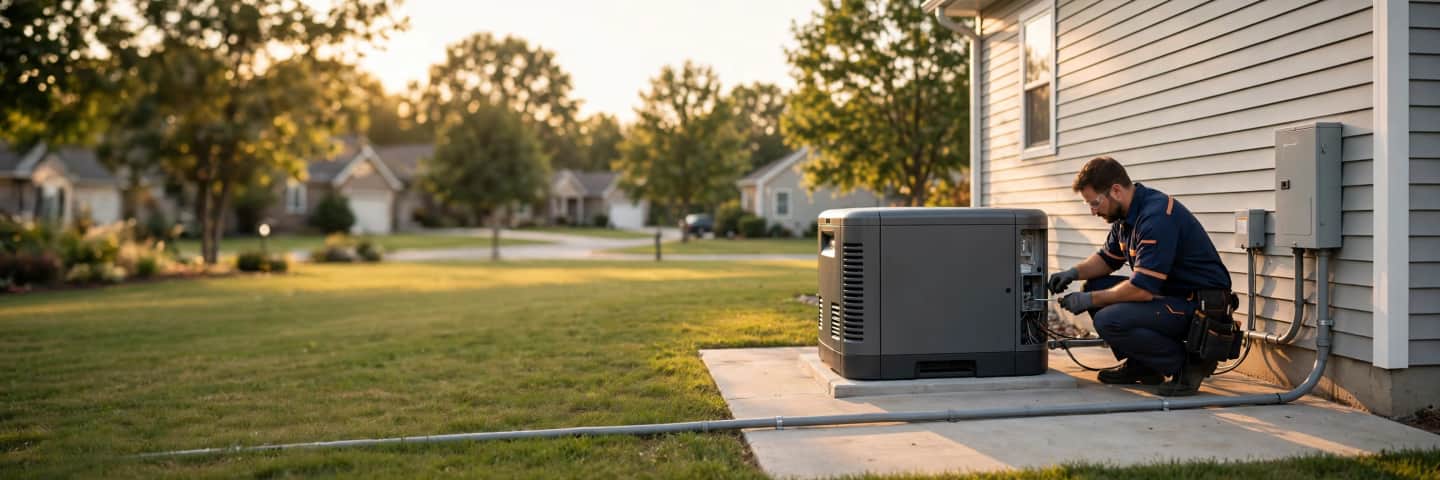
Electrical Safety InspectionInterlocks and standby generators keep essentials running through multi-day outages after hurricanes.
Generator InstallationLocal guide
History, housing, weather and rules that shape electrical work in Tampa, FL.
Hyde Park’s brick streets are lined with early-1900s homes, many in a local historic district, while Seminole Heights is known for Craftsman bungalows from the 1910s and 1920s with front porches and wood floors. Ybor City has cigar-worker casitas and brick buildings from the late 1800s, Tampa Heights has older homes being restored, and South Tampa neighborhoods along Bayshore mix mid-century homes with large new construction. Each era brings its own wiring: bungalows with original or patched circuits, mid-century homes on small panels, and new homes built for heavy loads.
Tampa Bay’s shape funnels storm surge toward the city, and in September 2024 Hurricane Helene pushed water into Davis Islands, Bayshore and low-lying neighborhoods even though the storm passed far offshore. Two weeks later, Hurricane Milton made landfall south of the bay and brought widespread wind damage and outages across the region. Homes that flooded needed outlets, panels and appliances replaced, and many owners have since raised equipment and added generators or batteries.
Tampa Bay sits in one of the most lightning-prone regions of the United States, and the local NHL team is even named for it. Nearby strikes send surges into homes through power, cable and phone lines, damaging air conditioning control boards, pool automation, garage door openers and televisions. A whole-home surge protective device at the panel, a solid grounding system and good point-of-use protection together make a noticeable difference.
Ybor City and Hyde Park are historic districts where the city’s Architectural Review Commission reviews exterior changes. Relocating a meter to a visible wall, adding exterior conduit or installing rooftop equipment may need approval. Renovating casitas and bungalows usually means a new service and complete rewiring while preserving original woodwork.
Davis Islands and Harbour Island are low-lying neighborhoods surrounded by water, with homes and condos that face storm surge and salt air. Raised electrical equipment, corrosion-resistant enclosures and backup power are standard considerations, and dock wiring needs ground-fault protection to keep the water around boats and swimmers safe.
Florida insurers often require four-point inspections for older Tampa homes and may decline houses with fuse boxes, certain older panels, aluminum wiring or ungrounded circuits. Replacing a panel or correcting wiring problems is frequently what allows a buyer to close or an owner to keep coverage.
Screened pools and lanais are common across Tampa’s suburbs and in many city neighborhoods. Pool pumps, heaters and lights require correct bonding and ground-fault protection, and lanai ceiling fans and lighting must be rated for damp locations. After storms, pool equipment and outdoor circuits should be checked before use.
Addresses inside city limits get permits from City of Tampa Construction Services, while unincorporated Hillsborough County, Temple Terrace and Plant City have their own offices. After major storms, permitting offices often issue special guidance on rebuilding and reconnection.
Common requests include surge protection, generator and battery installations, panel replacements for insurance, storm and flood repairs, raised equipment in flood zones, bungalow rewiring, pool bonding and EV chargers.
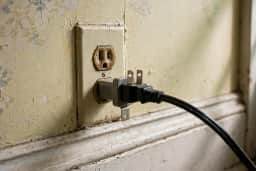
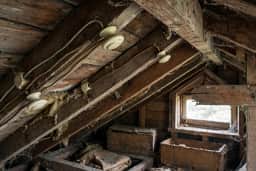
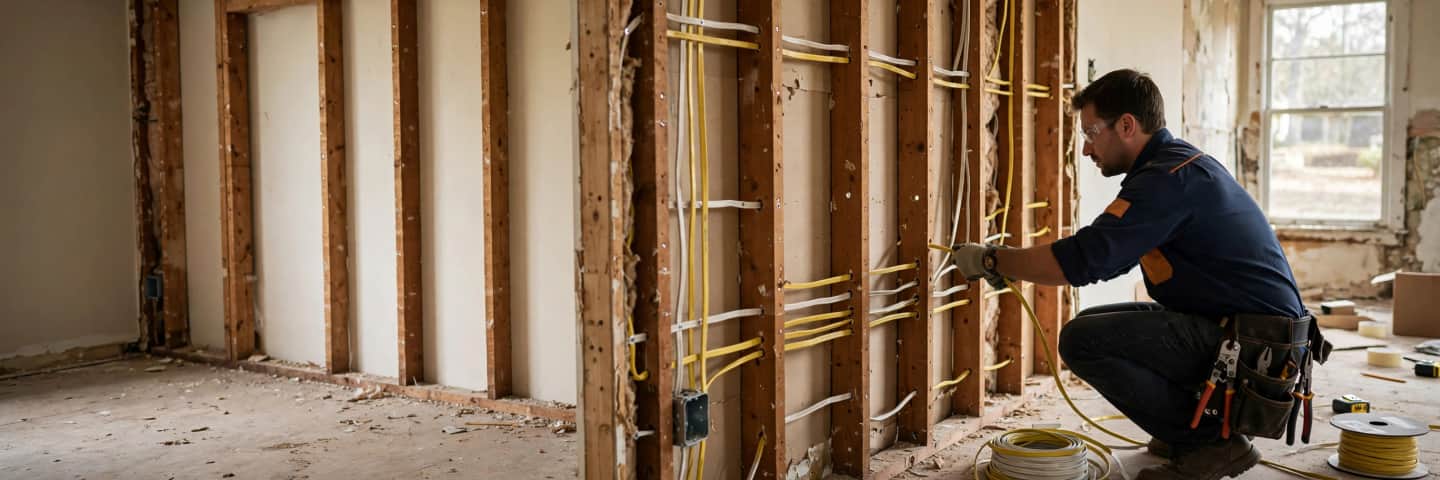
Seminole Heights bungalows often still have knob-and-tube wiring in their attics, two-prong outlets, and porch lights wired decades ago. Restorations typically replace the service and panel, run new grounded circuits through the attic and crawl space, and add ground-fault protection in kitchens and baths. Many owners also add attic insulation once the old wiring is gone, which cannot be done safely while knob-and-tube remains in use.
The Tampa Bay region, especially north into Pasco and Hernando counties, has limestone bedrock where sinkholes can form. Settling ground can crack slabs and damage underground service conduit, meter bases and pool equipment. If cracks appear and outlets or lights start behaving strangely, an electrician should check the service entrance and underground runs along with the structural evaluation.
Natural gas is available in parts of Tampa but not everywhere, so many homeowners choose propane-fueled standby generators or portable generators with an interlock. Standby units in flood-prone neighborhoods should sit on raised pads, and every generator must be outdoors with proper clearance from windows and doors.
Westshore has seen many new apartments and townhomes near the airport and business district, while New Tampa and the suburbs to the north and east have grown with planned communities and newer homes. These homes typically have 200-amp services, though pools, two air conditioners and EV chargers can still fill a panel quickly.
Around the University of South Florida, many older homes and apartment complexes house students. Heavy use and older wiring make regular checks of outlets, panels and alarms important for landlords between leases.
Condominium towers along Bayshore Boulevard and downtown face salt air and storm surge risk, and their associations manage shared electrical rooms and generators. Unit renovations and EV charging require association approval.
Tampa Electric customers can install rooftop solar under the utility’s interconnection rules, and many pair it with batteries for storm resilience. EV ownership is growing in South Tampa and the suburbs.
The southern end of the interbay peninsula, from Port Tampa to Ballast Point, is low and surrounded by water on several sides. Homes there face some of the highest storm surge risk in the city. When renovating, owners increasingly move panels, water heaters and air handlers higher, and plan generator or battery backup that can operate after the water recedes.
Tampa’s cooling season runs most of the year, and ceiling fans in every room are standard. Fans must hang from fan-rated boxes, and older bungalows often need new switch wiring so fans and lights can be controlled separately.
Tampa buyers commonly face insurance requirements tied to the age and type of the electrical panel. Some carriers want panels replaced when they reach a certain age, so replacing an older panel before listing a home can make the sale smoother.
Before June, test the generator, confirm it connects through a transfer switch or interlock, know where the main breaker is, and photograph the panel and outdoor equipment for insurance. If you evacuate from a surge zone, switching off the main breaker first reduces damage when power returns.
Screened lanais need fans and lights rated for damp locations, mounted on fan-rated boxes and protected from wind-driven rain.
Questions
City of Tampa Construction Services handles permits in the city; unincorporated Hillsborough County has its own permitting office.
If water reached electrical equipment, yes. Many utilities and local officials require it before reconnecting a flooded home.
Problem guides
Same-day help often available
Call an electrician in Tampa
Describe the problem and your Tampa neighborhood. Your call goes to an independent licensed electrician who works locally.
Call (855) 679-2483Smoke, flames or sparking? Leave the building and call 911 first.
Pronto Electrician is a free referral service. Calls are answered by independent licensed electricians in your area. Pronto Electrician does not perform electrical work, and the electrician you choose sets the price, schedule, permits and warranty.
Free to call · All 50 states + DC
Describe the problem and get connected with an independent licensed electrician who serves your area.