Florida guide
Electrical Panel Upgrade in Florida: what to know
Who may replace a panel in Florida
Florida’s Electrical Contractors’ Licensing Board, part of the Department of Business and Professional Regulation, licenses electrical contractors. A certified contractor may work statewide, while a registered contractor works in the local jurisdictions where they hold a competency license. Check either type on the DBPR license search. Panel and service replacement is electrical contracting work that requires that license; an unlicensed installer can leave a homeowner with a failed inspection and an insurance problem.
Permits under the Florida Building Code
Florida has a statewide building code that adopts the National Electrical Code for electrical work, enforced by county and city building departments. Panel replacements and service changes need a permit and inspection everywhere in the state. Many departments in Miami-Dade, Broward, Palm Beach, Hillsborough, Orange and Duval counties offer online permitting and inspection scheduling.
Insurance and the 4-point inspection
Insurers writing or renewing policies on older Florida homes commonly require a 4-point inspection covering the roof, electrical, plumbing and HVAC. The electrical section notes the panel brand, service size, wiring type and visible hazards. Federal Pacific, Zinsco, Challenger and some other panels, fuse boxes, aluminum branch wiring and double-tapped breakers often lead to a requirement to replace or repair before coverage is bound. A permitted panel replacement with final inspection gives the insurer the documentation it needs.
FPL, Duke Energy and other Florida utilities
Florida Power & Light serves much of the east coast, South Florida and, since absorbing Gulf Power, the western Panhandle. Duke Energy Florida serves large parts of central and west-central Florida, Tampa Electric serves the Tampa Bay area, and municipal utilities such as JEA in Jacksonville, OUC in Orlando and the Lakeland and Tallahassee utilities serve their cities. Electric cooperatives serve many rural counties. Each publishes meter and service requirements, and service size increases need the utility’s approval and scheduling.
Hurricanes and storm-damaged service equipment
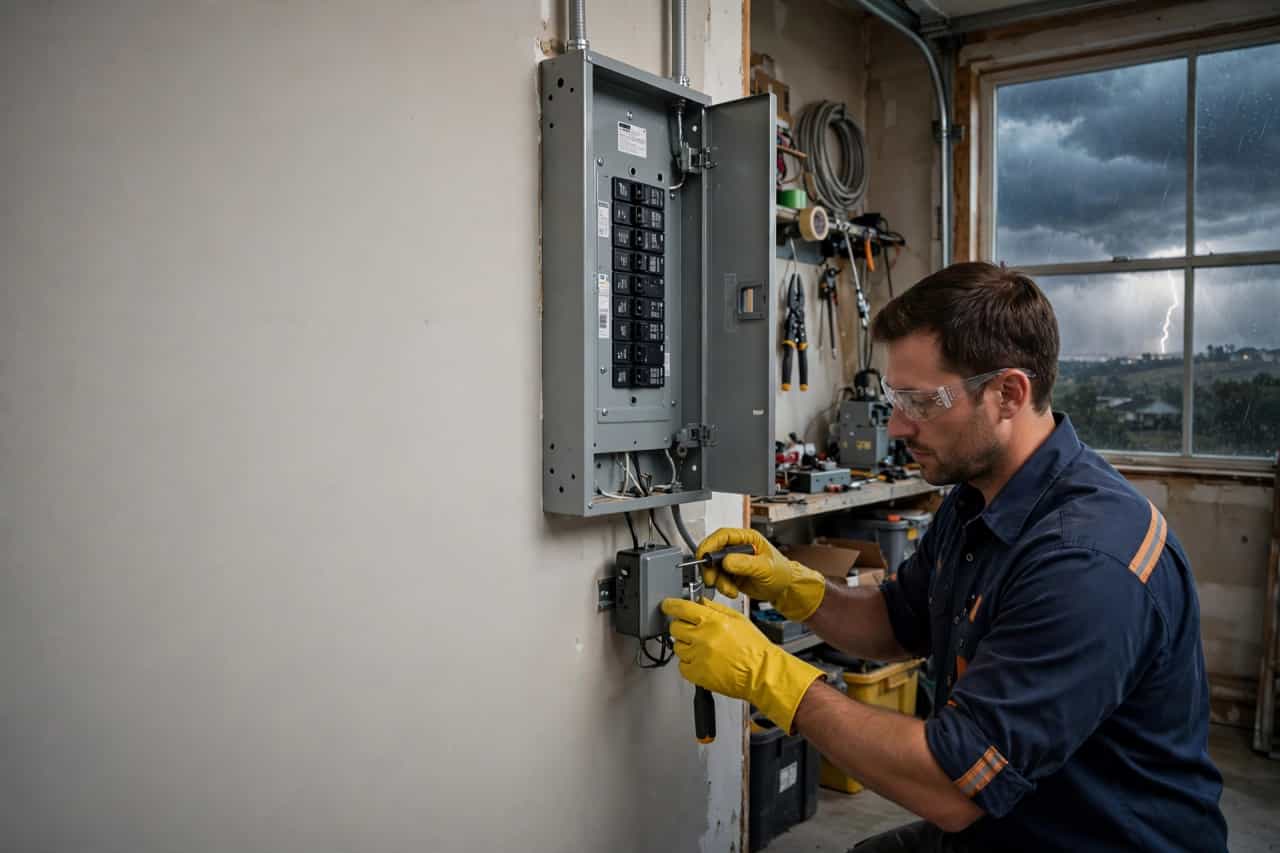
Hurricanes routinely damage masts, weatherheads, meter sockets and service drops. After a storm, utilities restore lines but generally will not reconnect a house whose service equipment is damaged until a licensed electrician repairs it and, in many jurisdictions, the building department inspects. Waiting lists for electricians are long after major storms, so owners of older panels sometimes upgrade before hurricane season.
Flooding and panels in garages
Many Florida homes have panels in garages or on exterior walls close to ground level. Storm surge and flooding can submerge them. Panels, breakers and meter sockets that have been under water are replaced, not dried and reused. When replacing a panel in a flood-prone area, the electrician may consider relocating it higher where code and the building allow.
Salt air and corrosion
Coastal homes face salt air that corrodes meter sockets, panel enclosures and breaker connections, especially on exterior walls facing the ocean. Corrosion inside a panel can cause poor connections and overheating. Outdoor equipment rated for corrosive environments, sealed conduit entries and regular inspections help extend its life.
Lightning and surge protection
Central Florida has some of the highest lightning activity in the United States. Current code requires a surge protective device when a dwelling service is replaced, and adding one at the panel is a sensible part of any Florida upgrade, especially for homes with smart HVAC equipment and pool controls.
Air conditioning, pools and Florida loads
Year-round cooling makes air conditioning the largest load in most Florida homes, and many have pools with pumps, heaters and lighting. Heat pump pool heaters and larger AC systems can push a 100 or 150-amp service past its limit. A load calculation using equipment nameplates shows whether a 200-amp service is needed.
Generators after hurricanes
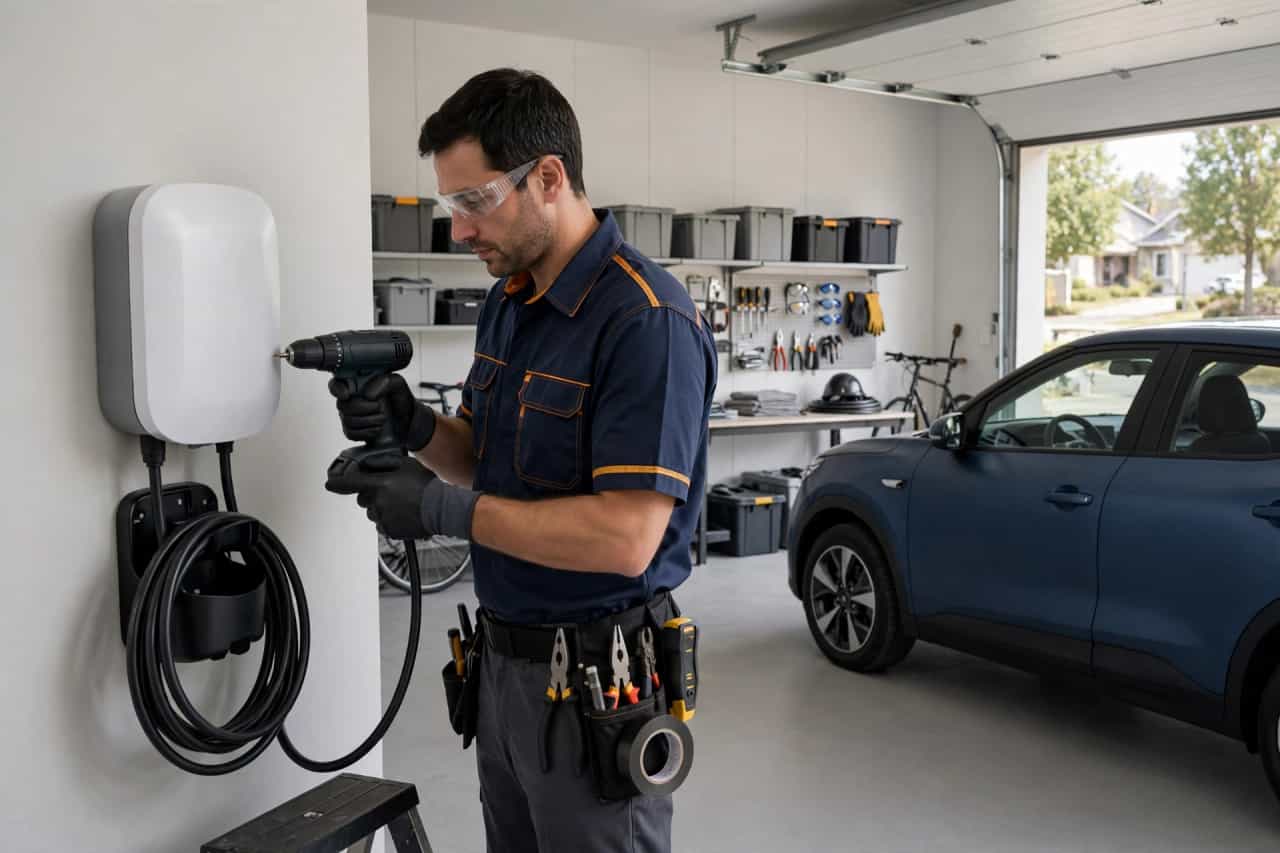
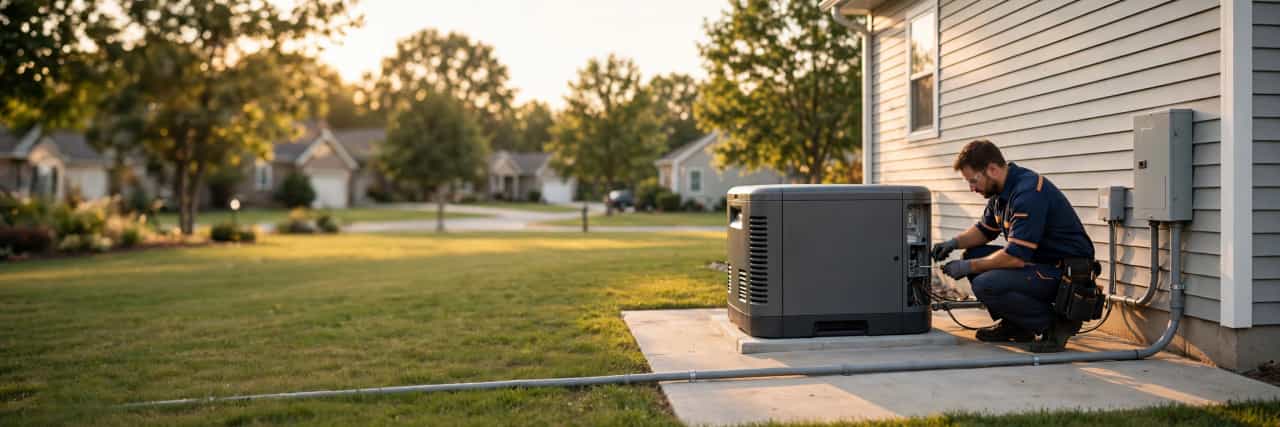
Long outages after storms lead many Floridians to add portable generator interlocks or standby generators. Planning the connection during a panel upgrade ensures the new panel accepts a listed interlock or that a transfer switch is installed with essential circuits identified.
Florida housing eras and their panels
Florida’s housing boom from the 1950s through the 1980s left many homes with 100 to 150-amp services and panel brands that insurers now flag. Condominiums and older mobile homes have their own service arrangements; condo panels are often inside units, while meter banks are owned by the association.
Condominiums and associations
In condo buildings, the unit panel is usually the owner’s responsibility, while meter rooms and feeders belong to the association. Upgrades may need association approval and coordination with the building’s electrical room access and shutdown schedules.
Mobile and manufactured homes
Florida has one of the largest populations of manufactured homes in the country. Many are fed from a pedestal or pole-mounted meter with a feeder to the home’s panel, and the rules for grounding and bonding differ from site-built houses: the home’s panel keeps neutrals and grounds separate, and the service equipment is at the pedestal. Upgrades in parks may also need the park owner’s approval because the pedestal and underground feeders may belong to the park.
Solar, batteries and Florida net metering
Rooftop solar has grown quickly across Florida, and battery systems are popular for hurricane backup. Solar inverters backfeed through the panel, and the busbar rating limits how large a system can connect there. Homes adding solar or batteries often need a new panel with a larger busbar or a supply-side connection, plus a critical-loads panel for battery backup. Planning those together with a panel upgrade avoids paying for the work twice.
What happens on the upgrade day
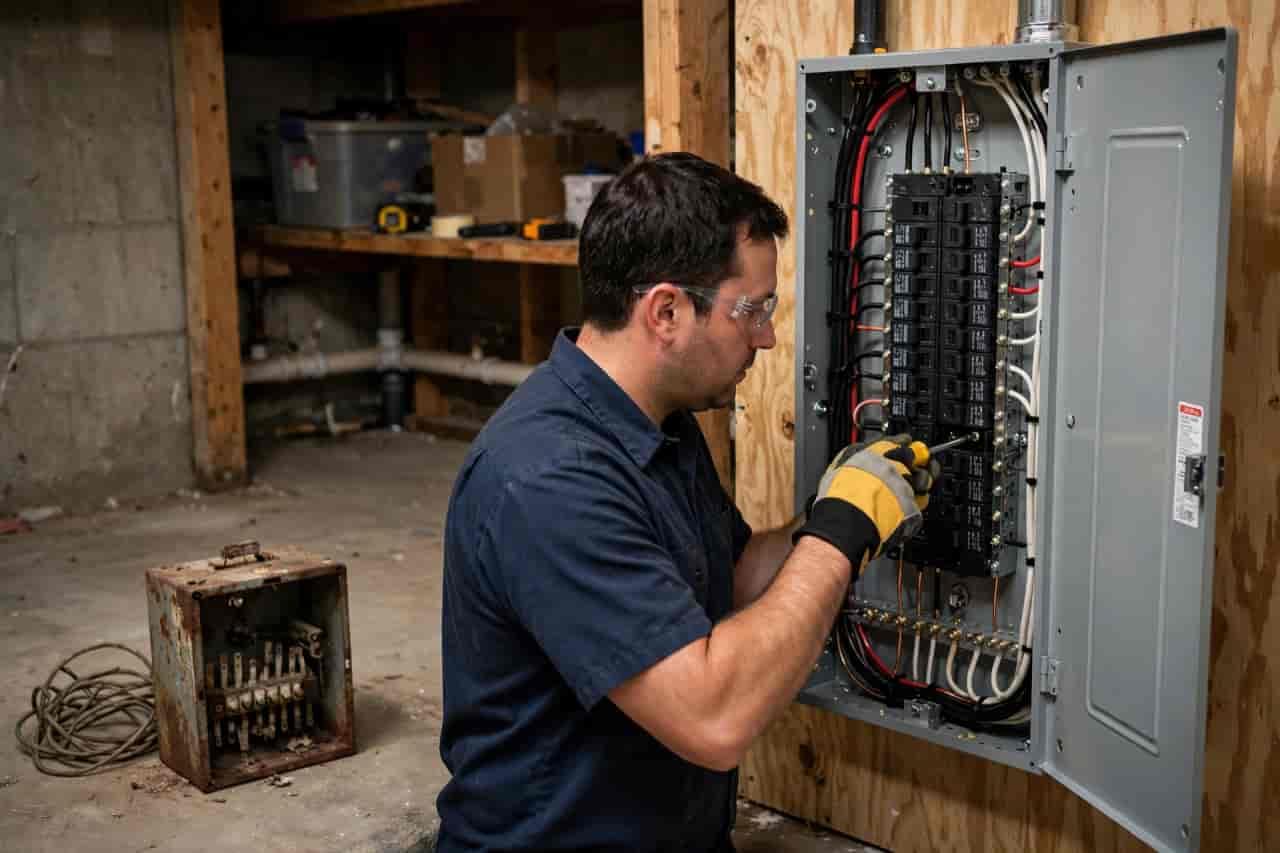
After permit approval and utility scheduling, power is disconnected, the electrician replaces the panel and meter socket if required, updates grounding and bonding, labels circuits and adds required AFCI and GFCI protection. The inspector approves the work and the utility reconnects. In summer, plan for the home being without air conditioning for much of the day.
Choosing a Florida panel contractor
Verify the contractor’s certified or registered license on DBPR, ask for a written scope, confirm the permit will be pulled, and ask whether the contractor can provide documentation the insurer will accept after final inspection.
Licensing, permit and code requirements are set by Florida and local authorities and can change. The electrician confirms what applies to your project. How electrical panel upgrade works · Electricians in Florida