Alaska guide
Electrical Panel Upgrade in Alaska: what to know
Alaska certificates of fitness and electrical administrator licenses
Alaska regulates electrical workers through the Department of Labor and Workforce Development, which issues certificates of fitness to individual electricians. Separately, the Division of Corporations, Business and Professional Licensing licenses electrical administrators, and any business performing electrical work must employ one to supervise its jobs. Contractors also register with that division. For a panel upgrade, that means the person doing the wiring should carry a current certificate and the company should operate under a licensed administrator. Ask to see both. Work by uncertified people can complicate inspections, utility reconnection and insurance claims, and in a state where help can be far away, quality matters.
Permits in Anchorage, Fairbanks, Juneau and the rest of Alaska
The Municipality of Anchorage runs a building safety department that permits and inspects electrical work, and other cities such as Fairbanks and Juneau have their own processes. In many smaller communities and unincorporated areas, local permitting is limited, but state rules and utility requirements still apply, and the utility will generally want evidence that a new service meets its standards before connecting. Your electrician will know which authority, if any, reviews the job at your address and how inspections are scheduled, which can take extra time in remote areas.
Railbelt utilities and service upgrade coordination
Most Alaskans on the road system are served by Railbelt utilities: Chugach Electric in Anchorage, Matanuska Electric Association in the Mat-Su Valley, Golden Valley Electric Association around Fairbanks, and Homer Electric Association on the Kenai Peninsula. Each publishes its own requirements for meter bases, service equipment and clearances. When a panel upgrade involves a new meter socket or larger service, the electrician coordinates with the utility to disconnect and reconnect, and the utility may need to review whether its transformer can serve the added load. Tell the electrician which utility serves you.
Rural and off-road communities with local power systems
Outside the Railbelt, many villages rely on small local utilities, often diesel-powered systems, and some homes run on their own generation. Panel upgrades in these places involve real logistics: equipment may need to arrive by barge or air, and an electrician may travel in for the job. Planning the work, materials and any utility coordination well in advance is essential. Be specific with the electrician about your location, access and power source so they can tell you honestly what is feasible and how scheduling would work.
Cold-weather loads that push Alaska panels to their limits
Alaskan homes carry loads that are rare in the lower states. Engine block heaters, heat tape on water and sewer lines, electric baseboard backup, circulating pumps for boilers, and heated garages all run hardest during the coldest stretches. Those loads arrive together, exactly when a breaker trip is most dangerous because frozen pipes follow quickly. A load calculation that reflects real winter use helps decide whether the existing service can carry it or an upgrade is warranted. Many owners discover their limits during the first deep cold snap after adding a new appliance.
Earthquake movement and Alaska service equipment
Alaska is seismically active, and the 2018 Anchorage earthquake was a reminder that ground shaking can crack foundations, shift framing and strain anything rigidly attached between them. Service masts, meter bases and conduit that cross between a building and the ground can be stressed or broken. After a significant quake, check from a distance for a leaning mast, pulled conduit or damaged meter, and call an electrician if anything looks wrong. When upgrading, an electrician can secure equipment properly and look for damage that may have been hidden since the last event.
Snow load, ice and the exterior service mast
Heavy snow sliding off a roof can tear down a service drop or bend a mast, and ice buildup adds weight to overhead conductors. Meter bases on the drip line of a roof can take repeated impacts. Frost heave around posts and pedestals can lift and crack conduit for underground services. When planning an upgrade, the electrician will consider where snow sheds, how high the drop must be, and whether relocating the service entrance would protect it. Do not try to clear snow or ice from around damaged electrical equipment yourself.
Alaska homes from cabins to modern subdivisions
Alaska’s housing includes older Anchorage homes from the postwar and pipeline-boom eras, cabins that grew one addition at a time, manufactured homes, and newer subdivisions in the Mat-Su Valley and around Fairbanks. Owner-built and remodeled properties sometimes have panels that were added to over decades with mixed brands of breakers, undersized feeders to outbuildings, or splices hidden in walls. An upgrade is often the moment to clean up those decisions, consolidate circuits, and give a home a clear, labeled panel that will serve through many winters.
Symptoms that prompt Alaska panel upgrade calls
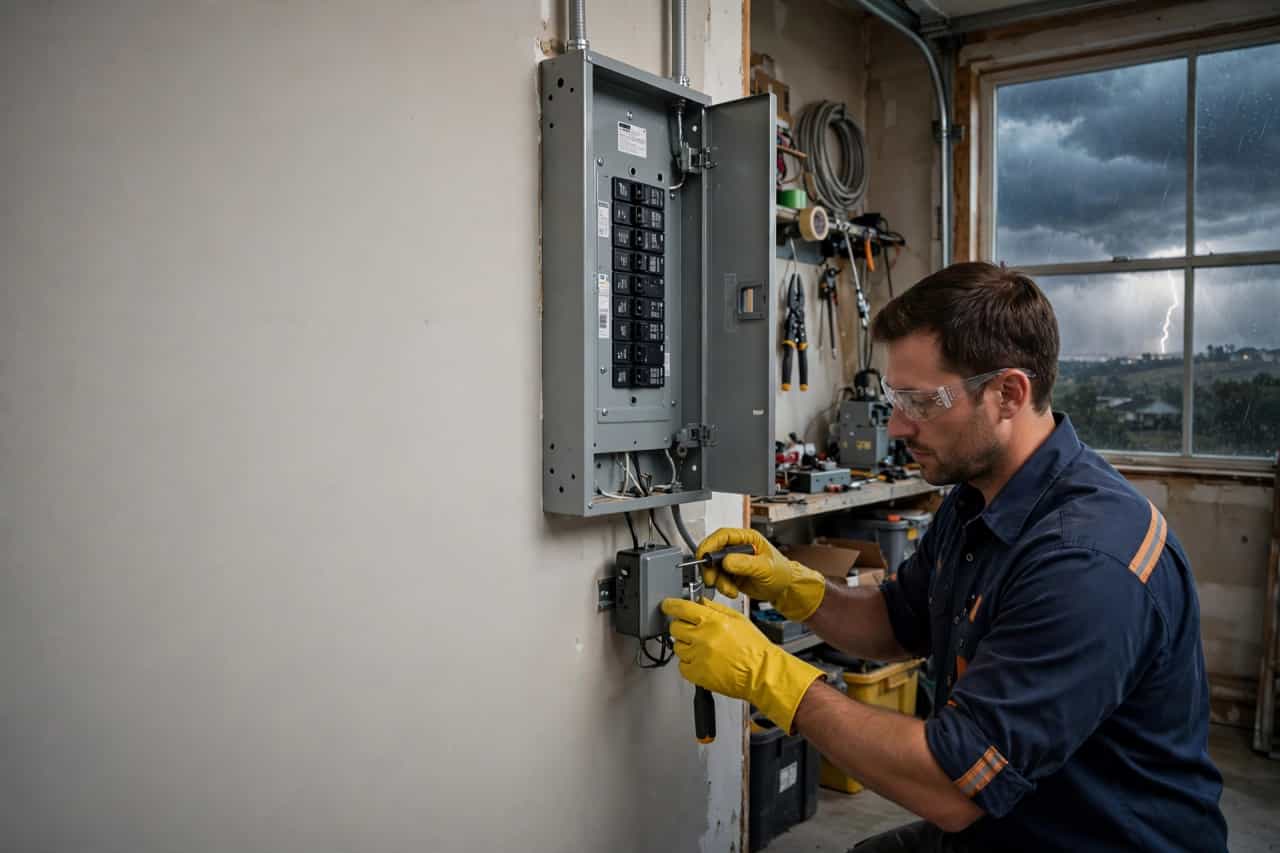
Typical warning signs include breakers that trip when block heaters and space heaters run together, lights that flicker when a well pump or boiler starts, warm or discolored breakers, frost or condensation inside the panel enclosure, and fuses in older cabins that blow during cold weather. Condensation is a particular concern where a panel sits on an exterior wall or in an unheated space. Any burning smell, buzzing or visible scorching should be treated as urgent. These signs point to a connection or capacity problem that needs a licensed electrician’s evaluation.
Repair or full replacement for an Alaska panel
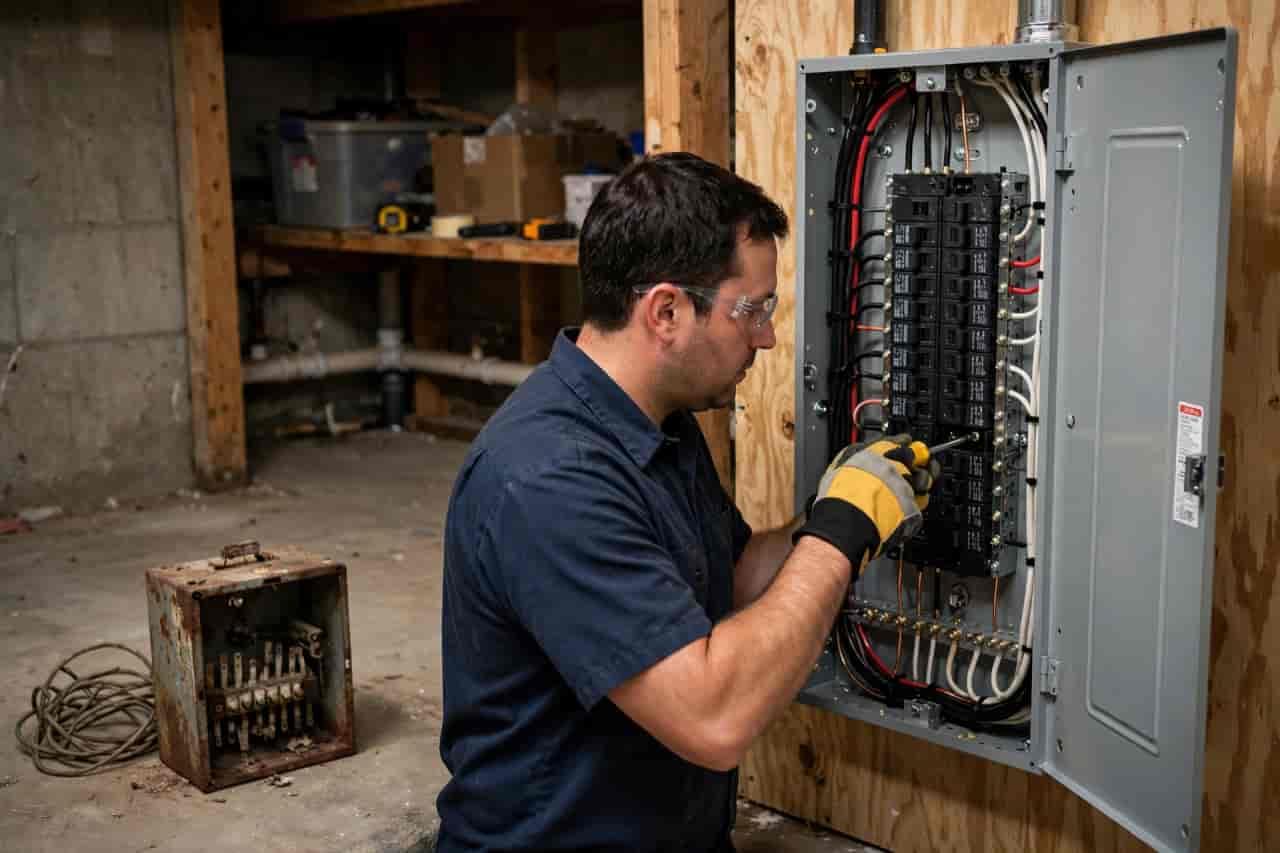
A panel with one bad breaker or a corroded neutral connection may be repairable if it is in good condition and parts are available locally. Because shipping parts to remote areas can be slow, availability matters more in Alaska than in many places. Replacement is the better choice when bus bars are damaged, moisture has caused corrosion, the brand is obsolete, or the home simply needs more capacity for heating and vehicles. A good electrician will explain the tradeoffs for your situation instead of defaulting to the most expensive option.
Scheduling panel work around Alaska winters
A panel upgrade means hours without power, which is manageable in summer and risky in deep winter. Many owners schedule planned upgrades during the warmer months, when daylight is long and heating demand is low. When a failure forces winter work, the electrician and owner need a plan to keep pipes and people warm, which might involve a temporary generator connection made safely by the electrician. Ask how long the house will be without power and what you should do to protect plumbing during that window.
Solar and generator connections in Alaska homes
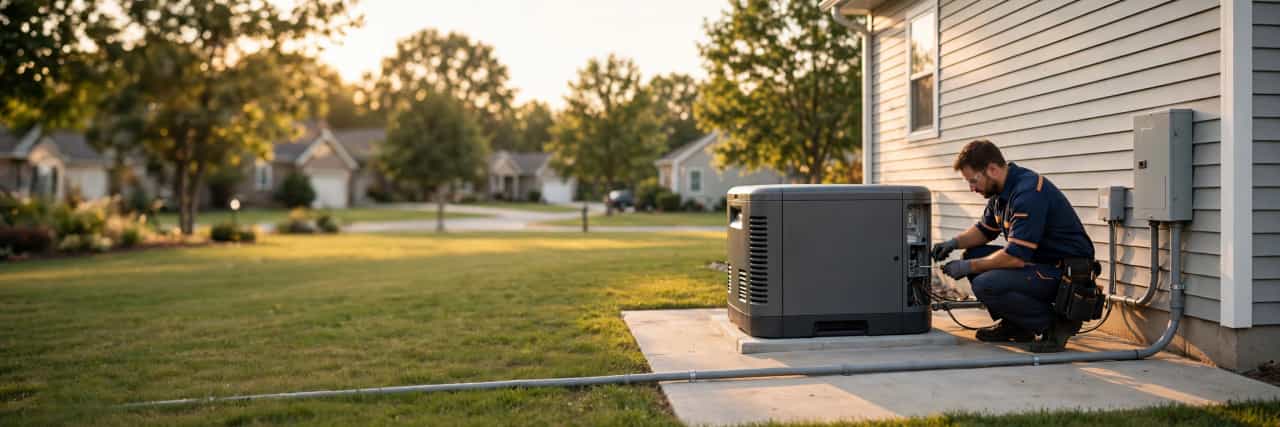
Some Alaskans add rooftop solar to offset long summer days, and many rely on generators for outages or as their main power source. Interconnecting solar with a Railbelt utility requires following that utility’s interconnection process, and the panel may need busbar capacity or a supply-side connection to accept it. Generators need a transfer switch or approved interlock so they cannot backfeed utility lines. Sizing a new panel with these connections in mind avoids a second round of work later.
Mat-Su Valley and Kenai Peninsula growth
The Mat-Su Valley has been one of the fastest-growing parts of Alaska, with many newer homes and conversions of older cabins into year-round residences. The Kenai Peninsula also has a mix of seasonal and permanent homes. Converting a seasonal cabin to full-time living often reveals that its service was sized for light summer use. An upgrade for these properties may include a new meter base, a larger panel, and feeders to garages or shops, coordinated with Matanuska Electric Association or Homer Electric Association.
Fairbanks and Interior cold-climate considerations
Interior Alaska sees some of the coldest temperatures in the state, and Golden Valley Electric Association serves much of the Fairbanks area. Outdoor outlets for vehicle plug-ins are common, and parking lot style receptacle loads at multi-unit buildings add up. Materials can become brittle in extreme cold, and connections can loosen with repeated thermal cycling. Electricians in the Interior plan for these conditions when selecting equipment and routing conductors, and they typically prefer to schedule service changes outside the coldest weeks when possible.
Staying safe around a failing Alaska panel
If the panel is smoking, sparking or burning, get everyone out and call 911. If it is hot, wet or buzzing, keep clear. Switch off the main breaker only if you can reach it safely and dry, then call an electrician. Never remove the panel cover or open a meter base, since the incoming conductors remain live and only the utility can disconnect them. In winter, focus on keeping people warm safely; do not run fuel-burning heaters or generators indoors, and do not connect a generator to house wiring without a proper transfer device.
Finding a certified electrician for an Alaska panel upgrade
Ask the electrician for their certificate of fitness and the company’s state registration, who will handle permits where required, and how they coordinate with your utility. In remote areas, ask about travel, material shipping and what happens if an unexpected part is needed. A clear written scope protects both sides. Pronto Electrician is a referral line, not a contractor; calling (855) 679-2483 connects you with independent licensed electricians who can discuss your property and timeline.
Planning capacity for heat pumps and electric vehicles in Alaska
Interest in cold-climate heat pumps and electric vehicles has been growing in Southcentral Alaska and Southeast communities like Juneau, where hydroelectric power is common. Both add substantial load, and both are easier to accommodate if the panel and service are sized for them from the start. If you are considering either in the next few years, mention it when you call. The electrician can include the capacity in the load calculation and leave spaces in the new panel, saving a second shutdown during winter.
Licensing, permit and code requirements are set by Alaska and local authorities and can change. The electrician confirms what applies to your project. How electrical panel upgrade works · Electricians in Alaska