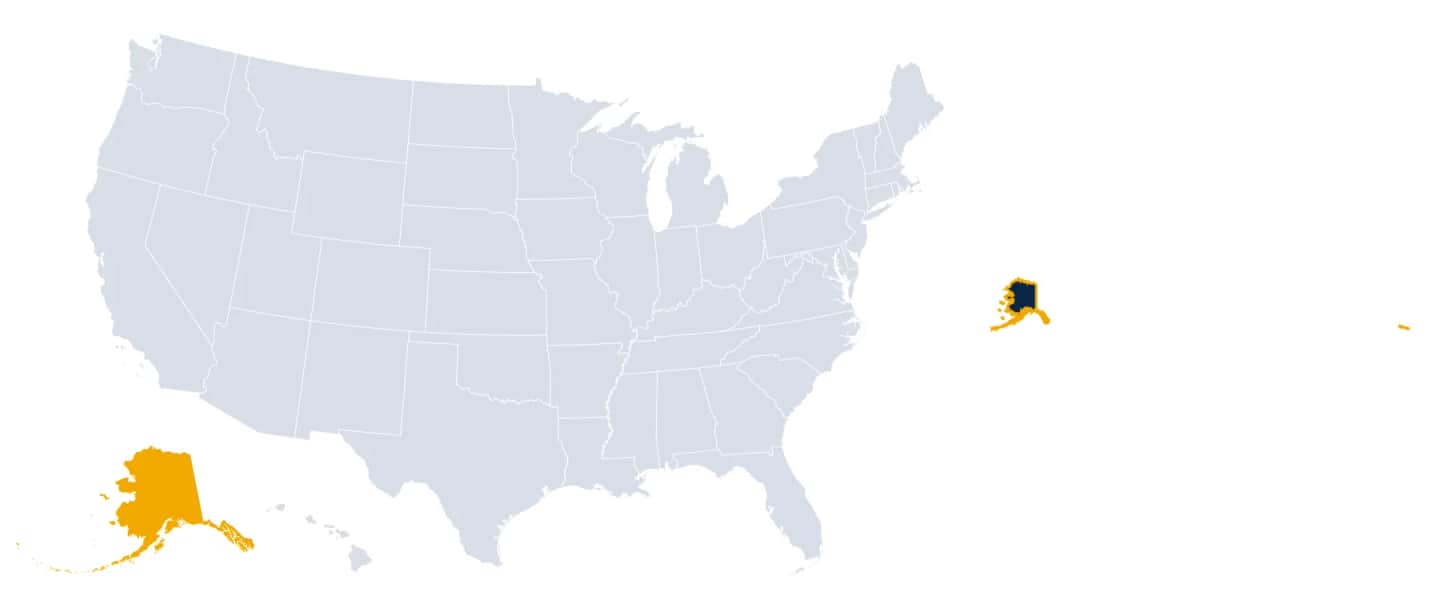
Municipality of Anchorage (unified home-rule borough) · Alaska
Electricians in Anchorage, AK
Anchorage holds about forty percent of Alaska’s people on a bowl of land between the Chugach Mountains and Cook Inlet. Power comes mainly from Chugach Electric, with Matanuska Electric serving Eagle River and Chugiak. Earthquakes, months of winter darkness, deep cold and downslope windstorms define the electrical needs here. Most homes heat with natural gas, yet nearly all of them stop heating when the electricity goes out, which makes reliable power a safety issue every winter.
Government Hill and the downtown grid have the oldest houses, some from the railroad years of the 1920s and 1930s. Neighborhoods rebuilt or extended after the 1964 earthquake fill Turnagain and Spenard, while the 1970s pipeline boom produced the split-entry homes common in Muldoon, Abbott Loop and Sand Lake. Larger homes climb the Hillside, many on wells and septic.
Problems that come up again and again in local homes, and the service that fixes each one.
01
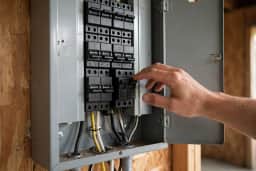
Checks after earthquakes
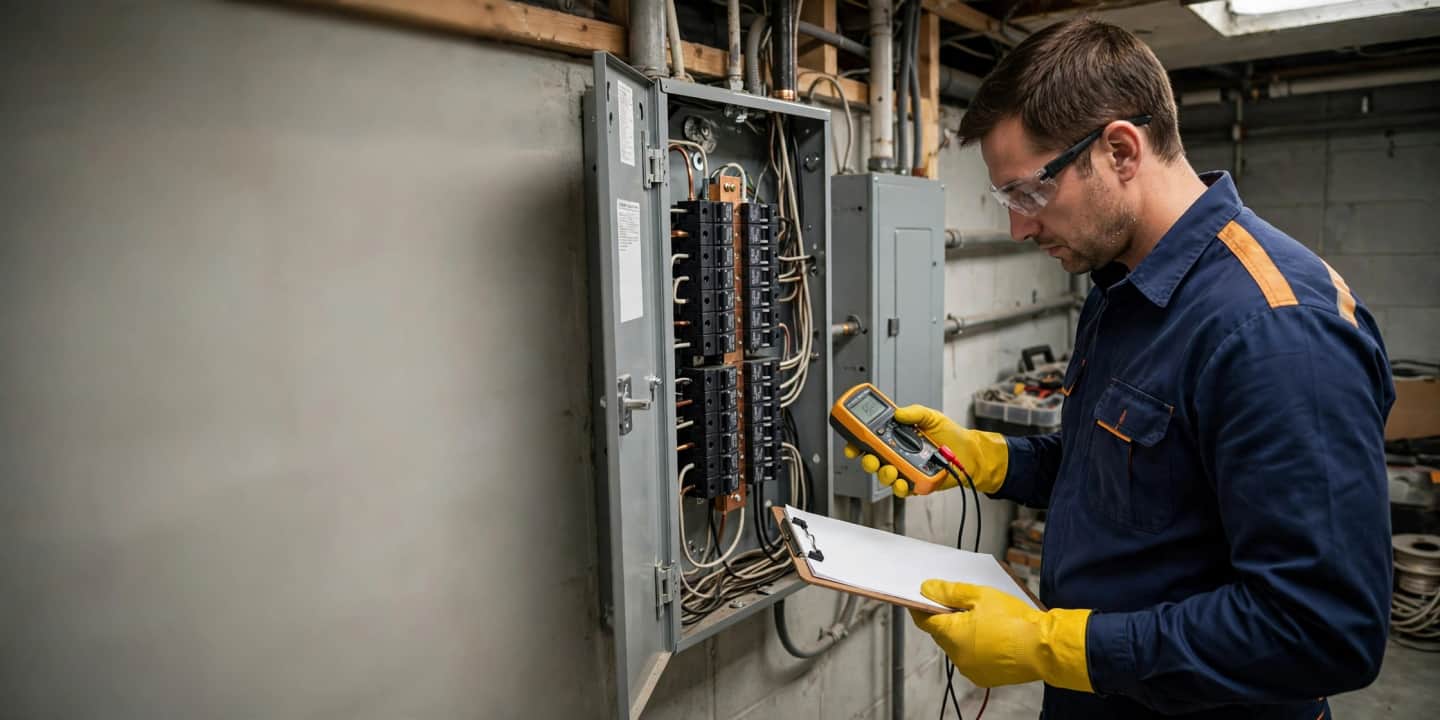
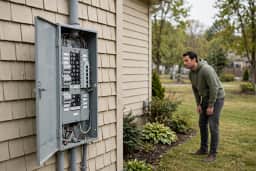
The 2018 magnitude 7.1 quake cracked foundations and shifted equipment across the city. After strong shaking, look for panels pulled from walls, cracked conduit and loose service masts, and have anything suspect inspected.
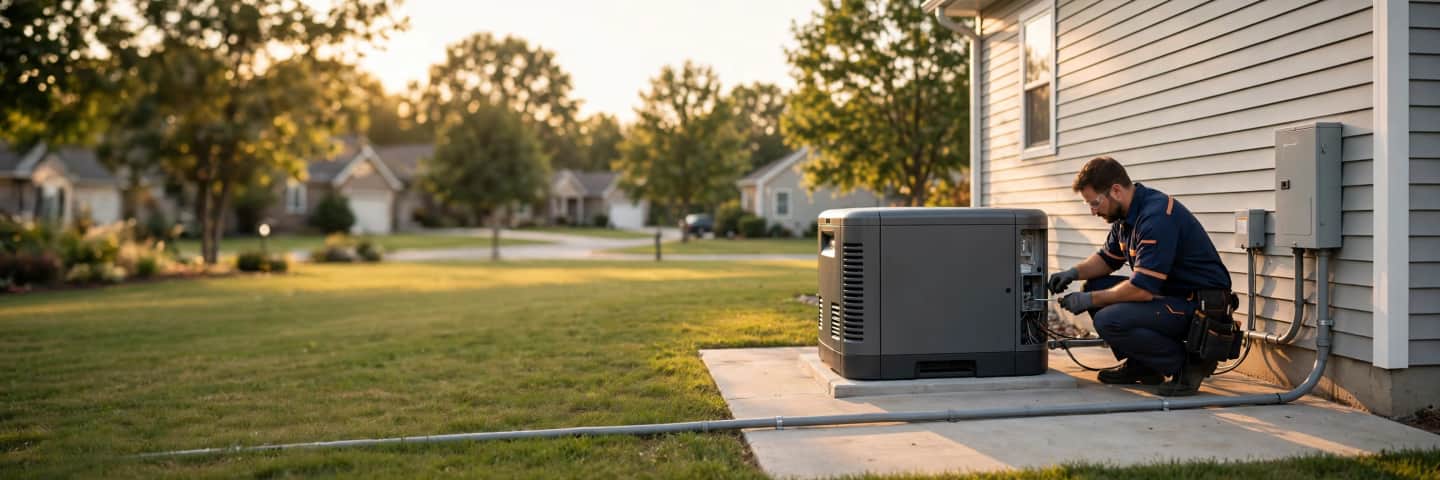
Boilers and furnaces need electricity for controls, blowers and pumps. A generator with an inlet and transfer switch or interlock keeps heat running during a winter outage.
Driveway outlets for engine block heaters and roof or pipe heat cables draw steady loads all winter. Weatherproof ground-fault protected receptacles and properly protected de-icing circuits prevent tripping and fires.
History, housing, weather and rules that shape electrical work in Anchorage, AK.
Ship Creek tent city, 1915
Anchorage began in 1915 as a tent camp at the mouth of Ship Creek, where crews were building the Alaska Railroad. The government laid out the downtown townsite that summer, and Government Hill grew on the bluff above the rail yards. A few cottages from those early decades remain, and the ones that have never been fully rewired often hide early cloth-insulated wiring and fuse panels behind later remodels.
The Good Friday earthquake of 1964
On March 27, 1964, a magnitude 9.2 earthquake, the strongest recorded in North America, shook Anchorage for several minutes. Fourth Avenue dropped, and the Turnagain Heights bluff slid toward Cook Inlet, destroying dozens of homes. Much of the city was rebuilt or expanded in the years that followed, so many neighborhoods date from that recovery and are now reaching sixty years of electrical service.
Bootlegger Cove clay
The landslides of 1964 failed in a layer of sensitive glacial-marine clay known as the Bootlegger Cove formation, which underlies parts of downtown and the coastal bluffs. The municipality maps ground-failure hazard zones based on it. Homes in those areas benefit from flexible connections where wiring crosses between structures, and from well-secured service equipment that can tolerate some ground movement.
November 30, 2018, magnitude 7.1
The 2018 earthquake struck north of the city on a Friday morning, buckling roads and cracking foundations from Eagle River to Point MacKenzie. Power was restored fairly quickly, but many homes had hidden damage. Panels can be pulled from framing, conduit can crack where it enters the house, and stretched wiring can loosen at devices. A post-quake inspection catches problems that may not appear until the next heavy load.
Turnagain and Spenard after the rebuild
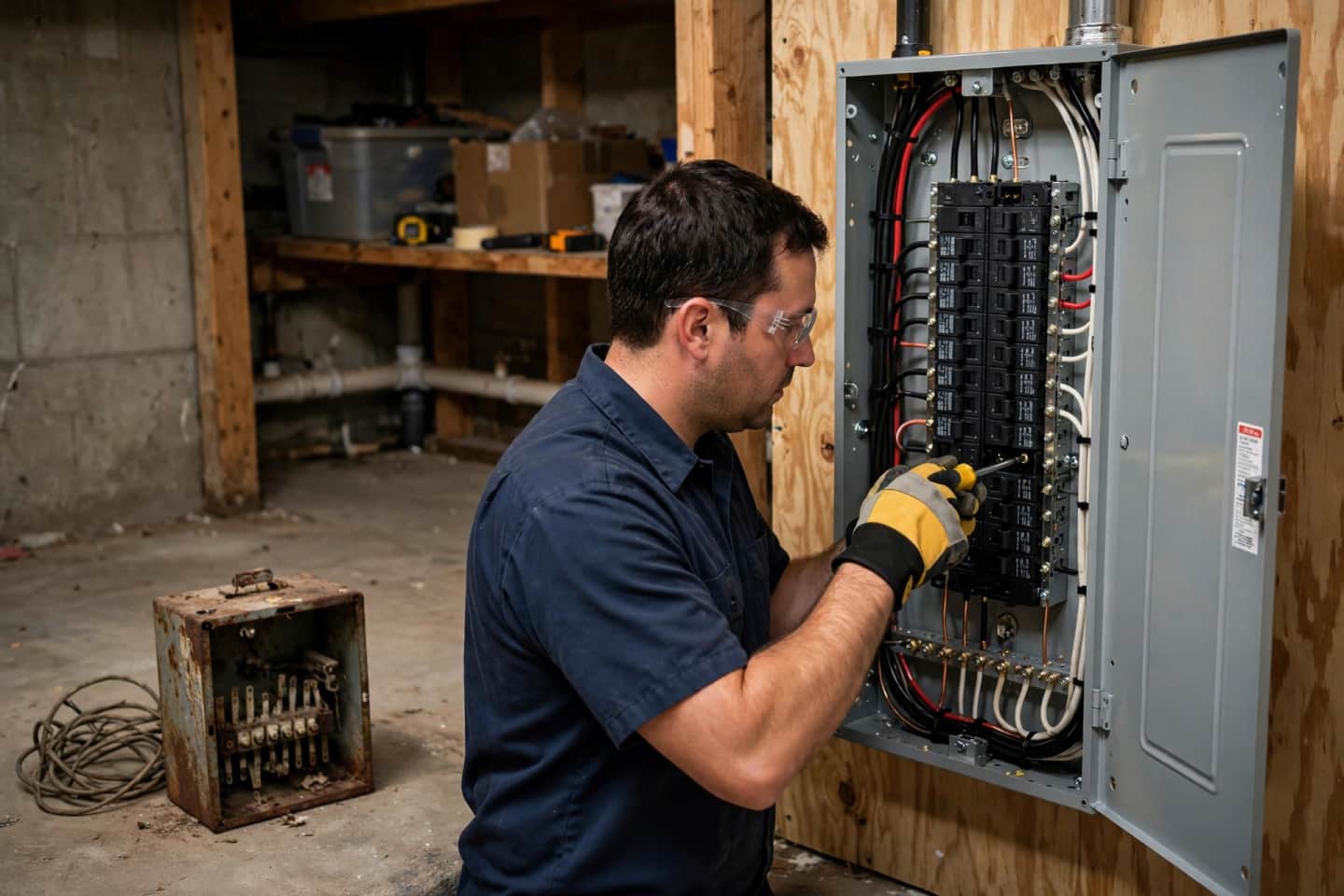
Turnagain filled with post-1964 ranch and split-level homes on large lots near the coastal trail, while Spenard, once a roadhouse district along Spenard Road, grew into a dense mix of small houses, fourplexes and businesses. Both areas now have many original panels from the 1960s and 1970s, some of them brands that inspectors and insurers flag for replacement.
Pipeline-boom split-entries
Construction of the Trans-Alaska Pipeline in the mid-1970s brought a flood of workers and a housing boom. Muldoon, Abbott Loop, Sand Lake and the east side are lined with split-entry homes from that era, usually with the panel in the lower-level garage or utility room. Those services were sized before hot tubs, heat pumps and electric vehicles, so load calculations come up often during remodels.
Mountain View and Fairview
Mountain View, northeast of downtown, has been described in research as one of the most ethnically diverse neighborhoods in the country, and neighboring Fairview is one of the city’s oldest residential areas. Both have many rental duplexes and small apartment buildings. Landlords often need to replace damaged receptacles, restore smoke and carbon monoxide alarms, and update panels that have outlived their manufacturers.
Hillside windstorms
Downslope winds pouring off the Chugach Mountains hit the Hillside hardest, with gusts strong enough to topple spruce and birch onto power lines and roofs. Homes high on the slope may sit at the end of long overhead runs. Securing service masts, trimming trees away from service drops and having a backup power plan are practical preparations before the windy season.
Wells and septic on the upper Hillside
Many Hillside homes rely on private wells and septic systems instead of municipal water and sewer. A power outage there means no water as well as no heat. Generator plans should include the well pump, which can have a large starting load, and septic pumps where present. A load calculation helps size a generator that can start the pump without stalling.
Engine block heaters and plug-in posts
In January, cars across Anchorage are plugged in overnight to keep engines and batteries warm. Driveway posts and exterior outlets get heavy use in snow, ice and road salt. Weather-resistant, ground-fault protected receptacles with in-use covers hold up much better than old indoor-rated devices, and a timer keeps heaters from running all night.
Roof de-icing cables and ice dams
Freeze-thaw cycles build ice dams on many Anchorage roofs, and owners install heating cables along eaves and gutters. The electrical code requires ground-fault protection of equipment for these de-icing circuits. Cables that are damaged, stapled through or run from extension cords are a fire risk, and a dedicated circuit with a visible indicator light is safer.
Gas boilers that need electricity
Most Anchorage homes heat with natural gas through ENSTAR, often with hydronic baseboard boilers. Those boilers rely on electric controls, igniters and circulating pumps. When the power fails at twenty below, heat stops within minutes. A properly installed generator inlet with a transfer switch or interlock can run the boiler, refrigerator and a few lights on a modest portable generator.
Cook Inlet gas and the regional grid
Southcentral Alaska generates most of its electricity from Cook Inlet natural gas, supplemented by the Bradley Lake and Eklutna hydroelectric projects and the Fire Island wind farm. Utilities have warned that Cook Inlet gas supplies are tightening. Efficient lighting, heat pump water heaters and smart controls help households reduce consumption regardless of how that supply question is settled.
Five hours of December daylight
Around the winter solstice, Anchorage gets roughly five and a half hours of daylight. Lighting matters more here than in most of the country. Bright, efficient LED fixtures in kitchens and work areas, motion lighting on walkways and driveways, and dimmers for long evenings are frequent requests, and outdoor fixtures need cold-rated drivers and fittings.
The July 4, 2019, heat record
On July 4, 2019, Anchorage’s official station reached 90 degrees for the first time on record, while smoke from wildfires on the Kenai Peninsula drifted over the city. Few homes here have air conditioning. Many owners responded by adding ceiling fans, dedicated circuits for portable or ductless cooling, and better ventilation for upper floors.
Joint Base Elmendorf-Richardson families
Joint Base Elmendorf-Richardson borders the city to the north, and military families rent and buy throughout Muldoon, Eagle River and the east side. Frequent permanent change-of-station moves keep these neighborhoods turning over. Pre-purchase electrical inspections and quick repairs before a lease are common, and landlords benefit from documenting panel and alarm condition between tenants.
The U-Med District
The University of Alaska Anchorage, Alaska Pacific University and Providence Alaska Medical Center cluster in the U-Med District. Nearby rental housing serves students, nurses and medical staff. Older fourplexes in the surrounding blocks often need dedicated circuits for kitchens and laundry, updated exterior lighting for winter safety, and smoke alarms that meet current requirements.
Eagle River and Chugiak
Eagle River and Chugiak lie within the municipality but are served by Matanuska Electric Association rather than Chugach. Homes there tend to sit on larger wooded lots, many with wells, detached garages and shops. Feeders to outbuildings, generator connections and heavy snow on service masts are recurring concerns, and owners should confirm with the municipality whether their lot lies inside its Building Safety Service Area before assuming a permit is or is not required.
Girdwood snowfall
Girdwood, about forty miles south along Turnagain Arm, is part of the municipality and home to Alyeska Resort. It receives far more snow than Anchorage proper. Snow sliding off roofs can tear service masts and meters off walls, so equipment placement and protection matter. Condos and cabins there often need heat tape, freeze protection and reliable exterior lighting.
Permits and certificates of fitness
Development Services handles electrical permits and inspections inside the municipality’s Building Safety Service Area, which covers the Anchorage bowl and other designated areas. The state separately requires each electrician to hold a certificate of fitness issued by the Department of Labor and Workforce Development, and each contractor to have a licensed electrical administrator. Verifying both credentials before work starts protects the homeowner and keeps the permit valid.
Questions
Questions from Anchorage homeowners
Who issues electrical permits in Anchorage?+
The Municipality of Anchorage Development Services Department, through its Building Safety Division on Elmore Road, issues electrical permits for properties inside the municipality’s Building Safety Service Area. Some outlying areas fall outside that service area, so owners in places such as Eagle River, Chugiak or Girdwood should confirm with the permit counter which rules apply. Communities beyond the municipal boundary, such as those in the Matanuska-Susitna Borough, follow their own local rules.
How are electricians licensed in Alaska?+
Individual electricians must hold a certificate of fitness from the Alaska Department of Labor and Workforce Development. Electrical contractors also need an electrical administrator licensed through the state Division of Corporations, Business and Professional Licensing. Ask to see both.
Connect with an independent licensed electrician near you
Smoke, flames or sparking? Leave the building and call 911 first.
Pronto Electrician is a free referral service. Calls are answered by independent licensed electricians in your area. Pronto Electrician does not perform electrical work, and the electrician you choose sets the price, schedule, permits and warranty.