Electrical systems in Alaska have to work at forty below in Fairbanks, ride out major earthquakes in Anchorage and keep villages powered hundreds of miles from the nearest road. Block-heater outlets, heat trace, frost-heaved conduit and diesel-powered village grids are everyday realities here, and the November 2018 Anchorage earthquake was a reminder of how quickly a stable system can be shaken.
The hazards that drive the most electrical calls here, and how homeowners prepare for them.
Winter storms and cold
Heavy snow and wind cause outages when heating demand is highest. Generators, dedicated circuits for space heaters, and heat-tape circuits with GFCI protection are common winter projects. Avoid running heaters through extension cords or power strips.
Ground movement can loosen connections and damage service entrances. Securing water heaters and appliances, checking panel connections after significant quakes, and having backup power plans are practical steps.
Most Alaskans live along the Railbelt, a connected grid running from the Kenai Peninsula through Anchorage and the Mat-Su Valley to Fairbanks. Chugach Electric, which absorbed Anchorage’s municipal utility in 2020, serves much of Anchorage; Matanuska Electric Association serves the Mat-Su; Homer Electric covers much of the Kenai; and Golden Valley Electric serves Fairbanks and the Interior. Juneau is served by Alaska Electric Light & Power, largely from hydroelectric dams.
Off the road system, more than a hundred small utilities power individual villages, most of them with diesel generators and fuel delivered by barge or plane. Electricity there can cost several times the Railbelt rate, and the state’s Power Cost Equalization program helps reduce residential bills in eligible communities.
Licensing and electrical work
Electricians in Alaska must hold a certificate of fitness issued by the Department of Labor and Workforce Development, and electrical contracting businesses must be registered and employ a licensed electrical administrator, licensed through the Department of Commerce. You can confirm both online before hiring.
Anchorage and some other municipalities issue electrical permits and inspect work; in much of the state, there is no local building department. Where no one inspects, hiring a certified electrician who follows the National Electrical Code is the homeowner’s main protection.
Earthquakes
The 1964 Great Alaska Earthquake, magnitude 9.2, is the largest ever recorded in North America. On November 30, 2018, a magnitude 7.1 quake centered near Point MacKenzie damaged roads, homes and utilities across Anchorage and the Mat-Su, and thousands of aftershocks followed.
Earthquake preparation for an Alaska home includes strapping the water heater, securing appliances and shelving, knowing where the main breaker is, and having backup power and heat. After a strong quake, look for a meter base pulled away from the wall, cracked conduit where it enters the house, burning smells or flickering lights.
Extreme cold and heat trace
In Fairbanks and the Interior, winter temperatures can stay below minus 30 for days. Furnaces, boilers and Toyo-style oil stoves need electricity to run, and a failure in deep cold can freeze a house within hours. Heat trace cable keeps water lines, sewer lines and drains from freezing, and it must be on properly protected circuits and inspected regularly, since damaged heat trace is a known fire source.
Backup heat and backup power are essential. Many Interior homes keep a wood stove as well as a generator wired through a transfer switch that can run the boiler pumps or furnace blower.
Block heaters and parking plug-ins
Engine block heaters, oil pan heaters and battery warmers are standard equipment for Alaska vehicles, and outlets in driveways, carports and parking lots are part of daily life. Exterior outlets need weather-resistant GFCI devices, sturdy covers and circuits sized for several hours of heater load. Many homes put block-heater outlets on timers to save power.
Permafrost and frost heave
In parts of the Interior and the North, permafrost and seasonal frost heave move the ground under homes. Underground service conduit can be crushed or pulled apart, meter bases can tilt as foundations shift, and poles can lean. Flexible connections, proper conduit burial depth and periodic inspection help service equipment survive the ground’s movement.
Snow, wind and long darkness
Anchorage’s Hillside and the Mat-Su face strong winter wind events that topple trees onto lines, and heavy snow loads pull on service drops across the state. Long winter darkness means lighting carries more of the household load than in the Lower 48, and many owners have moved to LED lighting to cut costs.
Wildfire in the Interior and Kenai
Wildfire seasons in the Interior and on the Kenai Peninsula have grown more active, with the 2019 Swan Lake Fire filling Anchorage with smoke. Keeping brush and firewood away from service equipment and having backup power for smoky, shut-in days are practical steps.
Dry cabins and off-grid homes
Around Fairbanks and in rural areas, many people live in dry cabins without running water, and some homes are entirely off-grid with solar, batteries and generators. Off-grid systems need careful design: properly sized inverters and batteries, grounding, disconnects and protection against the cold that shortens battery life.
Juneau and Southeast Alaska
Juneau gets most of its power from hydroelectric projects, and in April 2008 avalanches destroyed transmission towers from the Snettisham project, forcing the city onto expensive diesel backup for weeks. Southeast Alaska’s heavy rain and salt air corrode exterior equipment, and many communities are reachable only by boat or plane, which makes planning electrical work around contractor travel essential.
Anchorage and Mat-Su housing
Much of Anchorage was built during the oil pipeline boom of the 1970s and early 1980s, and homes from that era are now on aging panels. The Mat-Su Valley has grown rapidly with newer homes and acreages that include shops, garages and outbuildings needing their own feeders.
Common electrical calls in Alaska
Frequent requests include generator and transfer switch installations, heat trace repairs, block-heater outlets, panel upgrades in 1970s homes, earthquake damage repairs, shop and outbuilding feeders, and off-grid system work.
Heat pumps in Juneau and Southcentral
Because Juneau’s electricity comes mostly from hydropower and its winters are milder than the Interior’s, the city has become one of the most enthusiastic adopters of heat pumps in the country, replacing heating oil in thousands of homes. Heat pumps are also spreading in Anchorage and the Kenai. Each system needs its own circuit and often a check of the panel, and owners usually keep a backup heat source for cold snaps and outages.
Village homes and costly power
In rural villages powered by diesel, every kilowatt-hour is expensive, so efficient lighting, refrigerators and freezers matter more than in the city. Freezers full of subsistence food are critical, and a power interruption threatens a family’s winter supply. Small backup generators, careful circuit layout and well-protected outdoor wiring help village homes get through outages and harsh weather.
Generators and fuel
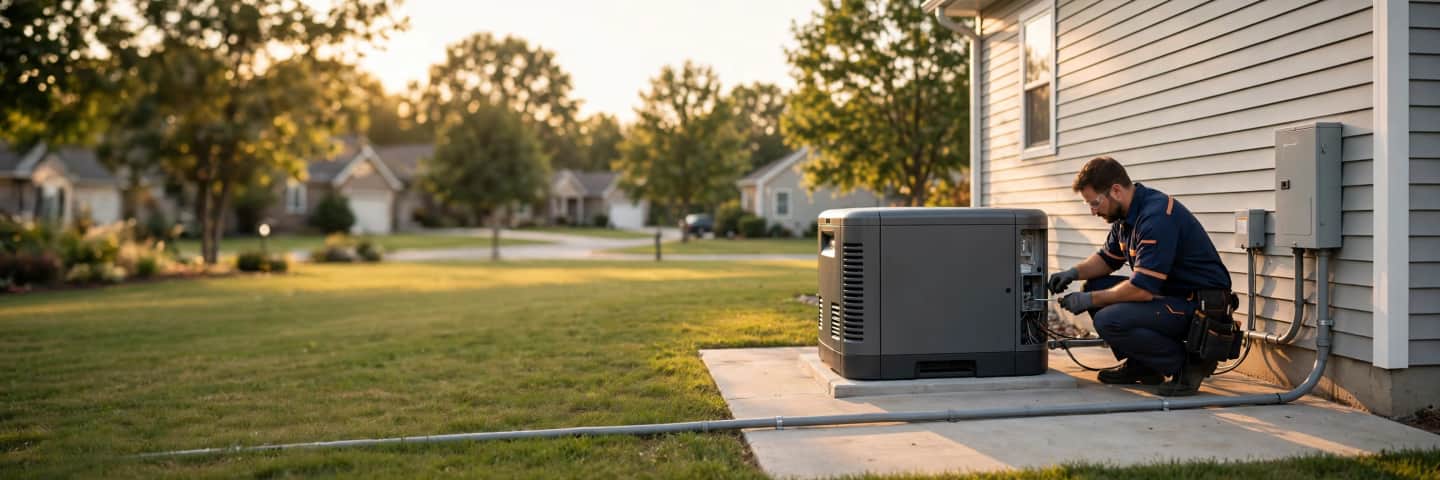
On the Railbelt, standby generators run on natural gas where it is available, while many homes use portable generators wired through a transfer switch or interlock. In the cold, generators need block heaters or battery warmers to start reliably, and they must be placed where exhaust cannot drift into the house or garage.
Buying an older Anchorage home
Inspections of 1970s and early-1980s Anchorage homes often find original panels nearing the end of their life, aluminum wiring in some homes, ungrounded outlets in older additions and heat trace that has been patched together. An electrician’s evaluation sorts out what needs attention before winter.
Mat-Su acreages and shops
Homes in Wasilla, Palmer and Big Lake often sit on acreage with heated shops, detached garages, greenhouses and RV parking. Each building needs a properly sized feeder, a disconnect and grounding, and long underground runs must be buried below frost depth in conduit. Heated shops and block-heater outlets add winter loads that should be included in any load calculation.
Moose, snowplows and exterior equipment
In Alaska, outdoor electrical equipment takes punishment from snowplows, falling snow and ice off roofs, and even wildlife. Placing meters, outlets and EV chargers where plowed snow will not bury them protects them through winter.
Working with an electrician in Alaska
Confirm the electrician’s certificate of fitness and the contractor’s registration and electrical administrator, ask whether a permit and inspection apply where you live, and get a written scope. For service changes, ask how the electrician will coordinate with Chugach, MEA, Homer Electric, Golden Valley, AEL&P or your village utility — and in remote places, how travel and materials will be handled.
Electrical licensing and permits in Alaska are set by state and local authorities. The electrician confirms what applies to your project.
Services
Most requested in Alaska
Ranked by how many of this state’s climate risks each service addresses.
Connect with an independent licensed electrician near you
Smoke, flames or sparking? Leave the building and call 911 first.
Pronto Electrician is a free referral service. Calls are answered by independent licensed electricians in your area. Pronto Electrician does not perform electrical work, and the electrician you choose sets the price, schedule, permits and warranty.
Free to call · All 50 states + DC
Talk to a licensed electrician in Alaska
Describe the problem and get connected with an independent licensed electrician who serves your area.