Texas guide
Electrical Panel Upgrade in Texas: what to know
Who may upgrade a panel in Texas
Texas requires electricians and electrical contractors to be licensed by the Texas Department of Licensing and Regulation. A panel replacement must be performed by a licensed electrician working for a licensed contractor. TDLR’s online license search shows whether a license is active, and the contractor’s license number should appear on estimates and the permit.
City permits and inspections
Houston, Dallas, San Antonio, Austin, Fort Worth, El Paso and most other cities require electrical permits for panel and service work, and many adopt the NEC with local amendments. In unincorporated areas, permit requirements vary by county, but utilities and cooperatives still generally require proof of safe work before reconnecting a replaced service.
Deregulated markets and the wires company
In much of Texas, customers choose a retail electricity provider, but the meter and service lines belong to the transmission and distribution utility such as Oncor in Dallas-Fort Worth, CenterPoint in Houston, AEP Texas in South and West Texas, or TNMP. The electrician coordinates the disconnect, meter pull and service upgrade with that wires company, not the retail provider on the bill.
Municipal utilities and cooperatives
Austin Energy, CPS Energy in San Antonio and other city-owned utilities, along with dozens of electric cooperatives such as Pedernales Electric, serve customers outside the deregulated market. Each sets its own meter and service requirements, and service upgrades need their approval and scheduling.
Heat and air conditioning loads
Texas summers make air conditioning the dominant load, and many homes run multiple AC units. Adding a larger system, a second unit or a pool pump can exceed a 100 or 150-amp service. A load calculation includes each unit’s nameplate requirements to size the service correctly.
Winter Storm Uri and backup power
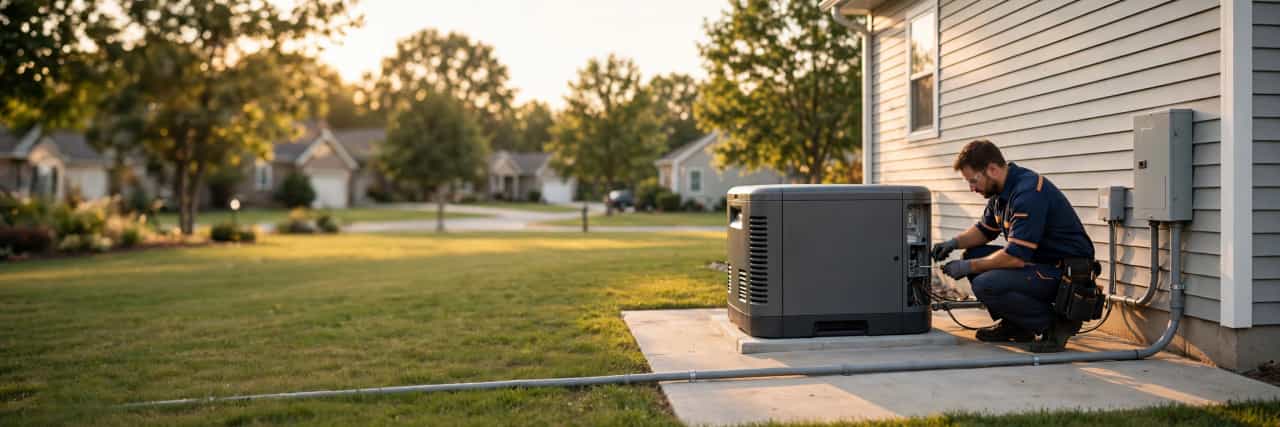
The February 2021 winter storm left millions of Texans without power for days. Since then, many homeowners have added generators, transfer switches or batteries. Planning backup power during a panel upgrade allows the right interlock or transfer equipment and essential-circuit layout.
Hurricanes and the Gulf Coast
Along the coast from Brownsville to Beaumont, hurricanes bring wind and flooding. Flooded panels and meter sockets must be replaced, not dried out, and utilities often require inspection before reconnecting. Coastal salt air also corrodes outdoor equipment.
Hail and storm damage
North and central Texas see frequent hail and severe thunderstorms. Damage to masts, meter sockets and service drops is common, and repairs to the owner’s side need a licensed electrician.
Rapid growth and new construction
Suburbs around Dallas-Fort Worth, Houston, Austin and San Antonio are among the fastest growing in the country. Homes built in the last twenty years usually have 200-amp services, so upgrades there are driven by additions rather than age: a second EV, a pool with variable-speed pumps and heaters, an outdoor kitchen, a detached casita or a standby generator. Some of these homes still need a larger service or a second panel once several of those projects stack up.
Older Texas homes and the panels they left
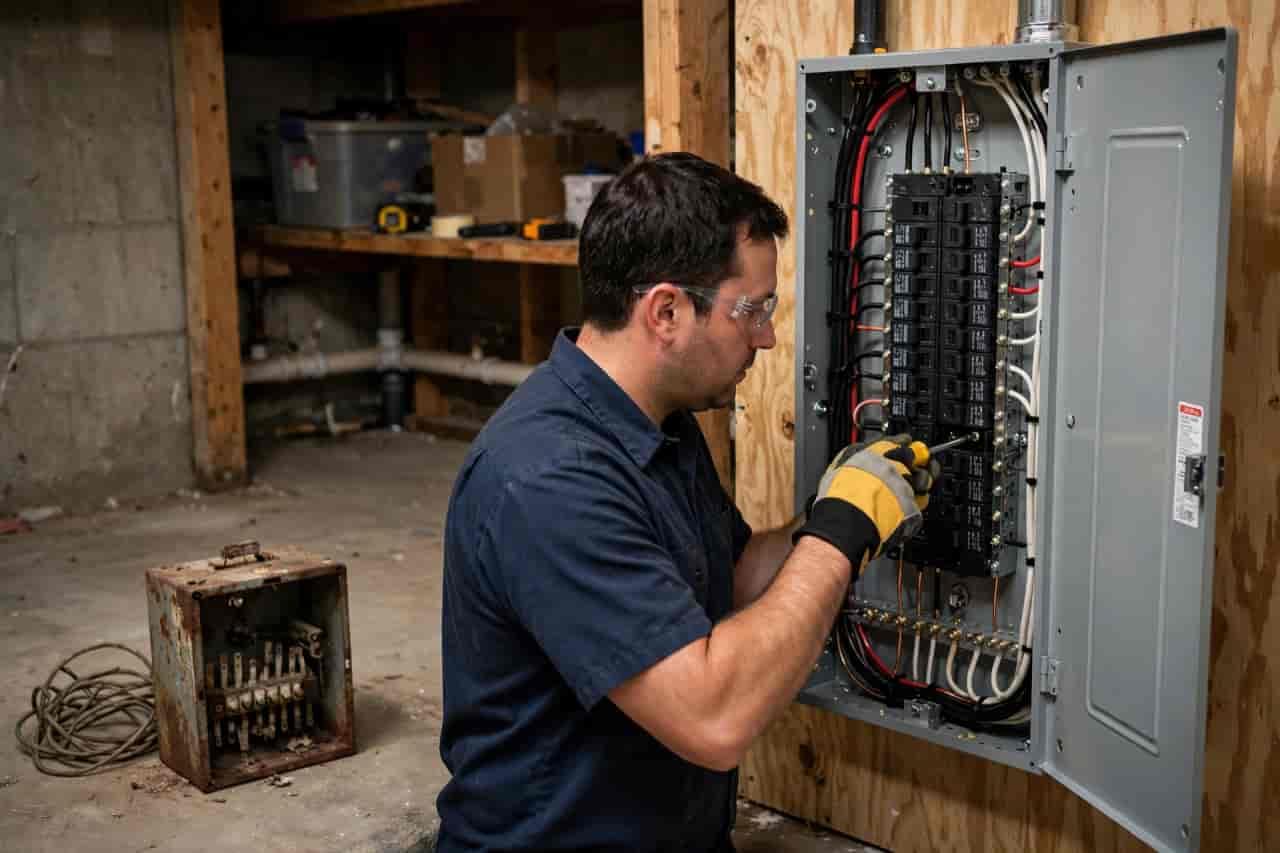
Mid-century neighborhoods in Houston, Dallas, San Antonio, El Paso and smaller towns across the state include ranch homes with 60 to 125-amp services and original panels. Inspectors frequently flag Federal Pacific Stab-Lok and Zinsco equipment, double-tapped breakers and missing bonding. Some homes from the late 1960s and early 1970s also have aluminum branch wiring, which needs approved connectors at every device.
ERCOT grid alerts and managing load
Most of Texas is on the ERCOT grid, which asks customers to conserve during tight summer and winter conditions. Smart panels and load management let a household pause EV charging, pool pumps or water heaters automatically during those periods. They also let a home add electric loads without always needing a larger utility service, because the NEC recognizes listed energy management systems in load calculations.
Foundation movement and service masts
Expansive clay soils across much of Texas shift foundations, which can stress the service entrance, crack conduit where it enters the house and pull meter sockets out of alignment. During a panel upgrade, the electrician checks the mast, conduit and meter base for movement damage and re-secures or replaces them so the new equipment is not mounted to a failing service entrance.
Pools, outdoor kitchens and Texas backyards
Pools, spas, pool heaters, landscape lighting and outdoor kitchens add significant load and require GFCI protection, bonding and dedicated circuits. A panel near the pool equipment or a subpanel fed from the main panel is common. These loads are planned in the load calculation so the service is not overloaded on summer evenings.
Signs a Texas panel needs attention
Breakers that trip on hot afternoons when every AC unit runs, a panel with no open spaces, rust streaks from humidity or a leaking mast, a meter socket damaged by hail or wind, and plans to add EV charging or backup power are the most common triggers. A panel that is hot, buzzing or smells burnt needs a call the same day.
What happens on the upgrade day
After the permit is issued and the wires company or cooperative schedules the disconnect, the electrician removes the old panel, installs the new panel and meter socket if service size changes, updates grounding and bonding, and labels each circuit. The city inspector checks the work and releases it, and the utility reconnects. In summer, plan for the home being without air conditioning for most of the day.
Surge protection and Texas lightning
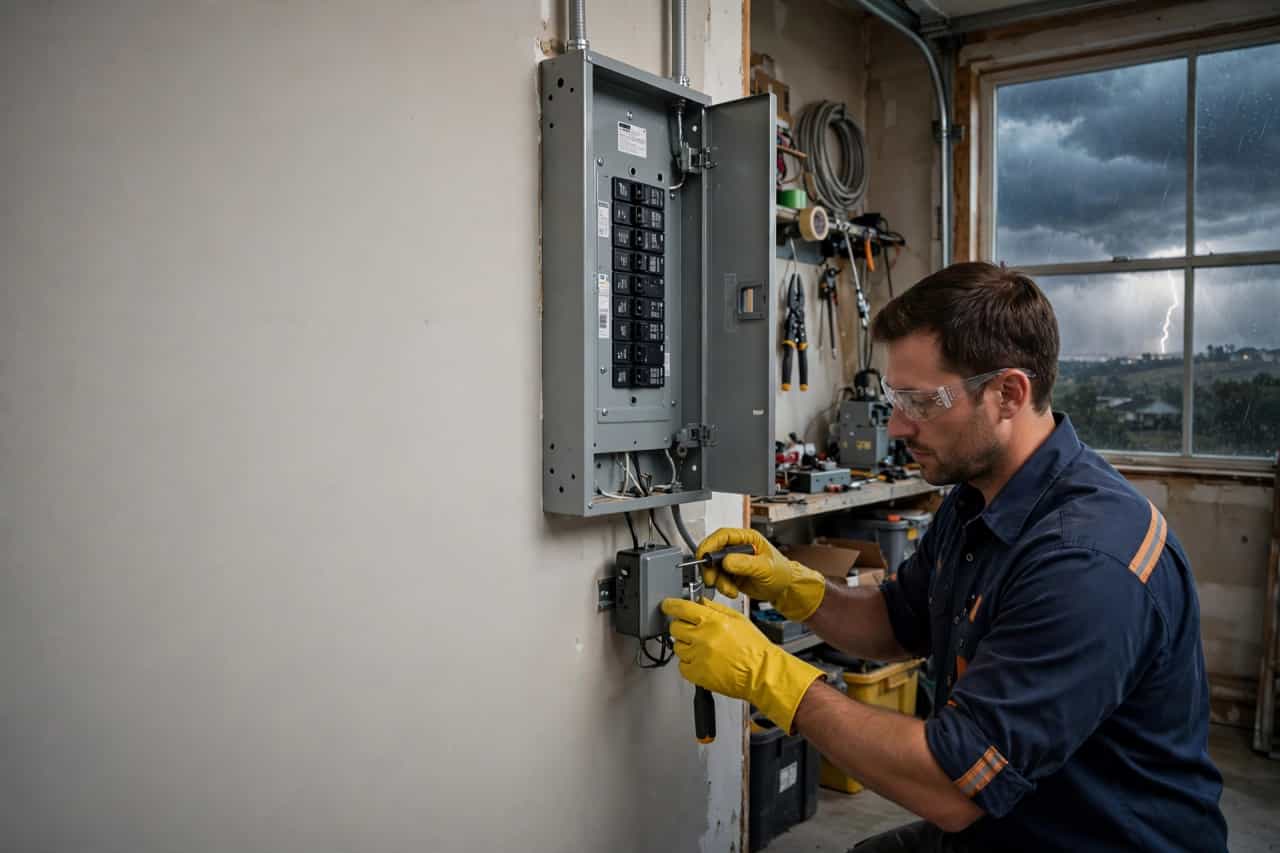
Thunderstorms across Texas bring frequent lightning, and many homes run expensive electronics, smart thermostats and variable-speed HVAC equipment. Current code requires a surge protective device when a dwelling service is replaced, and a panel upgrade is the natural time to add one.
Choosing a Texas panel contractor
Verify the contractor and electrician on TDLR’s license search, ask for a written scope listing the panel brand, service size, grounding and meter work, and confirm who files the permit and coordinates with the wires company or cooperative. Ask whether surge protection and a generator interlock or transfer-switch provision are included.
Licensing, permit and code requirements are set by Texas and local authorities and can change. The electrician confirms what applies to your project. How electrical panel upgrade works · Electricians in Texas