

01
Hurricanes
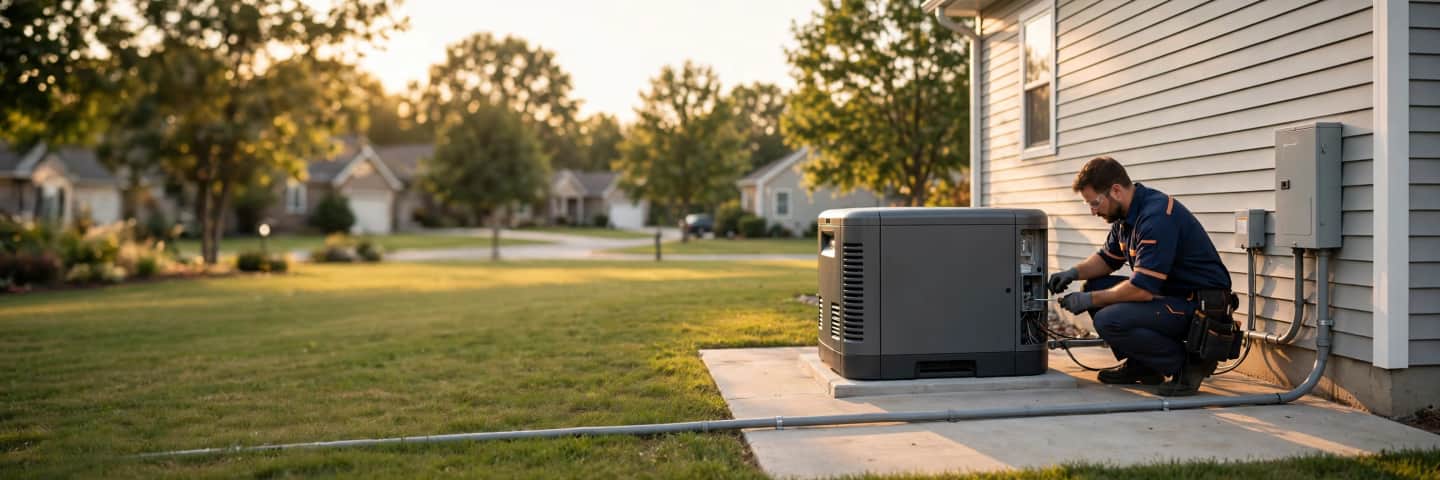
Hurricane Celia in 1970 devastated Corpus Christi, and Hurricane Harvey made landfall nearby in 2017. Generators, surge protection and post-storm inspections are common needs.
Generator Installation
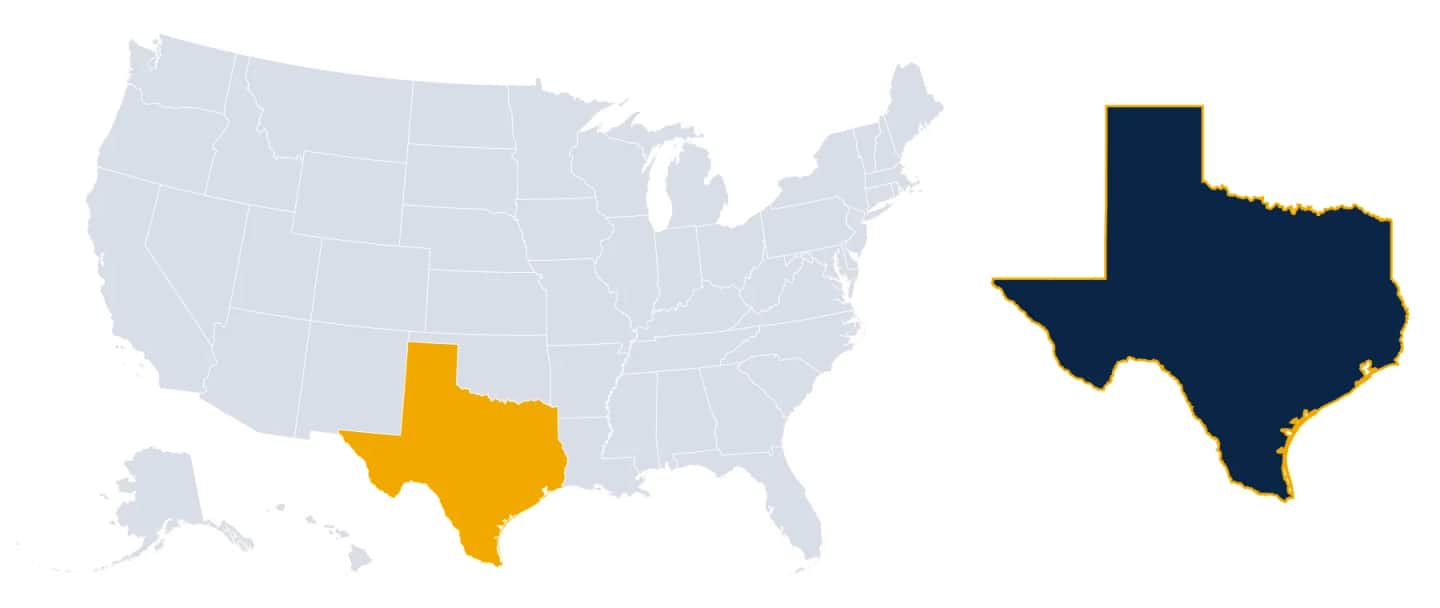
Corpus Christi sits on the Texas Gulf Coast, where Corpus Christi Bay meets the barrier islands. AEP Texas owns the lines, while residents choose a retail electricity provider on the ERCOT grid. Hurricanes, constant coastal wind, salt air, heat and humidity, and a large Navy presence shape electrical work in the Sparkling City by the Sea.
Free to call · Independent licensed electricians
Serving Ocean Drive, Flour Bluff, North Padre Island, Southside, Calallen, Del Mar and every other Corpus Christi neighborhood.
Corpus Christi at a glance
Electrical services in Corpus Christi
The calls Corpus Christi homeowners make most, followed by every service independent licensed electricians handle here.
Not sure which service you need? Describe the problem and an electrician will tell you.
Call for Electrical Service in Corpus ChristiHousing and wiring
Neighborhoods near downtown and along Ocean Drive have homes from the 1920s through the 1950s. Much of the city, including Del Mar and the Southside, grew from the 1950s through the 1980s, Flour Bluff has homes near Naval Air Station Corpus Christi, and North Padre Island has elevated beach homes and condos built from the 1970s onward.
Neighborhoods we cover
Local issues
Problems that come up again and again in local homes, and the service that fixes each one.
Hurricane Celia in 1970 devastated Corpus Christi, and Hurricane Harvey made landfall nearby in 2017. Generators, surge protection and post-storm inspections are common needs.
Generator InstallationConstant wind off the bay carries salt that corrodes meters, outdoor disconnects, condensers and outlets.
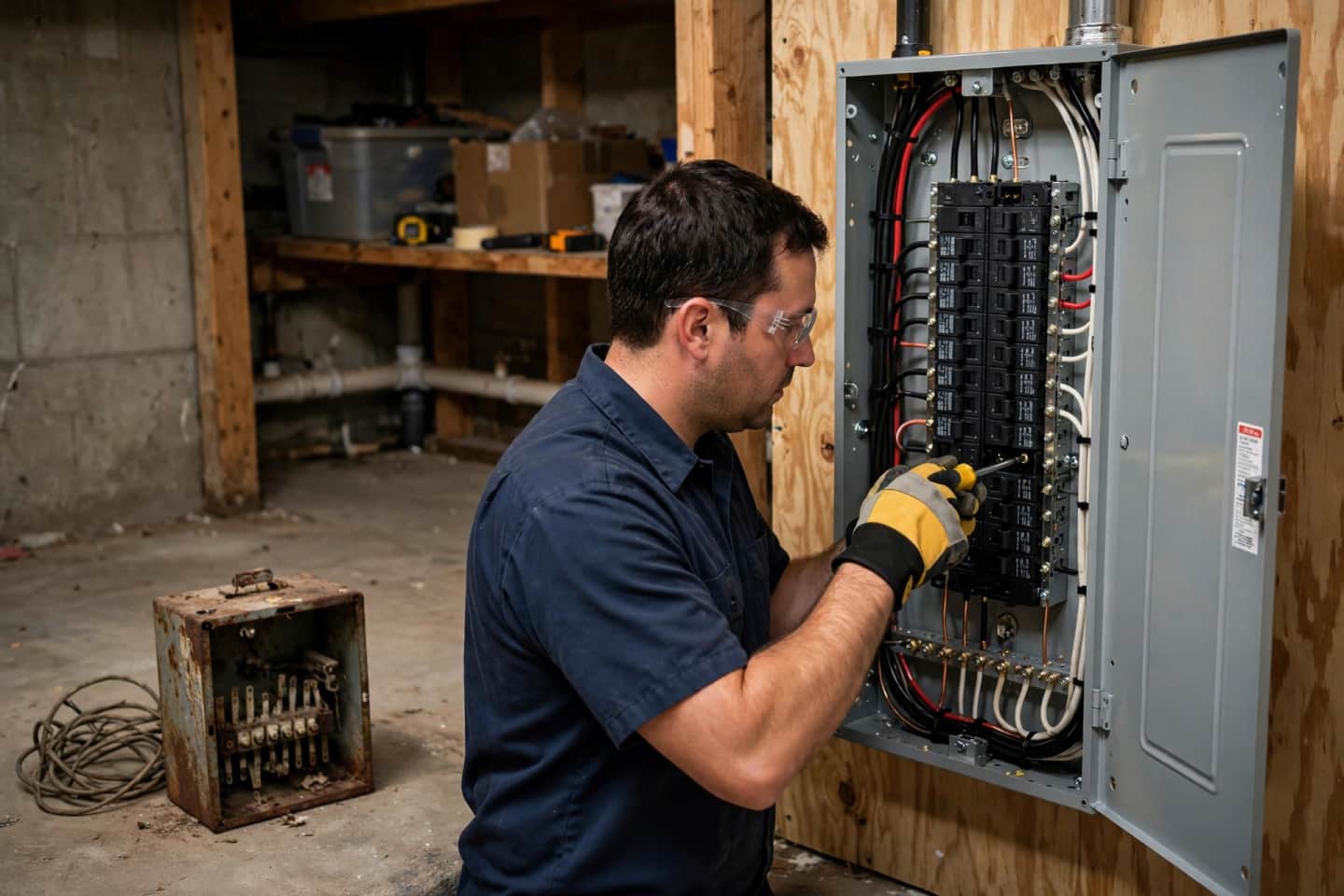
Electrical Repair & TroubleshootingHomes from the 1950s through the 1970s often have original panels and ungrounded circuits that need upgrading.
Electrical Panel UpgradeLocal guide
History, housing, weather and rules that shape electrical work in Corpus Christi, TX.
Corpus Christi stretches along the bay from the Port of Corpus Christi, one of the country’s busiest energy export ports, to the Laguna Madre and North Padre Island. Refineries and petrochemical plants line the ship channel, the Navy trains pilots at its air station, and tourists come for the beaches. The coastal setting is beautiful, but it brings hurricanes, salt air and wind that test every home’s electrical system.
On August 3, 1970, Hurricane Celia struck Corpus Christi with destructive winds, damaging or destroying thousands of homes and businesses. Celia remains the storm older residents measure others against. Building standards improved afterward, and many homes from the 1970s were rebuilt or repaired with new electrical systems.
In August 2017, Hurricane Harvey made landfall near Rockport, just north of Corpus Christi, as a major hurricane before stalling over Texas. Corpus Christi avoided the worst, but nearby communities were devastated, and the storm reminded residents how quickly a hurricane can intensify. Generators, surge protection and storm plans are common investments.
Corpus Christi is one of the windiest cities in the United States, with steady winds off the Gulf much of the year. Wind carries salt spray inland and stresses service drops, masts and rooftop equipment. Well-anchored masts and corrosion-resistant hardware hold up better.
Salt in the air corrodes meter bases, outdoor disconnects, air conditioning condensers, outlets and light fixtures. Corrosion at connections causes heat and failures. Coastal-rated equipment, sealed enclosures and periodic inspection extend equipment life, especially near the bay and on the island.
North Padre Island, part of the city, has beach homes and condos, many elevated above flood levels, and canal-front homes with boat docks. Electrical equipment should be elevated where possible, docks and lifts need wet-location wiring and ground-fault protection, and salt exposure is constant.
Flour Bluff, between the bay and the Laguna Madre, is home to Naval Air Station Corpus Christi and many military families. Frequent moves create a large rental market, and landlords regularly update outlets, alarms and ground-fault protection between tenants.
Ocean Drive, lined with large homes facing the bay, and older neighborhoods near downtown have homes from the 1920s through the 1950s. Many have been updated in stages, but original wiring, small panels and corrosion from decades of salt air are common findings.
Del Mar and neighborhoods in midtown grew in the 1950s and 1960s with brick ranch homes. Original panels, ungrounded outlets and aging air conditioning circuits are common, and panel upgrades often accompany remodels.
The Southside, along Saratoga Boulevard and toward the Oso Bay, grew from the 1980s onward and continues to expand. Newer homes have 200-amp services, but owners adding generators, EV chargers and pools still need careful load planning.
Calallen, near the Nueces River in the northwest, has a small-town feel with larger lots. Homes there may have wells, shops and outbuildings needing feeders and grounding. The Nueces River can flood during heavy rain.
Corpus Christi summers are hot and humid, and air conditioning runs most of the year. Humidity causes nuisance ground-fault trips and corrosion in garages and outdoor boxes. Weather-resistant devices and sealed boxes help.
In February 2021, Winter Storm Uri brought rare freezing temperatures to Corpus Christi, and ERCOT outages left many homes without power and heat. Burst pipes damaged walls and wiring. The storm convinced many families to add generators with interlocks or transfer switches.
Corpus Christi residents choose among many retail electricity providers, while AEP Texas handles the wires and meters. Electricians coordinate service work directly with AEP.
Rooftop solar works well in Corpus Christi’s sunshine, but systems must be rated for high winds and installed with corrosion-resistant hardware. Batteries provide backup during outages.
Inspection reports for Corpus Christi homes commonly note corroded meter bases and disconnects, outdated panels, missing ground-fault protection on docks and patios and storm-damaged masts.
Typical work includes generator installations, corrosion repairs, panel upgrades, dock and boat lift wiring, surge protection, air conditioning circuits and storm repairs.
Because Corpus Christi lies in a designated catastrophe area along the Texas coast, many homes are insured through the Texas Windstorm Insurance Association, which requires construction to meet windstorm standards and be certified by inspection. Those requirements focus on the structure, but electrical work done alongside roof and wall repairs, such as new service masts and exterior equipment, should be anchored to withstand hurricane winds.
The Northside and neighborhoods near Refinery Row along the ship channel have older homes close to industrial plants. Many residents work in the energy industry. Older homes there commonly have small panels, ungrounded outlets and aging wiring, and some neighborhoods have seen buyouts and relocations as industry expanded.
Corpus Christi has faced water supply challenges during drought, and some outlying properties rely on wells and pumps. Well pumps need correctly sized circuits and motor protection, and backup power keeps water flowing during outages.
Texas A&M University–Corpus Christi, on Ward Island, brings students who rent homes and apartments across the Southside. Landlords commonly update outlets, ground-fault protection and alarms between tenants.
Before hurricane season, Corpus Christi homeowners can test generator interlocks or transfer switches, label critical breakers, check that sump and well pumps work, and make sure outdoor equipment is secured. After a storm, anyone whose home took on water should leave the main breaker off until a licensed electrician inspects panels, outlets and appliances. Equipment exposed to salty floodwater usually must be replaced rather than dried and reused.
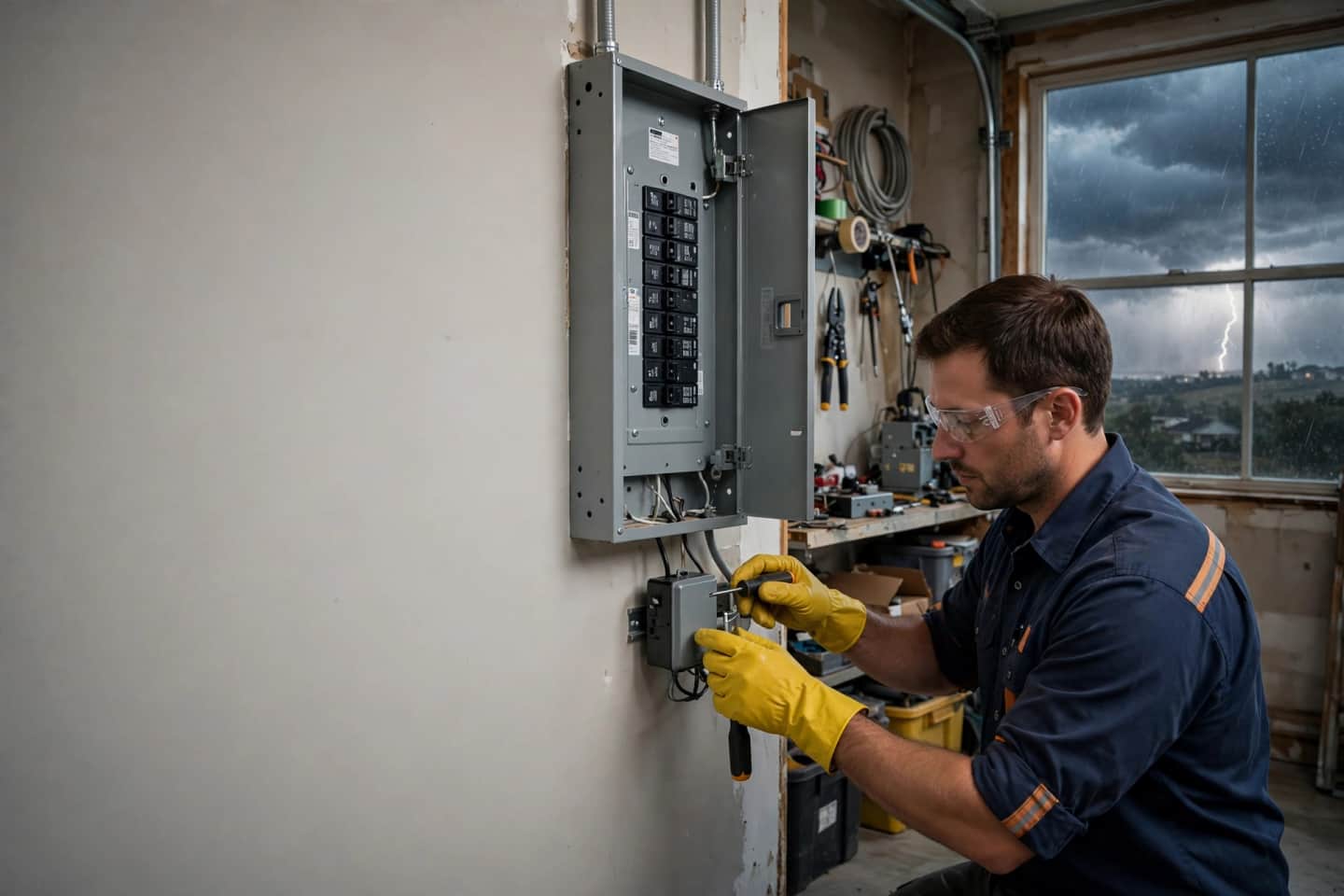
Summer thunderstorms bring lightning to the Coastal Bend, and surges damage air conditioning boards, pool controls and electronics. A whole-home surge protective device at the panel adds inexpensive protection.
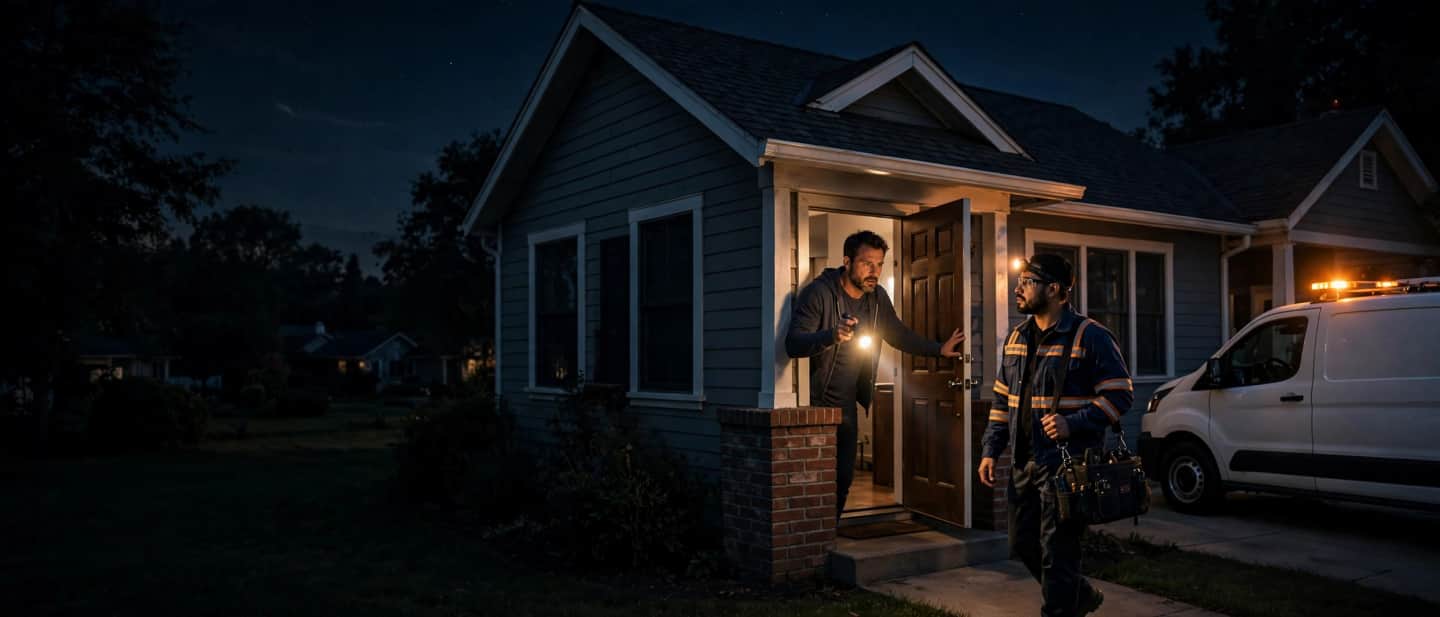
Routine repairs are usually scheduled quickly, while service upgrades depend on city permits, inspections and AEP Texas scheduling. After hurricanes, demand surges and electricians prioritize making damaged homes safe, so planning generator and panel projects before June saves weeks of waiting.
Questions
The City of Corpus Christi Development Services department issues permits and performs inspections inside city limits, including North Padre Island. Port Aransas and Portland have their own offices.
AEP Texas restores its lines regardless of which retail provider you use. Damage to the mast, meter base or wiring on your home must be repaired by an electrician before AEP reconnects.
Problem guides
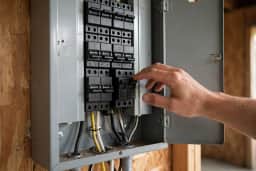 Breaker Keeps TrippingWhy does my circuit breaker keep tripping?
 Flickering LightsWhy are the lights in my house flickering?
 Outlet Not WorkingWhy did my outlet suddenly stop working?
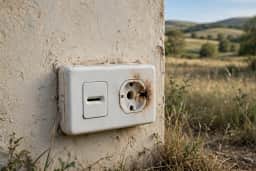 Burnt or Scorched OutletWhat should I do if an outlet has burn marks?
 Burning Smell From OutletIs a burning smell from an outlet dangerous?
 Warm Light SwitchIs it normal for a light switch to feel warm?
Same-day help often available
Call an electrician in Corpus Christi
Describe the problem and your Corpus Christi neighborhood. Your call goes to an independent licensed electrician who works locally.
Call (855) 679-2483Smoke, flames or sparking? Leave the building and call 911 first.
Pronto Electrician is a free referral service. Calls are answered by independent licensed electricians in your area. Pronto Electrician does not perform electrical work, and the electrician you choose sets the price, schedule, permits and warranty.
Nearby
Free to call · All 50 states + DC
Describe the problem and get connected with an independent licensed electrician who serves your area.