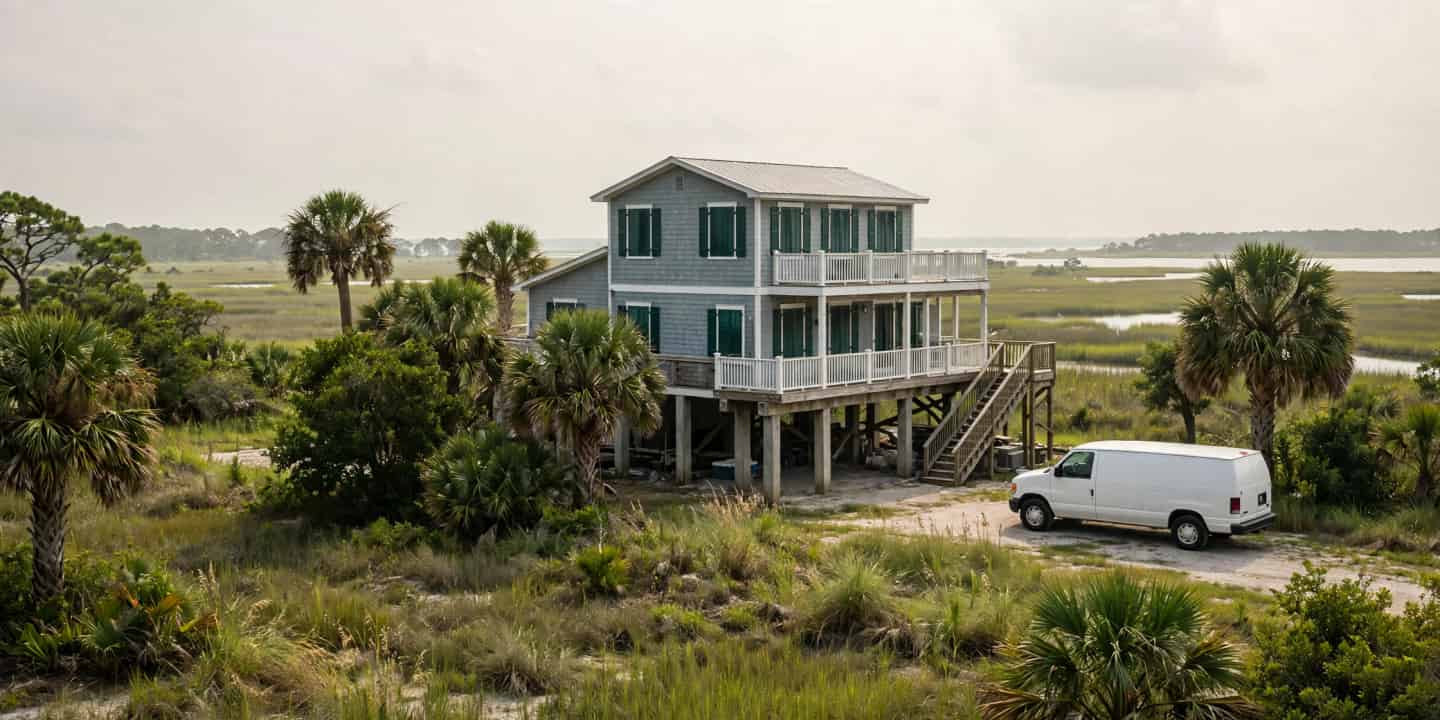
Jacksonville consolidated with Duval County in 1968, making it the largest city by land area in the contiguous United States, and its homes stretch from historic riverfront neighborhoods to beach-adjacent suburbs and rural edges. JEA, the city-owned utility, supplies power. The St. Johns River, Atlantic storms and frequent lightning shape what Jacksonville homeowners need from their electrical systems.
Riverside and Avondale together form one of the largest National Register historic districts in Florida, with homes from the 1890s through the 1930s. Springfield has Victorian houses north of downtown, and San Marco has Mediterranean Revival homes from the 1920s. Mandarin, Arlington and the Southside are mostly mid-century and newer suburban construction.
Problems that come up again and again in local homes, and the service that fixes each one.
01
River flooding during hurricanes
During Hurricane Irma in 2017, the St. Johns River reached record levels and flooded downtown streets and riverfront neighborhoods. Electrical equipment that has been underwater must be replaced, and homes near the river should keep panels and outdoor equipment elevated.
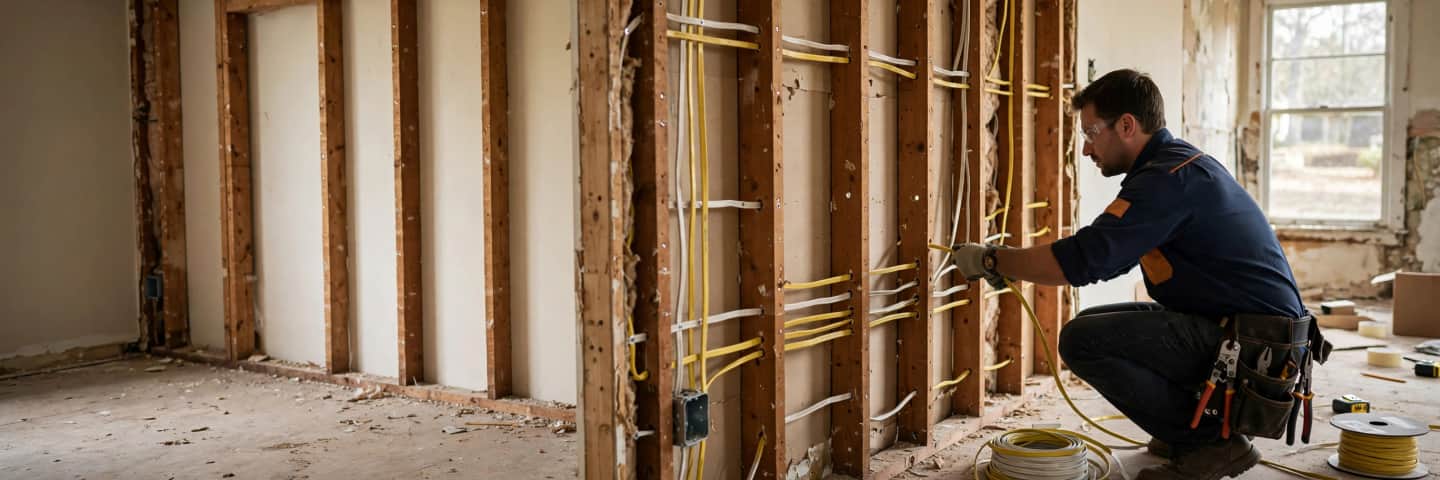
Riverside, Avondale and Springfield homes often contain knob-and-tube or ungrounded wiring hidden behind plaster. Rewiring through attics and crawl spaces preserves historic interiors.
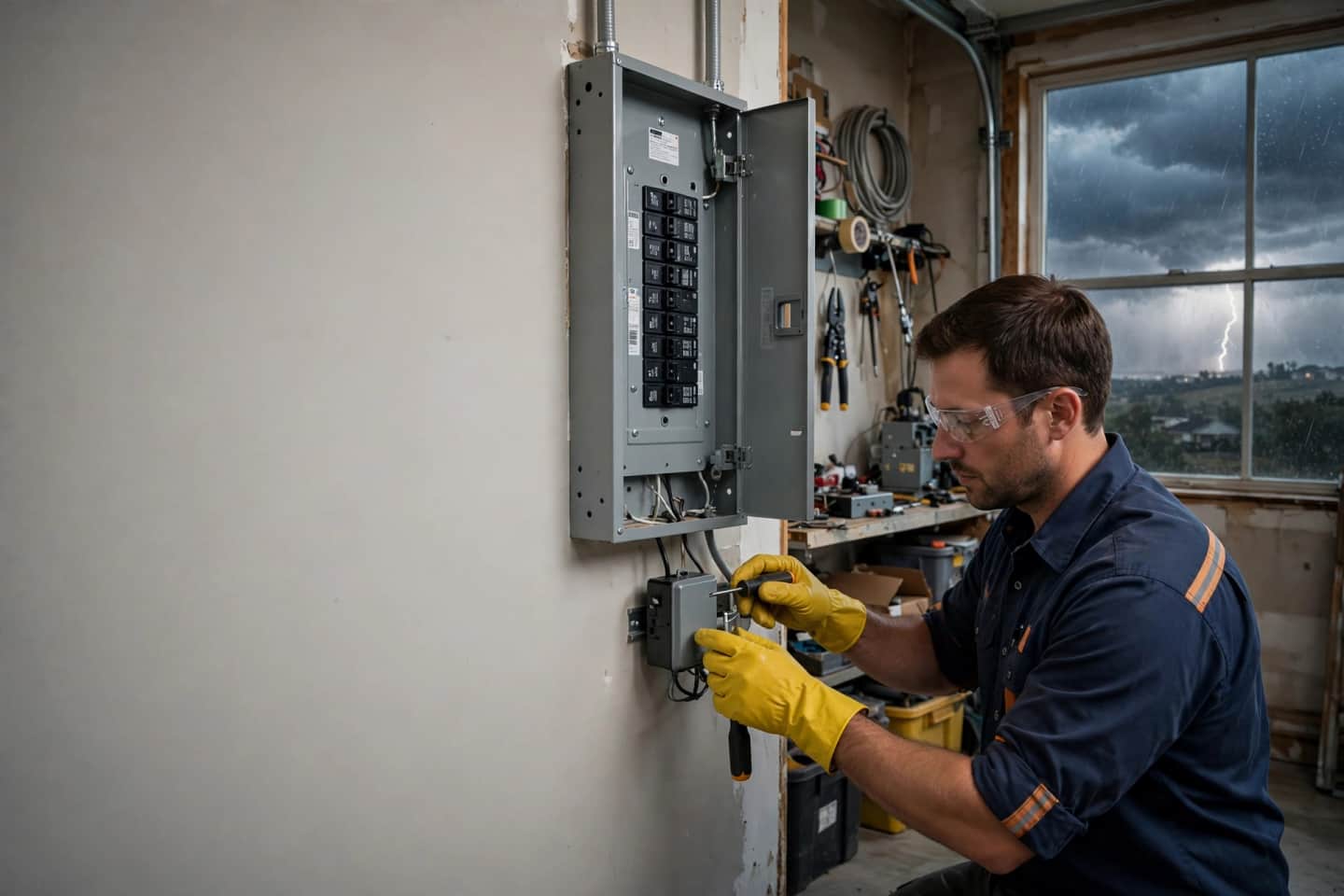
Northeast Florida thunderstorms bring frequent lightning, and surges damage air conditioning boards and electronics. Whole-home surge protection at the panel is a practical safeguard.
History, housing, weather and rules that shape electrical work in Jacksonville, FL.
JEA and city-owned power
JEA is one of the largest community-owned utilities in the country, providing electricity, water and sewer service. Because it is owned by the city, its rates and programs are set locally. JEA offers rebates for efficient equipment and supports EV charging, and it has its own process for service upgrades, solar interconnection and storm restoration.
Riverside and Avondale
Riverside and Avondale’s streets are lined with bungalows, Prairie-style homes and grand Mediterranean houses, many shaded by live oaks. Renovations frequently uncover original wiring sections, overloaded circuits and panels added decades ago. Exterior changes in the city’s local historic districts are reviewed by the Jacksonville Historic Preservation Commission.
Springfield’s Victorian homes
Springfield, just north of downtown, has one of the largest collections of Victorian-era homes in Florida. Many were divided into apartments and later restored as single-family homes, and restoration usually requires a new service and complete rewiring.
San Marco and the Southbank
San Marco’s 1920s homes and the Southbank’s condominiums sit along the river. Older San Marco homes often need service upgrades, while condo owners work with associations for any electrical changes.
Mandarin and Arlington
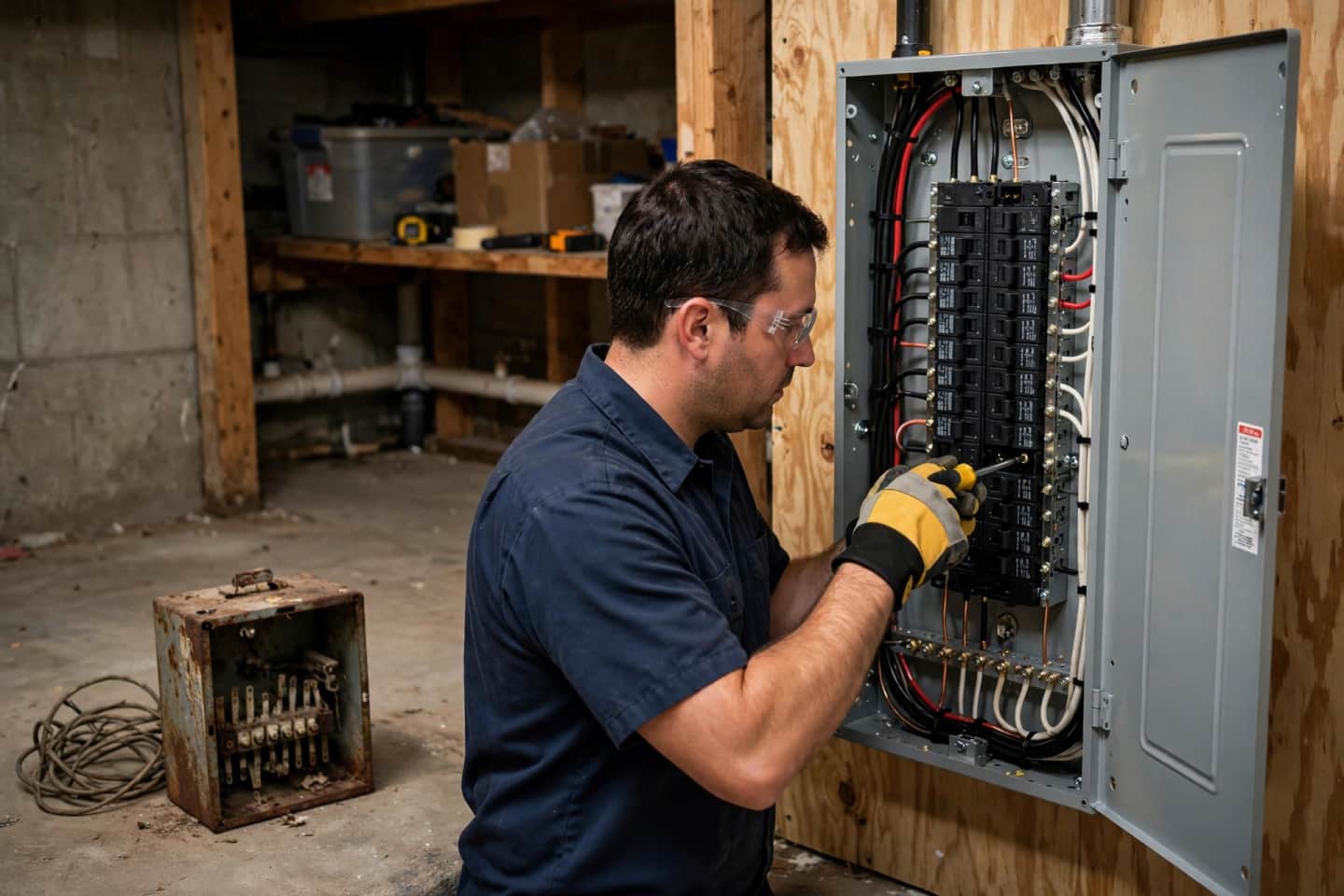
Mandarin, along the St. Johns south of the city, and Arlington, east of downtown, grew mainly from the 1950s through the 1980s. Many homes still have original panels and some have aluminum branch wiring. Florida insurers may require panel replacement in older homes before issuing coverage.
The beaches and salt air
Neptune Beach, Atlantic Beach and Jacksonville Beach are separate cities with their own permit offices, but much of the Jacksonville area near the ocean shares the same challenge: salt air that corrodes meter bases, disconnects and outdoor outlets. Corrosion-resistant equipment and regular inspection help.
Hurricanes and nor’easters
Jacksonville has avoided many direct hurricane strikes, but storms like Matthew in 2016 and Irma in 2017 brought wind, surge and river flooding. Nor’easters also push water up the river. Generators connected through a transfer switch or interlock, and raised equipment in flood-prone areas, are common upgrades.
Generators and fuel
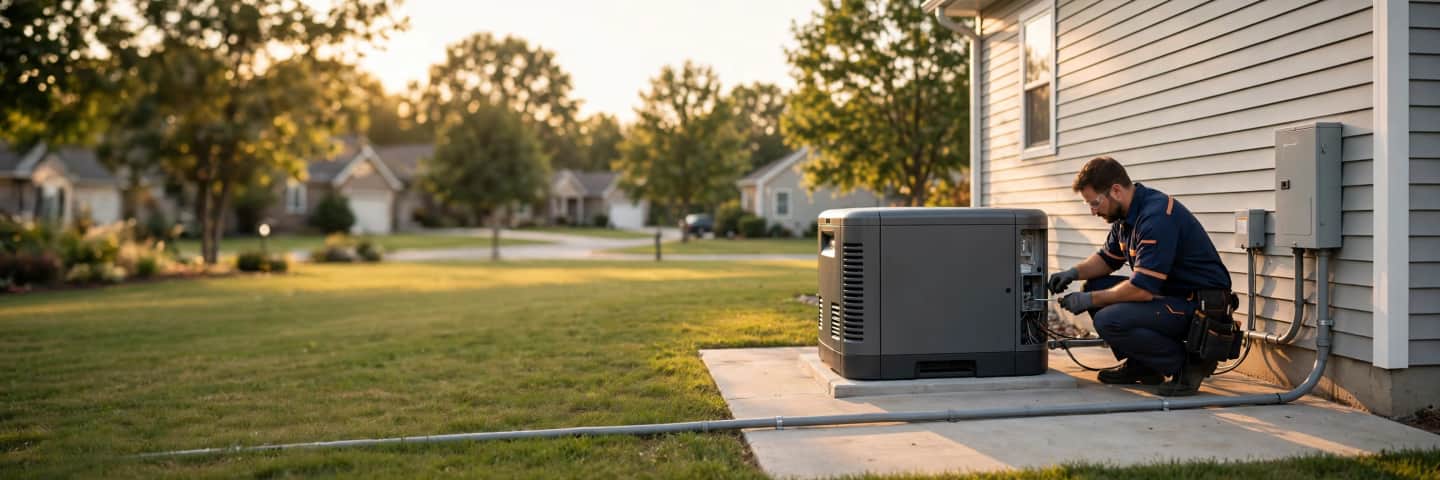
Natural gas is available in parts of Jacksonville, and many homeowners choose standby generators; others use propane units or portable generators with interlocks. Generators must run outdoors with clearance from windows and doors.
Military families and rentals
Naval Air Station Jacksonville and Naval Station Mayport bring many military families and rental homes. Landlords commonly update panels, ground-fault protection and alarms between tenants.
Growth on the Southside and in St. Johns County
The Southside and neighboring St. Johns County have grown rapidly with new subdivisions. New homes generally have 200-amp services, but pools, EV chargers and home offices add load quickly.
Pools and outdoor living
Screened pools and outdoor kitchens are common in Jacksonville. Pool equipment requires bonding and ground-fault protection, and outdoor circuits need weather-resistant devices.
Typical Jacksonville electrical jobs
Common requests include historic home rewiring, panel replacements for insurance, surge protection, generator installations, flood repairs, pool bonding and EV chargers.
A city of rivers and creeks
Beyond the St. Johns itself, Jacksonville is laced with tributaries such as the Ortega River, Trout River, Pottsburg Creek and Cedar River. Neighborhoods along these waterways can flood during heavy rain and tropical storms even when the main river stays in its banks. Homes on low lots benefit from raised outdoor equipment, panels placed above flood levels and backup power for sump pumps.
Ortega and riverfront estates
Ortega, on a peninsula between the St. Johns and Ortega rivers, has large historic homes with docks, boathouses and pools. Dock wiring needs ground-fault protection and corrosion-resistant fittings, and many riverfront homes have standby generators. Older estates often have multiple panels and wiring from several eras.
Insurance and four-point inspections
Florida insurers commonly require four-point inspections for older homes, examining the roof, plumbing, HVAC and electrical system. In Jacksonville, older homes with fuse boxes, certain older panel brands, aluminum wiring or ungrounded circuits may need updates before coverage is issued or renewed.
Northside and older neighborhoods
Jacksonville’s Northside has neighborhoods such as Durkeeville, Brentwood and Panama Park with homes from the early and mid-1900s, many owned by longtime residents. Outdated panels and wiring are common, and renovations often include service upgrades.
EVs and solar with JEA
JEA supports EV charging and offers programs for customers interested in solar. Rooftop systems need permits and JEA interconnection approval, and many homeowners pair solar with batteries for storm resilience.
Typical timelines
Small repairs can usually be scheduled quickly, while service upgrades depend on city permits, inspections and JEA scheduling. Historic district projects may need additional review time.
Downtown and the Southbank revival
Downtown Jacksonville and the Southbank have seen new apartments and the conversion of older office buildings into residences. Residents in these buildings work with management for electrical changes and EV charging in shared garages, and older converted buildings may have limited capacity per unit.
Murray Hill and Lakeshore
Murray Hill and Lakeshore on the west side have bungalows and cottages from the 1920s through the 1950s, popular with first-time buyers. Many still have original panels and wiring, and renovations often include a service upgrade, grounded circuits and ground-fault protection in kitchens and baths.
Hurricane season checklist
Before June, test the generator, confirm it connects through a transfer switch or interlock, locate the main breaker, and make sure outdoor equipment is secured. After a storm, keep the power off if water reached outlets or the panel, and have an electrician inspect before reconnecting.
Ceiling fans and lanais
Jacksonville homes rely on ceiling fans indoors and on screened lanais much of the year. Fans need fan-rated boxes, and lanai fixtures and outlets must be rated for damp locations. Older homes often need new switching so fans and lights can be controlled separately.
Older panels and buyer inspections
Inspections of older Jacksonville homes frequently flag fuse panels, older panel brands with known concerns, aluminum branch wiring and amateur additions, all of which may affect insurability. An electrician’s evaluation helps buyers understand what must be fixed before closing.
Arlington’s mid-century homes
Arlington boomed in the 1950s and 1960s with ranch homes for families of Navy personnel and growing businesses. Many still have original panels and wiring, and some show the wear of decades of humid summers, making panel replacement a common first step in renovations.
Questions
Questions from Jacksonville homeowners
Who issues electrical permits in Jacksonville?+
Because the city and Duval County are consolidated, the City of Jacksonville’s Building Inspection Division handles permits across most of the county. The beach cities and Baldwin issue their own.
Does JEA need to be involved in a panel upgrade?+
Yes. JEA coordinates disconnects, meter work and reconnection for service upgrades, and has its own requirements for meter locations.
Connect with an independent licensed electrician near you
Smoke, flames or sparking? Leave the building and call 911 first.
Pronto Electrician is a free referral service. Calls are answered by independent licensed electricians in your area. Pronto Electrician does not perform electrical work, and the electrician you choose sets the price, schedule, permits and warranty.